11
11
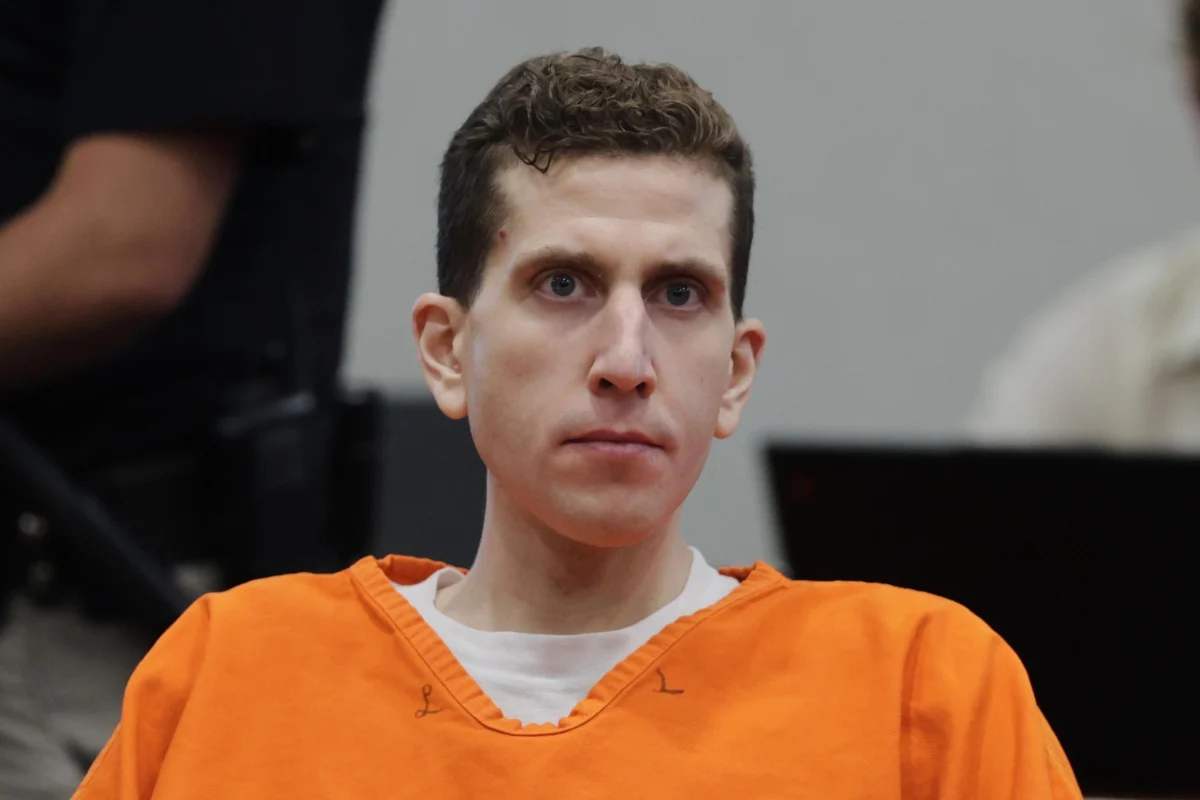
July 28, 2026, 03:14pm EDT — The horrific 2022 murders of four University of Idaho students have once again surged into public consciousness, as Bryan Kohberger, the man who pleaded guilty to the crimes, now seeks to abandon his plea, asserting his innocence. This dramatic development, occurring nearly four years after the brutal killings that shocked the nation, reopens a legal chapter many believed was definitively closed with Kohberger’s 2025 guilty plea.
The initial tragedy unfolded before dawn on November 13, 2022, when Madison Mogen, Kaylee Goncalves, Ethan Chapin, and Xana Kernodle were found brutally murdered in an off-campus home in Moscow, Idaho. The senseless violence against the four young students sent shockwaves through the university community and across the country. The serene college town was plunged into fear and grief, grappling with the sudden loss of life and the terrifying uncertainty of an assailant at large. The lack of immediate arrests in the weeks following the murders fueled intense public speculation and put immense pressure on law enforcement agencies to identify and apprehend a suspect. The case garnered widespread national attention, dominating headlines and social media discussions as investigators meticulously combed through evidence and pursued countless leads.
For over a month, the investigation remained a top priority for state and federal authorities. The comprehensive effort involved a vast array of forensic techniques, witness interviews, and digital analyses, all aimed at piecing together the events of that tragic night. The intense scrutiny and the scale of the resources deployed underscored the gravity of the case. Finally, just over a month after the murders, a significant breakthrough occurred. On December 30, 2022, authorities announced the arrest of Bryan Kohberger in Pennsylvania, thousands of miles from Idaho. The news sent ripples of relief, but also bewilderment, as details about the suspect emerged. Kohberger was not a stranger to academia or the region; he was a PhD student in criminology at the nearby Washington State University, a fact that added another layer of disturbing complexity to the already horrifying case. His academic background in the study of crime raised profound questions about his potential motive and involvement.
Following his arrest, Kohberger was extradited to Idaho, where he was formally charged with four counts of first-degree murder and one count of felony burglary. From the outset, Kohberger maintained his innocence, and for years, his legal team prepared for what was anticipated to be a highly publicized and contentious trial. The legal proceedings were marked by extensive discovery, pre-trial motions, and the careful selection of a jury pool, all against the backdrop of intense public and media interest. The prosecution had signaled its intent to seek the death penalty, elevating the stakes of the impending legal battle to the highest possible level.
However, in a stunning turn of events in July 2025, just one month before his capital murder trial was set to commence, Kohberger reversed his long-held position. He opted to accept a plea deal offered by the prosecution. Under the terms of the agreement, Kohberger pleaded guilty to all four counts of first-degree murder and the single count of burglary. In exchange for his guilty plea, the prosecution agreed to take the death penalty off the table. This decision, a significant concession from the state, spared Kohberger from the possibility of execution. Instead, he was handed down a sentence of four consecutive life sentences without the possibility of parole, plus an additional ten years for the burglary charge. The plea deal brought a sense of closure for many, particularly for the families of the victims, who had endured years of agonizing uncertainty and anticipation of a protracted trial. The legal maneuver was widely seen as a way to ensure conviction and avoid the lengthy appeals process often associated with death penalty cases, providing a definitive outcome to a case that had gripped the nation.
Now, in July 2026, nearly a year after accepting that plea, Bryan Kohberger has dramatically reversed course yet again. He has filed a petition for post-conviction relief, an intricate legal mechanism through which a convicted individual can challenge the legality or fairness of their conviction or sentence after all direct appeals have been exhausted. The stated goal of his petition is to abandon his guilty plea, effectively seeking to undo the agreement that spared him the death penalty. In a statement provided to the New York Times, Kohberger vehemently asserted his position: "My actual innocence is my truth, and the plea, hinged on by false promises and blatant disinformation, must be withdrawn." This powerful declaration suggests a claim that his original plea was not made voluntarily or was based on misleading information, an extremely high bar to meet in post-conviction proceedings. Such a petition typically requires compelling evidence that the plea was involuntary, unintelligent, or was a result of ineffective assistance of counsel, or that new evidence of innocence has emerged.
This new development re-ignites the intense public and media focus on the Idaho student murders. Legal experts anticipate a challenging process for Kohberger, as withdrawing a guilty plea, especially one made in a capital case, is rarely granted. Courts generally uphold plea agreements, viewing them as deliberate choices made by defendants with the advice of legal counsel. Kohberger’s claim of "false promises and blatant disinformation" will require substantial substantiation to convince a court to overturn his own admission of guilt.
The ongoing saga continues to draw the attention of those deeply familiar with the case. Howard Blum, author of "When the Night Comes Falling: A Requiem for the Idaho Student Murders," recently joined "Forbes True Crime" to discuss these latest developments. Blum’s extensive research and narrative chronicling of the events and the subsequent investigation position him as a critical observer, capable of providing context and insight into the legal and emotional complexities surrounding Kohberger’s latest move. His book, subtitled a "requiem," speaks to the profound and lasting impact of the tragedy on the victims’ families, friends, and the wider community, and his commentary underscores the enduring significance of this case.
The petition for post-conviction relief will undoubtedly usher in another round of intense legal scrutiny, forcing all parties to revisit the evidence and the circumstances surrounding Kohberger’s initial plea. For the families of Madison Mogen, Kaylee Goncalves, Ethan Chapin, and Xana Kernodle, this new development represents a renewed period of legal uncertainty, potentially delaying a final resolution to the tragedy that forever altered their lives. The legal system now faces the task of weighing Kohberger’s claims of innocence against his prior admission of guilt, ensuring that justice is ultimately served.