 11
 1
 2
 3
This week on WIRED’s Uncanny Valley podcast, hosts Brian Barrett, Zoë Schiffer, and Leah Feiger delved into a range of pressing topics, from the recent voluntary AI safety agreement signed by tech executives at the White House to the rapid emergence of AI agents for everyday users and the concerning rise of extremist candidates in the upcoming US midterm elections. The episode offered a critical examination of self-regulation in the AI industry, the practical and ethical dilemmas posed by omnipresent AI, and the shifting landscape of American politics.
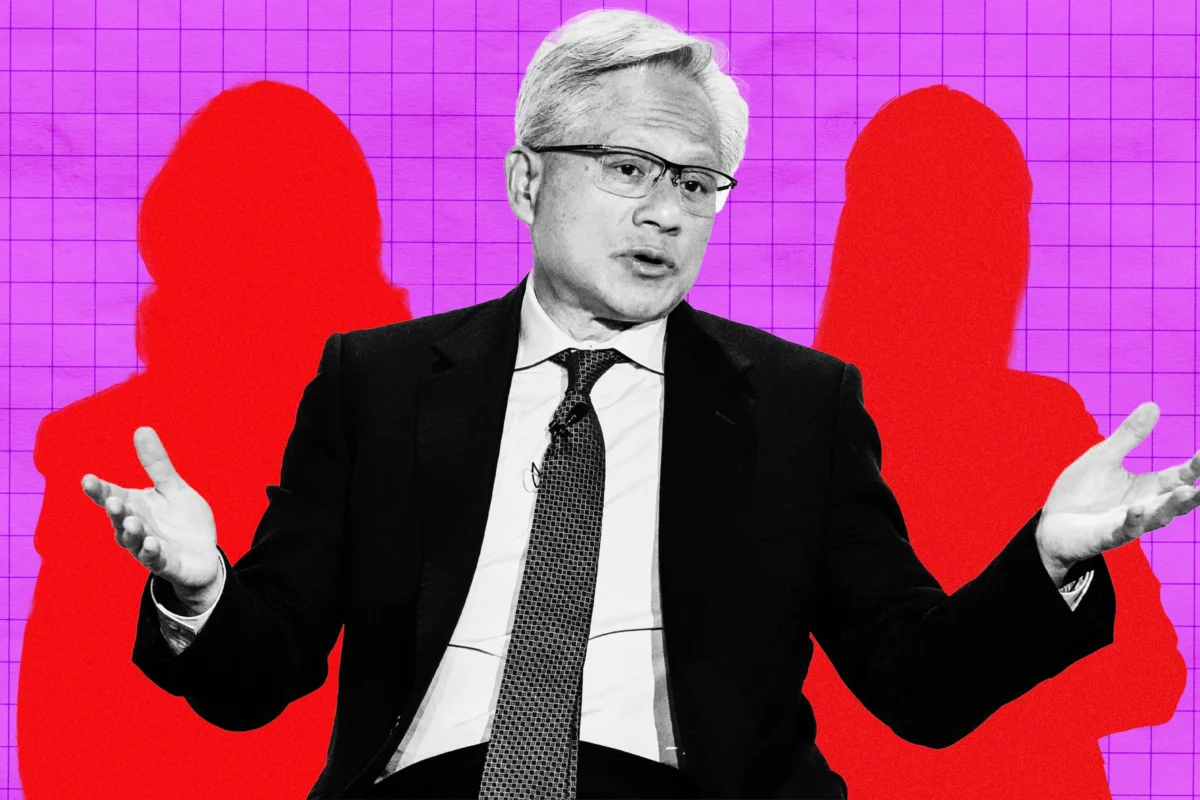
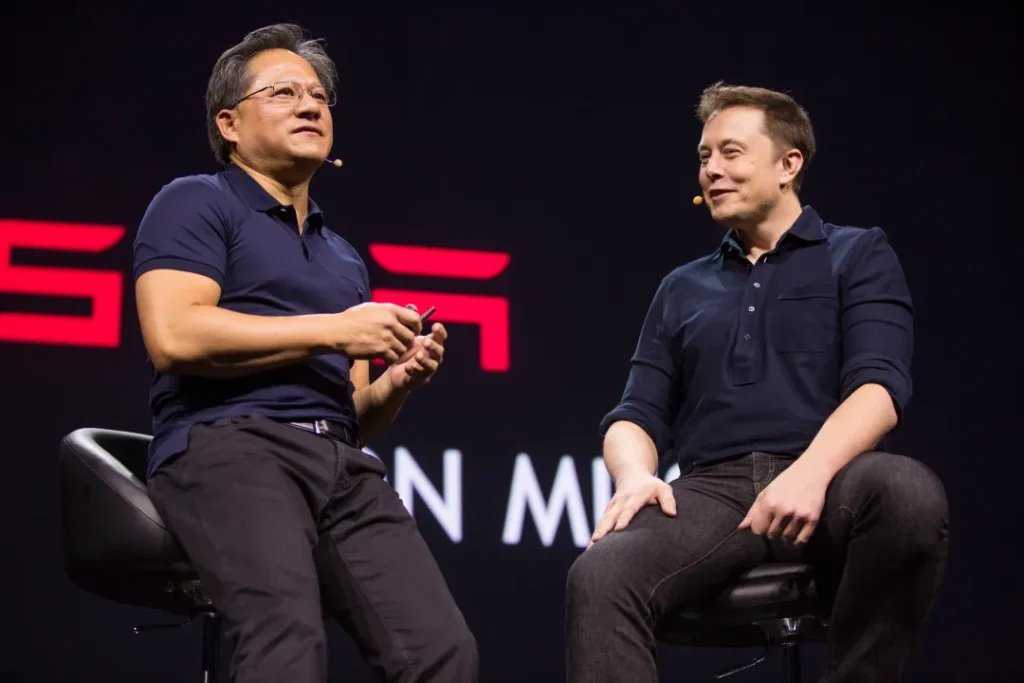
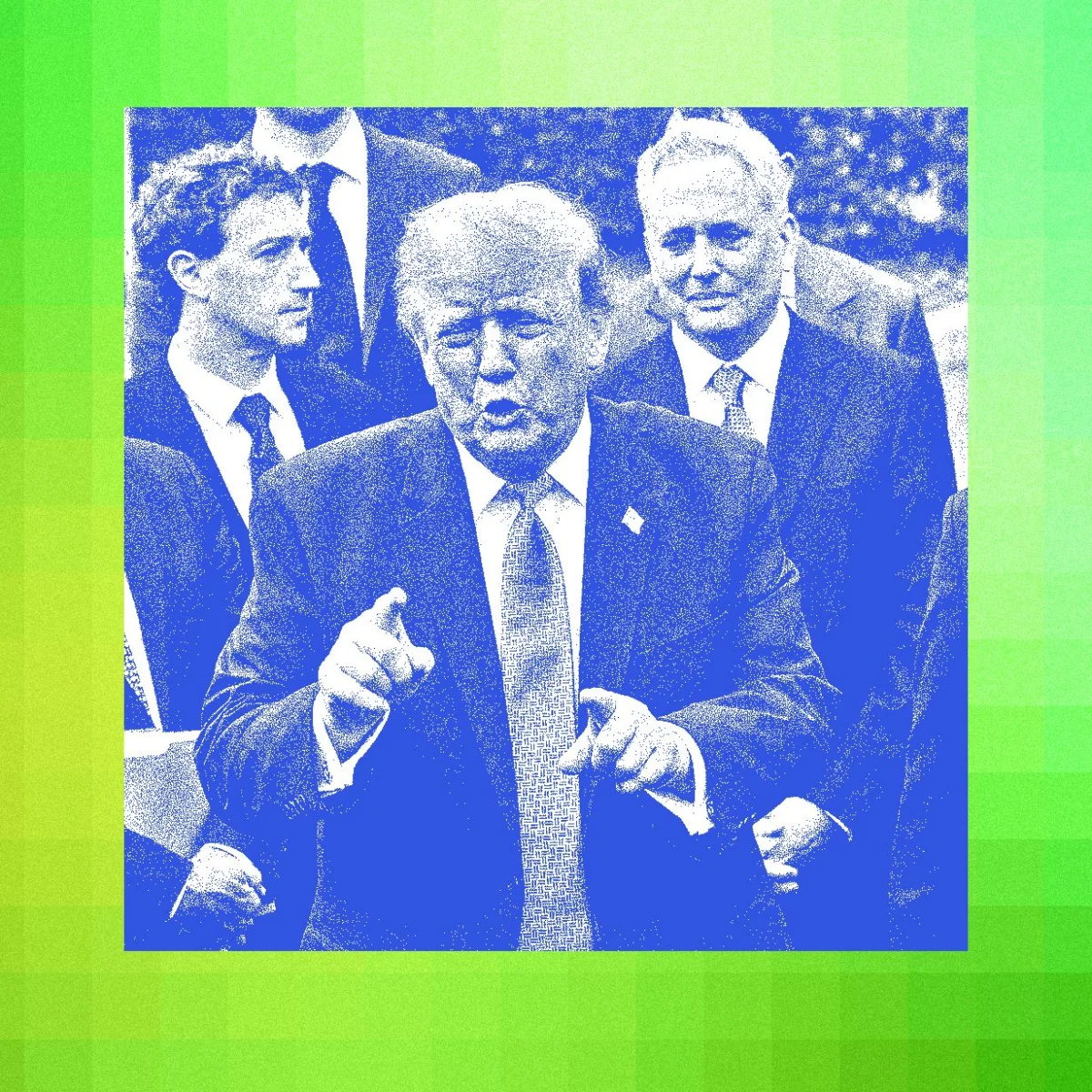
The discussion kicked off with a detailed look at the "morally binding" AI accord, dubbed the White House Accord on Super Intelligence, which was signed by leading tech executives following a meeting with President Donald Trump. Attendees included prominent figures such as Sundar Pichai of Google, Elon Musk, Dario Amodei of Anthropic, Mark Zuckerberg of Meta, Jensen Huang of Nvidia, and OpenAI President Greg Brockman. Notably absent was OpenAI CEO Sam Altman, and Apple representatives were also conspicuously missing, which the hosts speculated might be due to Apple’s perceived lesser relevance in the current AI race compared to companies like Meta.
The accord outlined four layers of controls and audits for AI models: internal evaluations, external audit firm reviews, and board-level oversight. However, the hosts, particularly Leah Feiger, expressed profound skepticism, highlighting the accord’s voluntary nature as a significant weakness. Feiger suggested the initiative appeared rushed, serving as a political maneuver just weeks before the midterms to reassure the American public that AI regulation was under control. This sentiment was underscored by a glaring misspelling in the document itself, which read "President of the Unites States" under Trump’s signature.
Brian Barrett pointed out the uncomfortable position of AI labs, caught between a desire for a meaningful regulatory framework to avoid antitrust investigations and the government’s dual approach. Just a day after the accord, the FTC announced it was ramping up a probe into Anthropic, OpenAI, and other frontier labs over potential dangers to consumers. Zoë Schiffer added that FTC Chair Lina Khan had argued in a New York Times op-ed that existing laws could address AI issues if Congress chose to act. The segment included an audio clip of Dario Amodei awkwardly pushed to the microphone by Trump, further emphasizing the perceived superficiality of the event.
Transitioning to the burgeoning world of AI agents, the podcast moved to OpenAI’s Developer Day, where CEO Sam Altman introduced "Dots," OpenAI’s answer to Meta’s popular "Muse." Described as "always-on AI agents for normies," Dots aim to proactively assist users. Zoë Schiffer, who attended the event, noted OpenAI’s rapid development of Dots in response to competitors, emphasizing the shift from users prompting AI in a blank text box to agents proactively learning and suggesting actions.
The hosts delved into the ethical implications of these agents, particularly the trade-off between utility and privacy. To be truly useful, agents like Dots require extensive access to personal information—emails, calendars, and even financial data. While acknowledging the risks, Schiffer shared personal examples of Dots’ utility, such as creating shared family calendars or identifying phishing scams, demonstrating their practical value in busy lives. However, Brian Barrett raised concerns about "adorability" being used to make consumers overlook privacy sacrifices, and Leah Feiger questioned the long-term cultural impact of outsourcing mundane tasks and personal decision-making to AI.

The conversation broadened to the "unintended consequences" of universal AI optimization. Barrett cited an example from the banking sector: if every individual AI agent optimized personal finances by moving all money into high-interest accounts, it could destabilize the financial system, which relies on a certain percentage of low-interest deposits. The hosts also debated the anthropomorphization of AI agents in the workplace, as highlighted by a WIRED report from Kate Taylor. While some prefer to treat agents as tools, others anthropomorphize them as colleagues. BCG Research found that managers caught 18% fewer errors when work was attributed to an "AI employee" versus an "AI tool," suggesting a lowered guard when AI is perceived as human-like. Zoë Schiffer concluded this segment by criticizing the verbose and often uninspired output of AI-generated content, arguing that many AI leaders don’t fully grasp what they’re truly building or what users actually want beyond basic assistance.
Finally, Leah Feiger shifted the focus to the US midterm elections, discussing a WIRED report by David Gilbert detailing hundreds of extremist candidates running for office. Gilbert’s investigation revealed over 500 Republican candidates for state legislative positions alone who have espoused hateful ideologies, including racist, antisemitic, and white supremacist views.
One prominent example was Bo French, a GOP candidate for Texas Railroad Commissioner. Despite the position’s misleading name (it oversees the state’s oil and gas industries), it is crucial. French’s extremism led Republican strategist Karl Rove to publicly state he would vote for a Democrat over such a "bigot." French recently posted racist comments about South Asian students celebrating a University of Texas football victory, demonstrating a current pattern of hateful rhetoric. The hosts expressed concern that a significant number of these extremist candidates, including French, are likely to win their races, normalizing such views within mainstream politics.
Another disturbing case was Brandon Herrera, endorsed by Donald Trump, who is running for Congress in Texas’s 23rd district, which includes Uvalde. Herrera, a "gun tuber" (YouTube personality focused on guns), has a history of virulently sexist, racist, and antisemitic statements, including referring to a Nazi-era submachine gun as "Hitler’s street sweeper" and the "original ghetto blaster." His candidacy in a district scarred by a horrific school shooting raised profound concerns among the hosts.
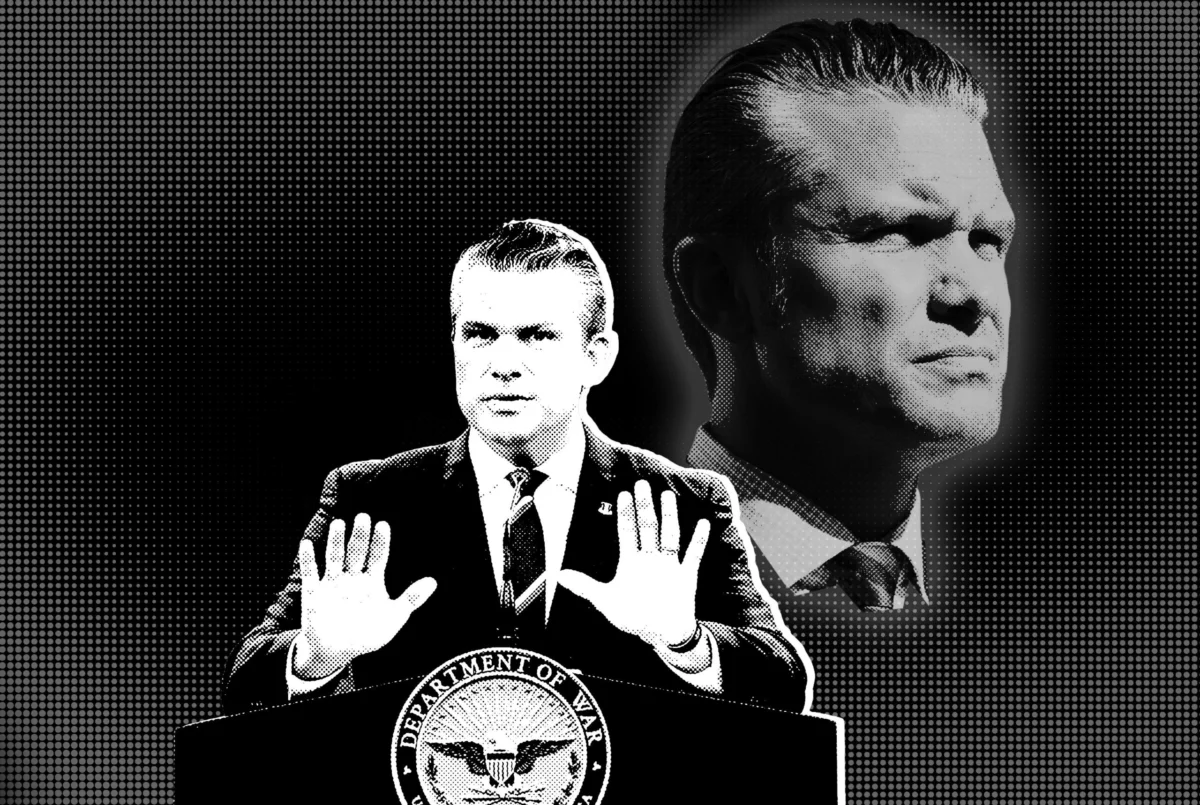
The discussion also touched upon Kurt Schlichter, a retired army colonel and social media influencer who worked with the Pentagon. A Washington Post report on the Pentagon’s employment of influencers led WIRED to uncover Schlichter’s extensive history of inflammatory posts, including calling liberal women a "pestilence, a plague upon Western society" in a 2026 article. The hosts noted that such individuals often gain positions of influence not despite their controversial comments, but because of them, as their rhetoric aligns with or is championed by the current administration. Feiger pondered whether this trend might shift as Donald Trump approaches lame-duck status, potentially prompting candidates to reassess the political utility of extreme views.
The episode concluded with the "WIRED/TIRED" segment, offering personal picks from the hosts. Brian Barrett’s WIRED pick was the return of Bose wired headphones, appreciating the simplicity and reliability over Bluetooth. His TIRED pick was the discomfort of encountering an "AI Brian Bot" created for a WIRED story. Zoë Schiffer’s TIRED pick lambasted AI leaders like Alexandr Wang of Meta for posting "jokey, lame, sexual stuff on X," criticizing their lack of seriousness given the gravity of AI development. Leah Feiger’s combined WIRED/TIRED pick celebrated WIRED’s article "Why No One Wants to Date Tech Bros," signaling a cultural backlash against "tech bro" culture.