 11

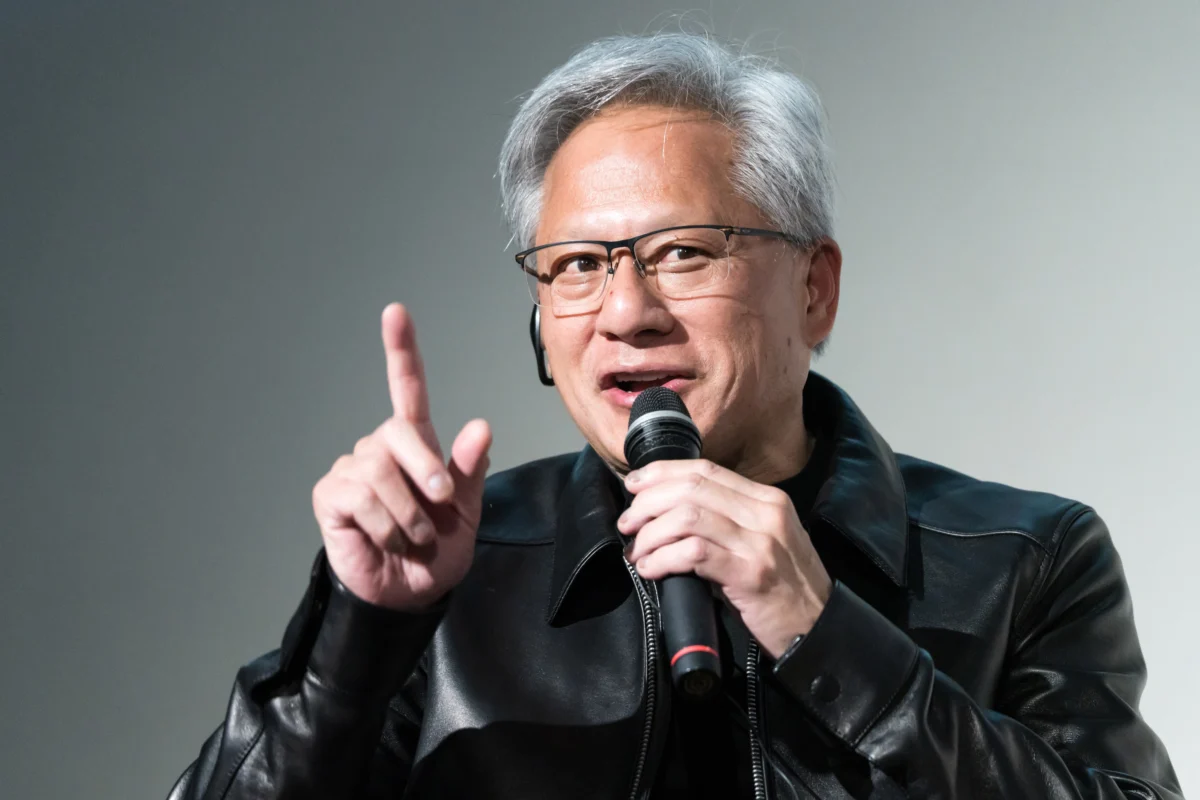
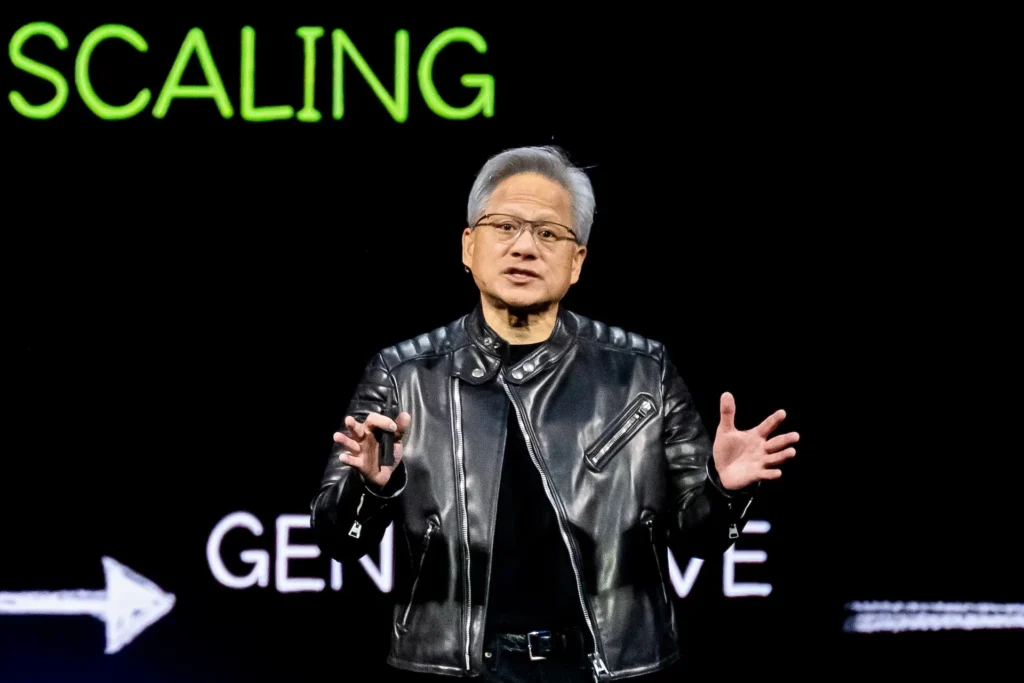
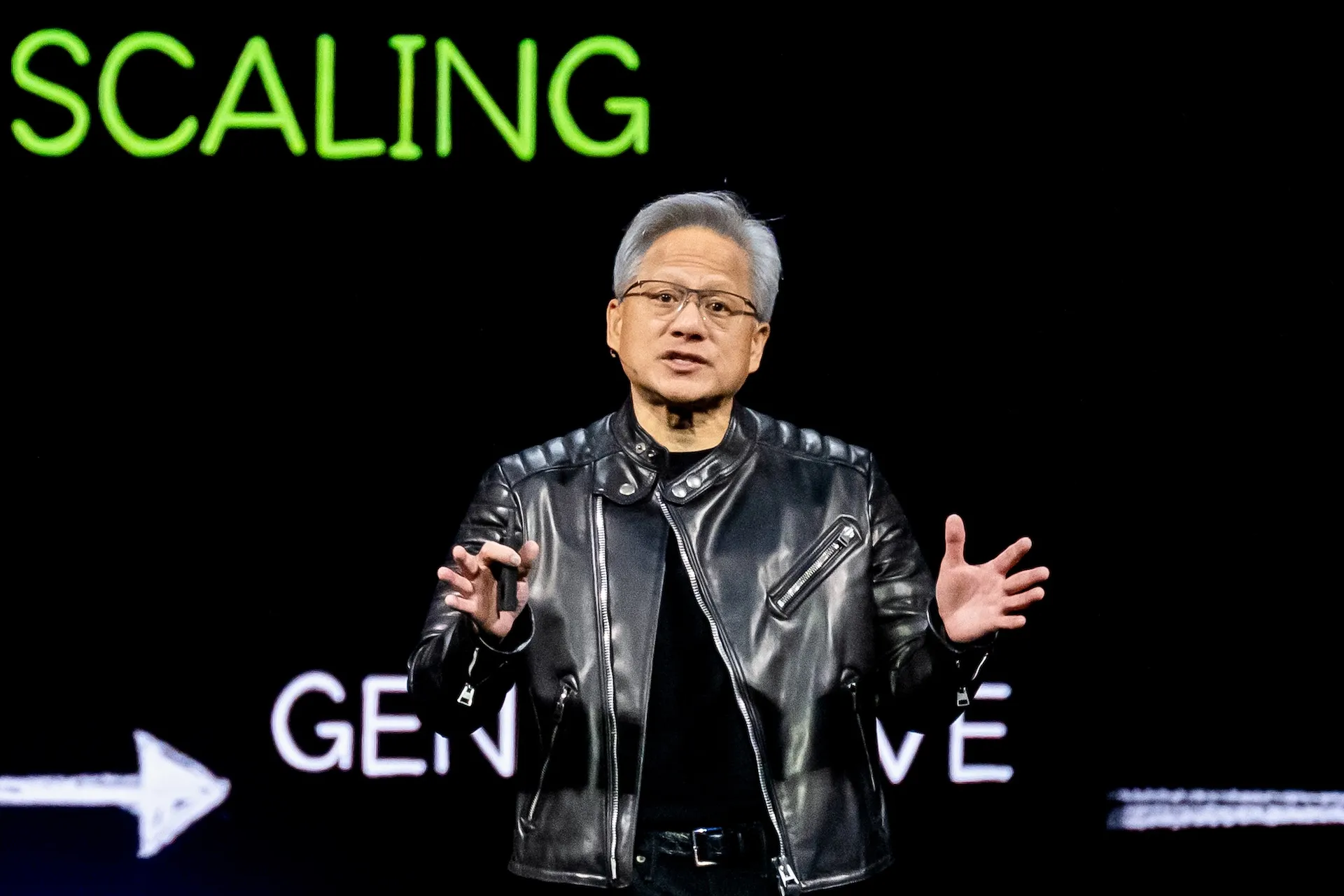
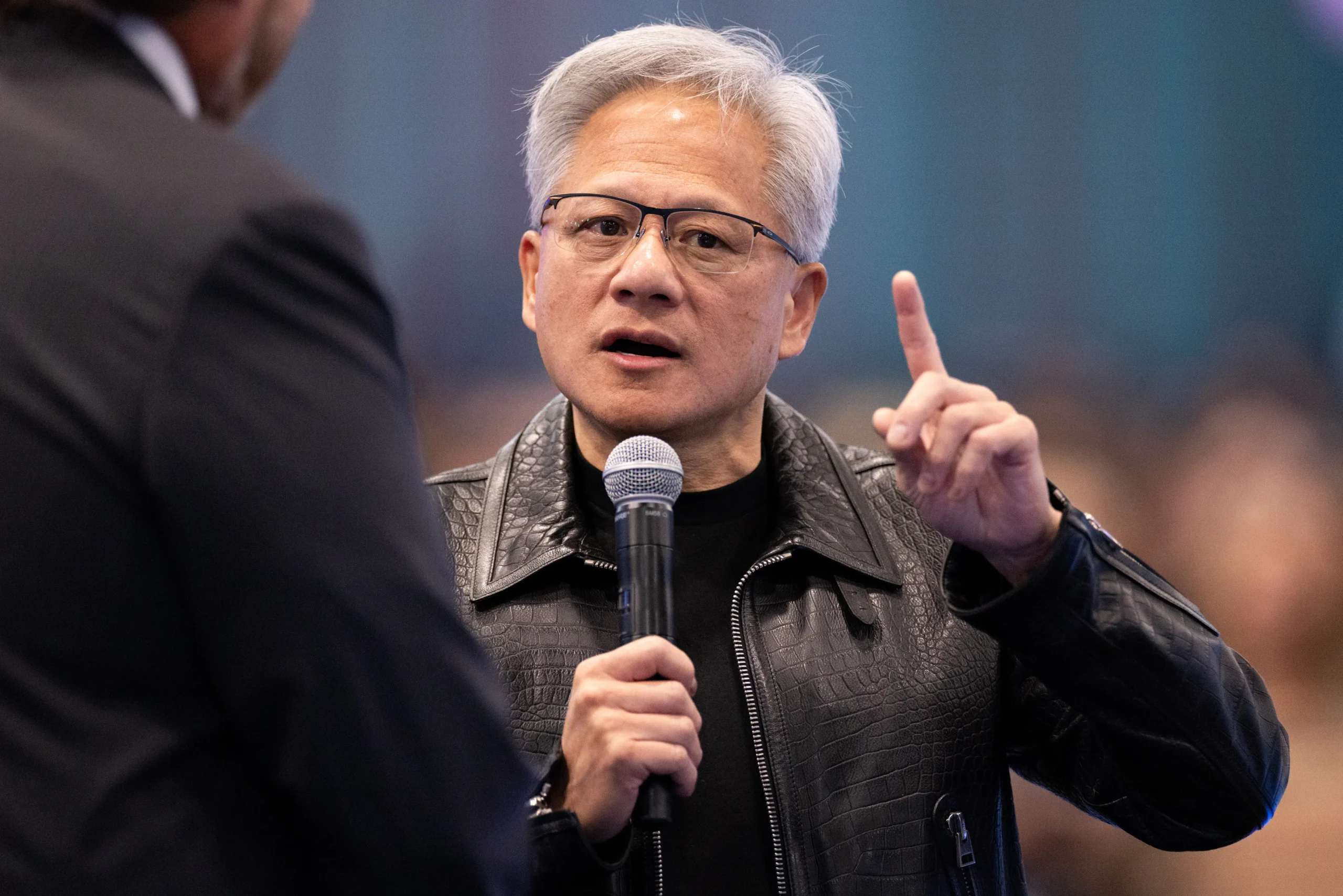
Nvidia founder and long-standing CEO, Jensen Huang, has stepped down from his leadership roles at the technology giant today, Thursday, November 12, 2026, amidst a rapidly escalating scandal involving multiple extramarital affairs. The dramatic resignation follows a fresh report from Reuters, which revealed a previously undisclosed affair between Huang and a second Nvidia employee, further deepening the crisis that has enveloped the company and its charismatic co-founder. This latest revelation compounds the impact of earlier reports concerning Huang’s relationships with alleged Chinese spy Alice Huang and Nvidia’s own Vice President of Health Care, Kimberly Powell. The sudden departure of one of the tech industry’s most influential figures has immediately propelled Chief Financial Officer Colette Kress into the role of interim CEO, with the company yet to name a permanent successor.
The Reuters report, published today, detailed an affair with an employee whose name the news agency has chosen to withhold, citing privacy considerations, though confirming her affiliation with Nvidia. This unearthing of a third significant extramarital relationship adds another layer of complexity to an already tumultuous period for Huang and the company he built into an AI powerhouse. The cumulative effect of these revelations has intensified scrutiny on Huang’s personal conduct, corporate governance within Nvidia, and the potential national security implications arising from his associations. The news has sent shockwaves through the technology sector, particularly given Huang’s iconic status and Nvidia’s critical role in the global artificial intelligence landscape.
Jensen Huang, 63, co-founded Nvidia in 1993 and has served as its CEO since its inception. Under his visionary leadership, Nvidia transformed from a graphics card manufacturer into a dominant force in high-performance computing, artificial intelligence, and accelerated computing. His strategic foresight in pivoting the company towards parallel processing for AI applications positioned Nvidia at the forefront of the current technological revolution, making its GPUs indispensable for everything from data centers to autonomous vehicles. Huang’s charismatic presence, often clad in his signature leather jacket, made him a recognizable and respected figure globally. His abrupt fall from grace is not merely a personal tragedy but a significant event for an industry heavily reliant on Nvidia’s innovation and market leadership. The company’s market capitalization, its influence on technological development, and its extensive network of partnerships mean that any instability at its helm sends ripples across the entire ecosystem.
The initial reports of Huang’s extramarital affairs first surfaced recently, focusing on two distinct relationships that immediately raised concerns. The most alarming was his reported affair with Alice Huang, who has been identified in some reports as an alleged Chinese spy. This particular relationship immediately triggered serious national security alarms, prompting a formal summons for Jensen Huang to testify before the United States Congress. Lawmakers are expected to delve into the nature and duration of this relationship, seeking to understand if any sensitive information, intellectual property, or strategic insights pertaining to Nvidia’s advanced technologies could have been compromised. Given Nvidia’s critical contributions to defense, supercomputing, and AI infrastructure, any perceived vulnerability to foreign intelligence poses a grave threat to national interests. Simultaneously, the revelation of an affair with Kimberly Powell, a high-ranking Vice President of Health Care at Nvidia, brought forth questions regarding internal corporate ethics, potential conflicts of interest, and the integrity of the company’s executive conduct policies. These prior revelations had already placed immense pressure on Huang and Nvidia’s board, setting the stage for the dramatic events of today.
Huang’s resignation as both CEO and a member of Nvidia’s board of directors signifies a decisive, albeit forced, end to his three-decade tenure at the helm. The company moved swiftly to announce Colette Kress, Nvidia’s Chief Financial Officer, as the interim CEO. Kress, who joined Nvidia in 2013, has been a key executive, overseeing the company’s financial operations and playing a crucial role in its growth strategy. Her immediate appointment aims to provide a measure of stability during this turbulent period. However, the designation of "interim" underscores the uncertainty surrounding Nvidia’s long-term leadership. The search for a permanent successor will undoubtedly be a complex process, requiring careful consideration of candidates who can navigate the company through ongoing scandals, maintain its technological edge, and reassure investors and partners about its future trajectory. The leadership vacuum created by Huang’s departure comes at a critical juncture for Nvidia, as it continues to drive innovation in an intensely competitive global technology market.
The national security implications of Jensen Huang’s relationship with Alice Huang remain a paramount concern, driving the congressional summons. The U.S. government’s interest is rooted in Nvidia’s profound strategic importance. The company’s chips and software are fundamental to the development of advanced artificial intelligence, which has dual-use applications in both civilian and military sectors. Any potential compromise of Nvidia’s intellectual property, technological roadmaps, or even strategic partnerships through a relationship with an alleged foreign agent could have far-reaching consequences for national defense, economic competitiveness, and technological supremacy. Congress will likely seek to ascertain if classified or proprietary information was accessed, if there was any undue influence on corporate decisions affecting national security, or if the relationship created vulnerabilities in supply chains or technological exports. The hearings are anticipated to be intense, and it remains unclear how much more information will be uncovered or publicly disclosed as investigations proceed, further adding to the volatile situation.
Beyond the immediate legal and national security concerns, the unfolding scandal raises significant questions about corporate governance and ethical standards within Nvidia and, by extension, the broader technology industry. The conduct of senior executives, particularly the CEO, is paramount to maintaining trust among employees, investors, and the public. The cumulative revelations of multiple affairs, especially one with an alleged foreign spy and another with a subordinate, expose potential weaknesses in Nvidia’s internal oversight mechanisms or its corporate ethics framework. Such situations can lead to a erosion of employee morale, create an uncomfortable work environment, and potentially impact the company’s ability to attract and retain top talent. Investors may also scrutinize the board’s role in monitoring executive behavior and ensuring robust ethical guidelines are in place and enforced. The scandal could prompt a comprehensive review of Nvidia’s corporate policies, disclosure requirements, and mechanisms for addressing conflicts of interest at the highest levels.
The repercussions of Jensen Huang’s ouster are expected to be profound for the entire artificial intelligence industry. Nvidia’s dominance in AI hardware and software is almost unparalleled, with its CUDA platform and GPU accelerators forming the backbone of countless AI research projects, data centers, and innovative applications worldwide. Huang’s vision has been instrumental in shaping this landscape. His sudden departure creates a void that could lead to uncertainty, potentially impacting investor confidence in the AI sector as a whole. Key partnerships, ongoing research initiatives, and future technological roadmaps could face disruptions as the company navigates this leadership transition. While Nvidia possesses a deep bench of talent and a strong technological foundation, the loss of its visionary founder during such a critical period of growth and competition could slow its momentum, creating opportunities for rivals in the burgeoning AI market. The broader economic and technological ripple effects could extend to venture capital funding for AI startups, government investment in AI research, and the pace of technological innovation.
The timeline of these events has been remarkably swift and dramatic. From initial whispers of extramarital affairs to the revelation of a national security concern involving an alleged spy, and now the unearthing of a third affair culminating in Huang’s resignation, the scandal has unfolded with startling rapidity. The public and media scrutiny surrounding these developments has been intense, placing Nvidia under an unprecedented spotlight. The challenge for the company’s new interim leadership will be to restore confidence, address the multitude of ethical and operational questions, and steer the company through a period of immense uncertainty. Jensen Huang’s personal and professional downfall serves as a stark reminder of the complexities inherent in leading a global technology behemoth, where personal conduct can have far-reaching consequences for an entire industry.
Looking ahead, Nvidia faces a challenging path. The immediate priorities for Colette Kress and the board will be to stabilize leadership, reassure stakeholders, and continue executing on the company’s ambitious technological agenda. The upcoming congressional testimony of Jensen Huang will be a pivotal event, potentially uncovering more details that could further shape the narrative and impact Nvidia’s future. The search for a permanent CEO will undoubtedly be a top priority, requiring careful consideration to find a leader capable of upholding Nvidia’s legacy while navigating the complexities of the post-Huang era. The long-term impact on Huang’s otherwise stellar legacy remains to be seen, but his abrupt exit underscores the persistent and growing scrutiny on corporate transparency, accountability, and the ethical conduct of leaders within the powerful and influential tech sector.