 11
11
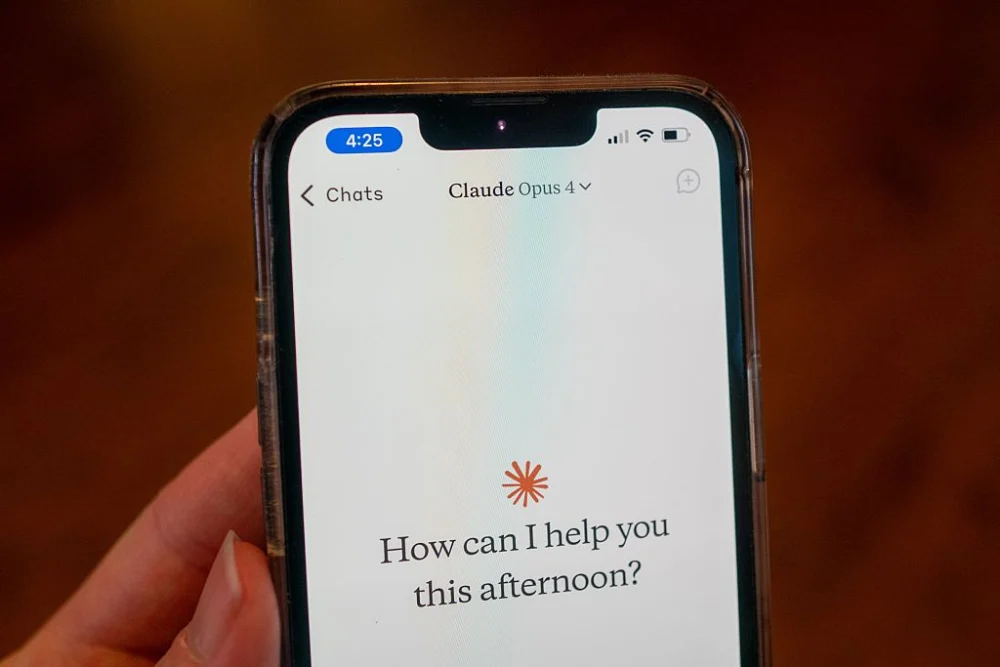
A significant shift is underway in the artificial intelligence landscape as a growing number of users migrate to Claude, the AI model developed by Anthropic. This exodus follows a series of controversies and ethical concerns surrounding ChatGPT and its creator, OpenAI, culminating in a pivotal moment that highlighted contrasting approaches to AI development and deployment. The user migration underscores a broader public demand for AI systems that prioritize ethical considerations, privacy, and responsible use over unfettered technological advancement.
The catalyst for this widespread user movement was Anthropic’s principled refusal to permit the Department of Defense (DoD) to utilize its sophisticated AI models for potentially ethically fraught applications, specifically mass domestic surveillance or the development and deployment of fully autonomous weapons systems. This bold stance by Anthropic, a company founded on a commitment to AI safety and ethics, drew a stark line in the sand regarding the acceptable uses of advanced AI technology. The decision resonated deeply with a public increasingly wary of the implications of AI in sensitive domains.
In a swift and unequivocal response to Anthropic’s refusal, then-President Trump issued an executive order mandating that all federal agencies cease using any products or services provided by Anthropic. This directive, designed to pressure the company, signaled a significant government reaction to a private tech firm’s ethical boundaries. Further escalating the pressure, Defense Secretary Pete Hegseth publicly announced plans to officially designate Anthropic as a "supply-chain threat." Such a designation carries severe implications, potentially restricting the company’s ability to contract with government entities or even indirectly participate in broader supply chains that serve national interests, casting a shadow over its future business prospects within the US government ecosystem. This move, while punitive, also implicitly highlighted the government’s perceived reliance on advanced AI capabilities and its desire for access to cutting-edge technology, regardless of the ethical frameworks of its developers.
Hours after Anthropic’s refusal and the subsequent government backlash, OpenAI, the company behind ChatGPT, announced its own agreement with the Pentagon. This deal, while reportedly including "technical safeguards" designed to mitigate risks, immediately ignited widespread debate across various sectors. Critics and privacy advocates voiced profound concerns over the ethical implications of a major AI developer partnering with military entities, even with purported safeguards in place. The debate centered on the nature and efficacy of these safeguards, the potential for mission creep, and the broader questions of data privacy, algorithmic bias, and human oversight in military applications of AI. The public discourse underscored a growing unease about the blurring lines between civilian AI development and national security applications, with many users perceiving OpenAI’s move as a compromise of ethical principles for strategic advantage or financial gain.
The immediate market response to these events was dramatic and illustrative of shifting public sentiment. Claude, Anthropic’s flagship AI model, experienced a meteoric rise, surging to the top of the free app rankings in Apple’s US App Store. This impressive feat saw Claude displace ChatGPT, a testament to the power of ethical positioning in a competitive tech market. Anthropic reported unprecedented growth metrics in the wake of the controversy: daily signups hit record highs, indicating a massive influx of new users. Free user engagement jumped by more than 60% since January, demonstrating a significant expansion of Claude’s user base. Perhaps most tellingly, paid subscribers more than doubled this year, suggesting that users are not only trying Claude but are also committing to its premium offerings, willing to pay for an AI experience they perceive as more ethically aligned. These figures paint a clear picture of a user base actively seeking alternatives and making choices based on company values and ethical stances.
For many users, the recent controversies have solidified Claude’s position as a compelling and ethically sound alternative to ChatGPT. The perceived divergence in corporate values and commitment to responsible AI development has become a critical factor in user choice. Recognizing this trend, many individuals are now considering or actively making the switch. For those contemplating this transition, the process of migrating digital memories and severing ties with their former AI assistant is a practical necessity. The following guide outlines the steps for transferring valuable data from ChatGPT to Claude and, for those seeking a complete break, how to close a ChatGPT account.
How to Export Your Data from ChatGPT
Breaking up with an AI assistant like ChatGPT does not necessitate losing years of digital memory and interaction history. Instead of facing the daunting prospect of starting from scratch with a new AI, users can transfer their accumulated data to Claude. This allows the new AI assistant to quickly acclimate to individual preferences, frequently discussed topics, and custom instructions, ensuring a more personalized and efficient experience from the outset. Data portability is key to a smooth transition and retaining the value of past interactions.
There are several methods available for exporting data from ChatGPT, catering to different levels of detail and user preference. One effective starting point is through the platform’s settings. Navigate to the "Settings" menu, then proceed to "Personalization," and locate the "Memory" section. Within this area, users will find an option to "Manage" their stored information. This section typically contains a curated collection of facts, preferences, and recurring themes that ChatGPT has learned about the user over time. Users are encouraged to review this stored information meticulously, updating or refining any details that no longer accurately reflect their current preferences or circumstances. Once the memory data is current and accurate, users can selectively copy the content they wish to preserve and transfer to Claude. This method is ideal for capturing the AI’s understanding of one’s persona and specific requirements.
Alternatively, for a more comprehensive data transfer, ChatGPT provides an option to export an entire chat history. This can be accessed by heading to "Settings," selecting "Data Controls," and then choosing "Export Data." Upon initiation, ChatGPT will compile all chat records into downloadable files, typically offered in either plain text or JSON (JavaScript Object Notation) formats. These files are then securely emailed to the user. The JSON format is particularly useful for programmatic processing or for importing into other applications that can parse structured data, while plain text offers universal readability. It is important for users to be aware that the compilation and delivery of these files may take a significant amount of time, especially if they have an extensive chat history with the AI, spanning numerous conversations and extended periods of use. Patience is advised for this process.

For users who prefer a more targeted or manual approach, copying key conversations directly from their chat history remains a viable option. This allows for the selection of particularly important or representative interactions. Additionally, users can leverage ChatGPT itself to aid in the data transfer process. By prompting ChatGPT to summarize main preferences, frequently discussed topics, or any custom instructions that have been provided, users can obtain a concise and organized overview of their interaction patterns and specific requirements. For example, a user might prompt, "Summarize my primary interests and how I typically use you," or "List all the custom instructions I’ve given you for writing tasks." This method can be particularly efficient for distilling vast amounts of data into actionable insights for the new AI.
Import Your Data into Claude
Once the necessary data has been gathered and exported from ChatGPT, transferring it to Claude is a relatively straightforward process, designed to integrate the user’s historical context seamlessly.
To begin, open Claude and navigate to the "Settings" menu. From there, select "Capabilities" and ensure that the "Memory" feature is activated. This "Memory" function in Claude is crucial for personalized interactions, allowing the AI to retain and recall information about the user across different sessions. It is important to note that enabling this advanced memory feature typically requires a subscription to one of Claude’s premium plans, specifically the Pro, Max, Team, or Enterprise plans. Free users may need to upgrade their subscription to fully utilize this data import capability.
With the Memory feature enabled, users can initiate a new conversation with Claude. To effectively transfer the copied or summarized data, a clear prompt should be used to instruct Claude to update its internal memory. A suitable prompt might be: "Here’s some important context I’d like you to remember. Update your memory about me with this." Following this prompt, users can then paste their previously copied information, summaries, or specific preferences directly into the chat interface. Claude will then process this input and integrate it into its understanding of the user.
For users who have exported their entire chat history from ChatGPT into text or JSON files, it is generally not advisable to paste raw, unformatted logs directly into Claude. Raw chat transcripts can be verbose and difficult for an AI to parse efficiently for key preferences. Instead, a more effective approach is to first summarize these exported files. Users should prompt Claude with something like: "Review this [pasted summarized content from exported files] and summarize my key preferences." This directs Claude to extract the most relevant information and integrate it into its memory in a structured and useful manner.
After the data has been imported, it is highly recommended to take a moment to verify with Claude that the information has been saved accurately and is being correctly utilized. Users can ask Claude questions related to the imported data, such as, "What do you remember about my preferred writing style?" or "Can you recall my main professional interests?" This verification step ensures that the data transfer has been successful and that Claude is properly equipped to serve the user’s needs. Furthermore, users can always update or refine their preferences within Claude’s memory as their needs evolve or change over time, ensuring the AI remains highly personalized and relevant.
Permanently Delete Your ChatGPT Account
For users committed to making a complete and final break from ChatGPT, merely canceling a subscription is not sufficient to remove all personal data associated with the account. To ensure a thorough and permanent deletion of one’s digital footprint on the platform, a specific account deletion process must be followed. While the detailed steps for permanently deleting a ChatGPT account were intended to be included here, they were unfortunately not provided within the source content. Users seeking to permanently delete their ChatGPT account should consult OpenAI’s official support documentation or their account settings for the most up-to-date and accurate instructions on data removal and account closure. This process typically involves navigating through account settings, confirming the deletion, and acknowledging the irreversible nature of the action, which usually results in the permanent loss of all associated data, including chat history and personal preferences.
The recent events underscore a pivotal moment in the AI industry, where ethical considerations and corporate accountability are increasingly influencing user choice and market dynamics. As AI technologies become more integrated into daily life, the public’s demand for transparency, responsible development, and robust privacy safeguards will only intensify, shaping the future competitive landscape of artificial intelligence.
Lauren Forristal, who covers media, streaming, apps, and platforms at TechCrunch, provided the original reporting that forms the basis of this news. She can be contacted or verified via email at [email protected] or through encrypted message at laurenforris22.25 on Signal. These evolving discussions around AI ethics and innovation are also a key focus at industry events such as the TechCrunch event scheduled for October 13-15, 2026, in San Francisco, CA, where leaders and innovators converge to discuss the future of technology.