 11
11
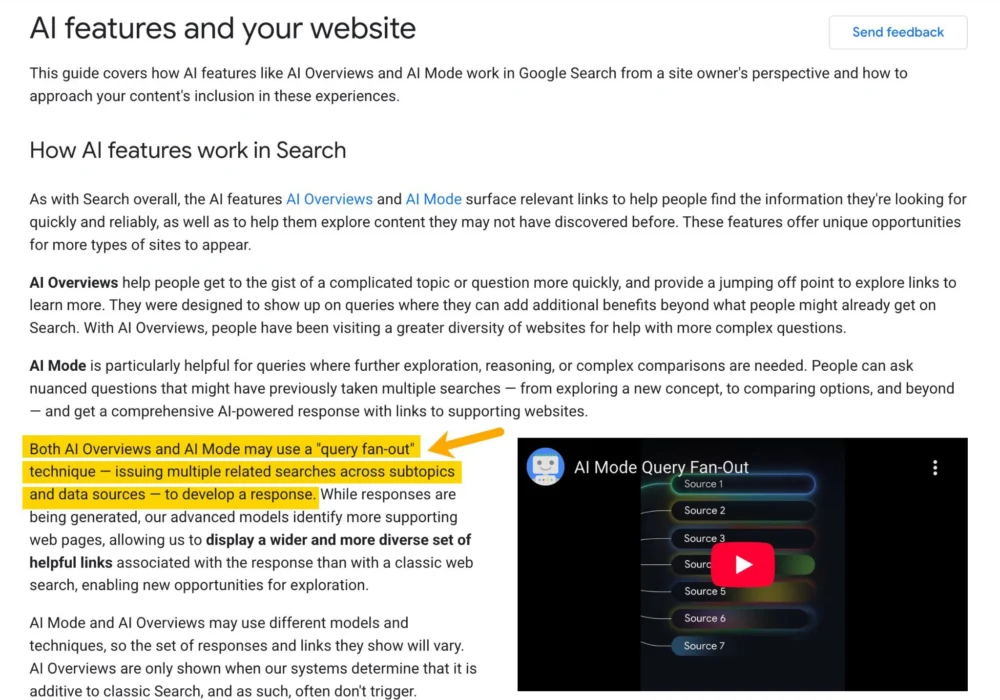
A comprehensive new analysis by Ahrefs has unveiled a significant shift in how Google’s AI Overviews select and cite web pages, indicating that traditional top-ranking positions are no longer the primary driver for inclusion. The study, which examined 863,000 keyword SERPs and a substantial 4 million AI Overview URLs, suggests a growing reliance on "query fan-out" – a process where initial search queries are broken down into related sub-queries.
The research builds upon Ahrefs’ previous analysis conducted last year, which looked at 1.9 million citations. However, the AI landscape has evolved rapidly, particularly with AI Overviews now being powered by Gemini 3 as of January 2026, enabling them to better address long-tail queries. Ahrefs has also refined its data parsing methodology, allowing for a more comprehensive capture of citations within AI Overviews.
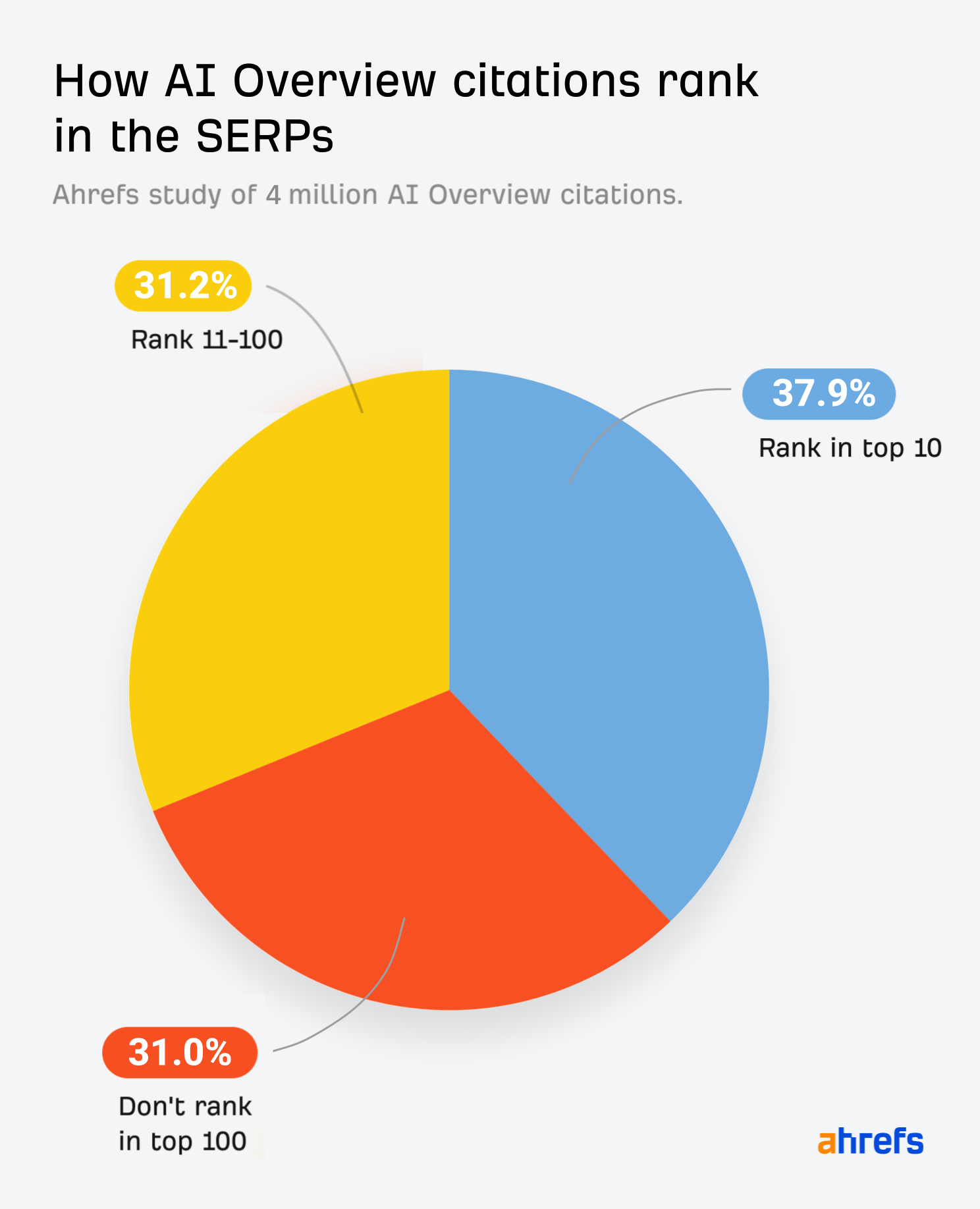
One of the most striking findings is that only 38% of pages cited in AI Overviews also rank within the top 10 organic results for the same query. This represents a substantial decrease from the previous study, where approximately 76% of cited pages appeared within the top search results in July 2025.
The analysis categorized cited URLs based on their ranking positions. In the first test, which included all returning results on a page (Ads, Featured Snippets, PAA boxes, Video Packs, and Organic Listings), 37.9% of URLs cited in AI Overviews appeared within the first 10 "blocks" of the SERP. The remaining cited URLs were almost evenly split between positions 11-100 (31.2%) and beyond the top 100 (31.0%).
A second test, focusing exclusively on standard organic blue links and excluding other SERP features, yielded similar results. 37.1% of cited URLs ranked in the top 10, 26.2% ranked between 11 and 100, and 36.7% did not rank in the top 100. The slight increase in pages ranked outside the top 100 in this test suggests that AI Overviews may sometimes cite pages that appear in SERP features but not in the primary organic listings.
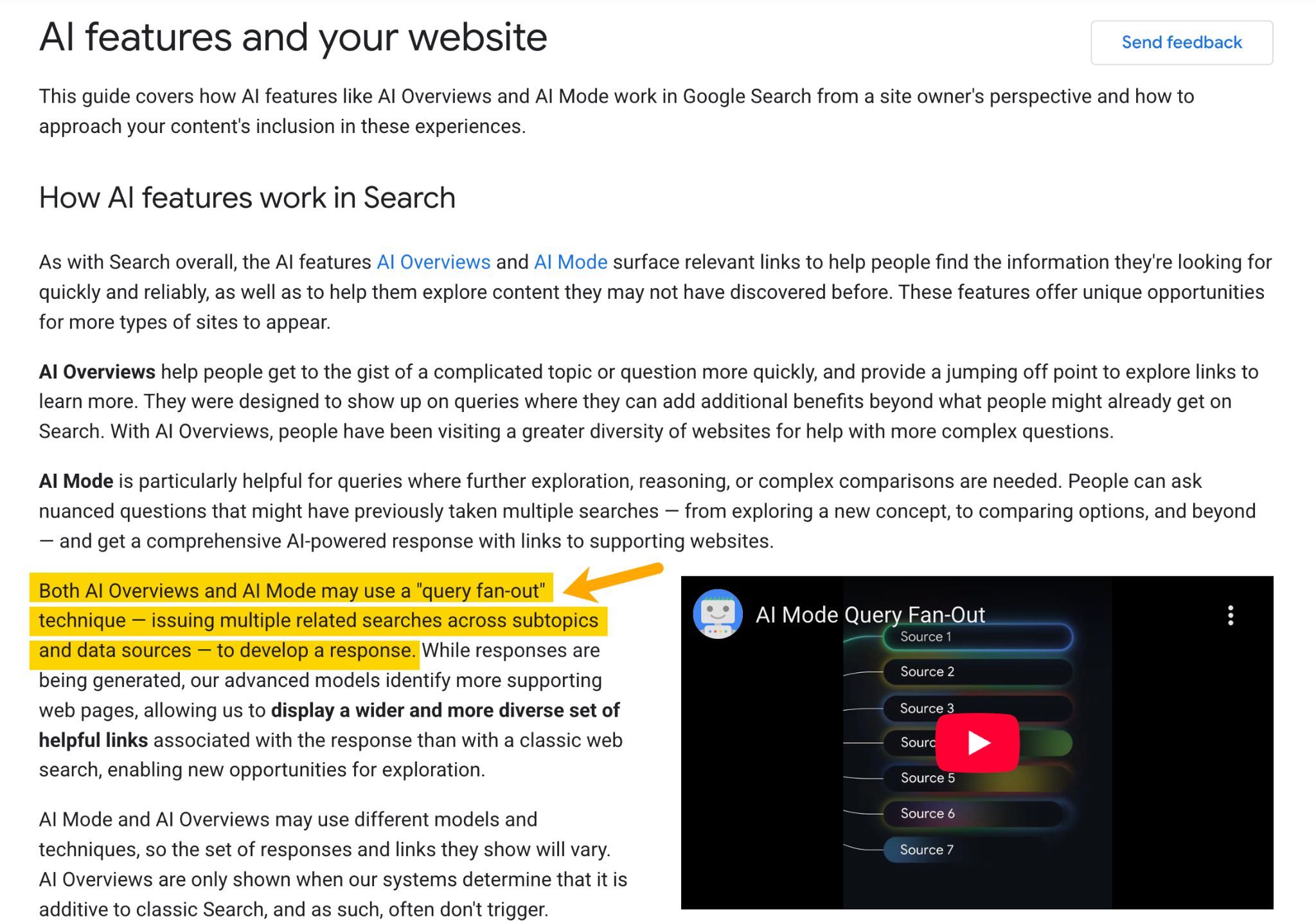
These findings strongly indicate that Google’s AI Overviews are increasingly drawing from sources beyond the immediate top-ranking pages for a specific query. This shift is attributed to the "query fan-out" process, a mechanism confirmed by Google. When an AI Overview is triggered, the initial query is expanded into multiple related sub-queries. The pages that frequently appear across these sub-query SERPs are then selected for citation. The enhanced capabilities of Gemini 3 may be contributing to a more aggressive or broader expansion of queries, pulling information from related search results where fewer pages might rank for the original query.
Beyond traditional web pages, the study highlighted the significant role of YouTube in AI Overview citations. Notably, 18.2% of cited pages that did not rank in Google’s top 100 results for a given keyword were YouTube URLs. These YouTube URLs constituted 5.6% of all AI Overview URLs cited in the dataset, demonstrating their substantial contribution to AI-generated content, even when not ranking directly for the primary search term.
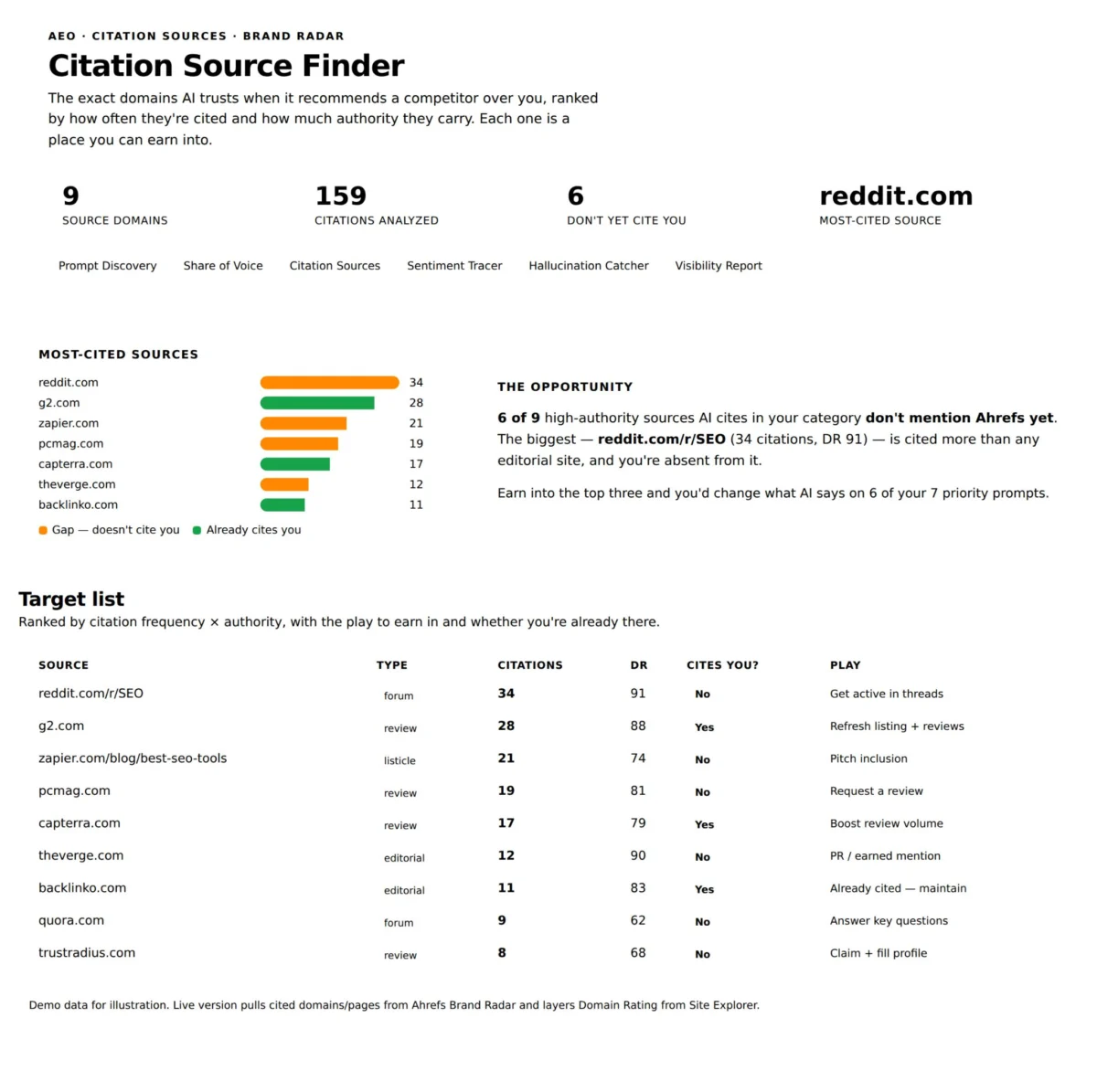
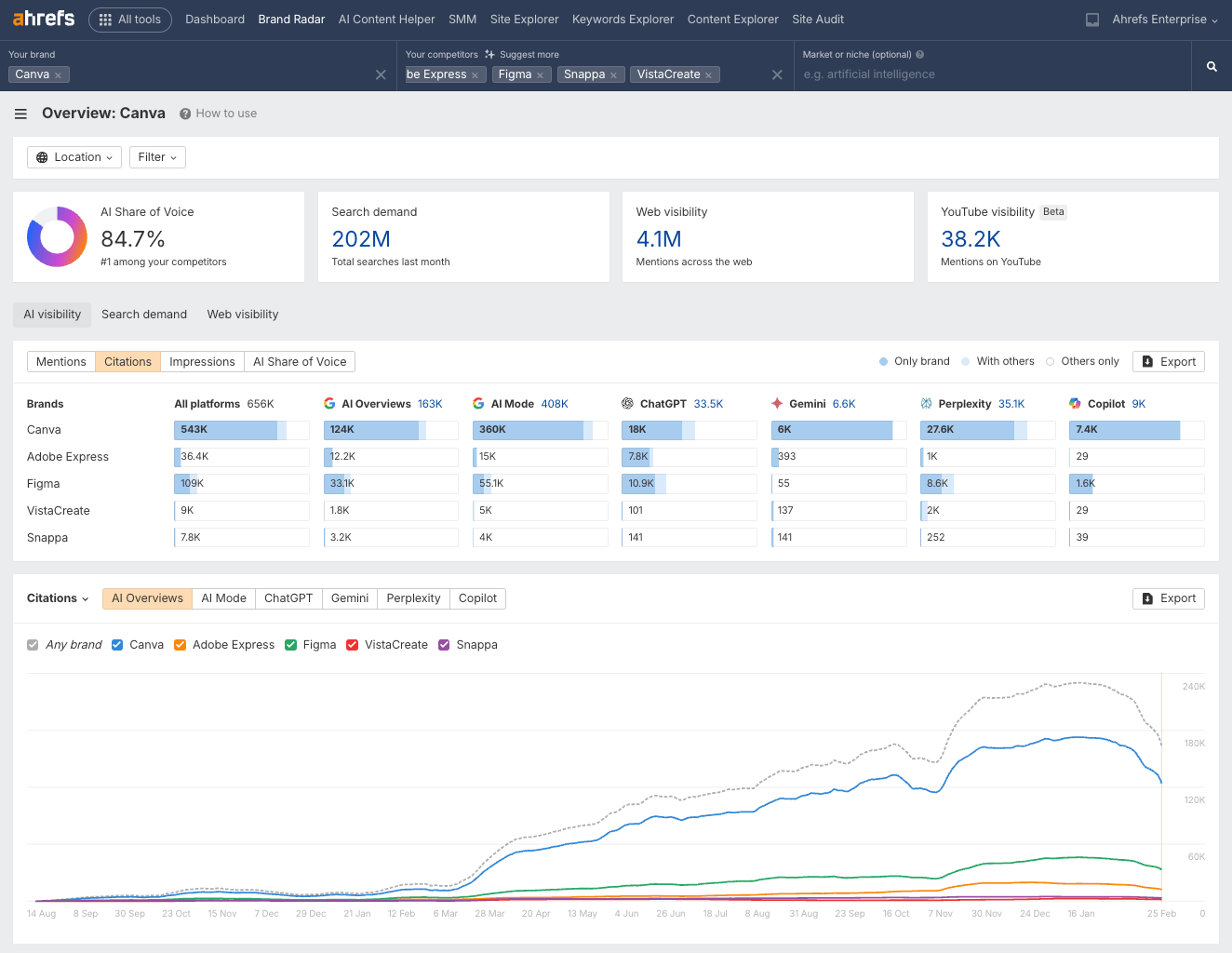
Ahrefs’ Brand Radar data corroborates YouTube’s prominence, identifying it as the most cited domain in AI Overviews, with a 34% growth in citations over the past six months. Further research by Ahrefs, analyzing 75,000 brands, found that mentions on YouTube – including video titles, transcripts, and descriptions – are the strongest correlating factor with AI Overview visibility. This underscores the importance of incorporating YouTube into an AI search strategy.
The implications for SEO professionals are clear: optimizing solely for keywords that directly match user queries may no longer be sufficient for AI Overview visibility. Instead, there’s a growing emphasis on optimizing content for "fan-out queries" and understanding the broader thematic and intent angles that AI considers.
While Google does not publicly disclose the specific fan-out queries it generates, and AI Overviews are probabilistic and can change with each query, there are strategies to replicate this process. These include:
In essence, the shift in AI Overview citations signals a move from merely "ranking well" to "being selected as a source." This distinction is crucial, as a high ranking does not automatically guarantee inclusion in AI-generated summaries. Understanding the patterns and sources that AI models trust is becoming paramount for achieving visibility in this evolving search landscape. The study concludes that by studying personal data patterns and adapting content strategies to cover topics comprehensively from multiple angles, businesses can better position themselves to earn more citations in AI Overviews.