 11
11
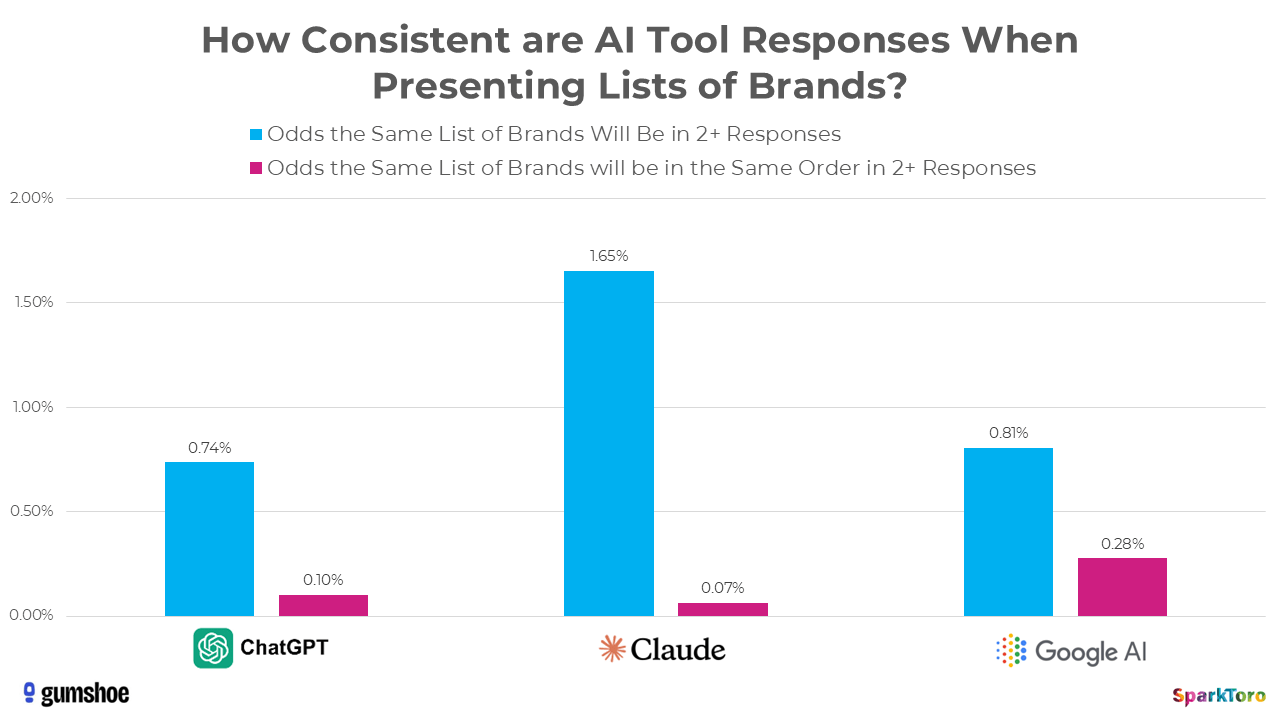
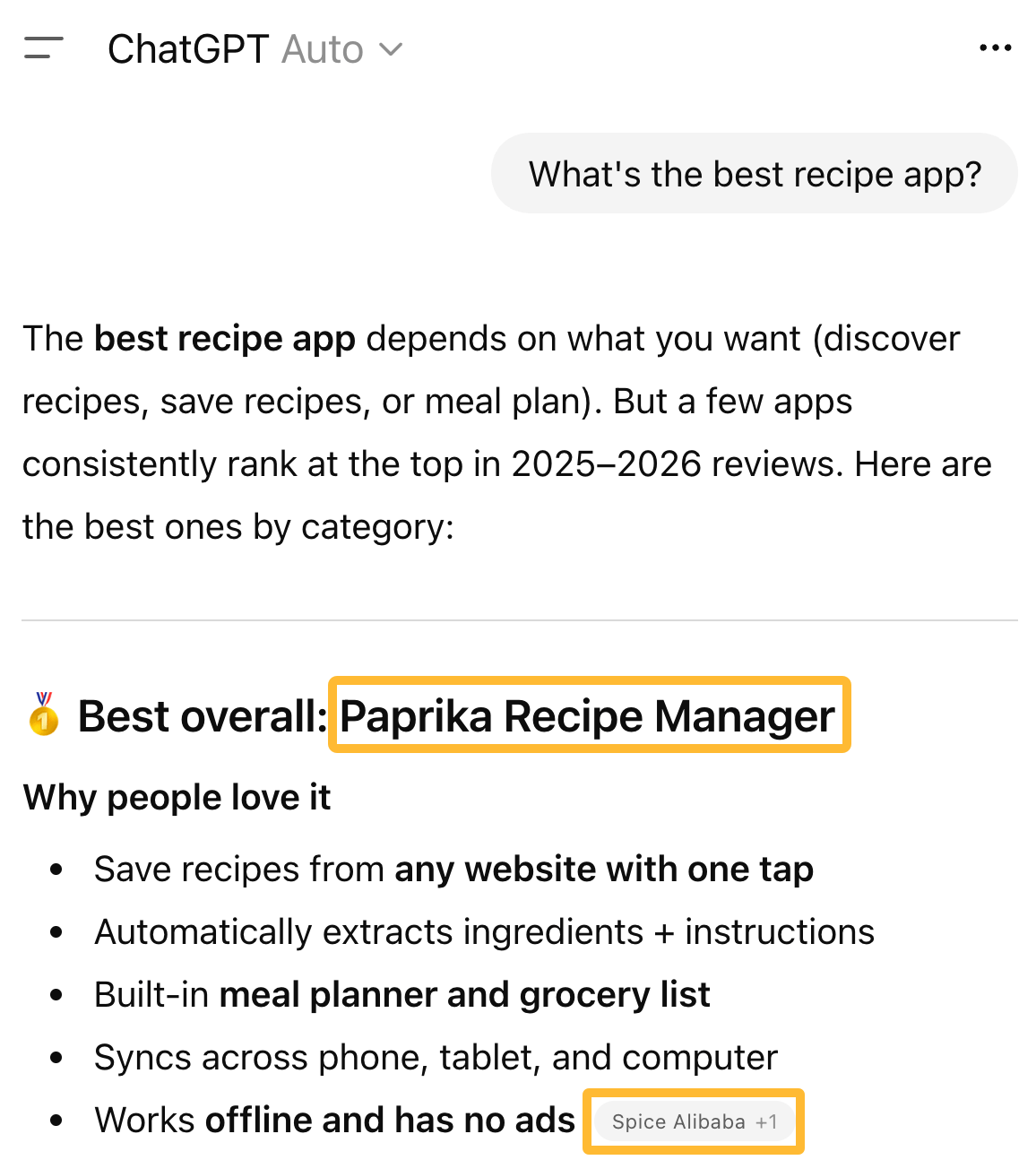
In an era where consumers increasingly turn to AI chatbots like ChatGPT for product recommendations and answers to their queries, brands that fail to appear in these AI-generated responses risk becoming invisible. Unlike traditional search engines, ChatGPT doesn’t operate on a fixed ranking system. Its responses are probabilistic, meaning the appearance of brands can fluctuate significantly from one query to the next. New research from SparkToro highlights this inconsistency, revealing less than a 1 in 100 chance that ChatGPT will provide the same list of brands in two separate responses to the same query. This makes traditional SEO strategies insufficient for achieving visibility within AI conversations.
However, brands can focus on increasing their overall mention frequency in AI responses and ensure their web pages are cited. A comprehensive analysis of 75,000 brands, combined with a review of third-party studies, has identified key factors influencing brand mentions in ChatGPT.
Optimizing YouTube Presence for AI Visibility
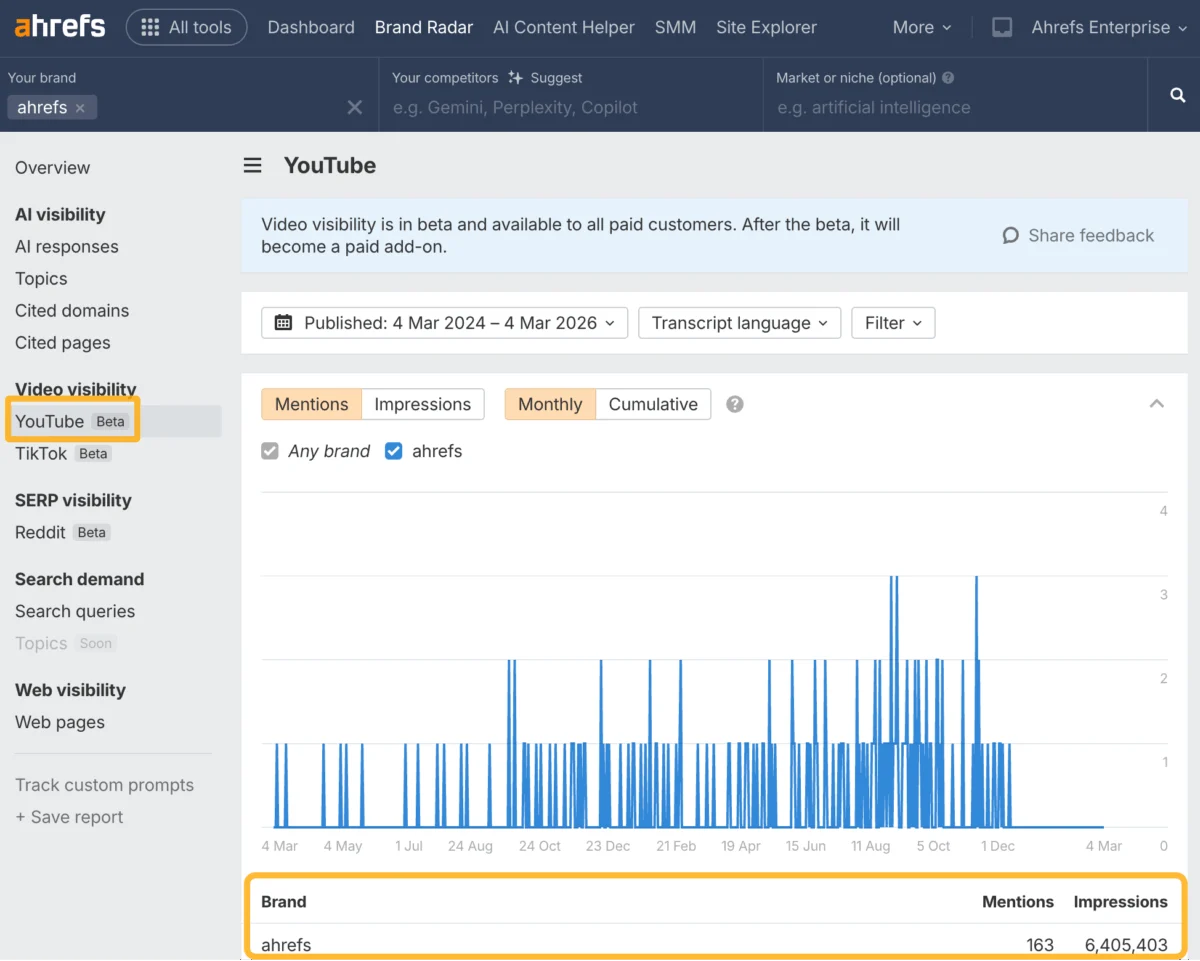
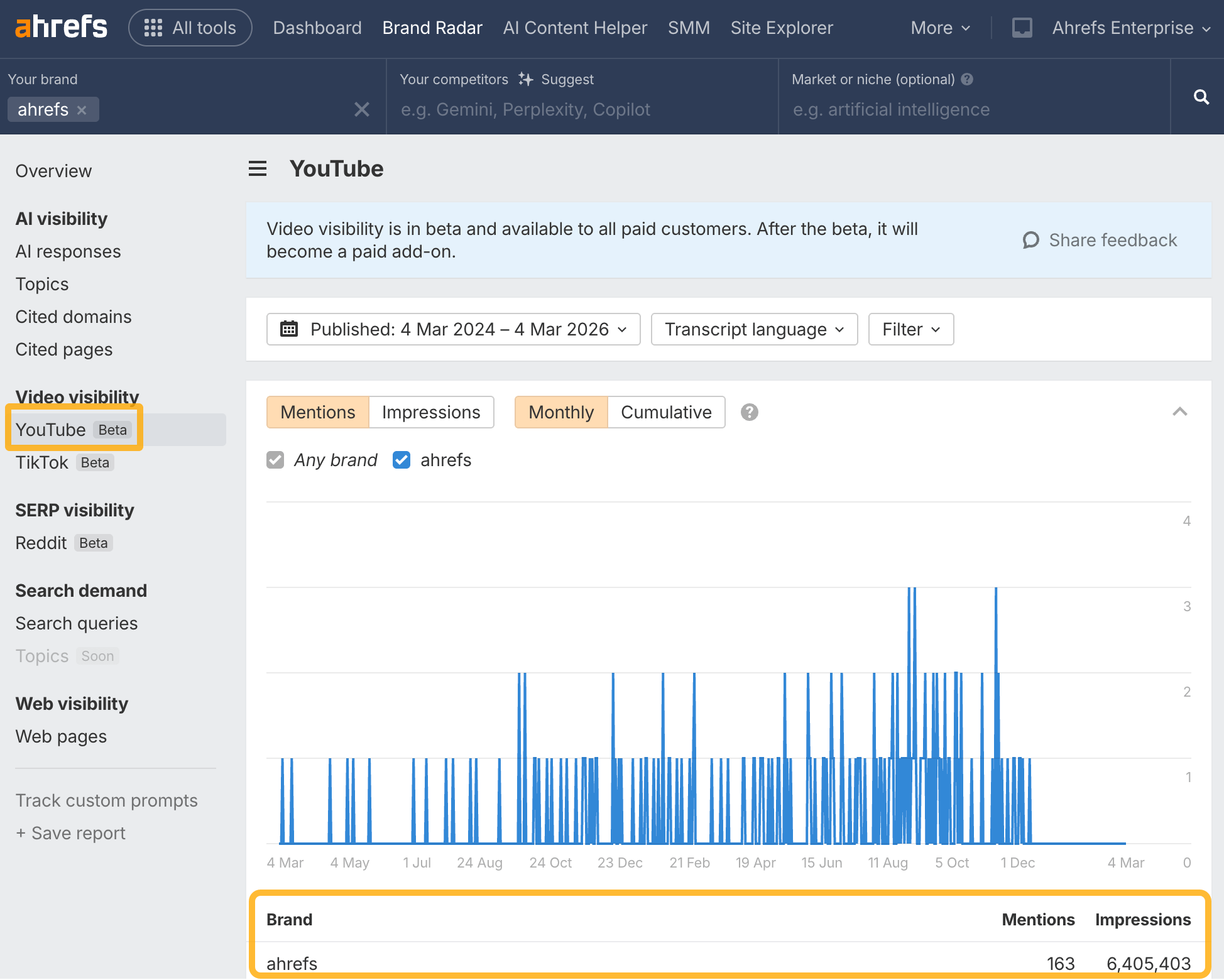
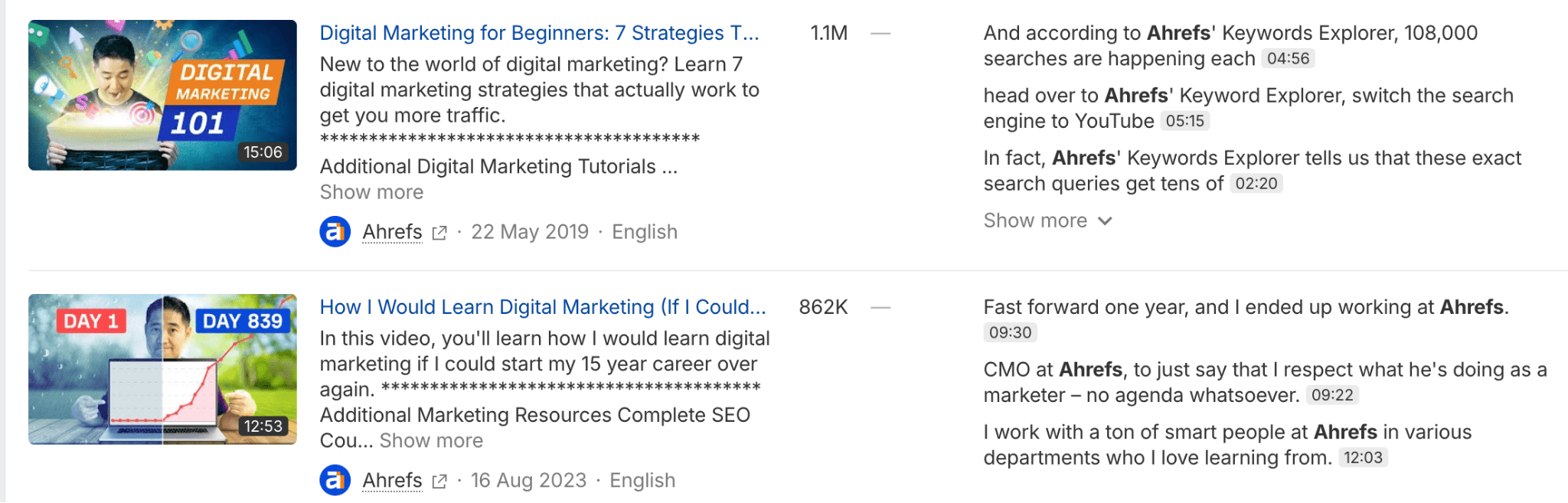
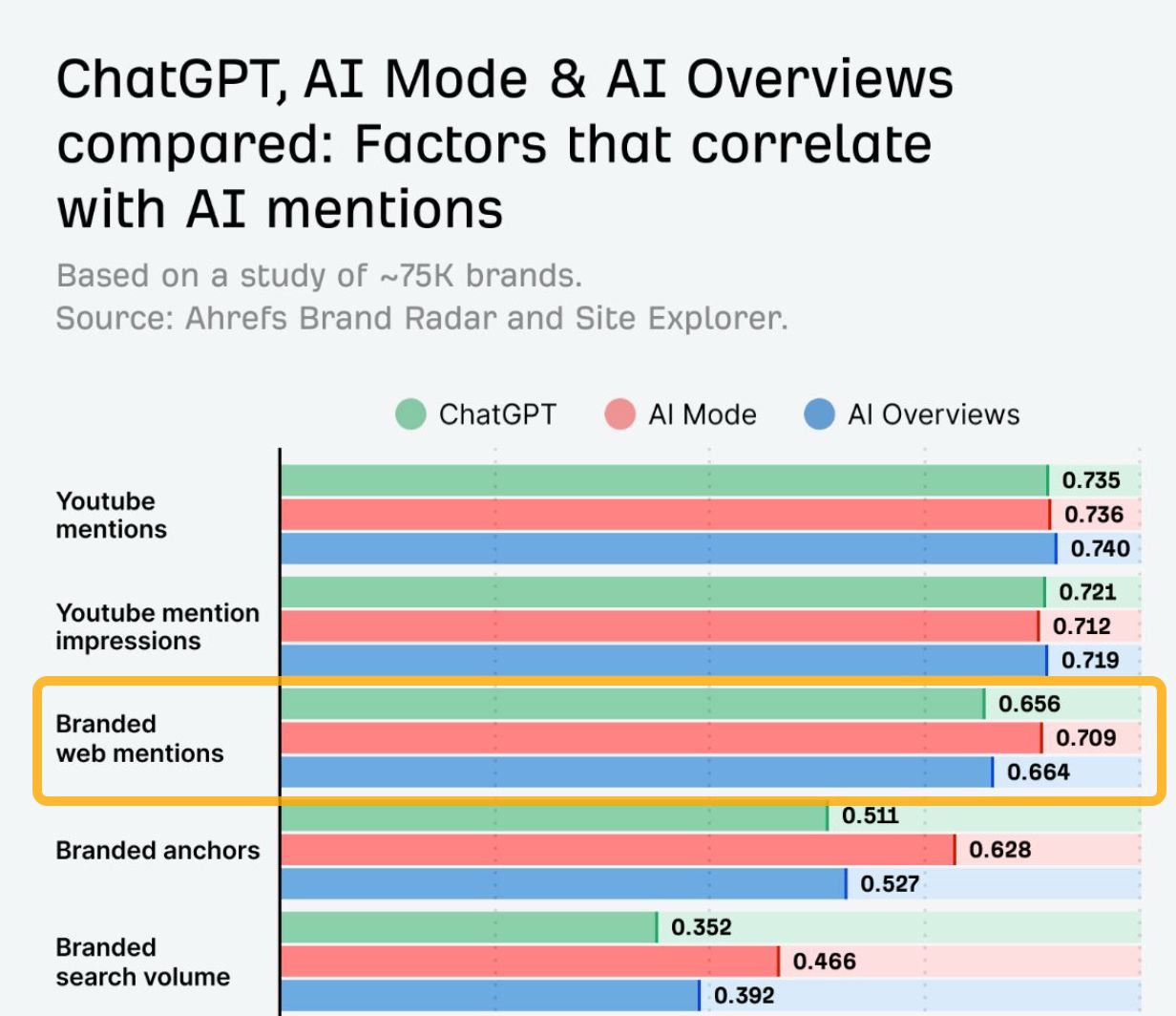
The strongest correlation with ChatGPT visibility emerges from YouTube mentions and mention impressions. This suggests that optimizing a brand’s presence on YouTube is paramount. YouTube serves as a critical training data source for large language models (LLMs). Reports indicate that models like OpenAI’s GPT-4 were trained on vast amounts of YouTube transcriptions, meaning mentions within videos become part of the AI’s knowledge base. Furthermore, LLMs often prioritize retrieving video content when a prompt calls for it, making YouTube a preferred source over other websites.
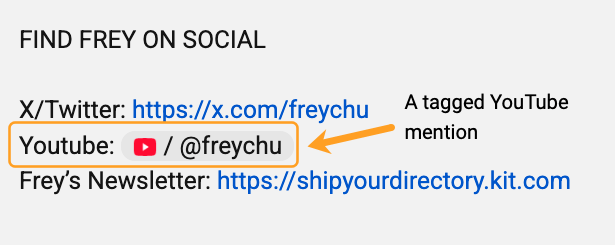
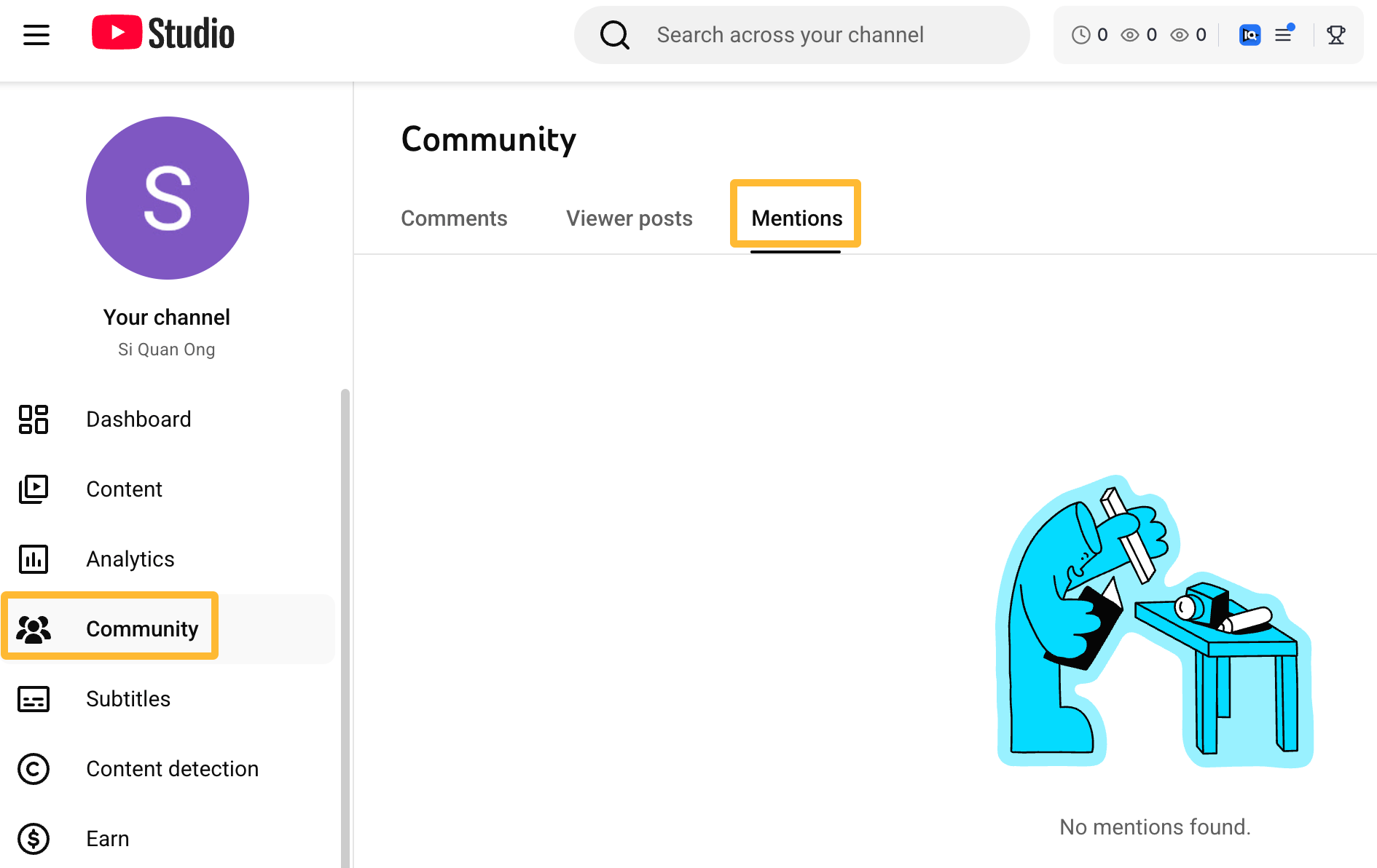
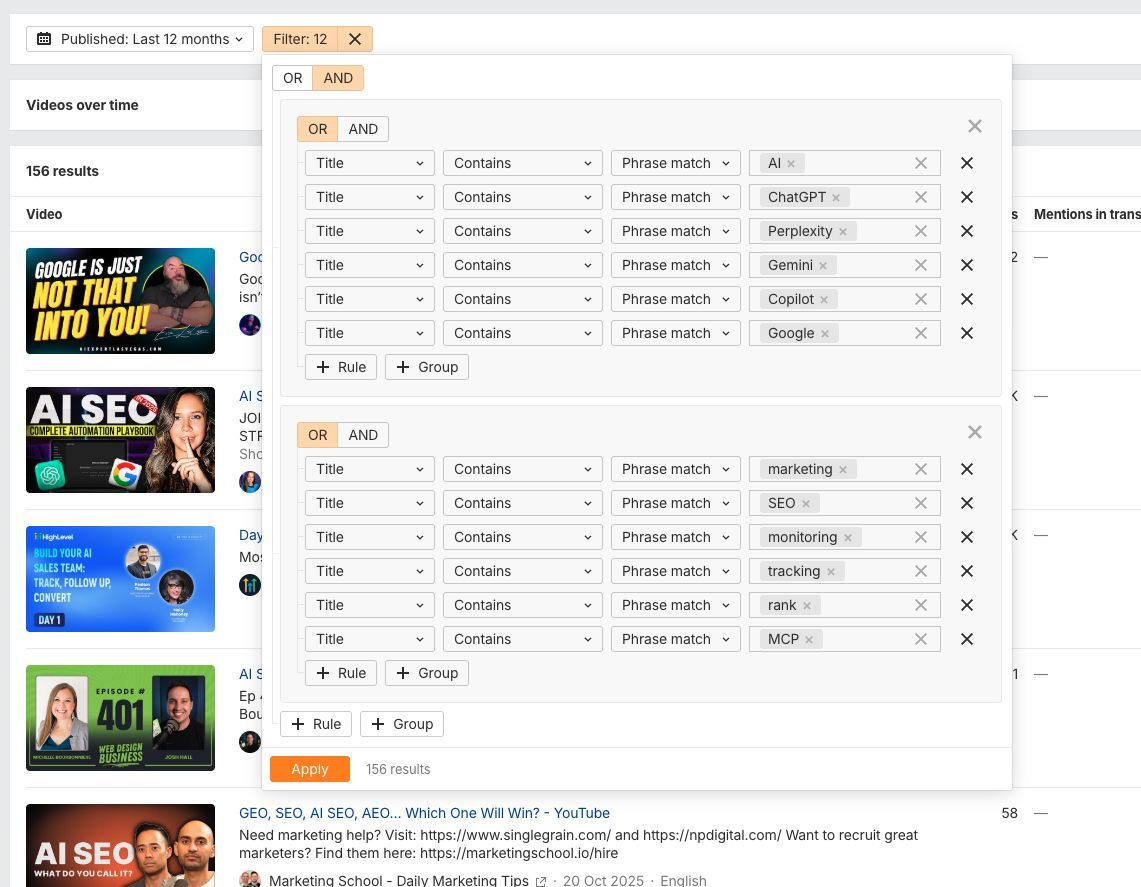
A YouTube mention is defined as any instance where a brand’s name appears in a channel name, video title, description, transcript, or link. Brands can track tagged mentions within YouTube Studio’s Community tab. For untagged mentions, specialized tools like Ahrefs’ Brand Radar are necessary.
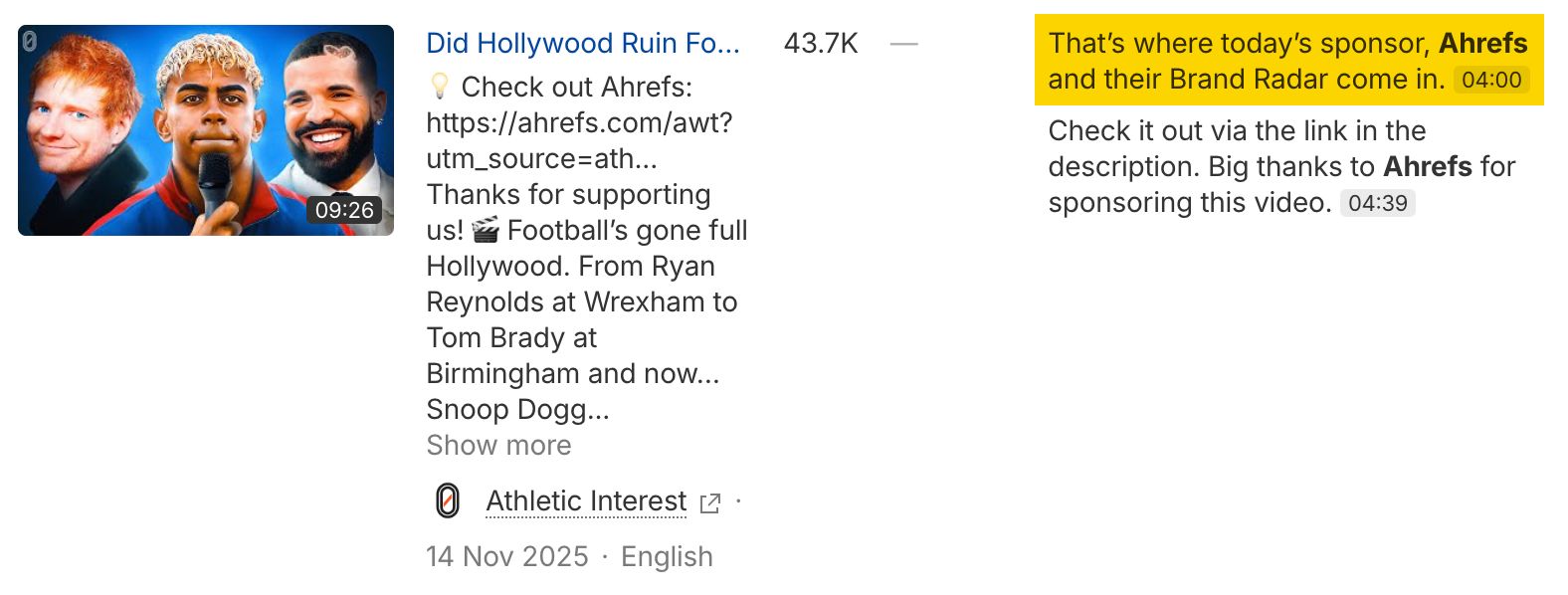
To increase YouTube mentions, brands should actively publish content on their own channels. Additionally, collaborating with YouTube creators through sponsorships can drive mentions. Tools like Brand Radar can help identify relevant creators in specific niches, such as the AI marketing space, for potential partnerships. Sponsorships can take various forms, including free product access for reviews, pre-roll or mid-roll ad placements, or guest appearances.
Expanding Brand Mentions Across the Web
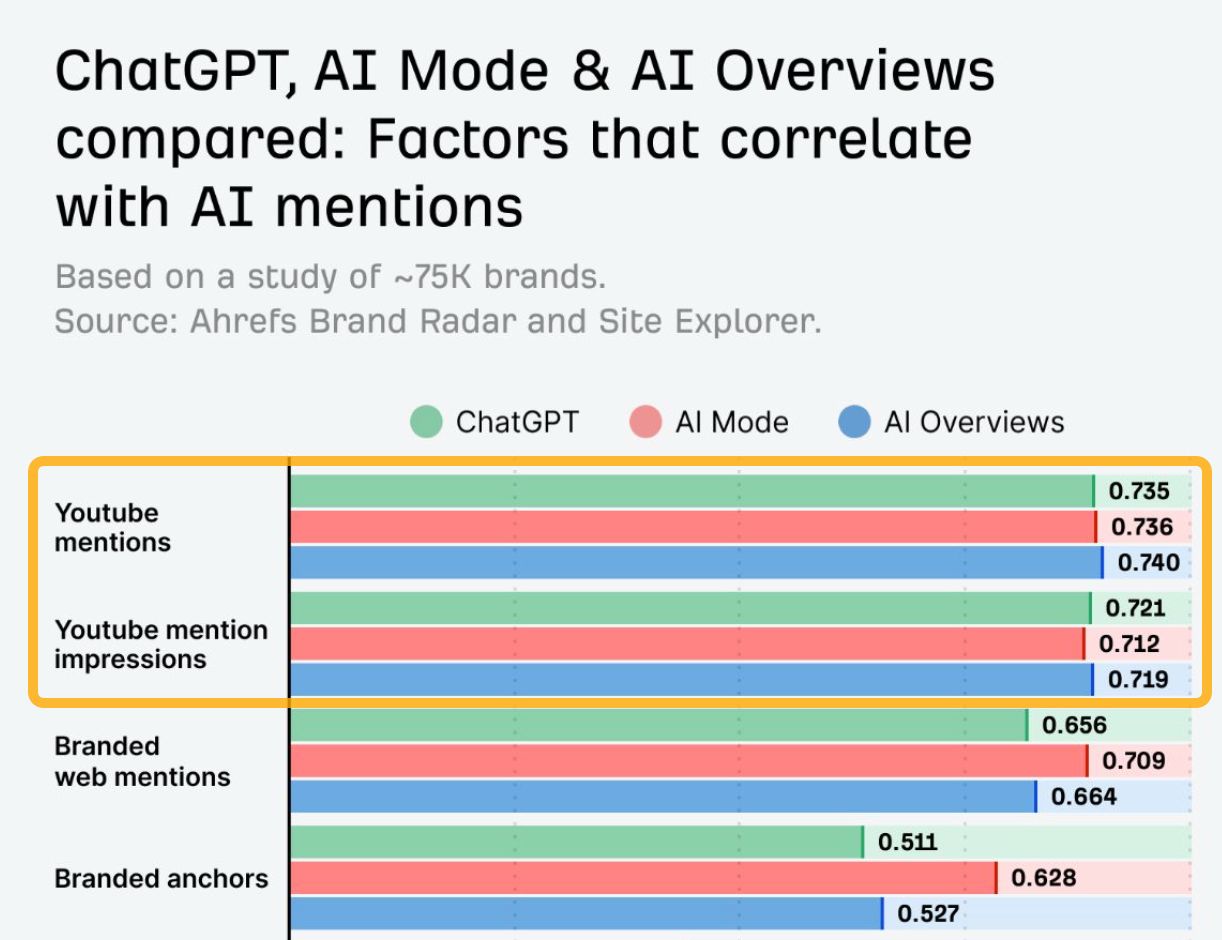
Beyond YouTube, branded web mentions demonstrate the second-highest correlation with ChatGPT visibility. This refers to any instance where a brand name appears online, with or without a hyperlink. The underlying principle is that LLMs are trained on consensus. When multiple authoritative sources consistently highlight a brand as a solution to a problem, the AI learns to reflect this consensus.
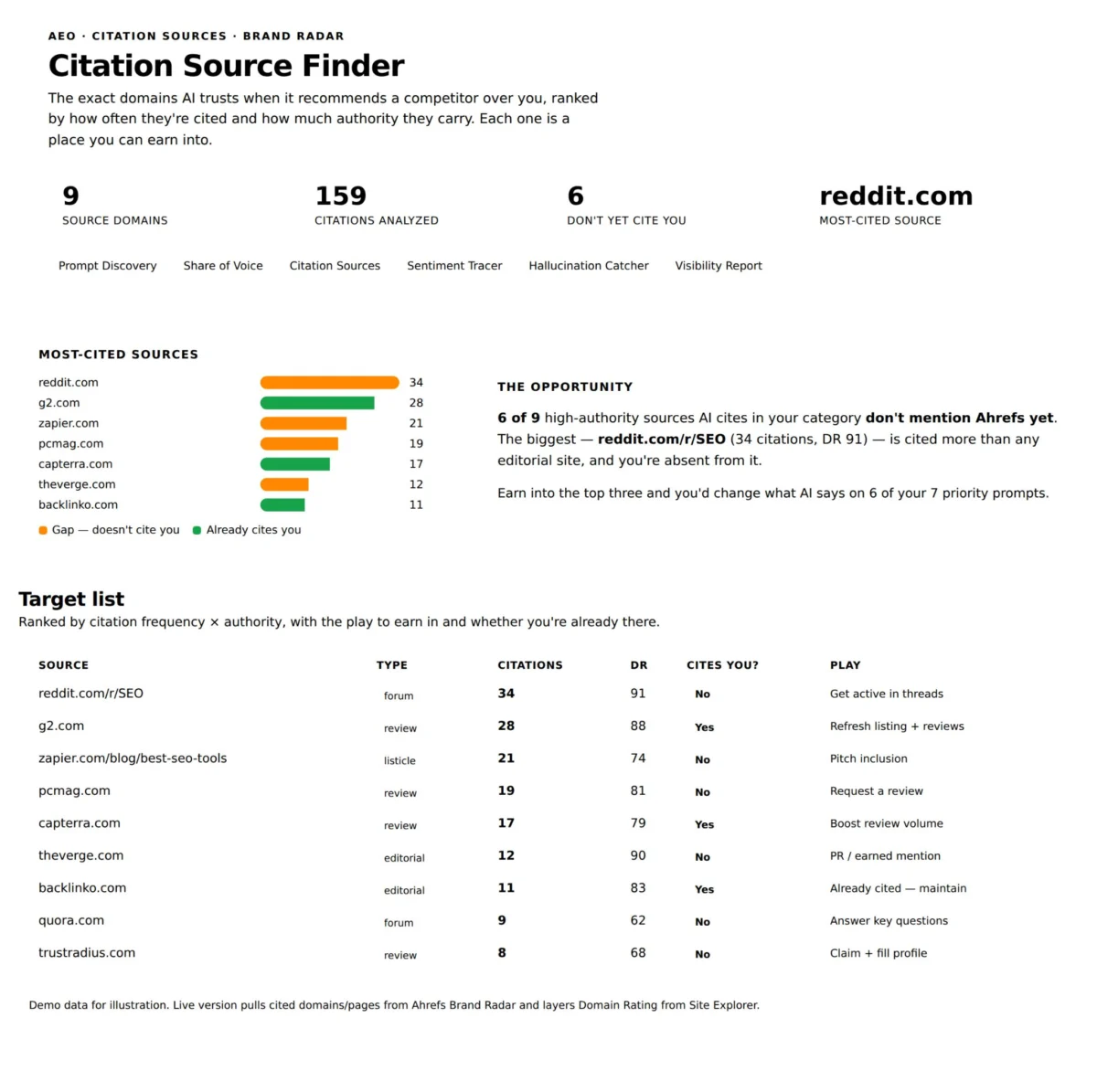
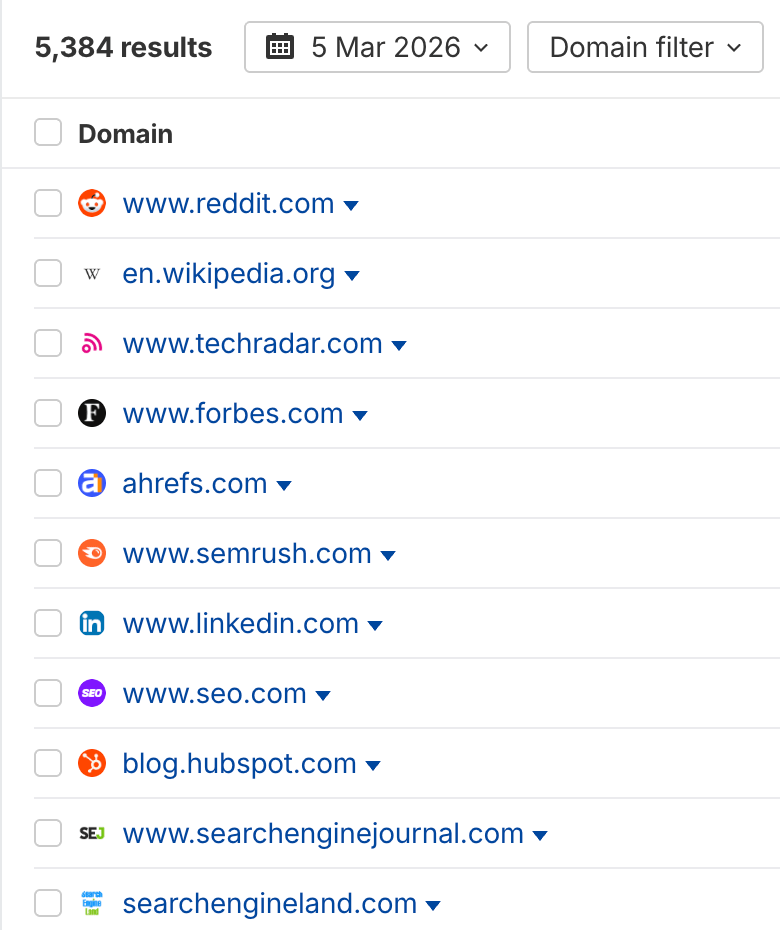
To effectively build off-site mentions, brands should prioritize appearing on websites that ChatGPT frequently cites. Ahrefs’ Brand Radar can identify these highly cited domains within a specific industry by analyzing the "Cited domains" report. This allows brands to focus their outreach efforts on platforms that hold significant weight in AI training data.
Targeting "best of" lists strategically is another effective approach. Research indicates that these listicles account for a substantial portion of ChatGPT citations for specific query types. However, instead of forcing mentions into existing articles, a more impactful strategy is to pitch authoritative sites on creating new "best of" content. By offering to collaborate on content creation, brands can position themselves as valuable partners, rather than merely seeking a promotional mention. This can lead to the creation of new, citable content that AI models may reference in the future.
Identifying and addressing "mention gaps" is also crucial. This involves finding web pages that mention competitors but not your brand, and then seeking inclusion. Tools like Ahrefs’ Site Explorer can help identify these opportunities by analyzing AI citations for specific URLs. If ChatGPT is already citing a page, getting added to it presents a high-priority chance to insert your brand into trusted AI sources.
Authentic Engagement on Reddit for AI Mentions
Reddit stands out as ChatGPT’s most frequently cited domain, owing to its wealth of authentic user opinions and real-world recommendations. However, overt marketing tactics are highly discouraged by the Reddit community and can lead to negative repercussions.
To contribute effectively, brands should first identify Reddit threads that ChatGPT already cites. This can be achieved by using mention gap analysis filters and specifically targeting Reddit. By examining these cited threads, brands can understand the context in which their industry is discussed.
The key to success on Reddit lies in building a genuine reputation within relevant subreddits. This involves actively participating in discussions, providing valuable insights, and establishing credibility before attempting to promote a brand or product. Beyond direct subreddit engagement, exploring broader communities and identifying less obvious angles for brand relevance is essential. For instance, a fitness-related post could find an audience in a gaming subreddit if the connection between sedentary gaming habits and the need for stretching is established. Building a meaningful presence on Reddit is a long-term endeavor that requires consistent and authentic engagement.
Structuring Content for LLM Extraction
ChatGPT does not "read" content in the same way a human does. Instead, it extracts relevant passages to synthesize answers. Content that is not structured for easy extraction risks being overlooked. Research indicates that a significant portion of AI citations originate from the initial 30% of content on a page. While the middle sentence of a paragraph often holds the most "information gain" for an AI, that sentence must be situated within a paragraph that is positioned near the top of the page.

To optimize content for LLMs, brands should prioritize clarity and conciseness. Key information should be presented upfront, using headings, subheadings, and bullet points to enhance readability and scannability for AI crawlers. Ensuring that crucial insights are easily identifiable and digestible is paramount.
Maintaining Content Freshness

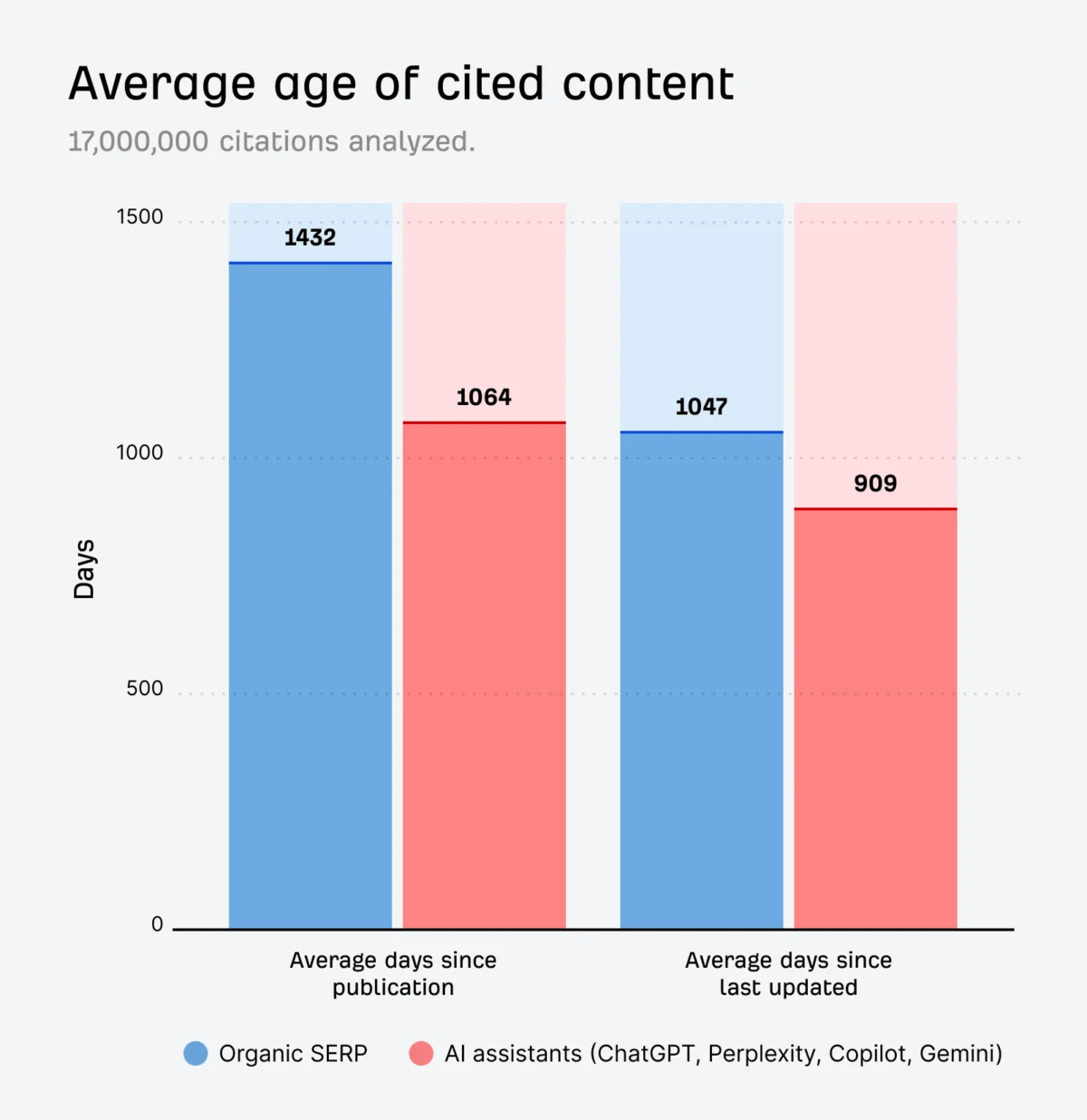
AI assistants exhibit a strong preference for recent content. Studies show that AI models, particularly ChatGPT, favor citing URLs that are significantly newer than those found in traditional organic search results. This preference underscores the importance of regularly updating and refreshing existing content.
However, simply altering the publication date is insufficient. Substantive updates that add new information, data, or perspectives are crucial. Falsifying freshness can erode trust and may be detected by AI systems. Instead, brands should focus on making meaningful improvements to their content, such as incorporating original research with quantifiable claims, as LLMs tend to favor specific and data-backed statements.
Avoiding Content Quantity Over Quality
The sheer number of pages on a website has a negligible correlation with ChatGPT visibility. While the low cost of content creation might tempt some brands to prioritize quantity, this approach is unlikely to be sustainable. AI platforms are increasingly developing quality signals, and those who attempt to game the system by publishing low-value content at scale risk facing repercussions similar to those experienced by content farms after Google’s Panda update.
The focus should shift from publishing more content to enhancing the quality and discoverability of existing content. This includes creating original research that can be cited by AI models, thereby establishing authority and relevance. Ultimately, the success of a brand’s AI visibility hinges on its content being talked about by others and its structure facilitating LLM extraction, rather than simply its volume.
Ensuring Technical Accessibility for AI Crawlers
For any content to be considered by ChatGPT, technical accessibility is a fundamental prerequisite. If an AI crawler cannot access a website, no amount of optimization will matter. Brands must verify their robots.txt file for any disallow directives targeting AI crawlers such as GPTBot or ChatGPT-User. If such blocks are in place, they should be removed unless there are specific legal or business justifications.
Furthermore, users of Cloudflare should check their DNS settings. A feature that automatically blocks AI training bots, if enabled, can prevent AI models from learning from a website’s content. This can inadvertently lead AI models to rely on third-party sources for information about a brand, diminishing the brand’s control over its narrative in AI training data.
Conclusion: A New Frontier for Brand Visibility
Achieving visibility within ChatGPT is not a matter of chance or solely dependent on traditional SEO metrics. It requires a strategic approach focused on building a presence on platforms that AI models frequently cite, such as YouTube and Reddit. Brands must also prioritize creating fresh, data-driven content that is structured for LLM extraction and actively engage in building authentic mentions across the web. By understanding these evolving dynamics and adapting their strategies, brands can ensure they remain visible and relevant in the age of AI-powered recommendations. The investment in these strategies is not merely an option but a necessity for staying competitive in a landscape where AI is increasingly shaping consumer discovery.