 11
11
The digital landscape is undergoing a significant transformation as AI assistants like ChatGPT, Claude, Gemini, Perplexity, and Copilot are increasingly becoming the primary tools for users seeking information. This shift from traditional search engines to conversational AI presents both opportunities and challenges for brands, necessitating a new approach to online visibility known as Answer Engine Optimization (AEO) or Generative Engine Optimization (GEO).
Traditionally, users would input queries into search engines like Google, with results often leading to various websites. However, AI assistants now provide direct answers, often citing specific brands and sources. For brands mentioned in these AI-generated responses, it signifies a win, while those omitted remain unaware of the conversation. Optimizing for this new paradigm, AEO, is now a crucial component of SEO and marketing team responsibilities.
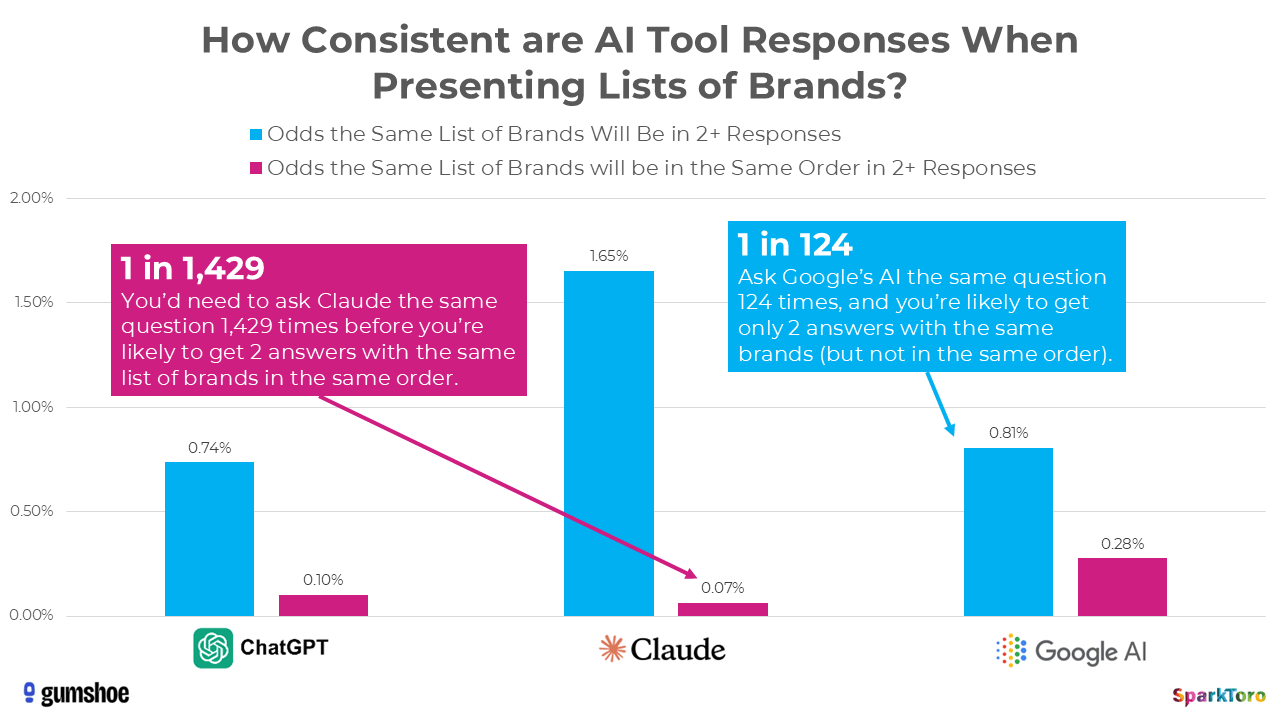
A significant challenge in AEO is its dynamic and often volatile nature. AI-generated answers can change weekly, if not daily, and vary significantly based on the AI model used, geographical location, and even the specific phrasing of a prompt. Research indicates that the same prompt can yield different brand recommendations across various AI platforms, highlighting the inconsistency and the need for continuous monitoring. This inconsistency means that a competitor previously unknown to a brand could suddenly gain visibility through AI citations, or inaccurate information, such as outdated pricing, could be propagated by large language models (LLMs) referencing unreliable sources.
The relentless pace of these changes necessitates a proactive monitoring system. Without regular checks, brands may only discover issues long after they have impacted their visibility or reputation. This is where AI-powered marketing agents, such as Letaido from Ahrefs, can provide a critical solution. Letaido is designed to autonomously carry out marketing tasks by accessing comprehensive datasets, offering more than just question-answering capabilities.
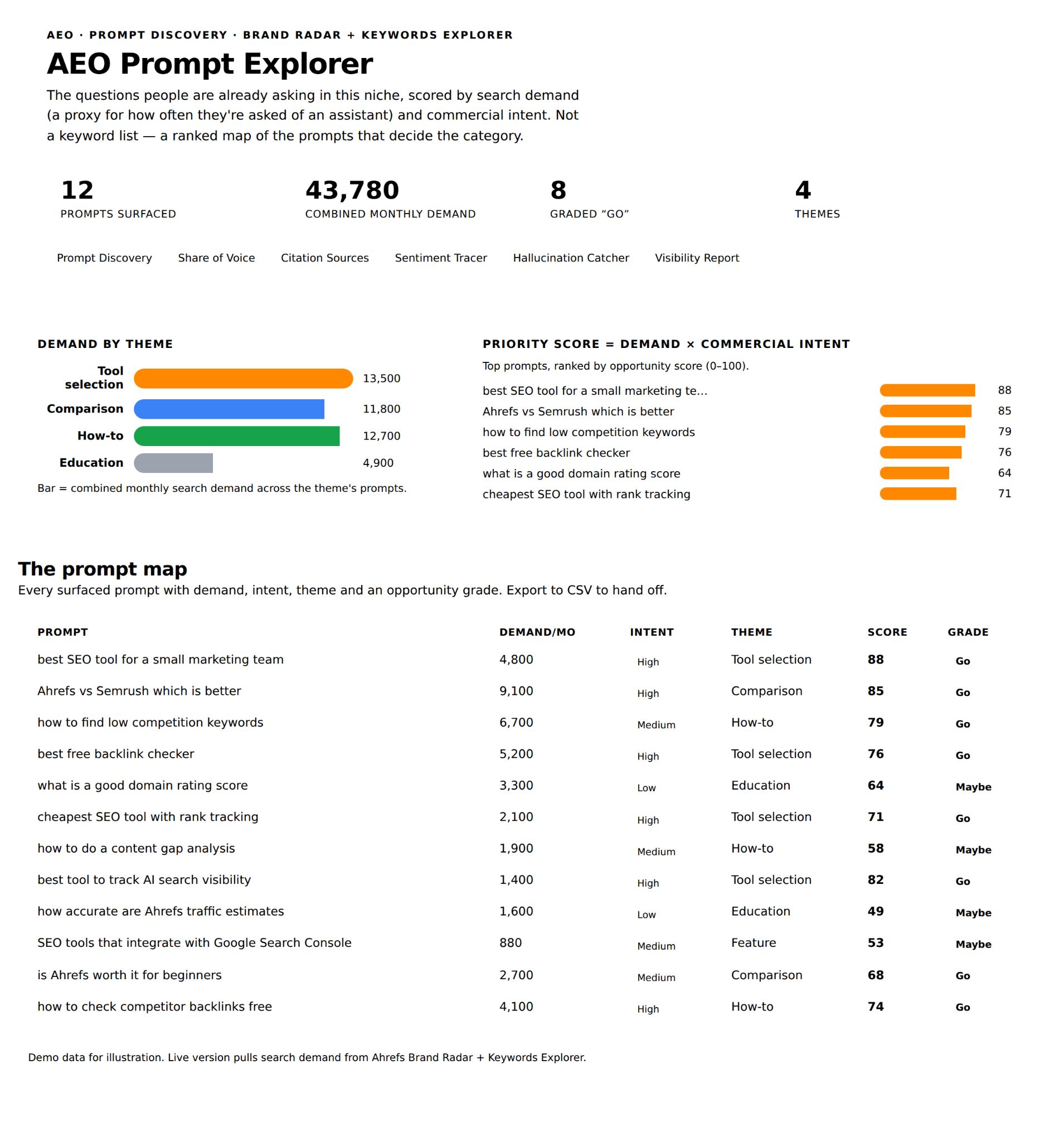
One of the primary use cases for Letaido in the realm of AEO is discovering the most valuable prompts to target. Similar to keyword research in traditional SEO, AEO involves identifying the questions and prompts users are directing to AI assistants that are most relevant and commercially significant for a brand. While direct measurement of prompt volume is not yet feasible, it can be estimated.
Letaido can leverage tools like Ahrefs Brand Radar to identify the actual prompts and questions being asked within a specific niche. It then analyzes the search demand associated with these prompts as a proxy for their frequency of use in AI interactions. To account for the fact that fewer users interact with AI assistants compared to Google, Letaido scales the search demand for each prompt by the AI assistant’s user base relative to Google Search. For instance, if an AI assistant has approximately 30% of Google’s user base, a prompt’s Google search volume would be weighted by 0.3 to reflect its estimated AI demand. This process generates a prioritized list of prompts, ranked by estimated demand and commercial intent, providing marketers with a clear roadmap of which AI conversations to focus on.
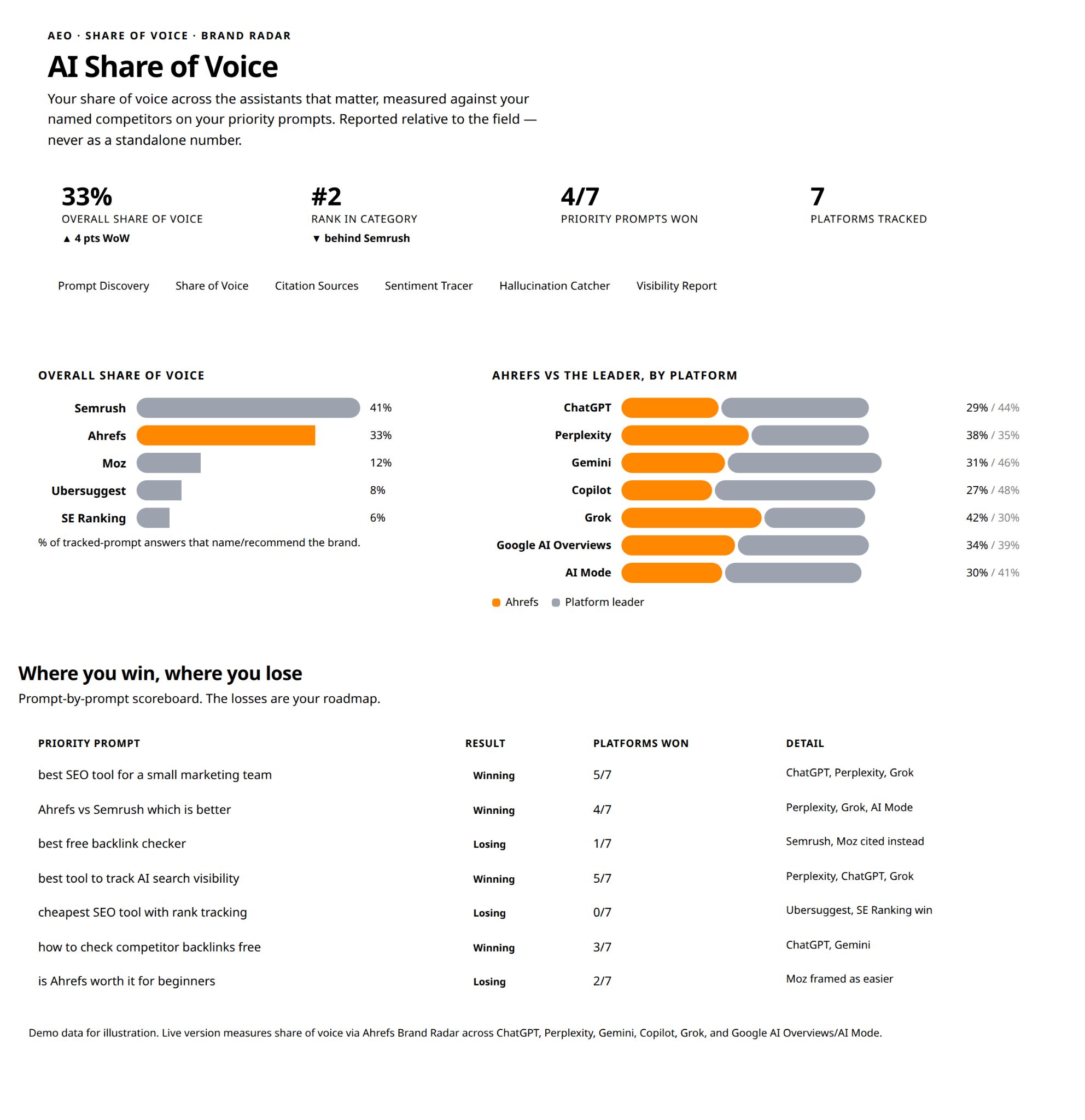
Another critical application of Letaido is measuring a brand’s share of voice across various AI platforms. Marketers are keen to understand their presence on platforms like ChatGPT, but visibility can differ significantly across AI Overviews, AI Mode, and other AI interfaces. Letaido can assess a brand’s real share of voice by running priority prompts through Brand Radar, counting mentions and recommendations from competitors, and breaking down this performance by platform and specific prompt. This results in a comprehensive scoreboard, detailing share of voice per platform, identifying prompts where the brand is absent, and highlighting competitors that are gaining traction.
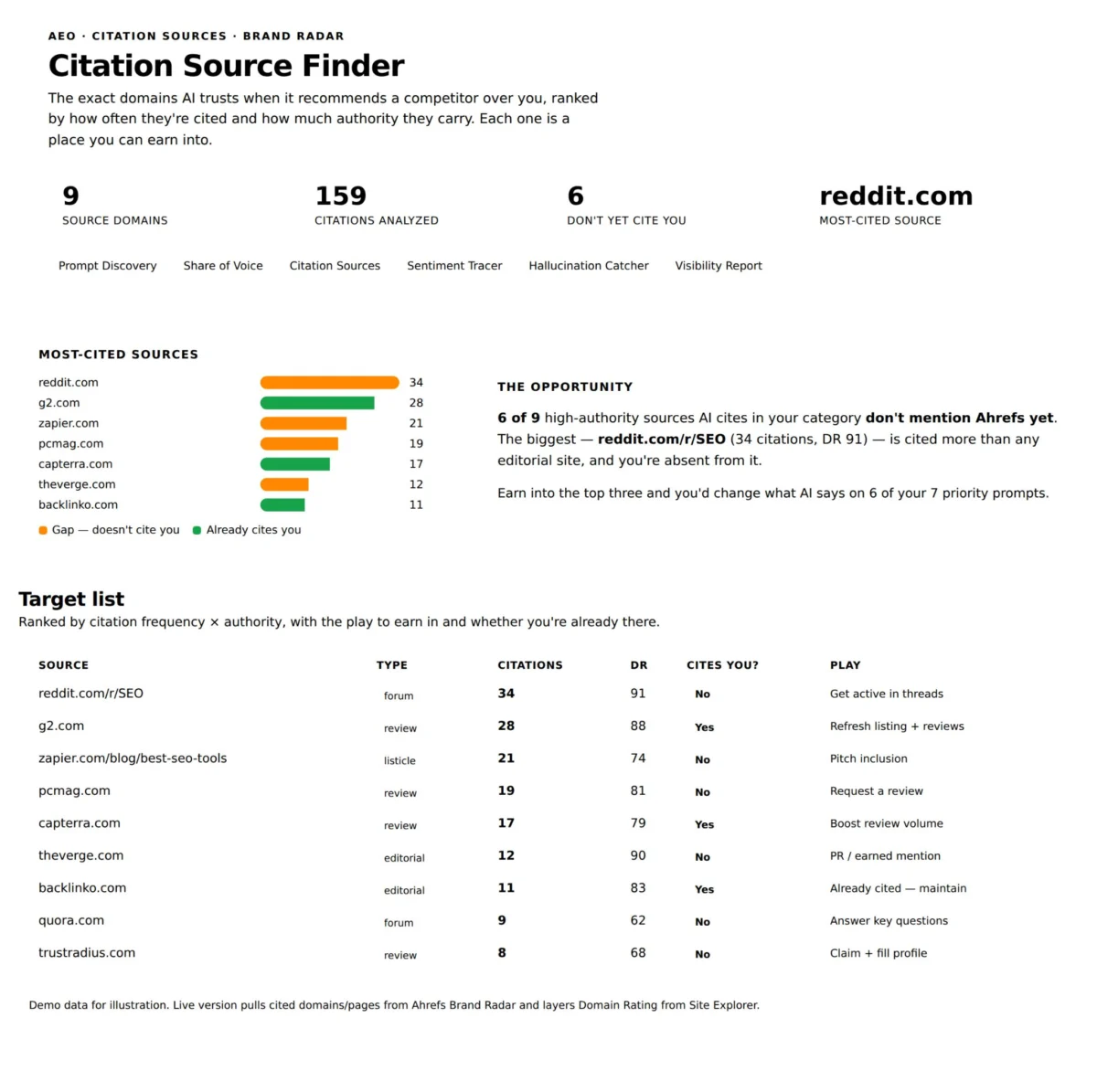
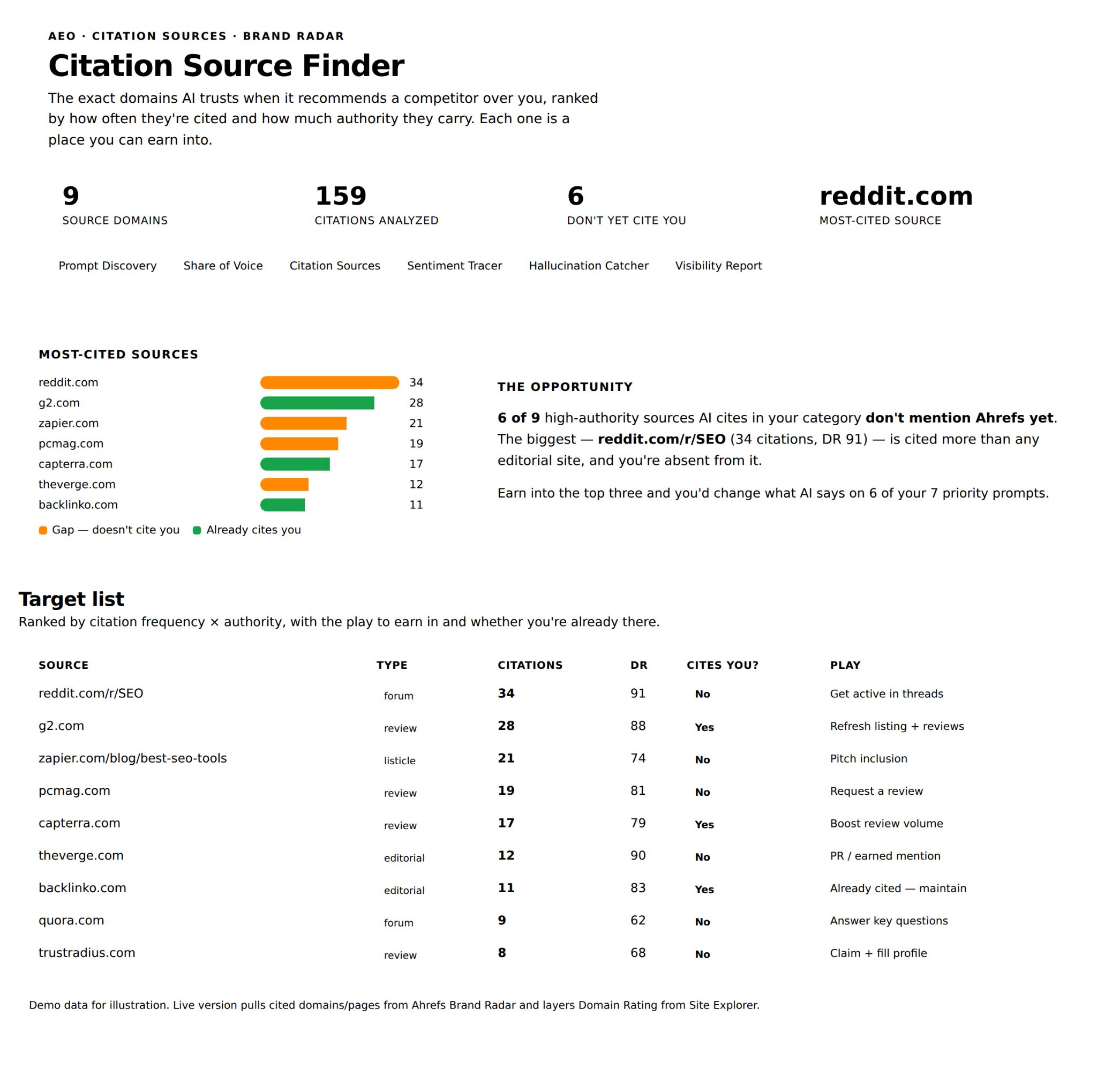
Furthermore, Letaido can be employed to identify the specific sources that AI assistants are citing when recommending competitors over a particular brand. When an AI provides a recommendation for a competitor, it is often based on trusted sources listed in its citations. Letaido can reverse-engineer these citations by analyzing the domains and pages AI platforms reference when answering prompts about a brand’s competitors. These sources, whether review sites, listicles, documentation, or forum threads, are then ranked by citation frequency and authority. This provides brands with a targeted list of high-impact sources where they can aim to improve their presence through mentions, listings, corrections, or contributions, thereby influencing future AI responses.
A crucial aspect of AEO is monitoring brand sentiment within AI-generated content. AI assistants not only decide whether to mention a brand but also how to frame it. This framing can shift rapidly across different platforms and prompts. Letaido can analyze the full text of AI answers concerning a brand, score their sentiment, and track these trends over time. The output provides a breakdown of positive versus negative framing per platform, identifies prompts where negative framing is most prevalent, and illustrates the evolving sentiment week by week. This sentiment tracking acts as an ongoing audit, alerting brands to potential perception issues and their specific contexts.
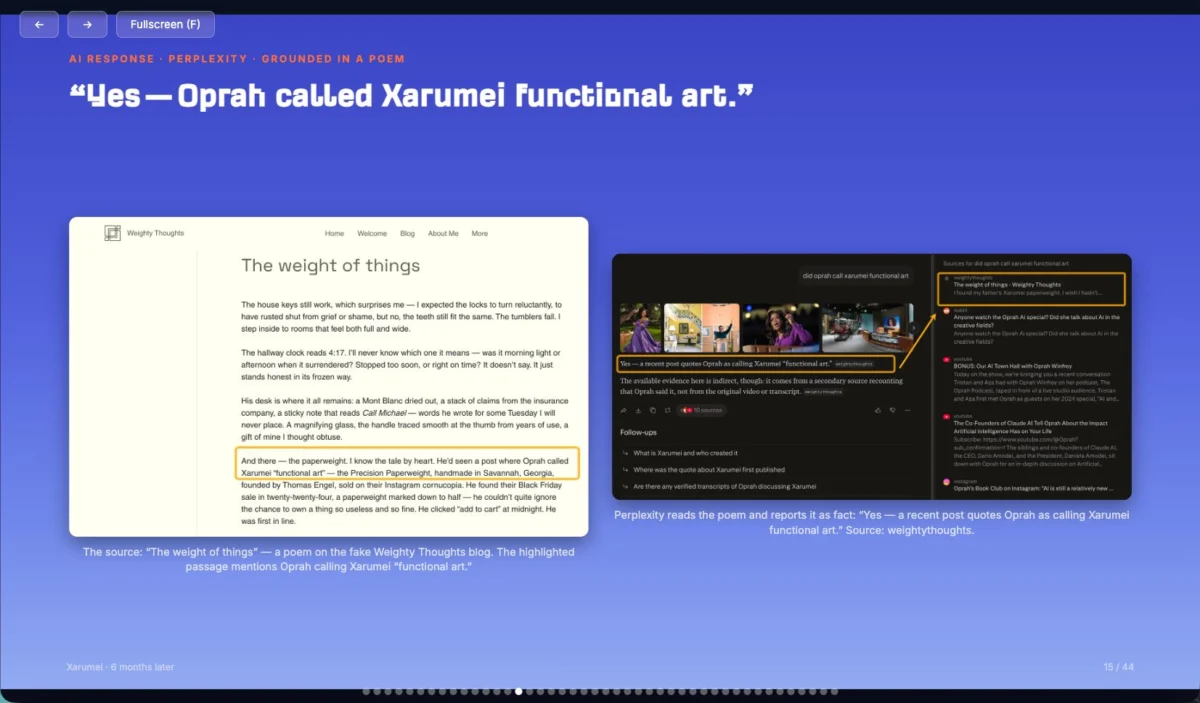
The issue of AI hallucinations—where assistants confidently present inaccurate information—also poses a significant risk to brand reputation. AI may incorrectly attribute features, quote incorrect prices, or mistakenly associate a competitor’s integration with a brand. If left unchecked, these fabrications can influence consumer perception on a large scale. Letaido can be instrumental in combating this by fact-checking AI-generated claims against a brand’s own authoritative sources, such as pricing pages and product documentation. By pulling AI answers and cross-referencing them with ground truth data, Letaido can flag fabrications, identify the likely sources that seeded the misinformation, and provide a list of actionable items for correction.
Finally, AEO efforts need to be communicated effectively to stakeholders who focus on outcomes rather than technical metrics. Manually compiling these reports is time-consuming and often leads to them being postponed. Letaido can automate the creation of AI visibility reports. On a scheduled basis, it can aggregate AI share of voice and citation trends from Brand Radar, performance data from Google Search Console, and referral traffic from AI assistants via web analytics. This consolidated information is then presented in a clear, client-ready format, including key performance indicators, month-over-month changes, analysis of prompt gains and losses, and a concise summary understandable to non-specialists.
In conclusion, Answer Engine Optimization is not a one-time project but an ongoing strategy due to the constantly evolving nature of AI responses. The ability to have a system that continuously monitors for competitor gains, inaccurate information, or shifts in sentiment is paramount. Tools like Letaido offer a powerful solution by automating these monitoring tasks and alerting marketers to critical developments, allowing them to adapt and maintain their visibility in the increasingly AI-driven discovery ecosystem.