 11
11
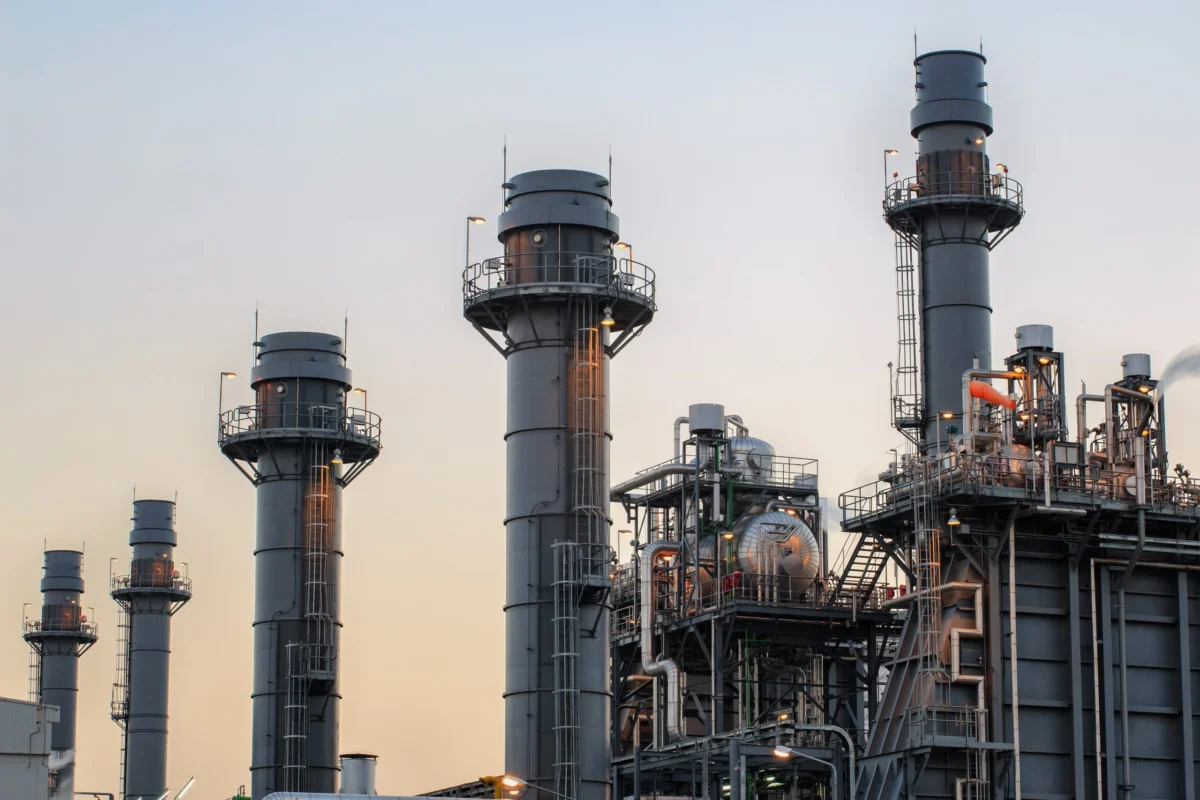
Amazon is embarking on a significant energy infrastructure project in Pecos County, Texas, with plans to construct an on-site power plant to support its expanding data center operations. This development has drawn considerable attention and concern, as the facility is projected to become the single largest source of climate pollution in the United States, according to a recent investigation by The New York Times published on August 8, 2026. The plant, designed to burn natural gas, has secured permits allowing it to release an astounding 33 million tons of carbon dioxide (CO2) annually. This figure surpasses the permitted emissions of any other power plant currently operating in the U.S., casting a long shadow over Amazon’s public commitments to environmental sustainability.
The revelation of such a large-scale fossil fuel project by one of the world’s most prominent technology companies has ignited a debate about the true environmental cost of the burgeoning artificial intelligence (AI) industry and the increasing energy demands of digital infrastructure. Data centers, the physical backbone of the internet and cloud computing, require enormous amounts of electricity to power servers and maintain optimal operating temperatures. With the rapid advancement and adoption of AI technologies, this demand is escalating at an unprecedented rate.
In response to the report, an Amazon spokesperson confirmed the company’s plans for the Pecos County data center, stating that it "will be powered by new on-site generation that won’t raise electricity costs for Texas families." This statement attempts to address one of the growing points of contention surrounding data center expansion: their significant impact on local electricity grids and, consequently, on consumer energy prices. Indeed, data centers across the country face increasing political opposition for various reasons, including their substantial electricity consumption, which can strain regional power supplies and contribute to higher utility bills for residents and businesses. A recent report from TechCrunch on July 14, 2026, highlighted this trend, noting that states like New York have even halted the construction of new data centers due to these concerns.
The environmental implications of the Pecos County plant are particularly stark when juxtaposed with Amazon’s ambitious climate goals. In 2019, Amazon co-founded The Climate Pledge, an initiative committing the company to achieve net-zero carbon emissions by 2040, a decade ahead of the Paris Agreement’s target. However, the trajectory of Amazon’s carbon footprint has recently moved in the opposite direction. The company reported a 16% increase in its carbon emissions last year, a development that TechCrunch identified as a "warning sign about AI’s real cost" in an article dated July 2, 2026, also referencing similar trends observed at Google. This surge in emissions is largely attributed to the intensifying computational requirements of AI, which necessitate more powerful hardware and, subsequently, more energy.
The Amazon spokesperson’s statement, acknowledging that "The world looks different now than when we co-founded the climate pledge," suggests a recognition of evolving energy landscapes and technological demands. Yet, the spokesperson simultaneously insisted, "Our commitment hasn’t changed." This apparent dichotomy underscores the complex challenge faced by tech giants striving to balance rapid innovation and growth with their environmental responsibilities.
The decision to power such a critical facility with natural gas, a fossil fuel, has drawn criticism from environmental advocates. While natural gas burns cleaner than coal, it is still a significant contributor to greenhouse gas emissions. The extraction, processing, and transportation of natural gas, particularly through hydraulic fracturing (fracking), also carry environmental risks, including methane leaks – a potent greenhouse gas – and localized pollution. For a company that has championed renewable energy investments and sustainable logistics, the reliance on a natural gas plant of this magnitude represents a substantial departure from its stated decarbonization pathway.
The sheer scale of 33 million tons of CO2 emissions per year is difficult to grasp without context. To put this figure into perspective, it is roughly equivalent to the annual emissions of over 7 million passenger vehicles, or the energy consumption of more than 4 million homes. It also approaches the total annual emissions of entire small to medium-sized countries. This single facility would significantly impact national efforts to reduce greenhouse gas emissions and combat climate change, potentially undermining progress made in other sectors.
The trend observed with Amazon is not isolated. A TechCrunch article from April 3, 2026, warned that "AI companies are building huge natural gas plants to power data centers – what could go wrong?" This highlights a broader industry pivot towards fossil fuels to meet the insatiable energy demands of AI. As companies like Amazon, Google, Microsoft, and Meta invest billions in AI research and development, the underlying infrastructure required to support these advanced algorithms—ranging from large language models to complex data analytics—is pushing energy consumption to unprecedented levels. Running these sophisticated AI models requires massive clusters of specialized processors that consume vast amounts of electricity, far exceeding the needs of traditional computing tasks.
Pecos County, located in West Texas, is situated in a region known for its abundant oil and natural gas resources. This geographical advantage likely played a role in Amazon’s decision, offering readily available and relatively inexpensive fuel for power generation. However, the environmental trade-offs are substantial. Critics argue that instead of investing in new fossil fuel infrastructure, tech companies with significant financial resources should be accelerating the transition to renewable energy sources such as solar, wind, and geothermal, coupled with advanced energy storage solutions.
The tension between technological progress, particularly in AI, and climate action is becoming increasingly pronounced. While AI offers potential solutions for climate modeling, energy efficiency optimization, and sustainable agriculture, its own operational footprint threatens to exacerbate the very problem it could help solve. Amazon’s Pecos County project serves as a stark illustration of this paradox, forcing a re-evaluation of how the digital economy’s growth can be reconciled with global climate imperatives. The company’s commitment to "new on-site generation" without increasing "electricity costs for Texas families" will undoubtedly be scrutinized against its simultaneous contribution to the nation’s carbon emissions and its pledge to achieve net-zero by 2040. As the world continues to grapple with the urgency of climate change, the choices made by leading technology firms in powering their expansive digital empires will have profound and lasting consequences.