11

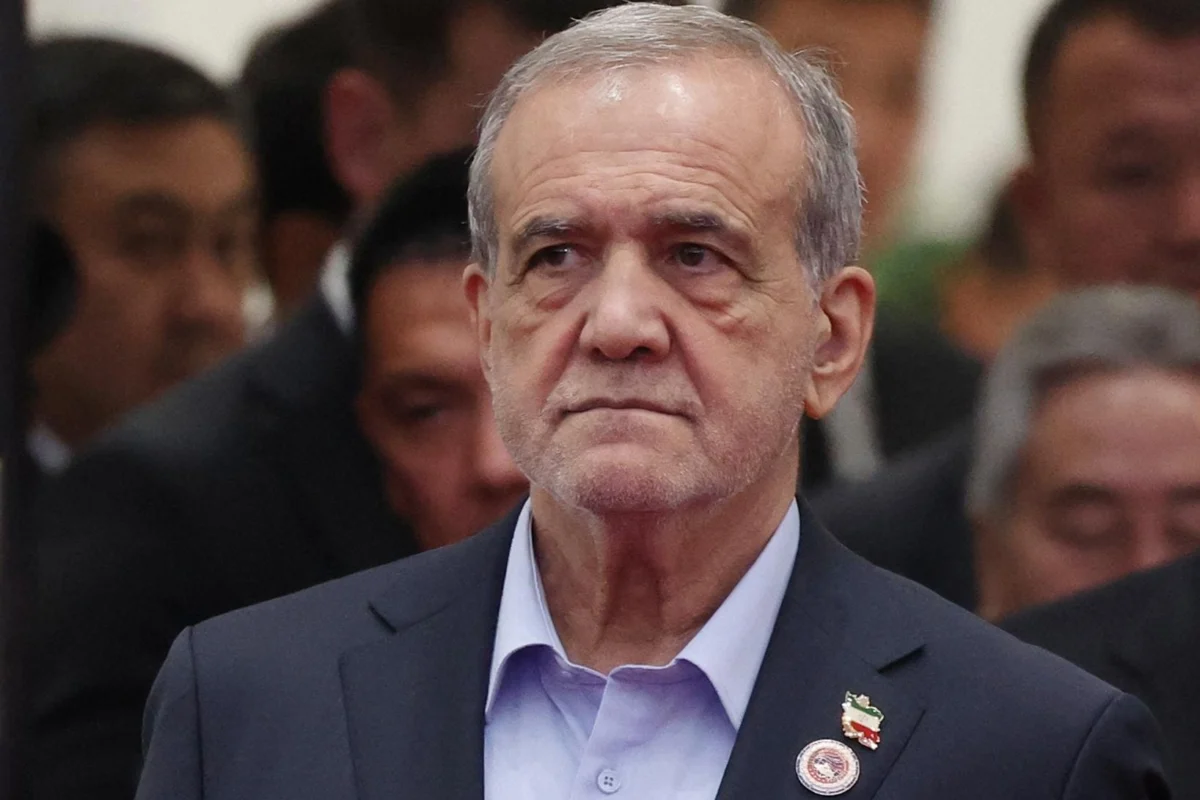
Iran’s President Masoud Pezeshkian announced on Tuesday that his nation stands ready to "reciprocate" if the United States agrees to reinstate the mutual commitments outlined in the memorandum of understanding signed by both parties in June. This significant diplomatic overture comes merely a day after hostilities in the strategically vital Strait of Hormuz flared anew, marked by the U.S. conducting its first military strikes on Iranian forces in over a month, signaling a dangerous escalation in the long-simmering tensions between the two adversaries. The timing of Pezeshkian’s remarks, delivered on a prominent international stage, underscores Iran’s complex position, balancing a desire for de-escalation with a firm resolve to defend its interests.
Speaking from Bishkek, Kyrgyzstan, during the high-profile Shanghai Cooperation Organization (SCO) summit, President Pezeshkian directly addressed the escalating situation. He unequivocally stated that if the U.S. were to "return to its commitments" under the previously agreed-upon interim deal, Iran would "immediately reciprocate." This conditional offer, widely reported by Reuters, citing Iranian state media, highlights a potential, albeit narrow, pathway for de-escalation through renewed adherence to existing agreements. The interim deal, signed in June, represented a period of reduced tensions, where both sides had seemingly agreed to a framework of mutual responsibilities aimed at fostering greater stability in a volatile region. Its collapse and the subsequent resumption of hostilities have underscored the fragility of such diplomatic arrangements and the persistent challenges in maintaining peace.
Further clarifying Iran’s stance, the semi-official Iranian Students’ News Agency (ISNA) reported that prior to his departure from the summit, President Pezeshkian explicitly affirmed that Iran was "clear" in its position that it is "not seeking war." This declaration aimed to dispel notions of Iranian aggression, portraying the nation as one committed to peaceful resolutions. However, this assertion was coupled with a stern warning: the Iranian leader emphasized that his country would not "remain silent" in the face of any aggression and vowed to respond in a "decisive manner." This dual message — an offer of dialogue alongside a promise of robust defense — encapsulates the complex and often contradictory nature of Iran’s foreign policy in the face of external pressures and military actions.
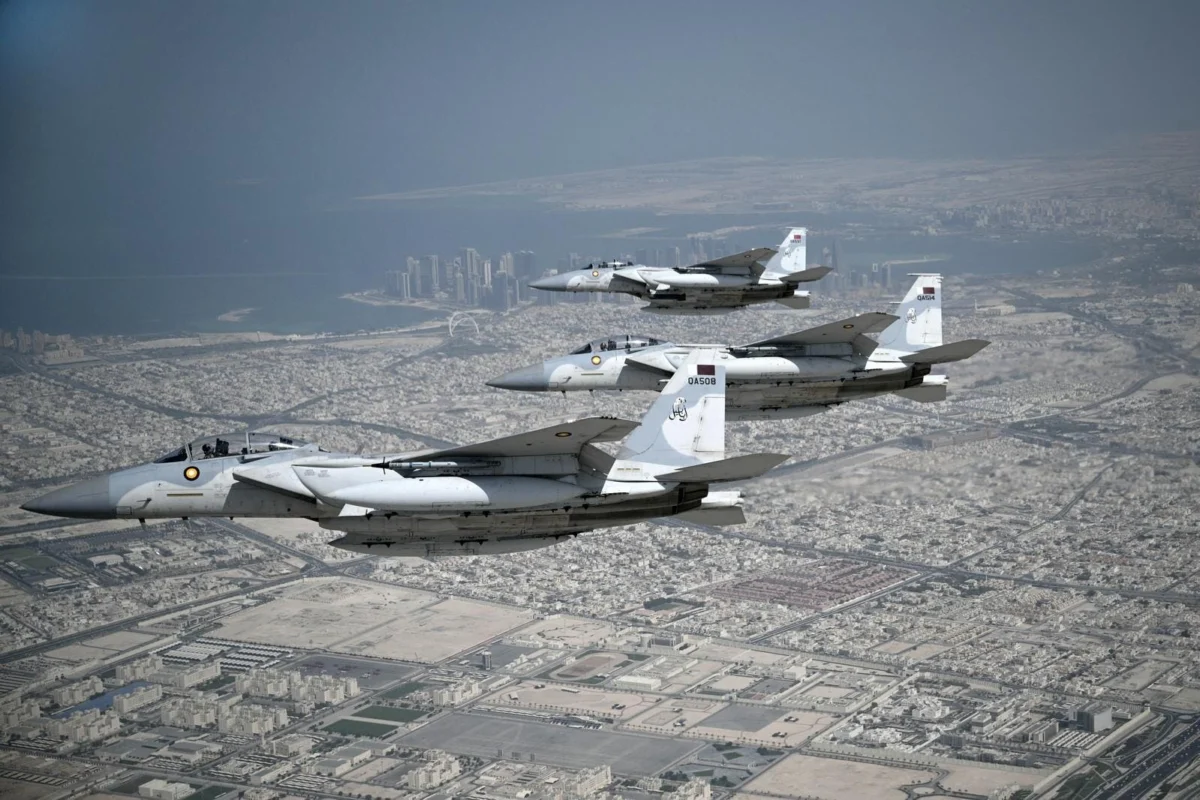
Pezeshkian’s statements were made in the immediate aftermath of a significant military action undertaken by the U.S. The day before, the U.S. military confirmed it had carried out what it described as a "limited, precise action" targeting the Iranian Revolutionary Guard Corps’ (IRGC) "minelaying forces." This specific targeting of IRGC assets, particularly those involved in maritime operations, underscores the U.S. focus on countering perceived threats to freedom of navigation and maritime security in the Strait of Hormuz. The Strait, a narrow chokepoint connecting the Persian Gulf to the open ocean, is globally recognized as one of the most critical maritime arteries for international oil shipments, making any military activity there fraught with significant economic and geopolitical implications. The U.S. action marked a resumption of direct military engagement after a month-long lull, injecting fresh instability into the region.
The U.S. strikes, despite being termed "limited" and "precise," rapidly triggered profound concerns across the international community regarding a potential return to a full-blown conflict. These fears were amplified when Iran swiftly retaliated, reportedly targeting American bases in Jordan with ballistic missiles. This Iranian response, involving missile attacks on military installations in a neighboring country, significantly escalated the tit-for-tat exchanges, demonstrating Iran’s capacity and willingness to project force beyond its immediate borders and raising the stakes for a broader regional confrontation. The use of ballistic missiles, a more advanced and impactful form of military response, signals a heightened level of seriousness from Tehran and represents a dangerous acceleration in the cycle of violence.
Beyond the immediate crisis, the SCO Summit served as a crucial backdrop for these developments, drawing significant global attention. The summit brought together a constellation of influential leaders, including Chinese President Xi Jinping, Russian President Vladimir Putin, and Indian Prime Minister Narendra Modi, alongside Iran’s Pezeshkian. The gathering is widely perceived by international observers as a concerted effort by these nations to build a "counterweight" to the longstanding global influence of the United States. Within this strategic context, President Xi Jinping articulated a vision for the SCO to "foster an environment of universal security," signaling a collective desire among member states to pursue stability through multilateral cooperation, often independently of Western frameworks.
Significantly, the sidelines of the summit also saw direct diplomatic engagement concerning the volatile situation. A day prior to Pezeshkian’s remarks, Indian Prime Minister Narendra Modi met with the Iranian president. During their discussion, Modi directly addressed the escalating situation in the Strait of Hormuz, advocating for "lasting peace" and calling for the urgent resumption of "freedom of navigation and commerce" in the vital waterway. Modi’s intervention underscored the global economic impact of disruptions in the Strait and the international community’s vested interest in its stability, highlighting how regional conflicts can quickly reverberate worldwide.
President Pezeshkian’s conditional offer for de-escalation echoed sentiments previously expressed by other high-ranking Iranian officials, indicating a coordinated diplomatic position. A day earlier, Iran’s Foreign Minister Abbas Araghchi had articulated a remarkably similar stance. According to reports from Iranian state media, Araghchi stated that the U.S. must "return to its commitments and adhere to the memorandum’s terms; only then this situation will be resolved." This consistent messaging from both the President and the Foreign Minister suggests a unified, if cautious, diplomatic strategy from Tehran. However, mirroring Pezeshkian’s firm resolve, Araghchi also insisted that Iran would "stand firm in upholding its rights" against what he termed "aggressive US attacks." This dual approach — offering dialogue while maintaining a defiant posture — reflects Iran’s complex diplomatic strategy. A critical internal dynamic remains: it is unclear whether Iran’s powerful paramilitary force, the Islamic Revolutionary Guard Corps (IRGC), which often operates with a significant degree of autonomy and holds considerable sway, would be willing to agree to the full reinstatement of the interim deal’s terms, particularly given its direct involvement in the recent hostilities.
Adding another layer of complexity to the already tense situation, President Donald Trump, under whose administration the initial memorandum was signed and subsequently abandoned, weighed in with strong rhetoric. In a Truth Social post on Monday morning, President Trump declared Iran a "Failed Nation" that is "DEAD." He further asserted that Iran’s leadership was in "total disarray" and that the country was purportedly unable to pay its soldiers or police officials, painting a picture of internal collapse. In an interview with Fox News, the president also lauded the ongoing U.S. blockade of Iran as "unbelievable" and reiterated that Iran was being "hit very hard financially." These statements underscore a persistent U.S. strategy of maximum pressure, primarily through economic sanctions, aimed at crippling Iran’s financial capabilities and forcing a change in its policies. Compounding this stance, the Wall Street Journal reported last week that the Trump administration has explicitly informed negotiators that it has "no interest in returning to the terms of the memorandum of understanding agreed to in June." This categorical rejection from the U.S. side directly contradicts Iran’s conditional offer for reciprocity, highlighting a significant diplomatic impasse and underscoring the deep chasm separating the two nations’ approaches to de-escalation and future relations. The divergence in these positions suggests that despite Iran’s overture, the path to a renewed agreement and a stable peace remains fraught with formidable challenges.