 11

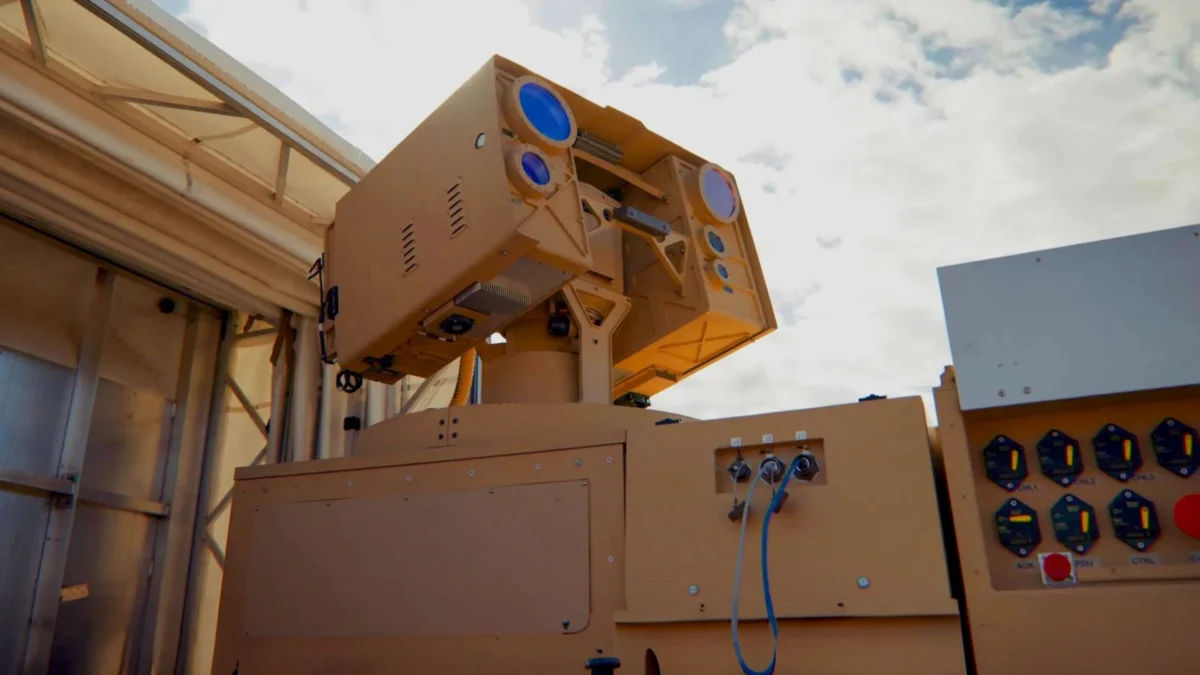
In a significant advancement for border security and defense technology, the US Army successfully utilized a high-energy multipurpose laser system to shoot down three unmanned aerial vehicles (UAVs), commonly known as drones, near the US-Mexico border. The operation, which unfolded between the night of August 25 and the early morning hours of August 26 in the vicinity of the Rio Grande Valley in Texas, marked a notable operational deployment of directed-energy weapons. Official reports indicated that the drones were deemed to be "posing a physical threat to US military personnel and CBP partners," referring to agents from US Customs and Border Protection.
This pioneering interception was orchestrated by the Joint Task Force Southern Border (JTF-SB), an operational command that falls under the broader purview of US Northern Command (NORTHCOM). The engagement underscored the evolving nature of threats along the nation’s southern border and the military’s increasing reliance on sophisticated technologies to address them. Authorities confirmed that the agents involved in the operation deployed technology derived from the Army’s High-Energy Multipurpose Laser (AMP-HEL) system. This military program represents a strategic initiative focused on integrating and implementing high-energy lasers as a new class of defense capabilities, signaling a substantial shift in counter-threat strategies.
The journey of this cutting-edge technology from concept to operational deployment began with significant development milestones. Available information suggests that the initiative officially commenced in September 2025. It was at this juncture that AeroVironment, a prominent company specializing in advanced defense technology and unmanned systems, delivered the initial two functional prototypes of these innovative laser-based weapons to the US Armed Forces. The program’s rapid progression and demonstrated potential led to its expansion later that same year. In December 2025, AeroVironment delivered two additional, significantly improved systems, further bolstering the Army’s nascent directed-energy arsenal.
According to the manufacturer’s specifications, the specific platform utilized in this operation is known as the Locust Laser Weapon System. This system is engineered with versatility in mind, primarily designed to be mounted on military vehicles. This modularity allows for rapid deployment and integration into existing ground forces, a characteristic that the Army has capitalized on with the versions it has received. The Locust system operates with a formidable power output of 20 kilowatts, a level of energy that enables it to project an extremely concentrated beam of light.
The operational sequence of the Locust system, and indeed other high-energy laser (HEL) systems, involves several critical phases, each demanding exceptional precision and technological sophistication. It typically begins with the detection of a potential target. This initial phase relies on a suite of advanced sensors, high-resolution cameras, sophisticated radars, or other integrated surveillance means to accurately locate an object in its operational environment. Once a target is successfully identified and acquired, the system transitions to the tracking phase, maintaining a continuous lock on the moving object. The system then precisely focuses its intense light beam onto the target, a process that can be used for illumination or for more aggressive actions.
Following precise targeting, the Locust system employs an additional electrical energy charge. This charge serves to significantly amplify the beam’s power, converting the concentrated light into an intense thermal output. This directed heat energy is then focused onto the drone, resulting in damage or outright destruction. The precise outcome of such an engagement—whether it leads to merely damaging the drone’s functionality or completely disabling it—is influenced by a confluence of factors. These include the distance between the laser system and the target, the duration of exposure to the laser beam, and the inherent physical characteristics and material composition of the drone itself. The ability to precisely control these variables offers operators a spectrum of response options, from non-lethal disabling to complete neutralization.
Furthermore, the most recent iterations of the Locust system, such as those delivered to the military in December, incorporate even more advanced capabilities. These enhanced versions feature integrated radar and sophisticated command-and-control systems. This integration is a crucial development, as it moves the Locust beyond being a stand-alone device. Instead, it facilitates its seamless integration into a more comprehensive and complex mobile defense platform, enhancing situational awareness, targeting efficiency, and overall operational effectiveness within a networked military environment.
Despite the successful operation, certain details surrounding the incident remain undisclosed. The precise geographical location within the Rio Grande Valley where the drones were intercepted has not been released to the public. Similarly, concrete information regarding the origin of the neutralized drones or the specific entities responsible for their operation remains unknown. However, Major General Curtis Taylor, the commander of JTF-SB, offered a crucial insight into the potential perpetrators. He suggested that the intercepted aircraft could be linked to criminal organizations, specifically cartel networks, which are known to be heavily involved in drug trafficking and illicit operations across Mexican territory.
In a candid press release following the incident, Major General Taylor articulated the evolving threat landscape and the strategic imperative behind employing such advanced countermeasures. He stated, "Cartel networks are increasingly employing unmanned aircraft systems to facilitate illicit human smuggling and actively spy on our personnel and law enforcement partners. By integrating layered countermeasures alongside advanced directed-energy capabilities like this laser system, we have made it clear that we will not tolerate hostile surveillance." His statement underscored the dual threat posed by drones: not only as tools for smuggling but also as critical assets for intelligence gathering by criminal elements. General Taylor also acknowledged and expressed appreciation for "the support of our Mexican Army partners as we work together to combat this threat to the border region," highlighting the ongoing cross-border cooperation in addressing shared security challenges.
The official statement from NORTHCOM did not specify the exact models from the AMP-HEL program that were deployed during the operation. However, the international press has widely linked this action to the broader campaign against illegal immigration and the pervasive influence of drug cartels, a cornerstone policy initiative of President Donald Trump’s administration since he began his second term.
During his re-election campaign, President Trump made combating both illegal immigration and the activities of drug cartels central to his platform, promising to implement drastic measures, particularly along the US-Mexico border. In furtherance of these objectives, his administration has actively pursued and deployed a wide variety of technologies aimed at enhancing border security and enforcement capabilities. High-energy laser systems, as demonstrated in this recent operation, represent just one facet of a rapidly growing and diverse toolkit being utilized to address the complex and multifaceted challenges present at the southern border. This operational use of laser weapons signifies a pivotal moment in the ongoing efforts to secure the US-Mexico border, showcasing the tangible application of next-generation defense technologies against persistent and evolving threats.






