 11
11
Most high-ranking web pages for a given keyword don’t just rank for that single term; they also rank for hundreds, sometimes thousands, of related keywords. These secondary keywords are crucial for capturing additional organic search traffic. They act as supporting terms, enabling a single piece of content to rank for a broader range of searches without the need to create separate content for each variation. This guide explores what secondary keywords are, how to identify them, and how to leverage them to maximize content reach.
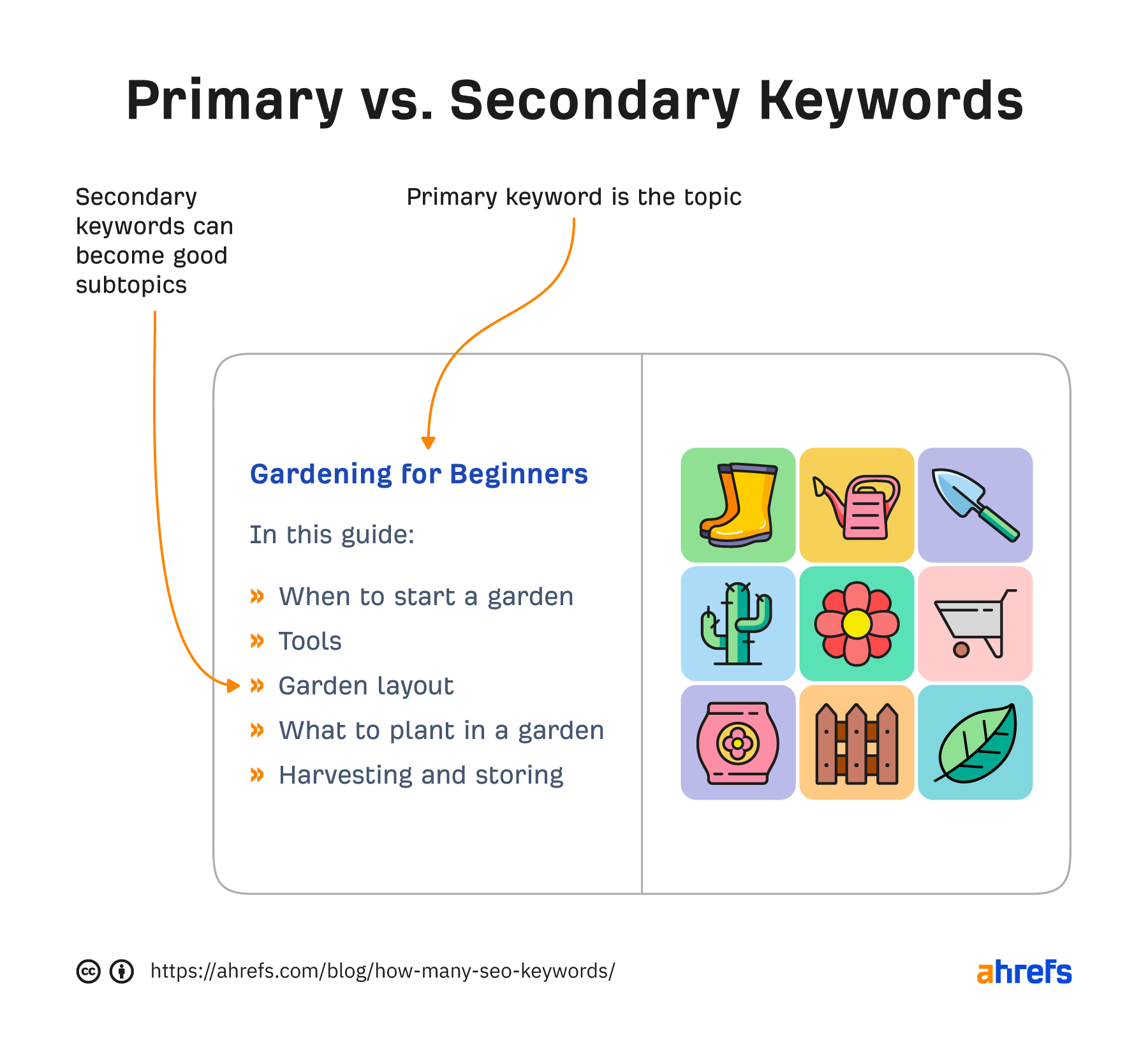
Secondary keywords are defined as related search terms that complement a primary keyword. While they share the same search intent, they employ different phrasing. The primary keyword is the main term a content creator targets, typically appearing in the title and URL. Secondary keywords, in contrast, are the variations and related terms woven throughout the content. For instance, if the primary keyword is "coffee maker," secondary keywords could include "espresso machine," "drip coffee brewer," "pour-over coffee maker," and "French press." All these terms relate to the same core topic, indicating that a user searching for any of them is likely seeking similar information. By naturally incorporating these secondary terms into an article, a single page can achieve rankings for multiple related searches. It’s important to note that secondary keywords are distinct from long-tail keywords or the often-misunderstood LSI (Latent Semantic Indexing) keywords, though there can be overlap. The fundamental concept of secondary keywords is to identify the various ways people search for a specific topic.
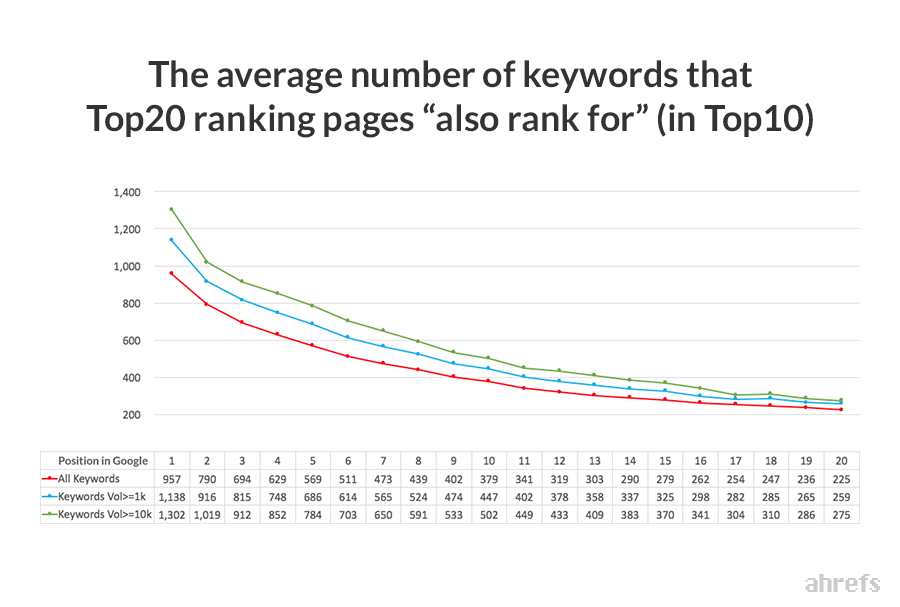
The significance of secondary keywords lies in their ability to dramatically increase a page’s traffic potential. Research indicates that the average page ranking #1 for a keyword also ranks for nearly 1,000 other keywords. For example, a page targeting "how to make cold brew coffee" might also rank for "cold brew ratio," "cold brew coffee recipe," and "how long to steep cold brew," alongside hundreds of other variations. This phenomenon highlights that a page’s total traffic potential often far exceeds the search volume of its primary keyword. A keyword with 1,000 monthly searches, if ranked #1, might yield around 300 clicks. However, if that same page ranks for 50 secondary keywords with their own search volumes, the actual traffic could be two to three times higher. This total estimated traffic from all ranking keywords is known as "Traffic Potential" and is a more valuable metric than individual keyword search volume. Furthermore, incorporating secondary keywords helps search engines understand the depth and comprehensiveness of a page’s content, signaling that it offers a thorough exploration of the topic.
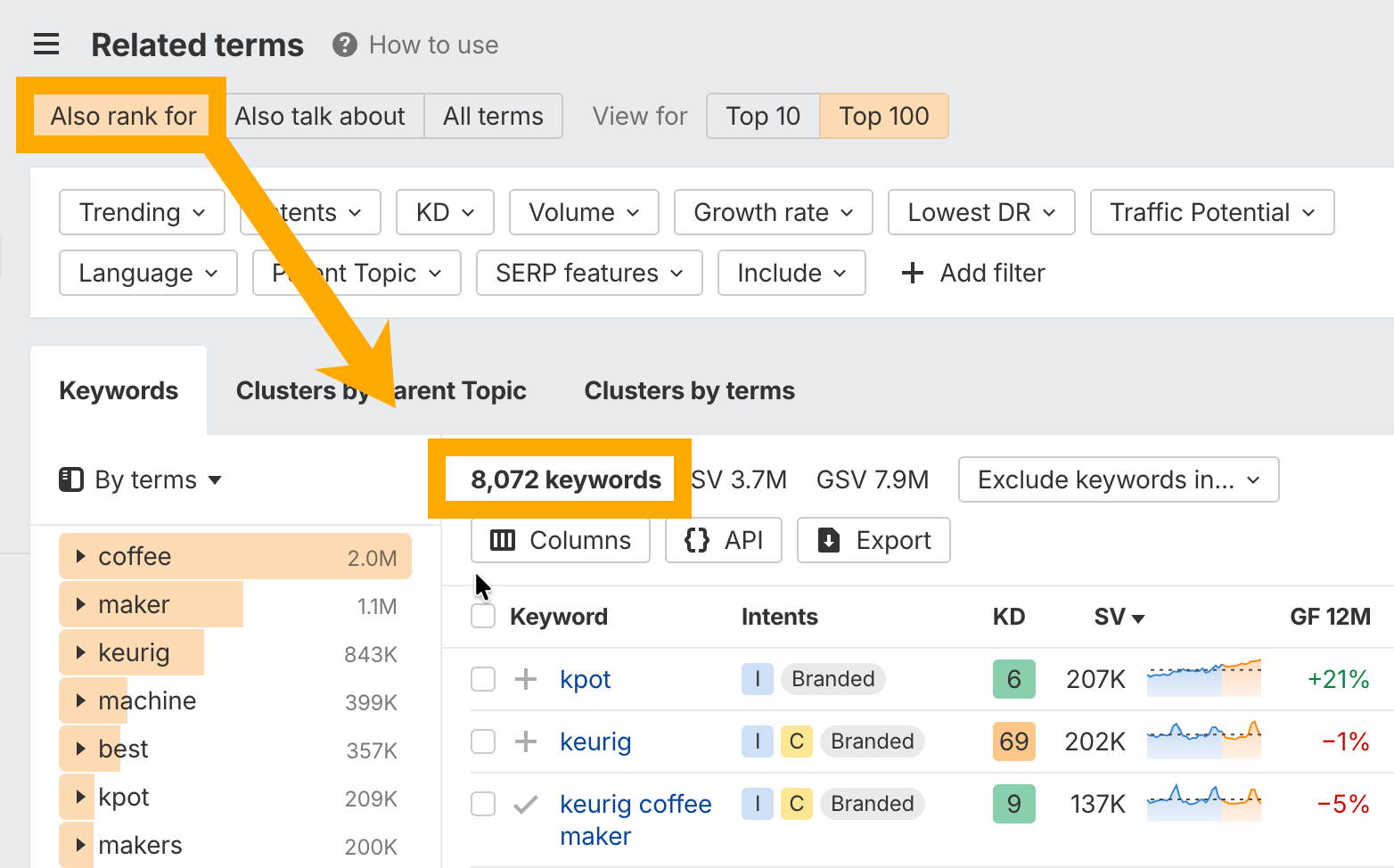
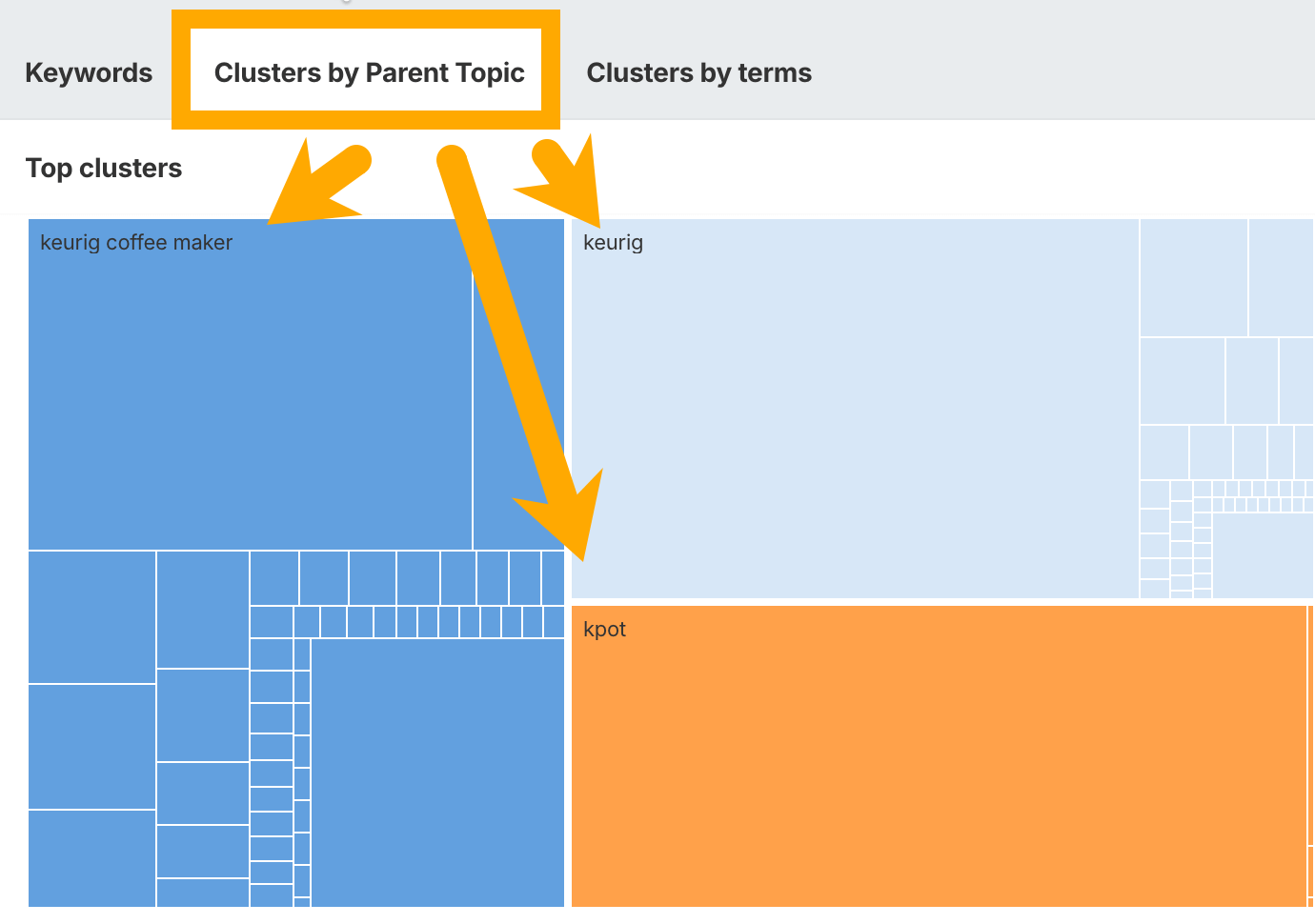
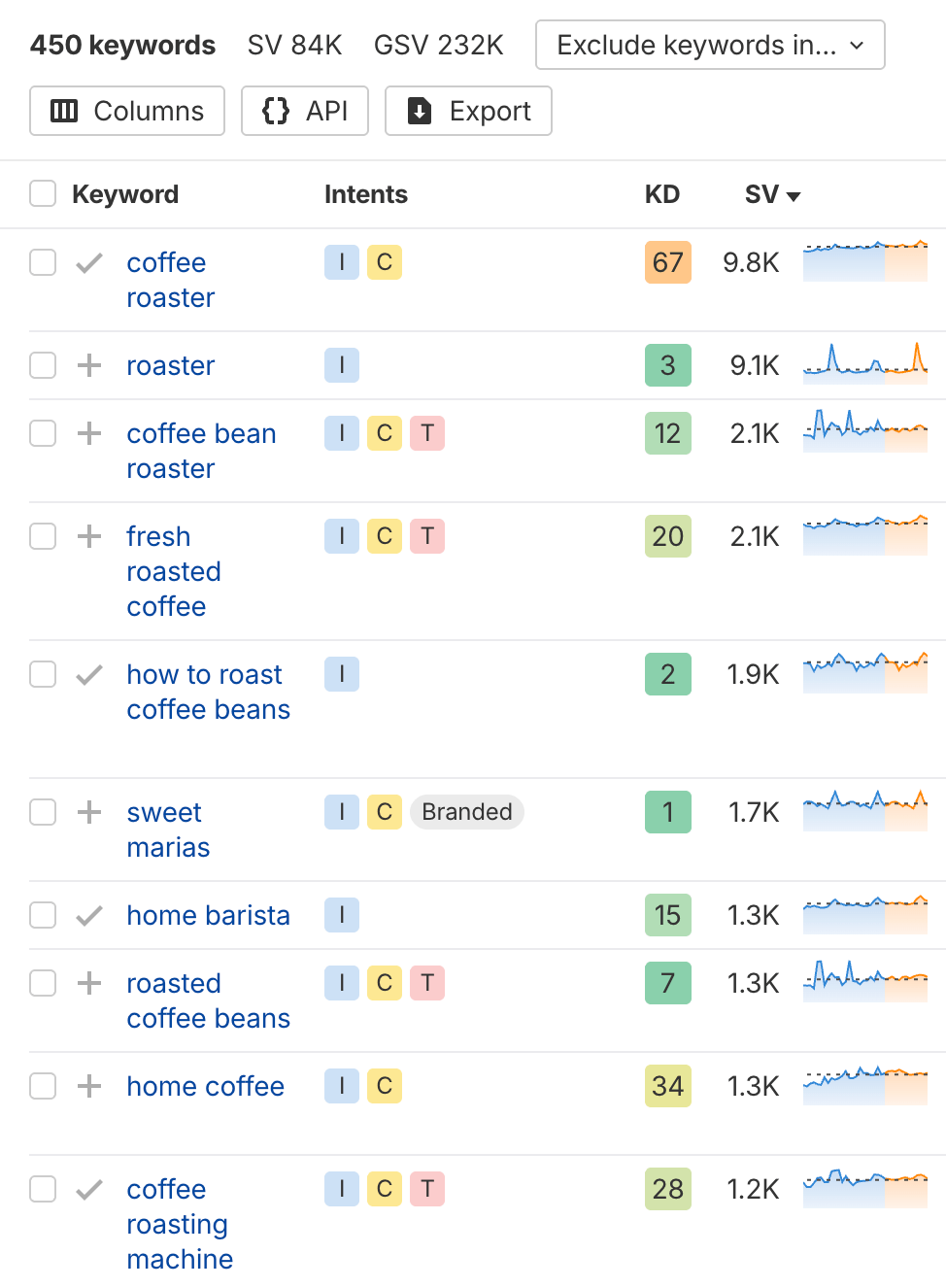
Identifying secondary keywords can be achieved through several effective methods. One of the most straightforward approaches is to examine the keywords that top-ranking pages already rank for. In Ahrefs’ Keywords Explorer, entering a primary keyword and navigating to the "Related terms" > "Also rank for" report will reveal keywords that the top 10 ranking pages for the primary term also rank for. These are prime candidates for secondary keywords as they have proven to be contextually relevant. This report often lists hundreds or thousands of keywords, which can be refined using filters. The "Parent Topic" filter is particularly useful, as keywords sharing the same parent topic are considered by Google to be related and can typically be targeted on a single page.
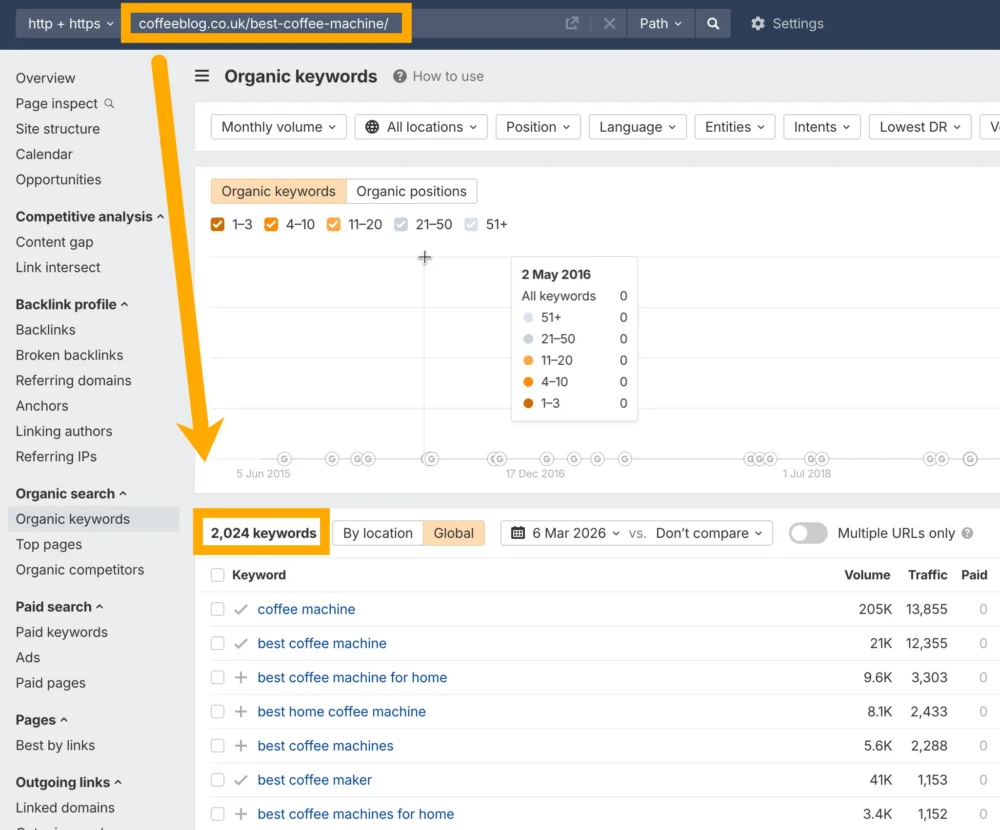
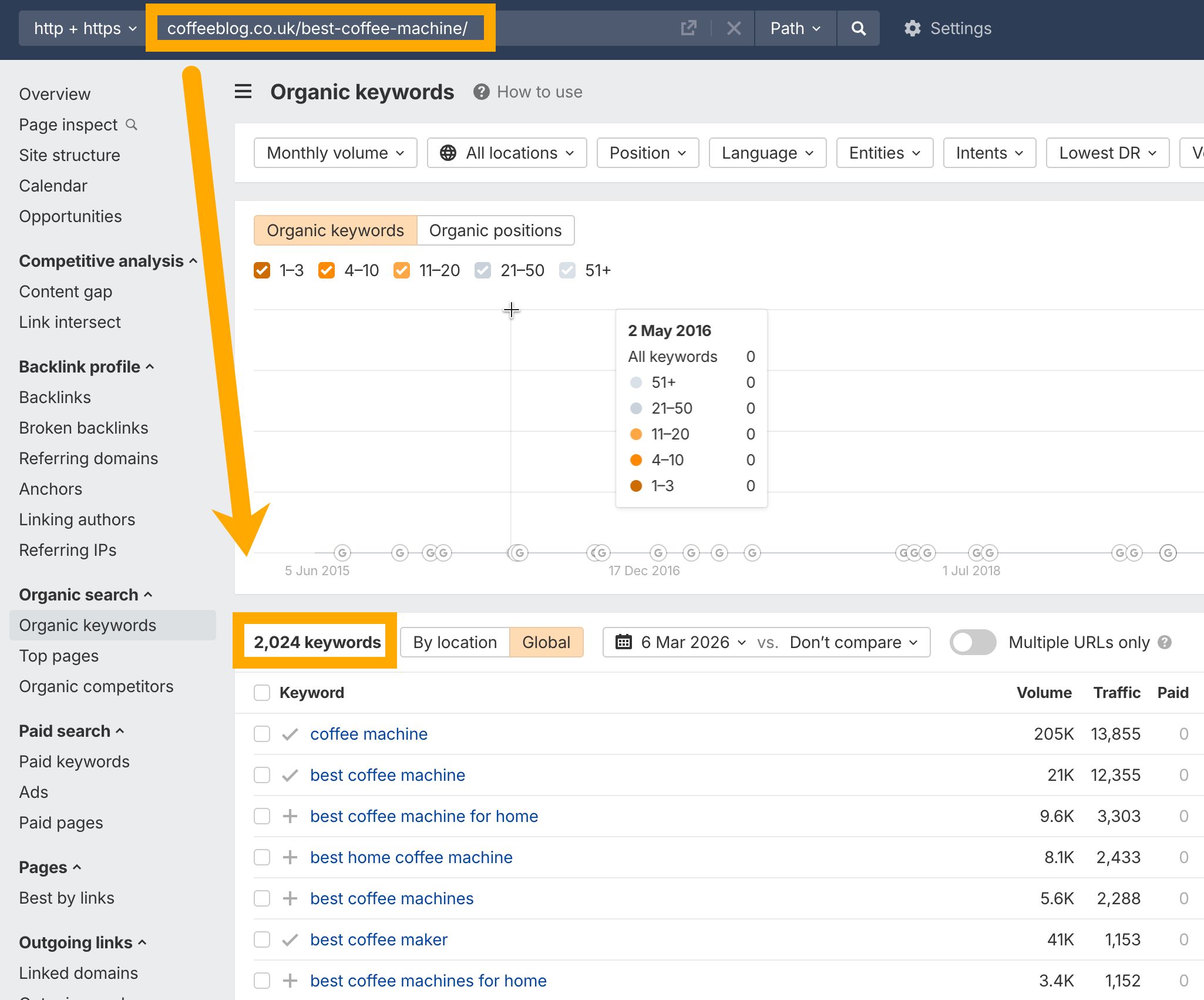
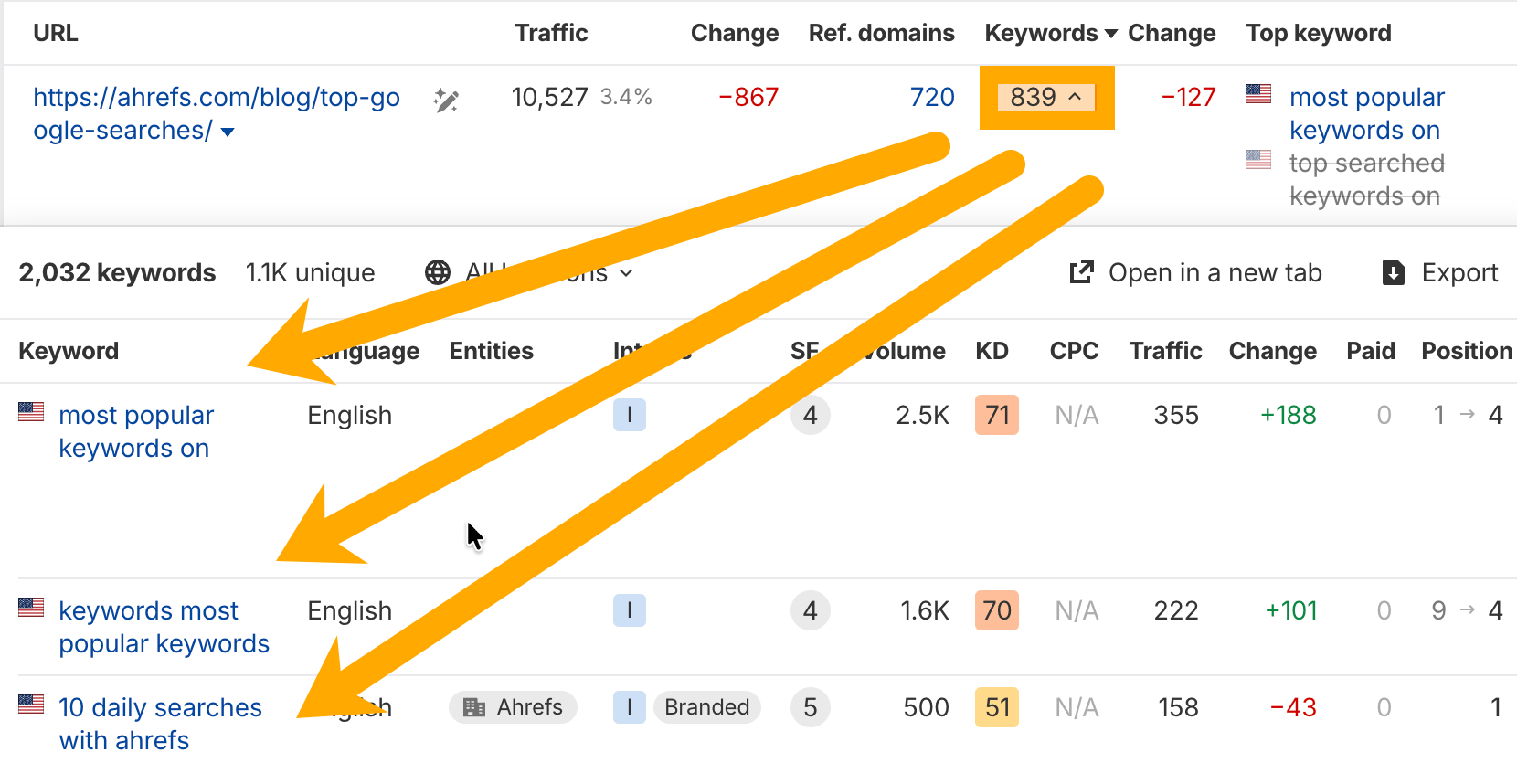
Another strategy involves analyzing competitor content. By inputting the URL of a top-ranking page into Ahrefs’ Site Explorer and viewing its "Organic keywords" report, one can discover all the keywords that specific page ranks for. Exporting this list and looking for keywords that are semantically related to the primary target, or that represent gaps in your own content, can reveal valuable secondary keyword opportunities. This method is especially beneficial when updating existing content, allowing for a comparison of rankings against competitors to identify areas for improvement.
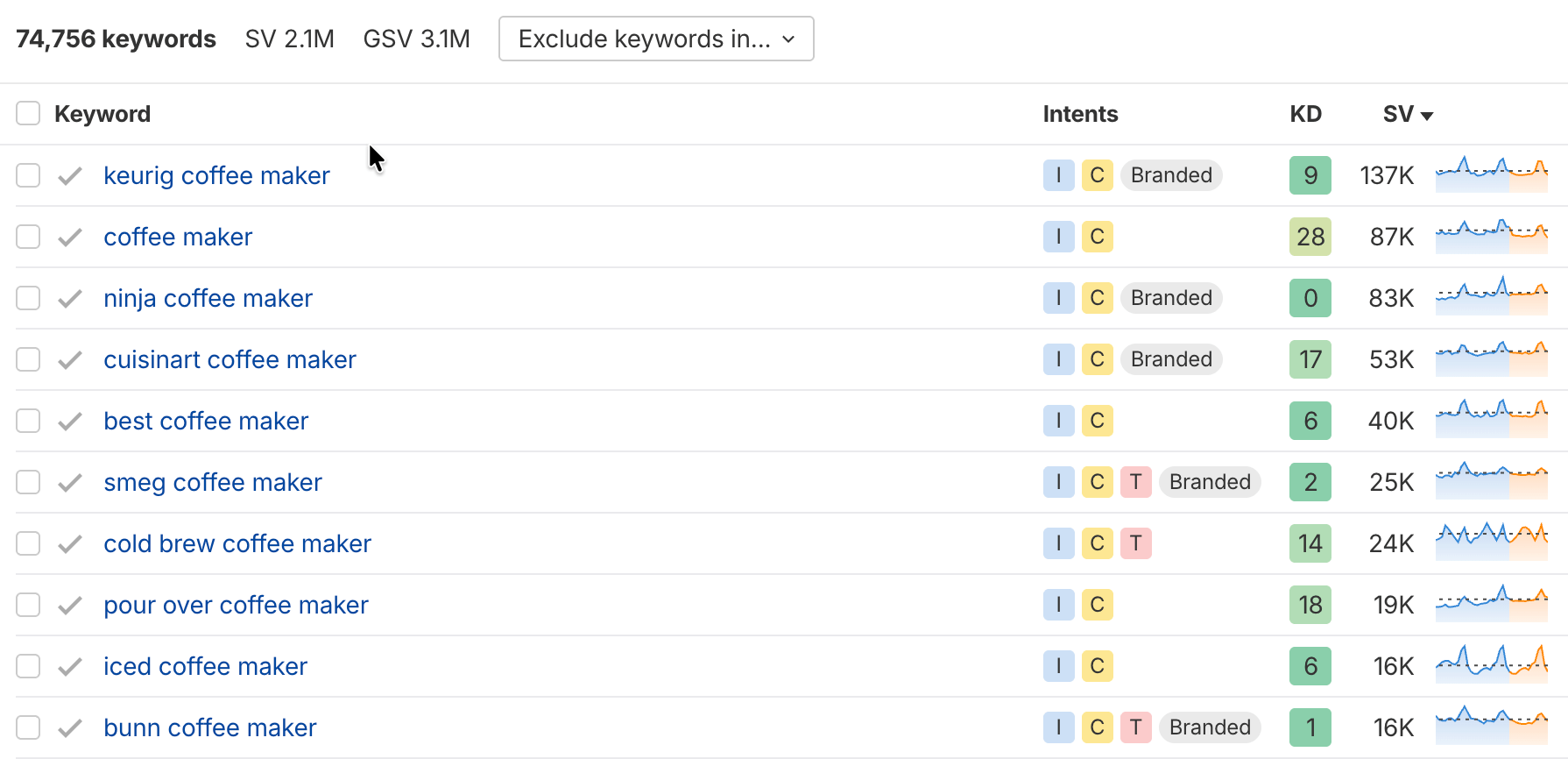
The "Matching terms" report in Keywords Explorer offers a different perspective by showcasing keyword variations that include the seed terms. This report has two modes: "Exact match" and "Phrase match." For instance, if the seed keyword is "coffee maker," the "Exact match" mode will display keywords containing "coffee maker." This report is excellent for finding question-based keywords; filtering for terms like "what," "how," or "why" can uncover questions that the article should address.
Additionally, AI tools can assist in suggesting subtopics. Ahrefs’ AI Content Helper analyzes top-ranking pages for a given keyword and proposes subtopics that should be included in the content. By scanning the content of SERP leaders, it highlights gaps in a draft, providing an AI-generated list of topics and questions that high-performing pages address. This is invaluable for creating comprehensive guides and ensuring all relevant angles are covered by reverse-engineering successful search results.
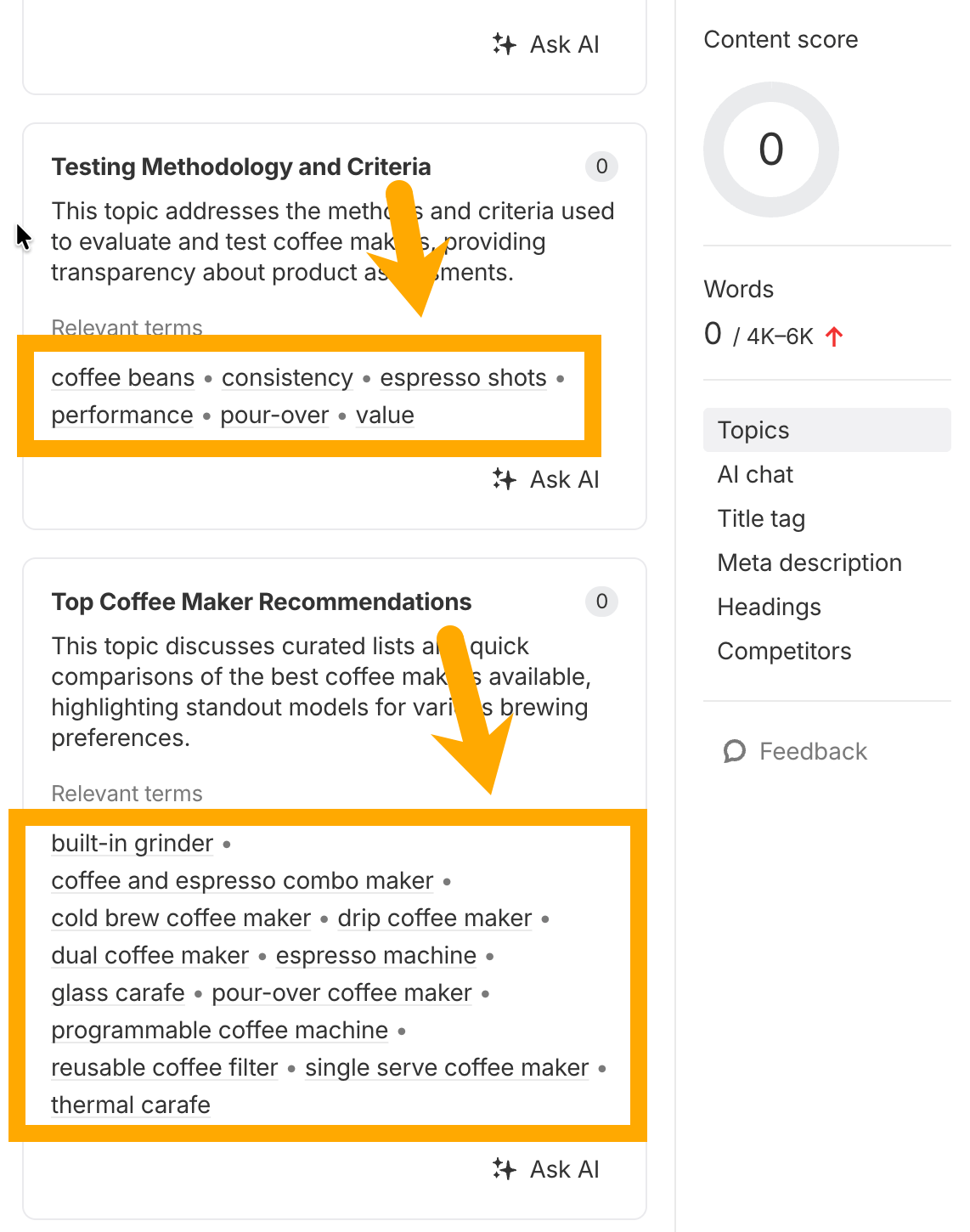
The optimal number of secondary keywords for an article is not fixed but depends on the topic’s depth and content format. A general guideline suggests targeting 3-5 main secondary keywords per article, which are intentionally integrated into subheadings and the body. However, comprehensive content naturally ranks for many more. The key is to focus on topic coverage rather than keyword count. Examining the keywords ranking for top pages provides insight into the subtopics that should be addressed. The "Parent Topic" feature in keyword tools can help determine if keywords are suitable for a single page or if they warrant separate articles. It is crucial to avoid keyword stuffing and unnatural placements, prioritizing readability and natural language.
Secondary keywords are distinct from long-tail keywords and LSI keywords. Long-tail keywords are characterized by their low search volume and high specificity, while secondary keywords are defined by their relationship to a primary keyword. There is overlap, as a secondary keyword can also be long-tail, but not all secondary keywords are long-tail. The distinction between primary and secondary is strategic, concerning the keyword’s role in content, whereas long-tail vs. short-tail is about the keyword’s characteristics. The concept of LSI keywords, often used to mean "related keywords," is based on an outdated SEO technique. Google employs advanced natural language processing, not LSI. Focusing on secondary keywords, which are derived from actual search data and the ranking behavior of real pages, is a more practical and effective approach than trying to identify theoretical "LSI" terms.

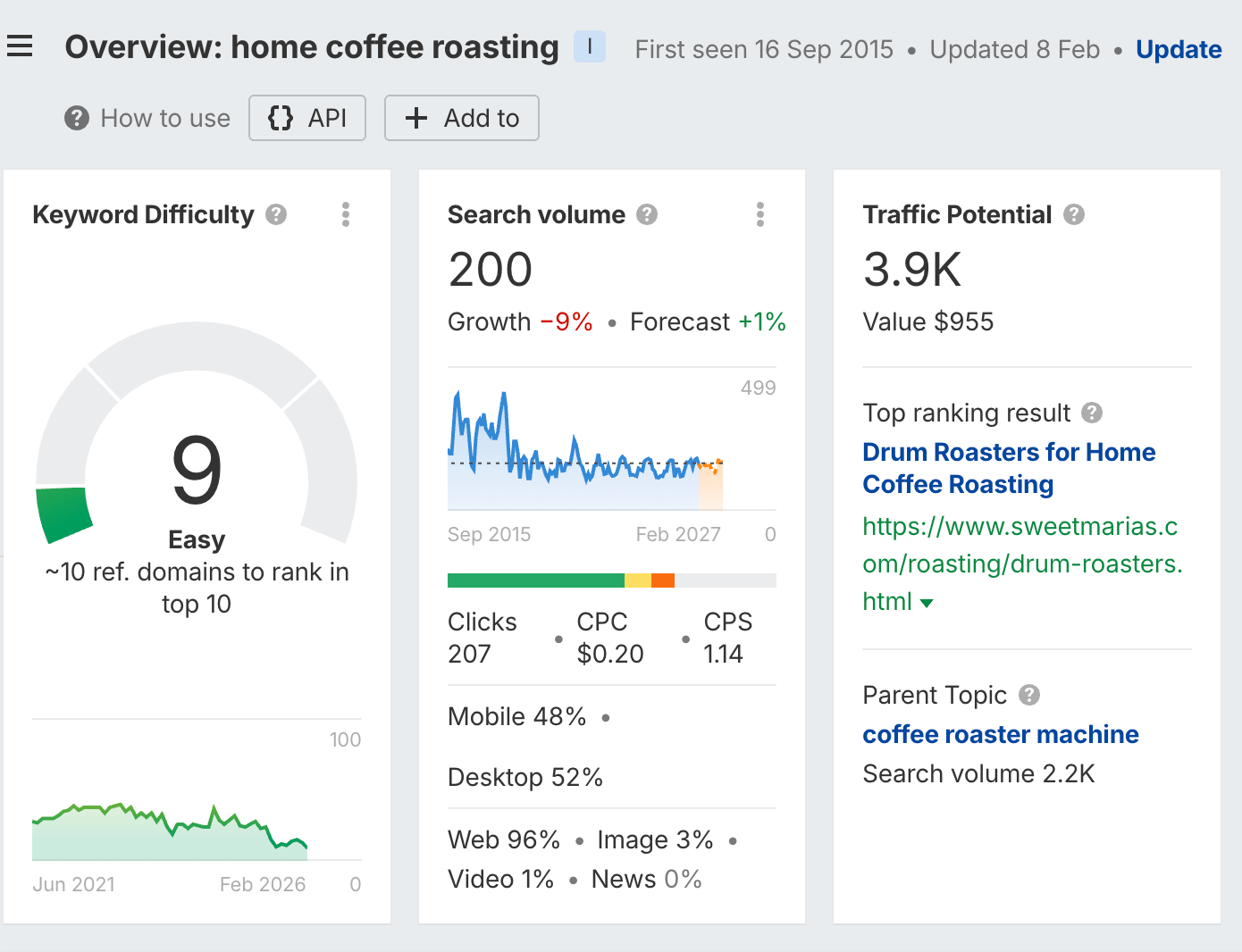
A practical example of finding and mapping secondary keywords can be illustrated with the topic "home coffee roasting." After identifying "home coffee roasting" as the primary keyword, analysis in Keywords Explorer reveals a significant Traffic Potential for the top-ranking page, indicating substantial traffic from secondary keywords. Using the "Related terms > Also rank for" report surfaces keywords like "coffee bean roaster," "best home coffee roaster," "how to roast coffee beans at home," and "small coffee roaster." Many of these share the same Parent Topic, confirming their suitability for targeting on a single page. Based on these secondary keywords, an article outline might include sections on "Choosing a Home Coffee Roaster," "The Roasting Process," and "Understanding Roast Levels." This allows secondary keywords to naturally guide the content structure.
Advanced strategies involve keyword clustering and mapping. Keyword clustering groups related keywords based on search intent and SERP overlap, ensuring that keywords with similar search results are targeted on a single page to avoid keyword cannibalization. Keyword mapping assigns these clusters to specific pages within a content hierarchy, creating a clear structure and identifying content gaps. For instance, a "how to make espresso" cluster might include "espresso recipe" and "making espresso at home," mapped to an "/espresso-guide/" page. This process helps organize keywords at scale, especially for larger websites. Tools like Ahrefs offer features to facilitate this by analyzing keyword relationships and parent topics, aiding in the creation of a comprehensive keyword map and the identification of potential content cannibalization issues.
In conclusion, secondary keywords are indispensable for maximizing content reach. They represent the diverse ways users search for a topic, enabling a single piece of content to rank for a multitude of related queries. By leveraging tools to identify these terms, focusing on natural integration, and understanding their role alongside primary keywords, content creators can significantly enhance their organic search performance and overall traffic potential. The ultimate goal is not to meet a keyword quota but to comprehensively address the underlying topics that users are searching for, thereby building authority and attracting a broader audience.