 11
11
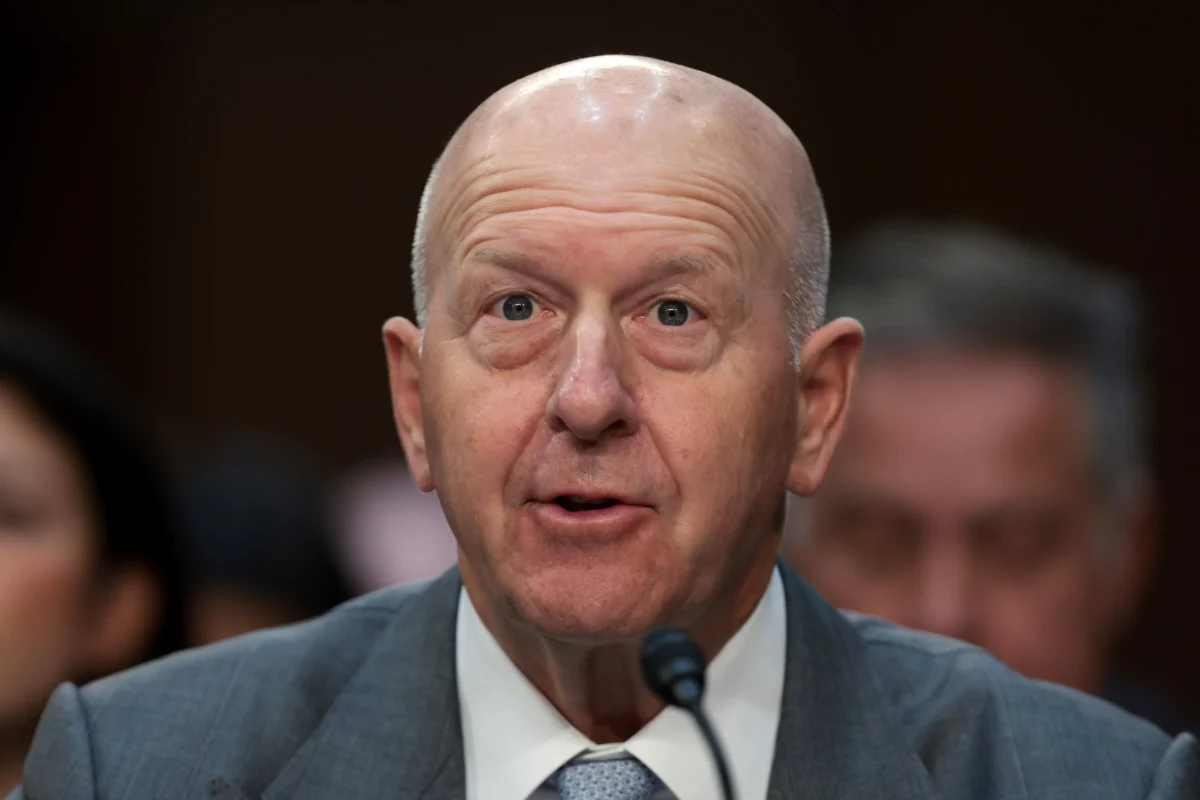
Davos, Switzerland – January 22, 2026 – David Solomon, the Chief Executive Officer of Goldman Sachs, speaking on CNBC’s Squawk Box at the World Economic Forum, faced pointed questions regarding the firm’s recent financial performance. While the broader financial institution delivered results that surpassed overall market expectations for the first quarter of 2026, a significant underperformance within its historically dominant fixed income division cast a shadow over the otherwise positive earnings report. This divergence in performance has drawn considerable attention on Wall Street, particularly as key competitors posted robust gains in the same sector.
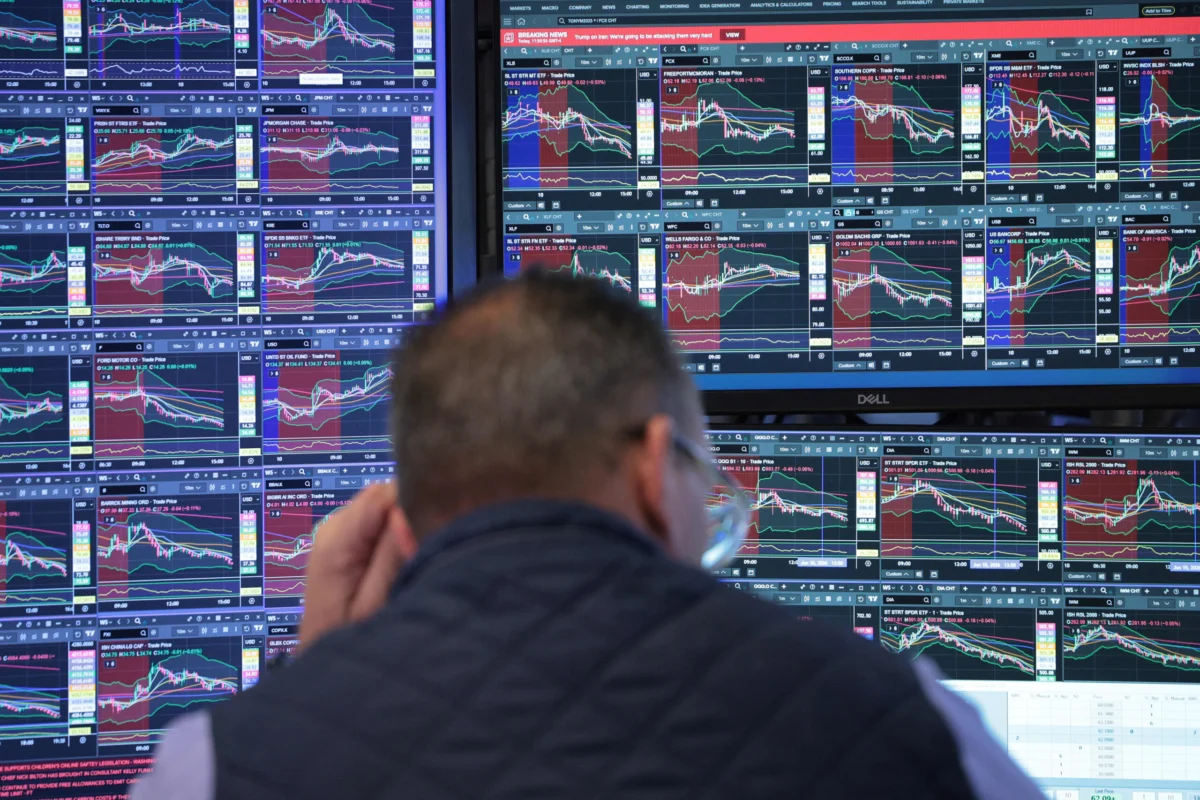
Goldman Sachs’ fixed income revenue for the first quarter of 2026 experienced a notable decline of 10%, falling short of analyst projections by a substantial $910 million, according to data compiled by StreetAccount. This miss represents an unusually large deviation for a business segment that has long been a cornerstone of Goldman Sachs’ identity and profitability.
In the wake of the earnings release, Chief Financial Officer Denis Coleman addressed the disappointing figures during an analyst call, attributing the performance to the prevailing market environment. "It was basically just a function of the overall environment making markets," Coleman stated. "We remain actively engaged with clients, but our performance in rates and mortgages was relatively lower."
However, this explanation was juxtaposed against the stellar results reported by many of Goldman Sachs’ major rivals in the fixed income space. JPMorgan Chase, Morgan Stanley, and Citigroup all unveiled blockbuster first-quarter earnings for their fixed income trading operations, underscoring the fact that Goldman Sachs’ vaunted fixed income traders had indeed underperformed the broader market.
JPMorgan Chase reported a remarkable 21% surge in fixed income trading revenue, reaching $7.1 billion, marking the bank’s second-highest revenue haul ever in this segment. Morgan Stanley, despite fixed income being a secondary focus compared to its equities business, achieved a significant 29% increase in its bond trading revenue. Citigroup also contributed to the positive trend, with its bond trading revenue climbing 13% to $5.2 billion.
The historical significance of Goldman Sachs’ fixed income division cannot be overstated. Since the era of Lloyd Blankfein’s leadership, predating the 2008 financial crisis, the firm’s fixed income operations have been the benchmark for trading prowess on Wall Street. Goldman Sachs cultivated a reputation for generating outsized gains, particularly during periods of market volatility and dislocation. This identity as a firm that thrives in turbulent times has persisted for over a decade, making the first-quarter stumble particularly conspicuous.
Veteran Wells Fargo analyst Mike Mayo characterized Goldman Sachs’ fixed income results as "worst-in-class," highlighting the anomaly. "It seems that something went wrong at Goldman in fixed income," Mayo commented in an interview with CNBC. He suggested that the underperformance would likely instigate a significant internal review, stating, "I’d imagine that at Goldman, a fire is being lit under the traders, managers and risk overseers in FICC [Fixed Income, Currencies, and Commodities] after such an underperformance."
The prevailing theory among market participants, who requested anonymity to speak candidly, suggests that Goldman Sachs may have been caught off guard by shifts in interest rate-related trades during the first quarter. This positioning was influenced by market expectations at the beginning of the year, which largely anticipated at least two interest rate cuts by the Federal Reserve in 2026.
However, a confluence of geopolitical events, specifically a surge in oil prices triggered by the advent of the Iran war, dramatically altered inflation expectations. This shift led markets to reprice the likelihood of rate cuts, with some investors even beginning to contemplate the possibility of interest rate hikes within the year.
The fixed income segment emerged as the sole area of weakness in an otherwise strong quarter for Goldman Sachs, which benefited from the robust performance of its equities traders and investment bankers. Despite exceeding overall earnings expectations, the firm’s stock price experienced a decline of approximately 4% on the day of the earnings report.
Goldman Sachs declined to provide further comment on the matter. However, CEO David Solomon, during the company’s earnings conference call, attempted to provide a broader perspective on the firm’s performance. "When I look at the scale and the diversity of the business, it’s performing very, very well," Solomon remarked. "Some quarters, it’s going to be stronger here, stronger there." While Solomon’s statement emphasized the overall strength and diversification of Goldman Sachs’ operations, the significant underperformance in its core fixed income business remains a key talking point and a challenge for the firm to address. The precise reasons behind this specific segment’s underperformance, especially in contrast to its peers, will likely be a focus of scrutiny in the coming quarters.