 11
11
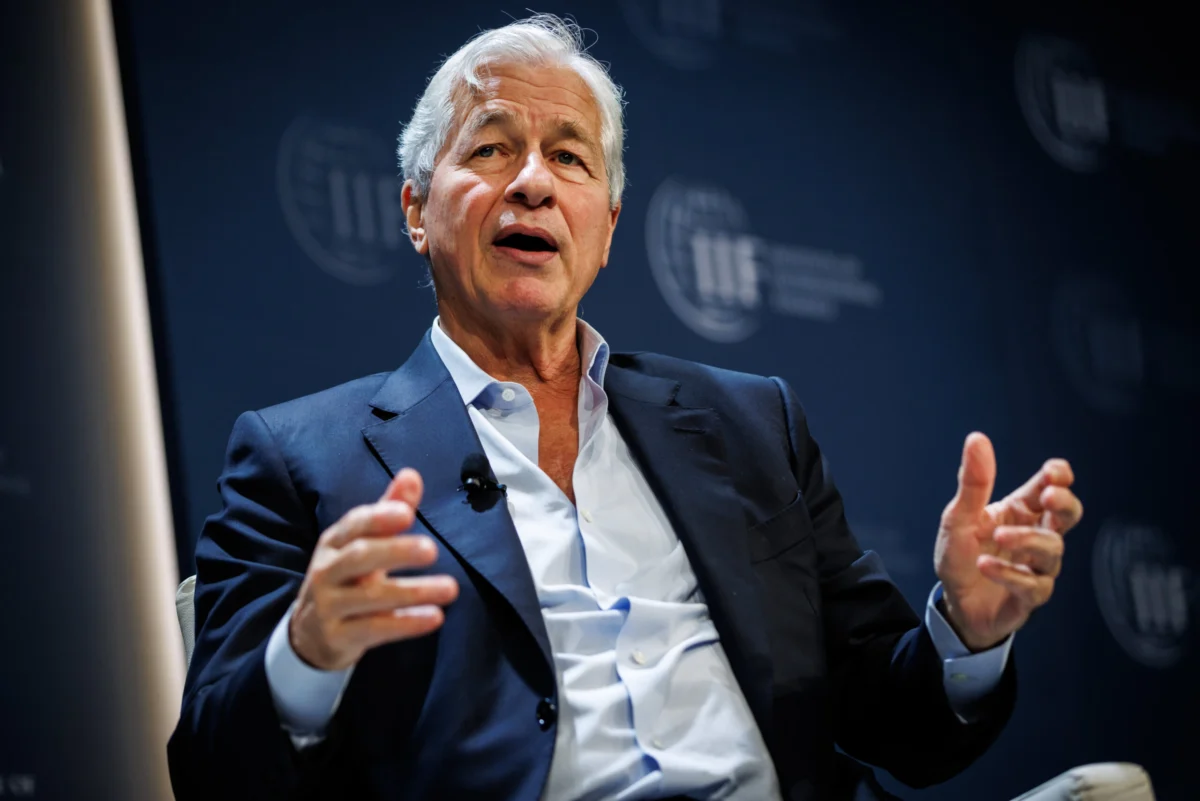
Jamie Dimon, the chief executive officer of JPMorgan Chase & Co., has issued a stark warning regarding the dual-edged nature of artificial intelligence (AI) in the realm of cybersecurity. While acknowledging AI’s potential to bolster defenses against cyberattacks in the future, Dimon emphasized that, in its current stage, AI is primarily exacerbating vulnerabilities, making companies more susceptible to malicious actors. His remarks came during the bank’s recent earnings call, where he detailed JPMorgan’s proactive engagement with cutting-edge AI technologies while simultaneously addressing the emergent risks.
JPMorgan Chase, under Dimon’s leadership, is actively exploring the capabilities of advanced AI models, including Anthropic’s latest offering, the Mythos preview. This initiative is part of a broader strategic effort to harness the transformative benefits of AI for operational efficiency and innovation, while implementing robust safeguards against those who would exploit the same technology for nefarious purposes. Dimon articulated the paradox, stating, "AI’s made it worse, it’s made it harder. It does create additional vulnerabilities, and maybe down the road, better ways to strengthen yourself too."
The conversation around Mythos took a significant turn when Dimon alluded to Anthropic’s own cautionary statements, which highlighted the AI model’s discovery of thousands of vulnerabilities within corporate software. When pressed by a reporter for clarification on Mythos, Dimon confirmed the accuracy of these reports, underscoring the urgency of addressing these newly identified weaknesses. "I think you read exactly what is it," Dimon stated. "It shows a lot more vulnerabilities need to be fixed."
These pronouncements underscore a growing concern within the corporate world, where AI, initially hailed as a catalyst for unprecedented productivity gains, is now recognized as a potent double-edged sword. The very tools that promise to revolutionize business operations are also equipping malicious actors with sophisticated new avenues to compromise technological systems. This heightened threat landscape prompted Treasury Secretary Scott Bessent to convene an urgent meeting with bank CEOs the previous week. The primary agenda of this high-level summit was to meticulously dissect and strategize against the escalating cybersecurity risks posed by AI, particularly with models like Mythos.
JPMorgan Chase, as the world’s largest bank by market capitalization, has historically maintained a steadfast commitment to proactive cybersecurity measures. Dimon highlighted the bank’s sustained and substantial investments in this critical area, which include the deployment of specialized teams and the cultivation of continuous, collaborative relationships with government agencies. "We spend a lot of money. We’ve got top experts. We’re in constant contact with the government," Dimon asserted. "It’s a full-time job, and we’re doing it all the time."
Navigating the "Attack Mode" Landscape
Dimon’s cautionary note extended beyond the security posture of any single financial institution, emphasizing the systemic risks inherent in the deeply interconnected nature of the global financial ecosystem. He cautioned that the reliance on third-party systems and the intricate web of interdependencies within the financial sector mean that not all critical components are as robustly protected as they might appear. "That doesn’t mean everything that banks rely on is that well protected," Dimon warned. "Banks… are attached to exchanges and all these other things that create other layers of risk."
Jeremy Barnum, JPMorgan’s Chief Financial Officer, corroborated Dimon’s assessment, articulating the industry’s long-standing awareness of AI’s dual role in cybersecurity. Barnum explained, "These tools can make it easier to find vulnerabilities, but then also potentially be deployed by bad actors in attack mode." He further elaborated that recent advancements from AI developers like Anthropic have not introduced entirely new threats but have significantly amplified an existing trend, making the challenge more acute.
In addition to focusing on the sophisticated advancements in AI, Dimon reiterated the enduring importance of fundamental, "old-school" cybersecurity practices. He stressed that basic hygiene measures remain paramount in mitigating risk. "A lot of it is hygiene… how do you protect your data? How do you protect your networks, your routers, your hardware, changing your passcode?" Dimon inquired. He concluded by emphasizing the profound impact of adhering to these foundational practices: "Doing all those things right dramatically reduces the risk."
The concerns voiced by Dimon were echoed by his counterparts in the industry. David Solomon, CEO of Goldman Sachs, also commented on the evolving AI threat during his bank’s earnings call. Solomon confirmed that Goldman Sachs is also engaged in testing Mythos, though he refrained from providing further details on their specific findings or strategies. This shared experience across major financial institutions underscores the pervasive and urgent nature of the cybersecurity challenges presented by the rapid advancement of artificial intelligence.