 11
11

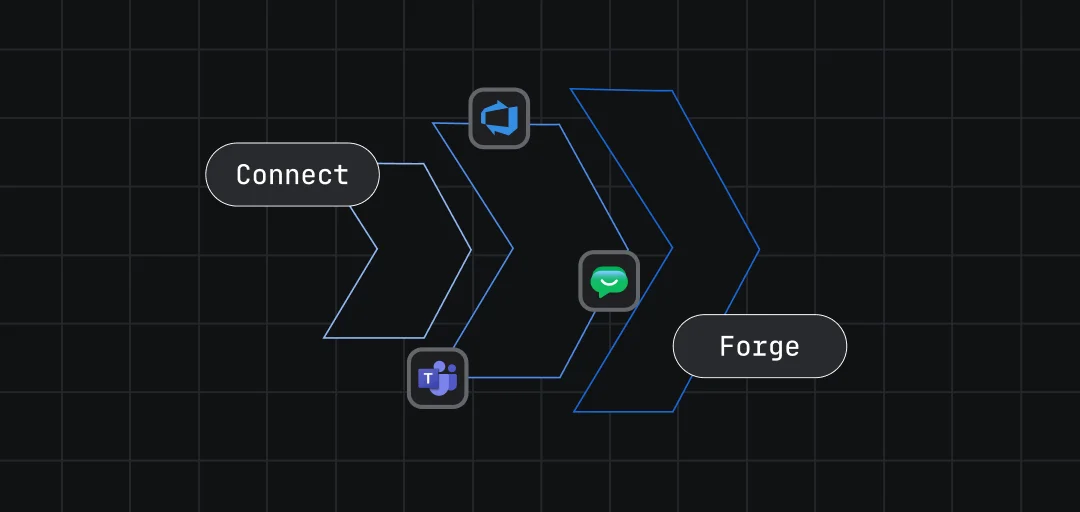
Atlassian has officially announced a significant evolution in its developer experience portfolio, signaling the phase-out of its internal developer portal (IDP), Compass, in favor of a new, more comprehensive solution titled DX Fabric. This strategic shift follows Atlassian’s recent acquisition of DX, a platform specialized in developer experience and engineering insights. The move is designed to address the burgeoning complexities of the AI-native software development lifecycle (SDLC), moving beyond the static cataloging of services toward an intelligence layer that actively measures and improves engineering health.
For several years, Compass served as a central hub for engineering teams, providing a solution to the fundamental organizational challenge of tracking software ownership, documentation, and repository locations. By consolidating these elements into a single pane of glass, Compass provided a shared map of an organization’s software architecture. However, Atlassian leadership noted that the landscape of software development has undergone a radical transformation driven by the integration of artificial intelligence. AI is no longer a peripheral tool but is now deeply threaded through every stage of the SDLC, including planning, coding, testing, operations, and incident response.
As AI adoption accelerates, engineering leaders have begun asking more complex questions that go beyond the "who owns what" model of Compass. Current industry concerns focus on the tangible impact of AI on developer productivity, the potential for AI-generated code to increase technical debt, and the overall health of software in an environment where both humans and AI agents contribute to the codebase. To answer these questions, Atlassian is positioning DX Fabric as the successor to Compass, integrating the core cataloging capabilities of the former with the advanced measurement and insight tools of the DX platform.
The transition from Compass to DX Fabric represents an evolution from a passive internal developer portal to an active engineering intelligence platform. While Compass focused primarily on mapping software components, DX Fabric is built to measure, understand, and improve how engineering organizations function. This shift is categorized by Atlassian into three primary pillars of focus: providing context for AI agents, measuring software health, and driving organizational change.
Under the first pillar, DX Fabric is designed to equip AI agents with rich architectural context. In a modern development environment, AI agents require more than just access to code; they need to understand the relationships between services, ownership structures, and existing documentation to make informed decisions. By providing this context through an AI-ready software catalog, DX Fabric enables these agents to accurately assess software health and drive changes with a higher degree of confidence. This "intelligence layer" ensures that AI tools are not operating in a vacuum but are aligned with the organization’s specific architectural standards.
The second pillar focuses on the measurement of software health and developer experience. Atlassian’s acquisition of DX brings a robust framework for tracking both quantitative and qualitative data. This allows organizations to move beyond traditional DORA metrics—such as deployment frequency and lead time for changes—to include developer sentiment and the specific impact of AI tools on the workflow. The goal is to provide a holistic view of the engineering organization, identifying bottlenecks that may hinder productivity or code quality.
The third pillar involves driving meaningful, data-driven organizational change. DX Fabric is intended to serve as a guide for both human teams and AI agents, using insights gathered from the software catalog and health metrics to suggest improvements. This transitions the IDP from a static directory into a dynamic tool for continuous improvement, helping teams maintain high standards even as the scale of their software grows and the pace of development increases.
For existing Compass customers, the announcement outlines a clear path forward. Atlassian has confirmed that Compass will be phased out, and the company is encouraging all current users to begin the transition to DX Fabric. To ensure continuity, the core functionalities of Compass, including service catalogs and scorecards, are being migrated to the DX platform. This move centralizes the tools used for tracking services and measuring software health into a single, more flexible environment.
DX Fabric will become the primary interface for Atlassian customers to manage several critical functions. Users will utilize the platform to maintain a comprehensive catalog of their software components, track ownership, and manage technical documentation. Furthermore, the platform will be used to set and monitor software standards through automated scorecards, which evaluate services based on security, reliability, and compliance metrics. Perhaps most importantly, DX Fabric will serve as the hub for analyzing the impact of AI on the development process, providing the data necessary to justify investments in AI tools or to pivot strategies where AI may be introducing inefficiencies.
The integration of DX into the Atlassian ecosystem is part of a broader trend in the software industry where "Developer Experience" (DevEx) is becoming a primary metric for organizational success. The acquisition of DX, which was founded by prominent researchers in the field of engineering productivity, provides Atlassian with the intellectual property and methodology required to measure the intangible aspects of development. This includes understanding the "flow state" of developers and identifying the "friction points" that lead to burnout or turnover.
Atlassian has emphasized that the evolution from Compass to DX Fabric was heavily influenced by the feedback and use cases provided by the Compass community. The company acknowledged that as organizations reached the limits of what a simple catalog could provide, the demand for a platform that could facilitate an AI-native SDLC became apparent. By merging the structural visibility of Compass with the analytical depth of DX, Atlassian aims to provide a tool that supports the next generation of engineering management.
The rollout of DX Fabric is already underway, with Atlassian offering early access to the new capabilities. The company is providing resources and guidance for Compass customers to facilitate a smooth migration, ensuring that the data and structures established in Compass are preserved and enhanced within the DX environment. This transition is framed not as an end to the Compass mission, but as a necessary expansion to meet the challenges of a world where software is increasingly written and managed by a combination of human intelligence and machine learning.
As the industry moves toward this AI-native future, the role of the Internal Developer Portal is being redefined. It is no longer sufficient for an IDP to be a "yellow pages" for microservices. It must now function as a sophisticated data engine that provides the context needed for AI agents to operate safely and the insights needed for human leaders to manage a hybrid workforce. With DX Fabric, Atlassian is betting that the future of engineering lies in this intersection of architectural context and behavioral data.
The announcement concludes by reinforcing Atlassian’s commitment to helping teams build healthier software and higher standards. By transitioning to DX Fabric, engineering teams are expected to gain a clearer understanding of their operational landscape, enabling them to navigate the complexities of AI integration while maintaining developer satisfaction and software integrity. The shift marks a definitive moment in Atlassian’s product strategy, placing AI-readiness and comprehensive engineering health at the forefront of its developer tools roadmap.