 11
11 1
1 2
2 3
3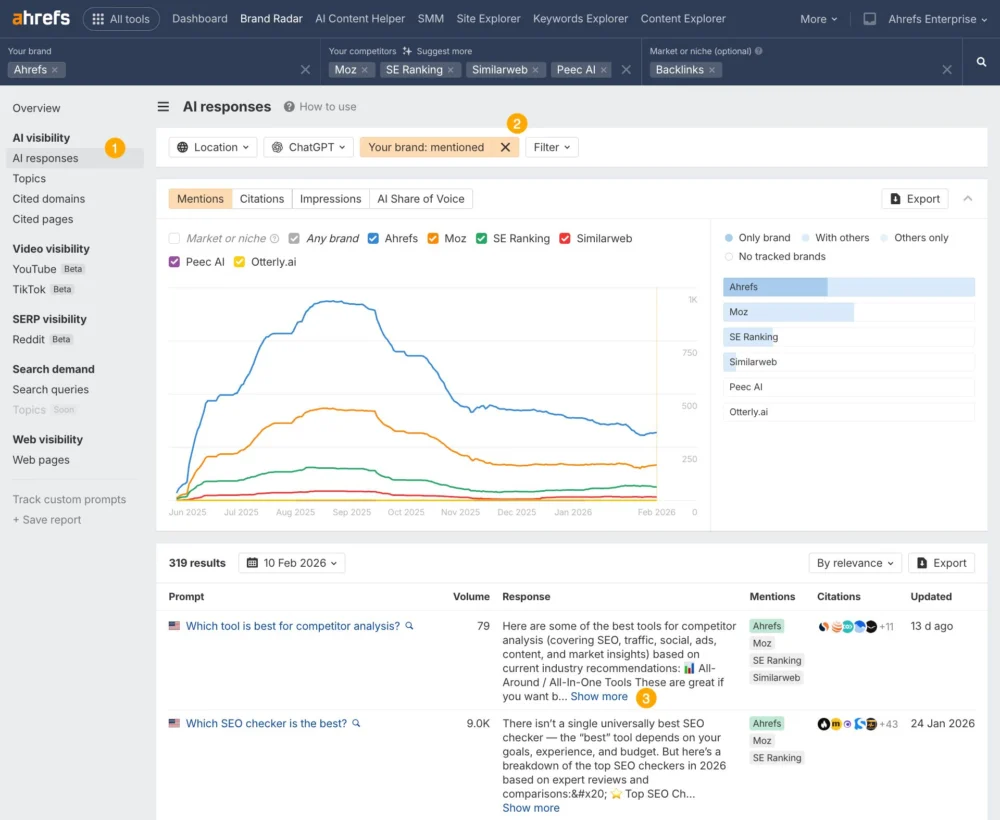
In today’s rapidly evolving digital landscape, artificial intelligence tools like ChatGPT are becoming indispensable for research, tool development, and even consumer purchases. However, many brands remain in the dark about their presence and performance within these AI platforms. They are appearing in thousands of AI-generated responses without any insight into which queries mention them, what sentiment is being expressed, or how they measure up against competitors. While basic monitoring tools exist, they offer a limited perspective, akin to predicting weather by glancing out a window. The dynamic nature of AI prompts, responses, and citations necessitates a robust data-driven approach.
Ahrefs Brand Radar offers a comprehensive solution, providing access to a database of over 13.5 million existing ChatGPT prompts. This platform empowers brands to meticulously track their visibility within AI responses and establish custom queries to monitor critical metrics. The following seven steps outline how to leverage Brand Radar to effectively measure, monitor, and enhance your AI visibility.
1. Benchmark Your ChatGPT Visibility Against the Competition
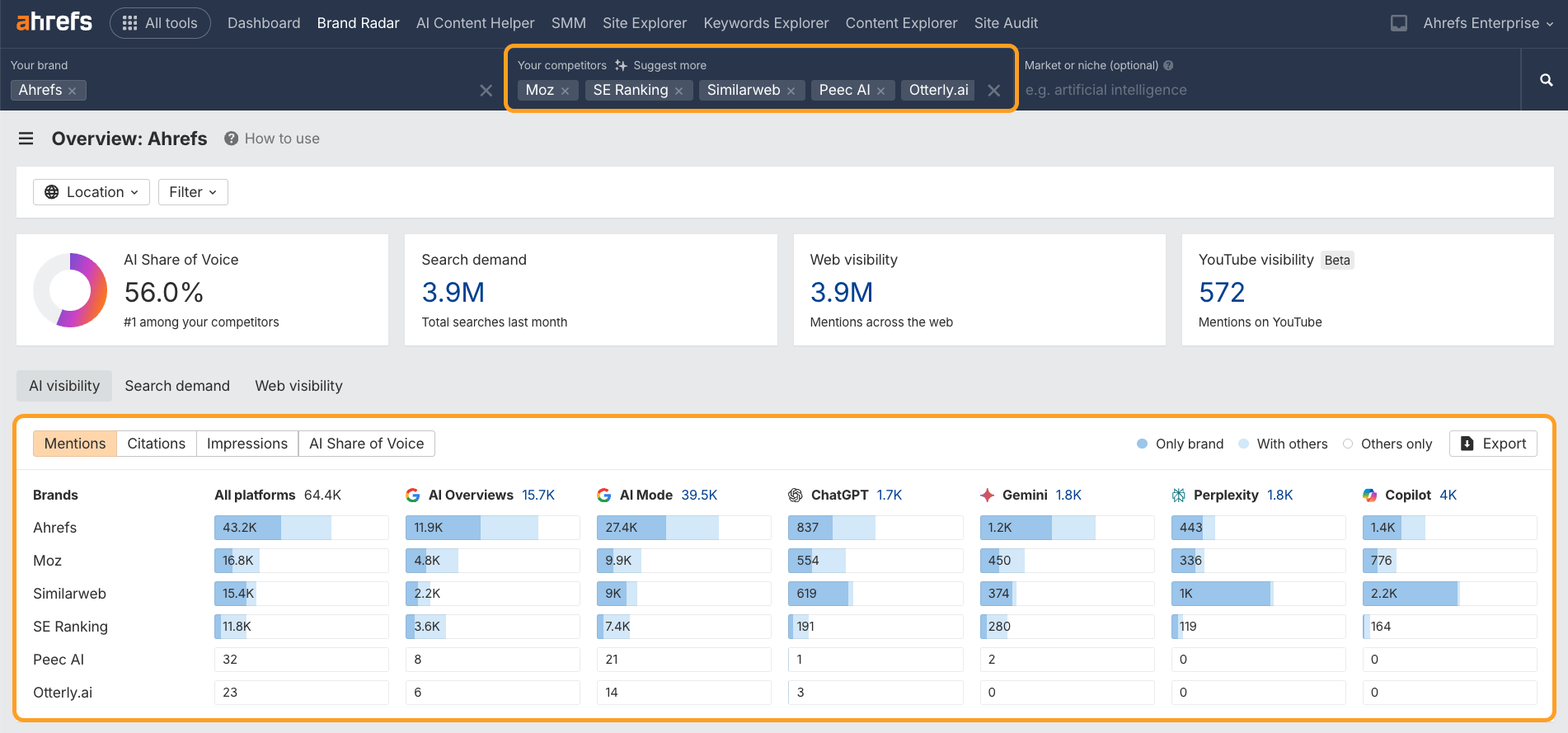
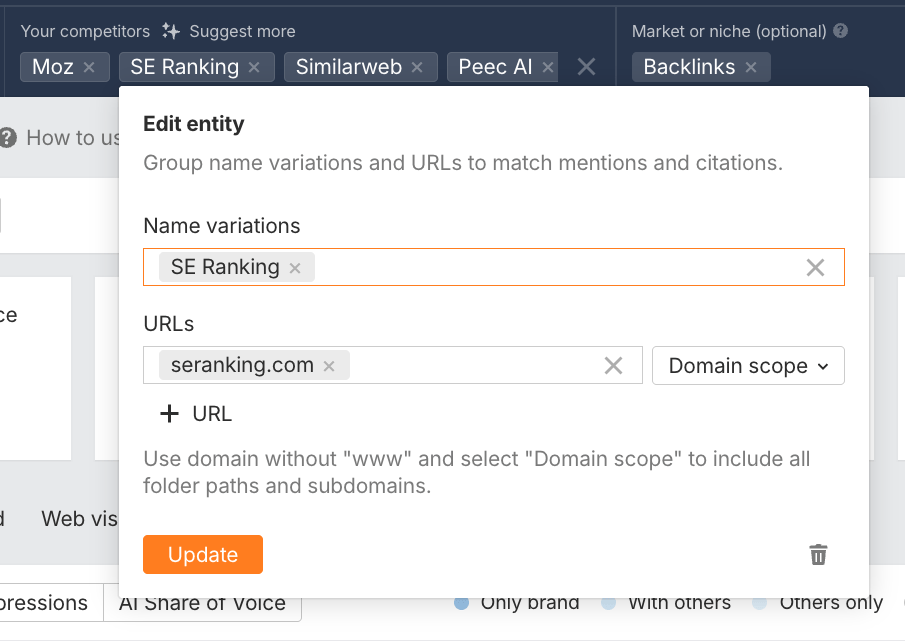
Brand Radar facilitates direct comparison with up to ten competitors, offering a clear view of your relative standing in ChatGPT responses. The setup process allows for manual competitor entry or AI-driven suggestions. Crucially, adding competitor domains or URLs during setup is essential for tracking their page visibility and citations within ChatGPT over time. To refine your analysis, the platform supports the inclusion of brand name variations, particularly useful when a brand name is also a common word.
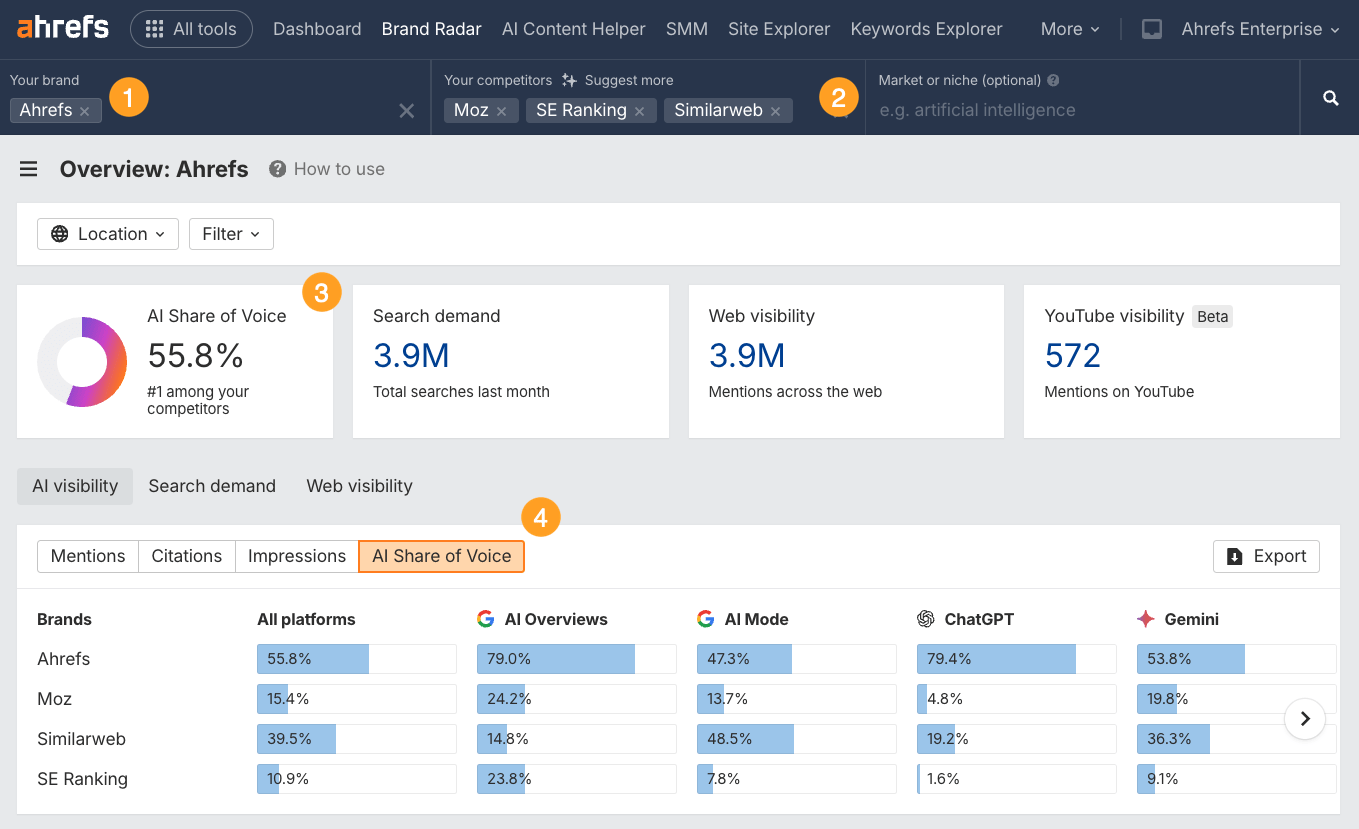
Upon configuration, Brand Radar presents side-by-side metrics for each brand, including:
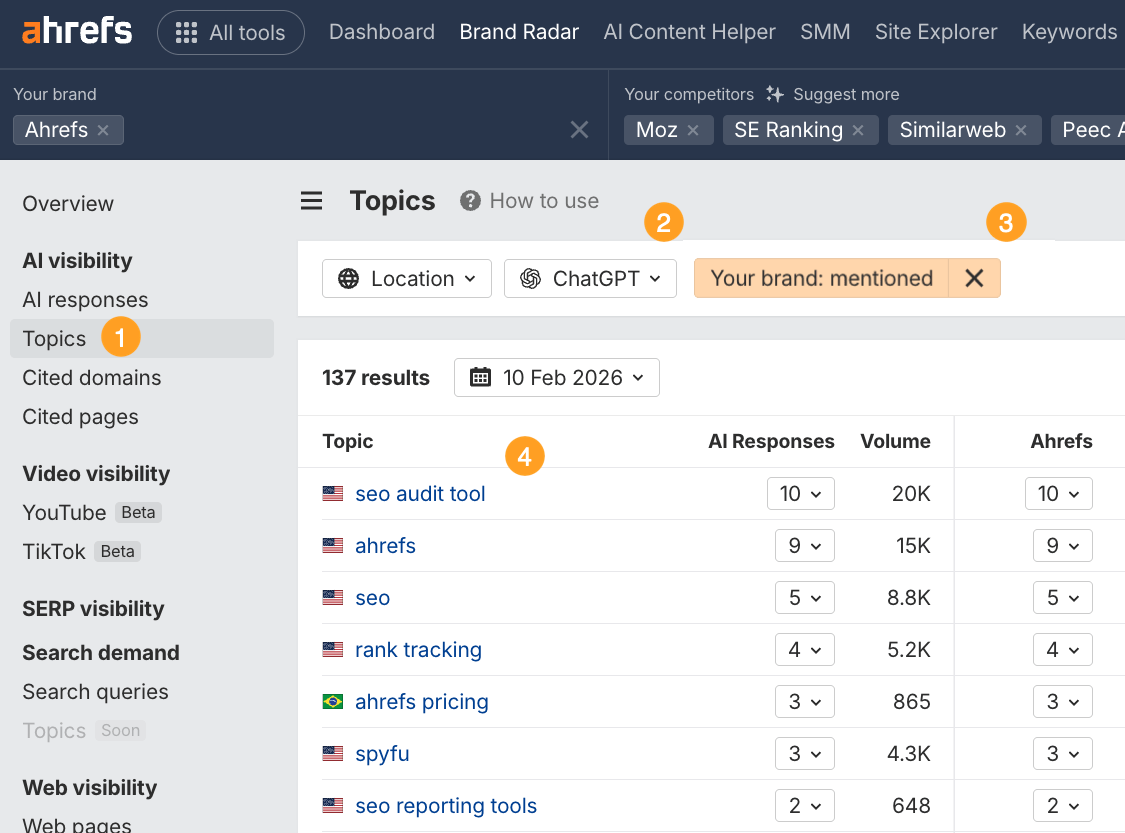
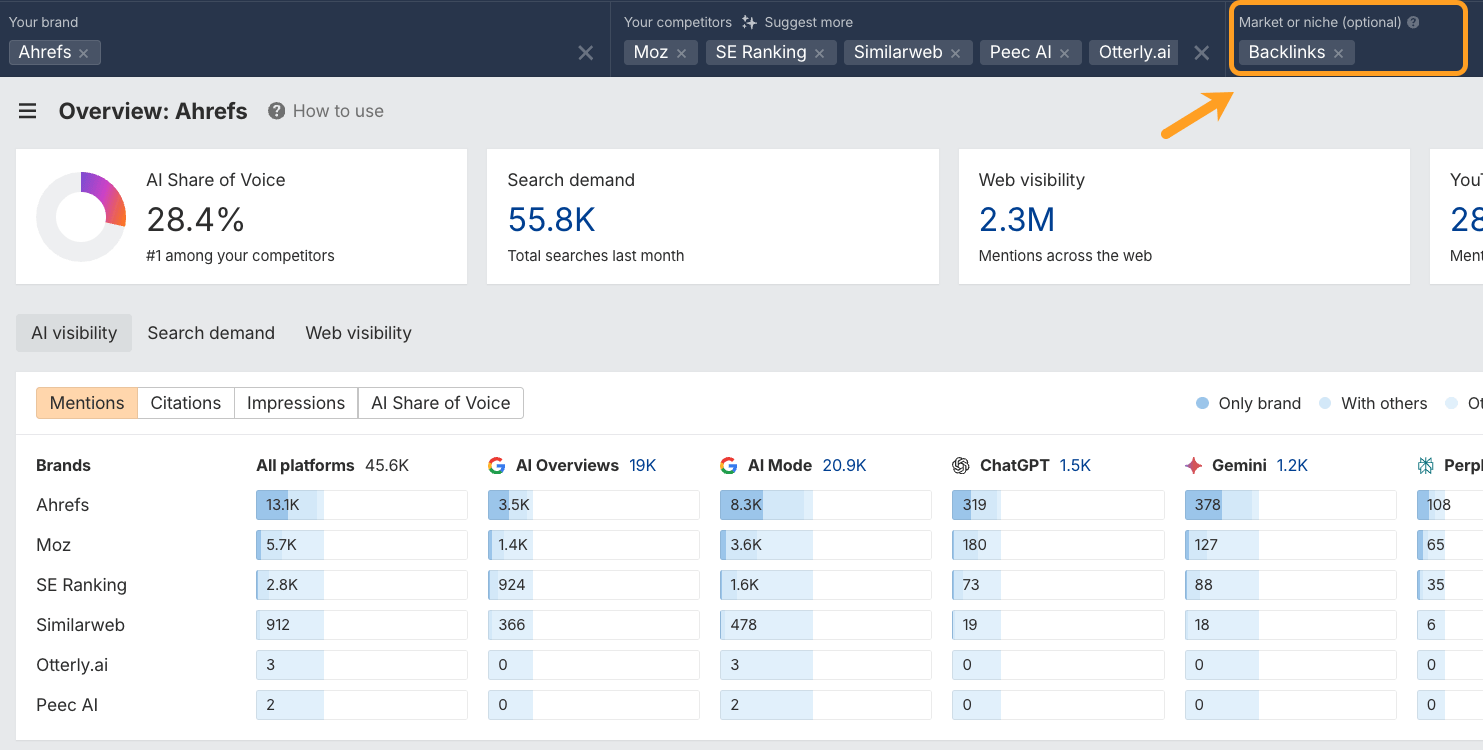
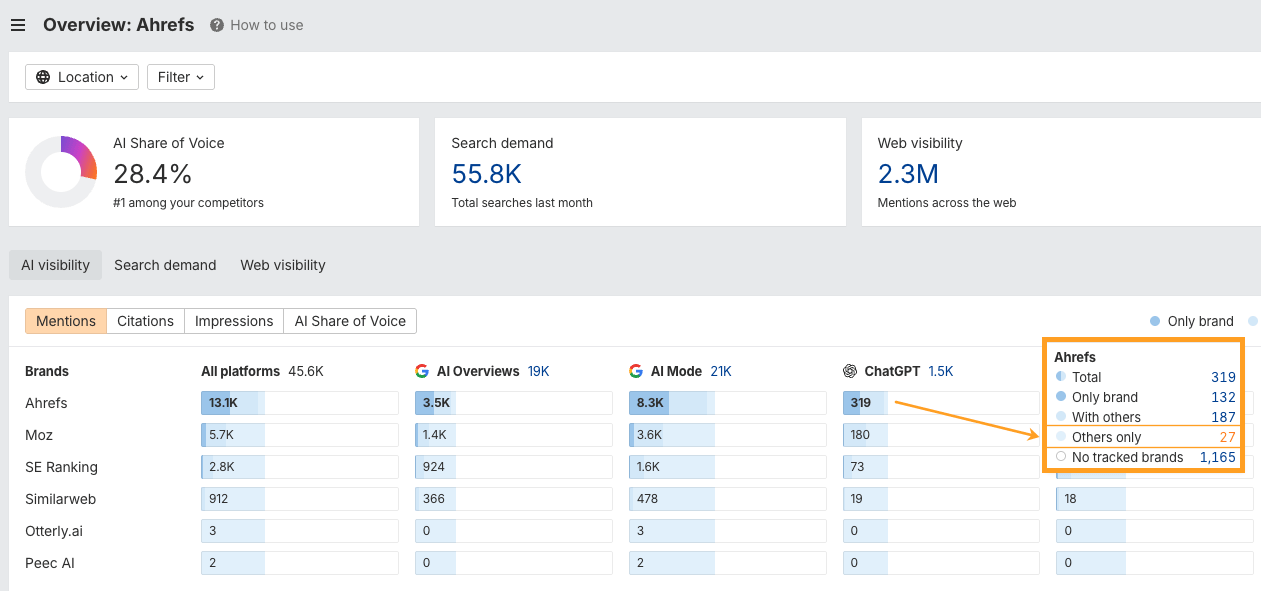
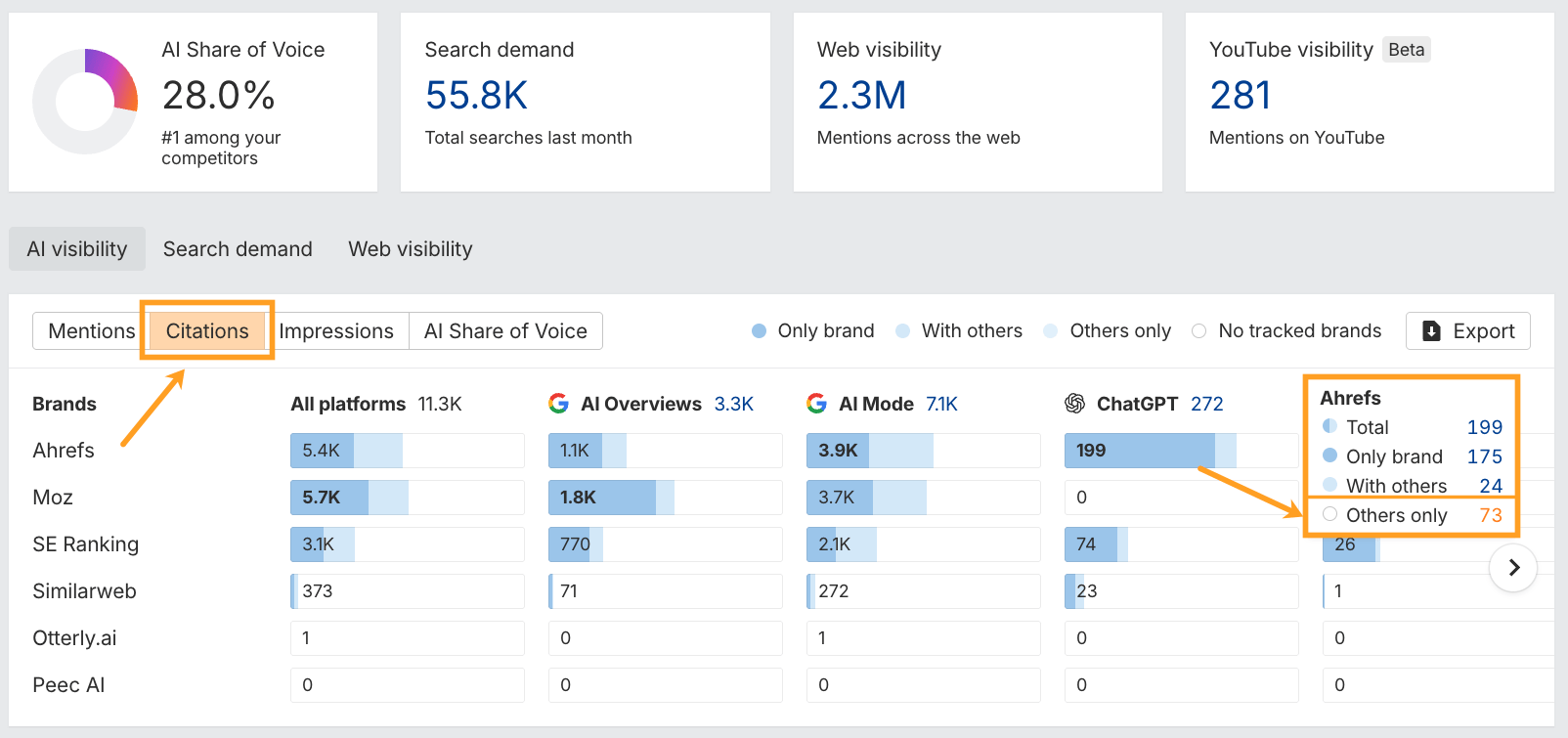
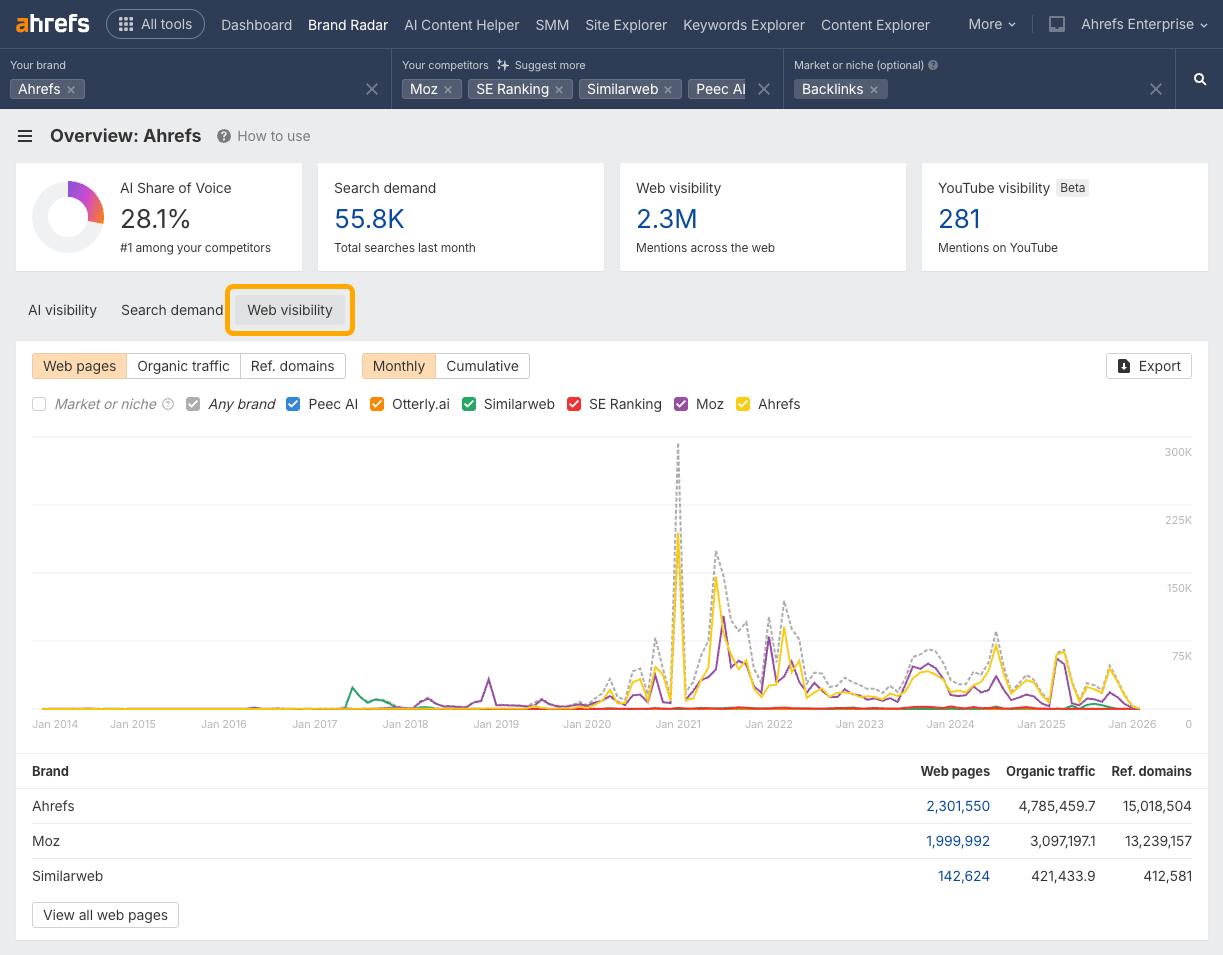
This enables competitor analysis across the entire Brand Radar database or within specific markets or niches. For instance, Ahrefs can focus on the "Backlinks" topic, a core area of their product offering. The overview dashboard then displays key metrics such as AI Share of Voice (e.g., 28.4%), search demand (e.g., 55.8K), and overall web visibility (e.g., 2.3 million mentions), with platform-specific mention counts detailed in a table.
2. Understand Your Share of Conversations
To answer the question of who holds greater visibility in ChatGPT – your brand or a competitor’s – Brand Radar offers the "AI Share of Voice" (AI SoV) report. This metric quantifies your brand’s prominence across prompts most likely to be encountered by users. Brand Radar emphasizes popularity-weighted visibility, meaning it prioritizes mentions in contexts that matter most.
Each prompt within Brand Radar is derived from search demand data, providing associated impression data to indicate topic popularity. These impressions can be understood as prompt "volumes," helping users prioritize the most impactful queries. Tracking AI SoV over time reveals the effectiveness of content strategies, PR efforts, and brand-building activities on AI visibility. An increasing AI SoV signifies improved recommendation frequency by ChatGPT, while a decline indicates a loss of ground. This benchmark serves as a foundation for deeper strategic analysis to understand and improve AI SoV.
3. Identify Top Topics, Mentions, and Pages
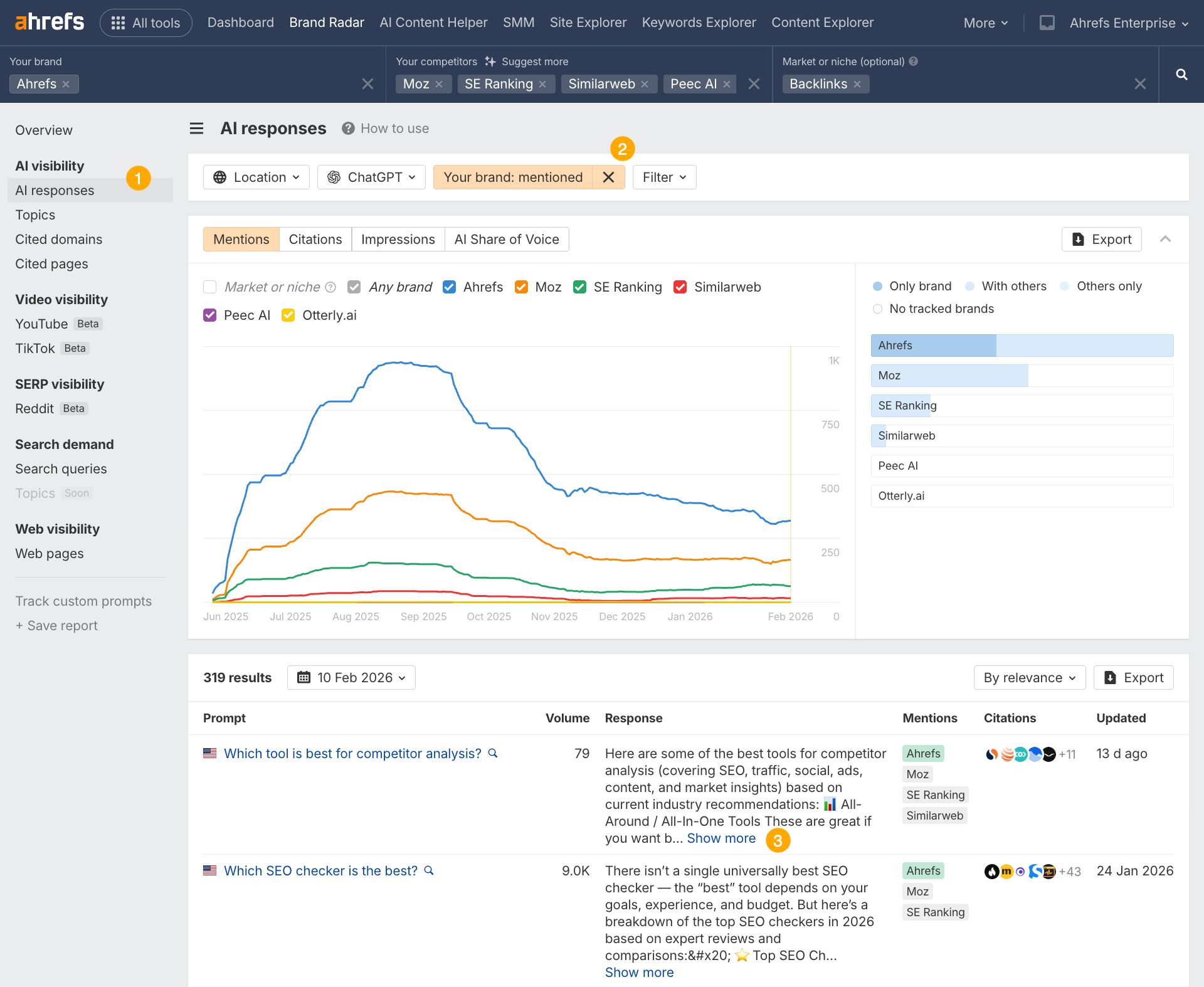
Beyond competitive benchmarking, Brand Radar helps identify the content that drives your visibility in AI search. The goal is to understand what ChatGPT "knows" about your brand and perceives you as an expert in. The platform details the topics for which your brand is recommended, the most frequent queries mentioning your brand, and the domains contributing to your brand mentions and citations.
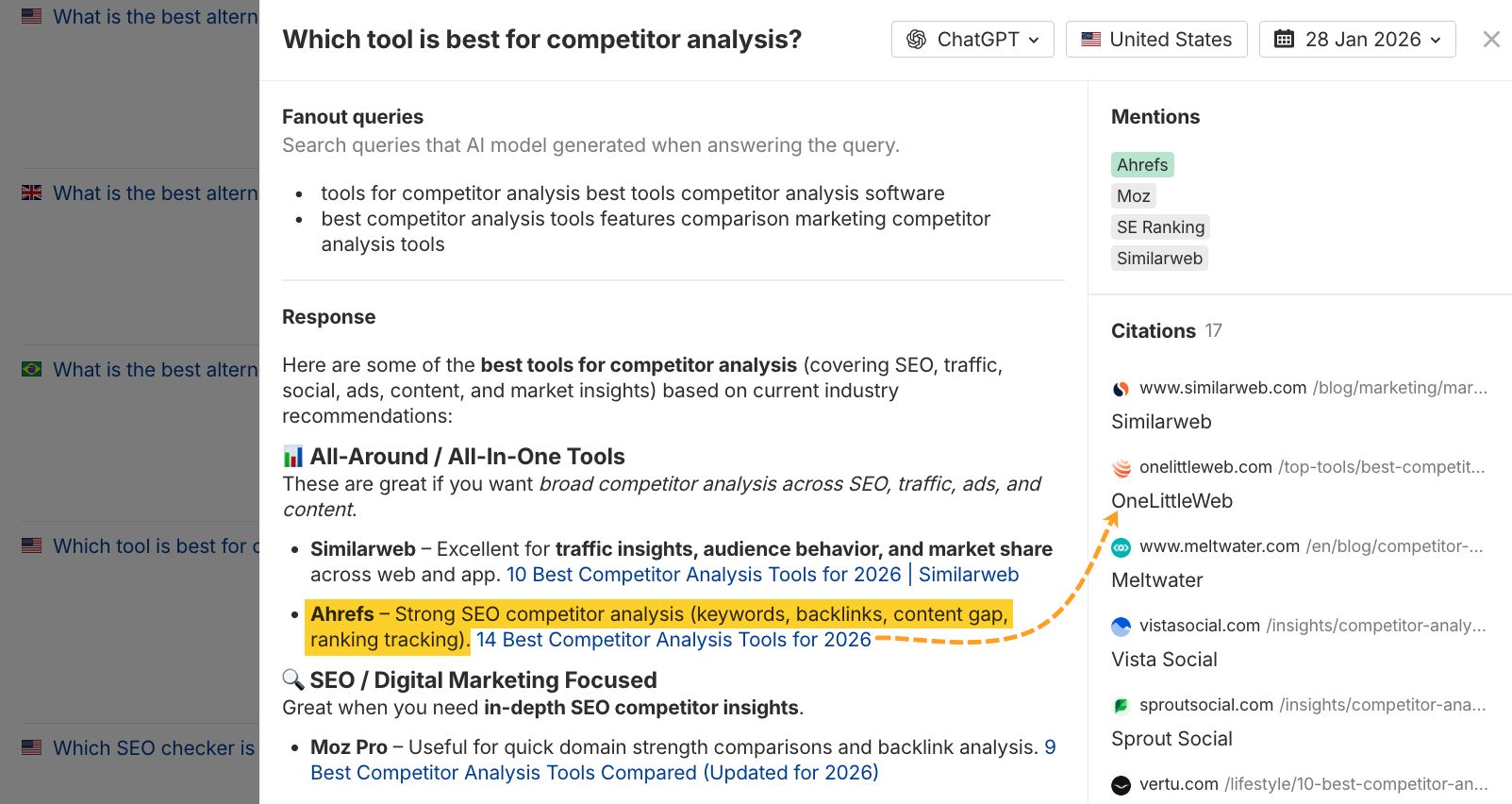
The "Topic analysis" report provides a high-level overview of core topics associated with your brand in ChatGPT. For more granular insights, the "AI responses" report reveals exact prompts and answers where your brand appears. Clicking "Show more" allows viewing the actual response, providing context for mentions. For example, Ahrefs might be mentioned in response to "Which tool is best for competitor analysis?" due to a citation from One Little Web.
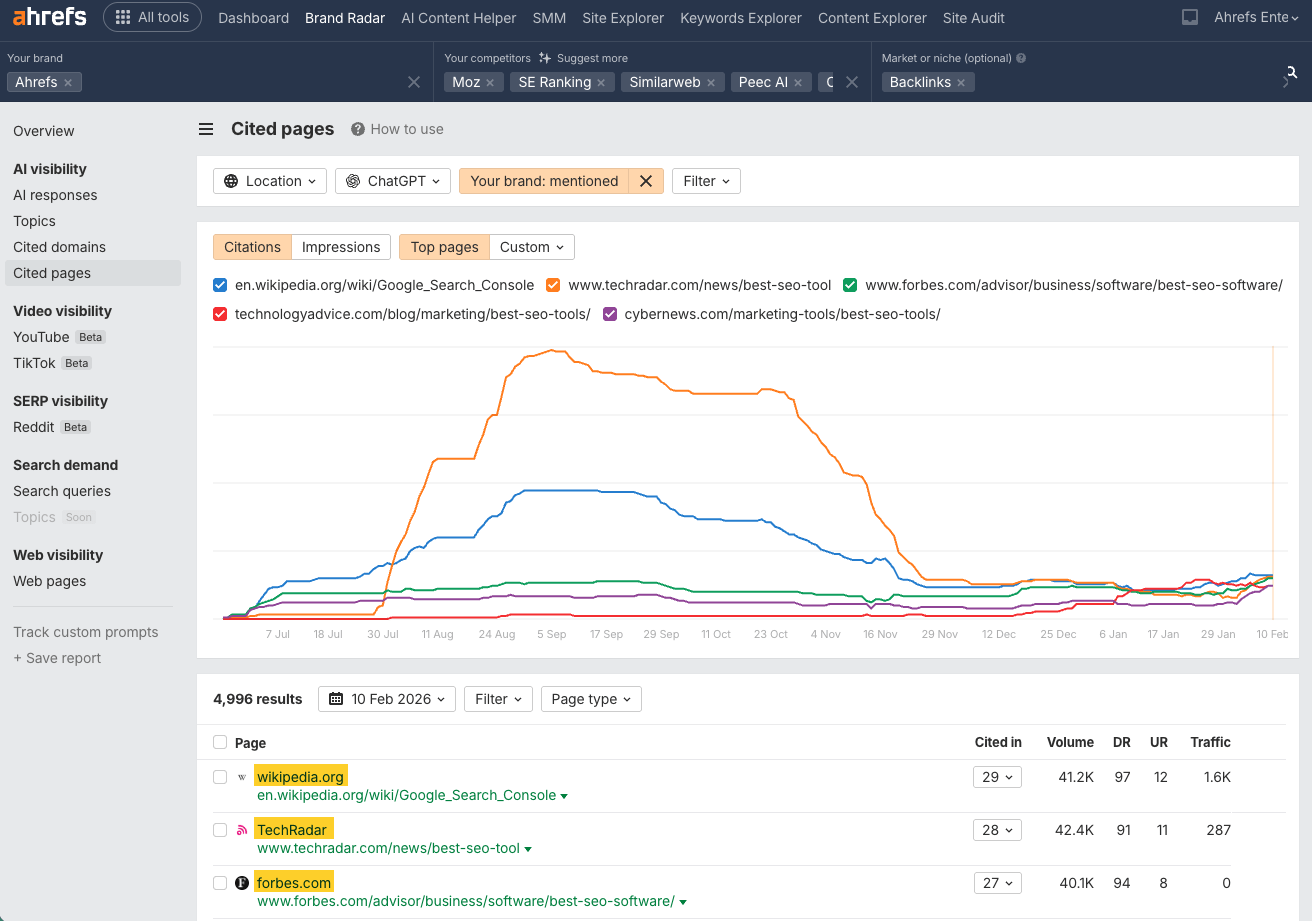
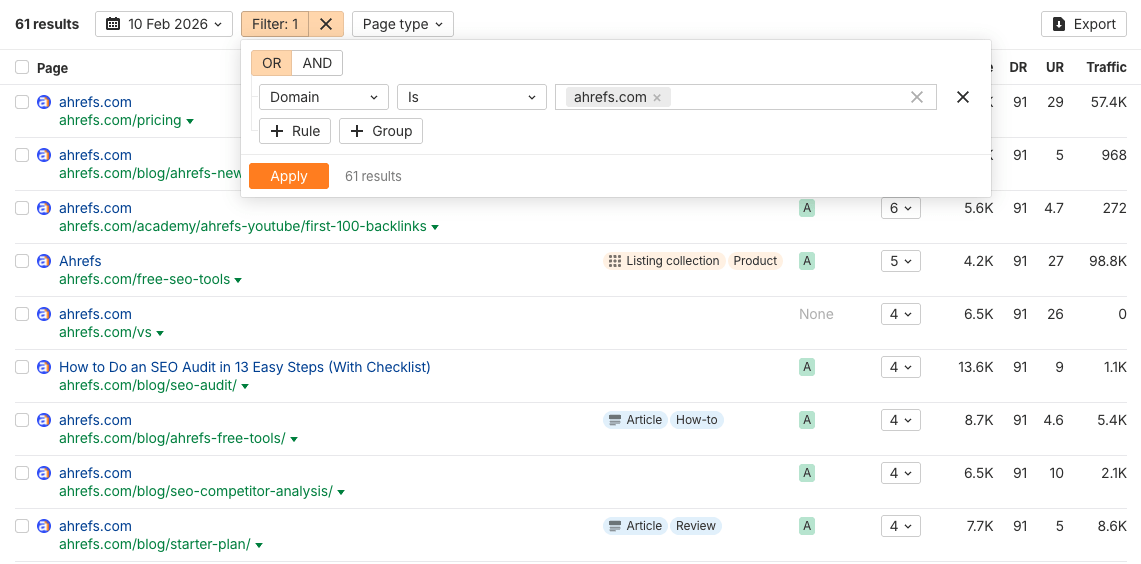
This detailed view helps identify outdated information, incorrect claims, or missing features. Such insights can inform the creation of new content or updates to existing articles to address information gaps or correct inaccuracies. Furthermore, the "Cited pages" report highlights the URLs most influential in your ChatGPT mentions. By analyzing these pages, brands can identify outreach targets to strengthen their ChatGPT visibility. Filtering by domain allows tracking which of your own website pages are most frequently cited by ChatGPT, enabling optimization of these high-impact pages to improve AI’s understanding of your brand.
4. Discover Competitor Mentions Where You Don’t Appear
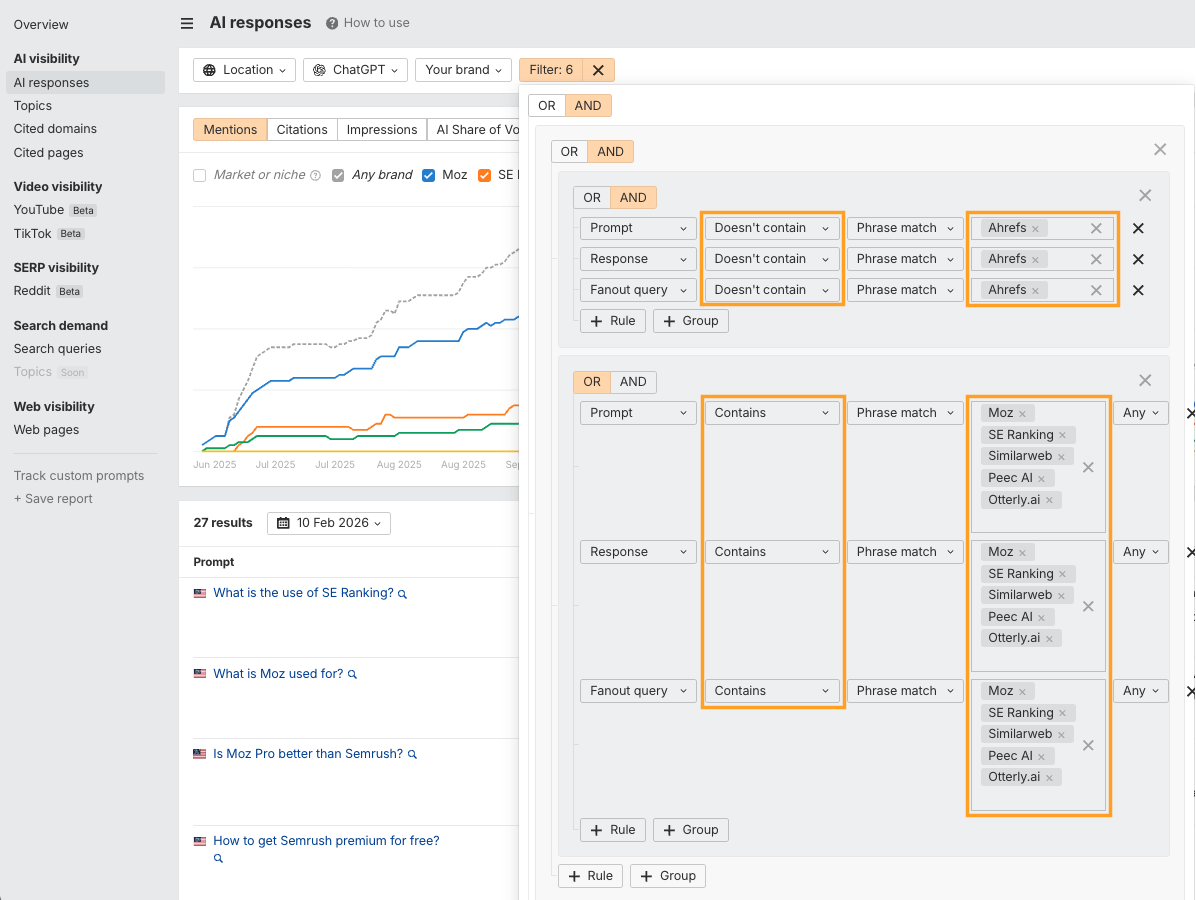
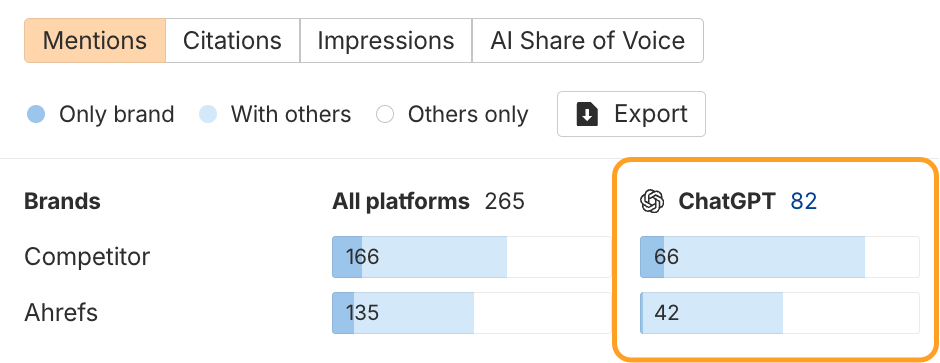
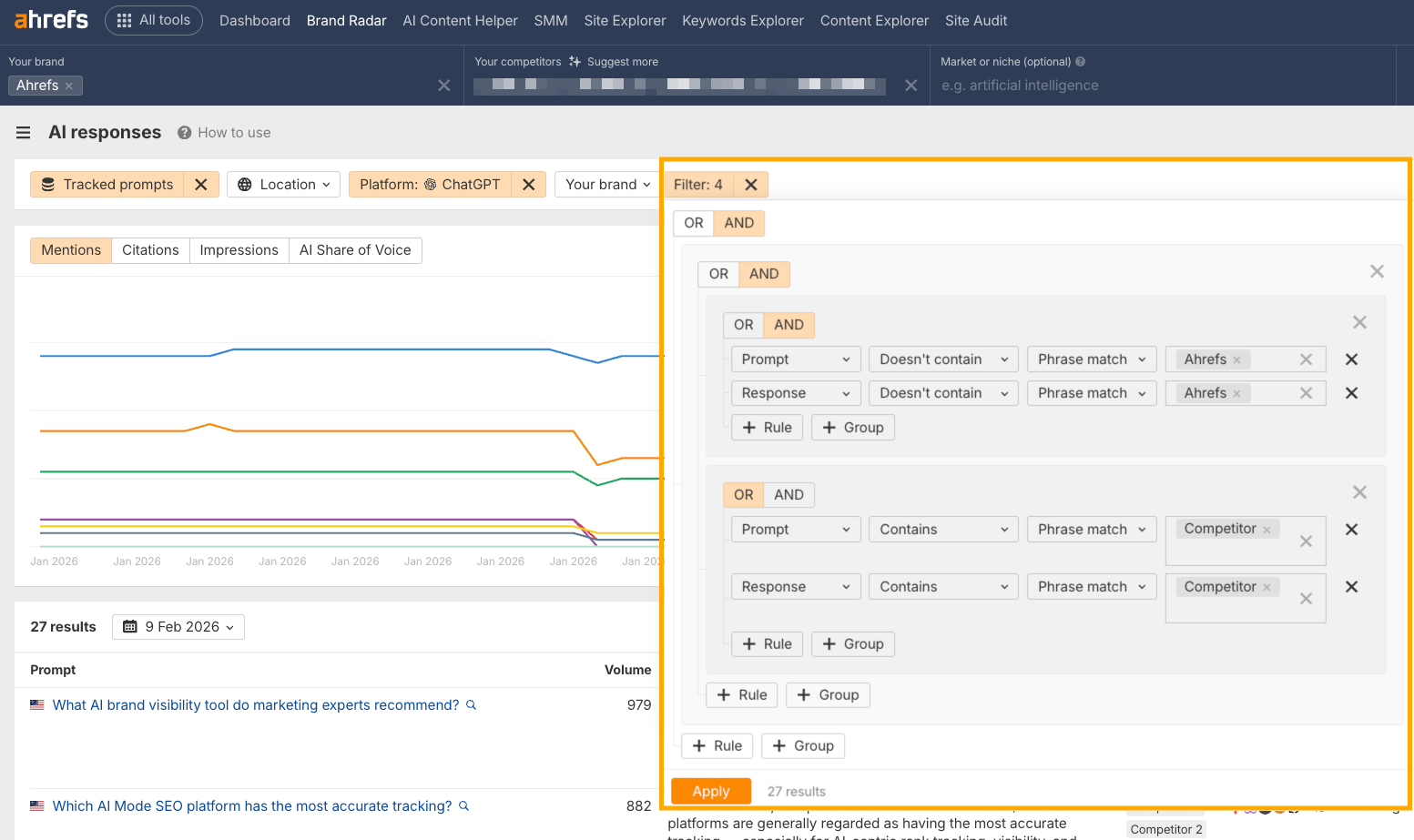
A highly actionable strategy is to identify topics where competitors are mentioned in ChatGPT responses, but your brand is absent, and then target these content gaps. Brand Radar’s dashboard offers a straightforward method for this. By hovering over your brand in the "ChatGPT Mentions" bar chart and selecting "Others only," users can instantly filter the "AI responses" report.
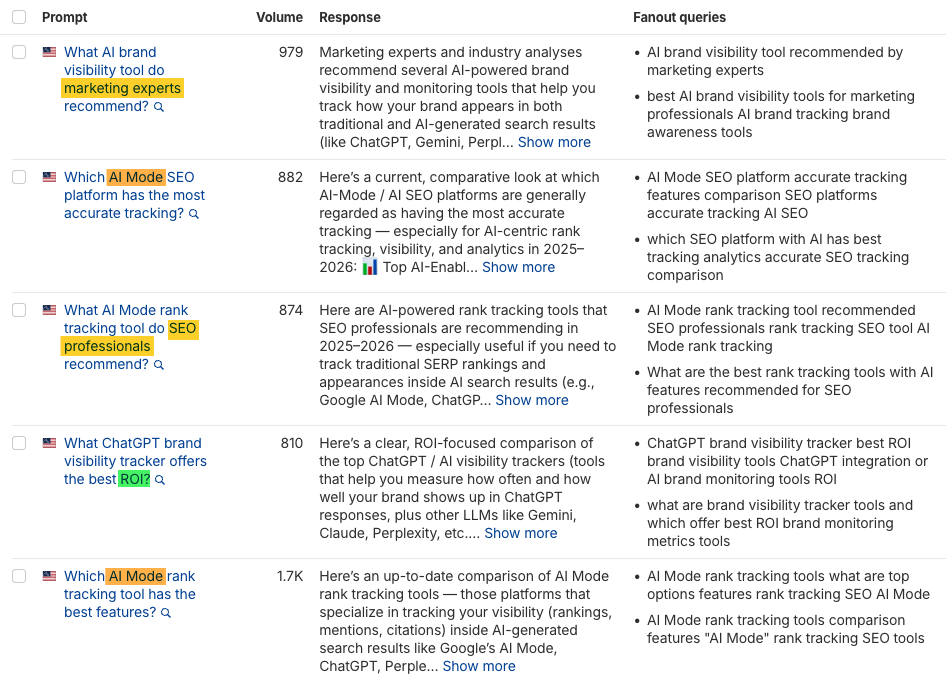
This filter displays prompts, responses, and fan-out queries that exclude your brand but include competitors. This intelligence can guide the creation of new content, optimization of existing posts, and recapture of market share. For example, a gap analysis for Ahrefs across specific bottom-funnel custom prompts revealed a mention gap where a competitor appeared in 66 responses compared to Ahrefs’ 42. This analysis pinpointed specific topics where Ahrefs was losing ground, such as "expert endorsements," "ROI justification," and "platform coverage," indicating a need for more decision-stage content in clear formats to increase visibility in high-purchase-intent queries.
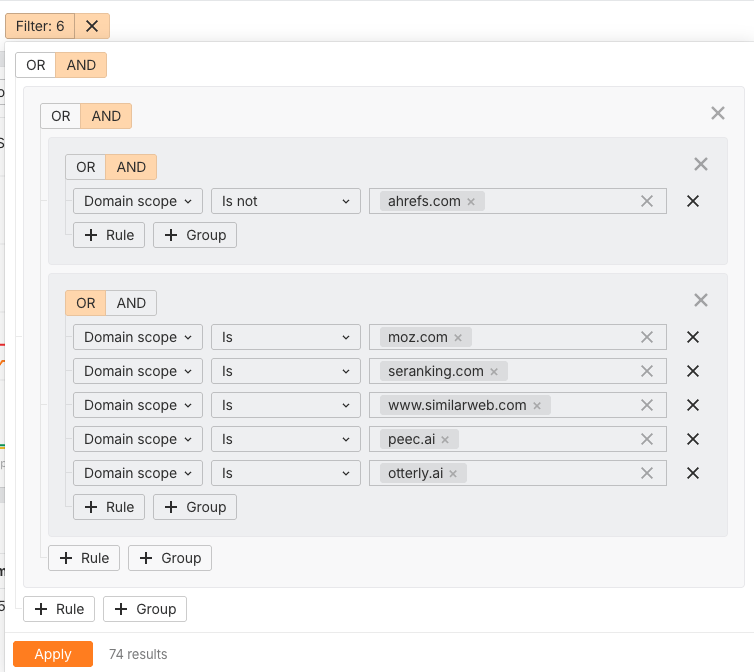
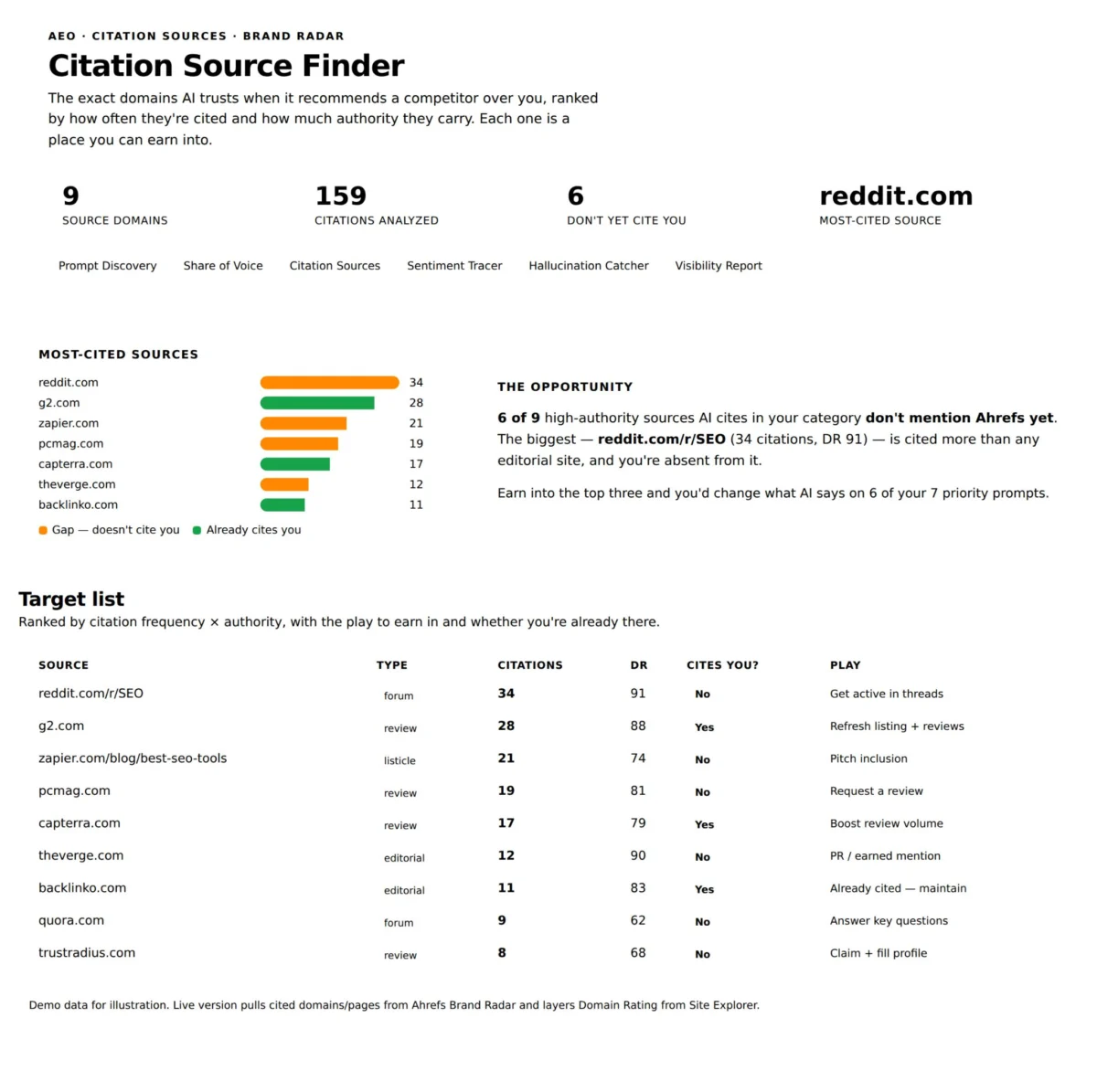
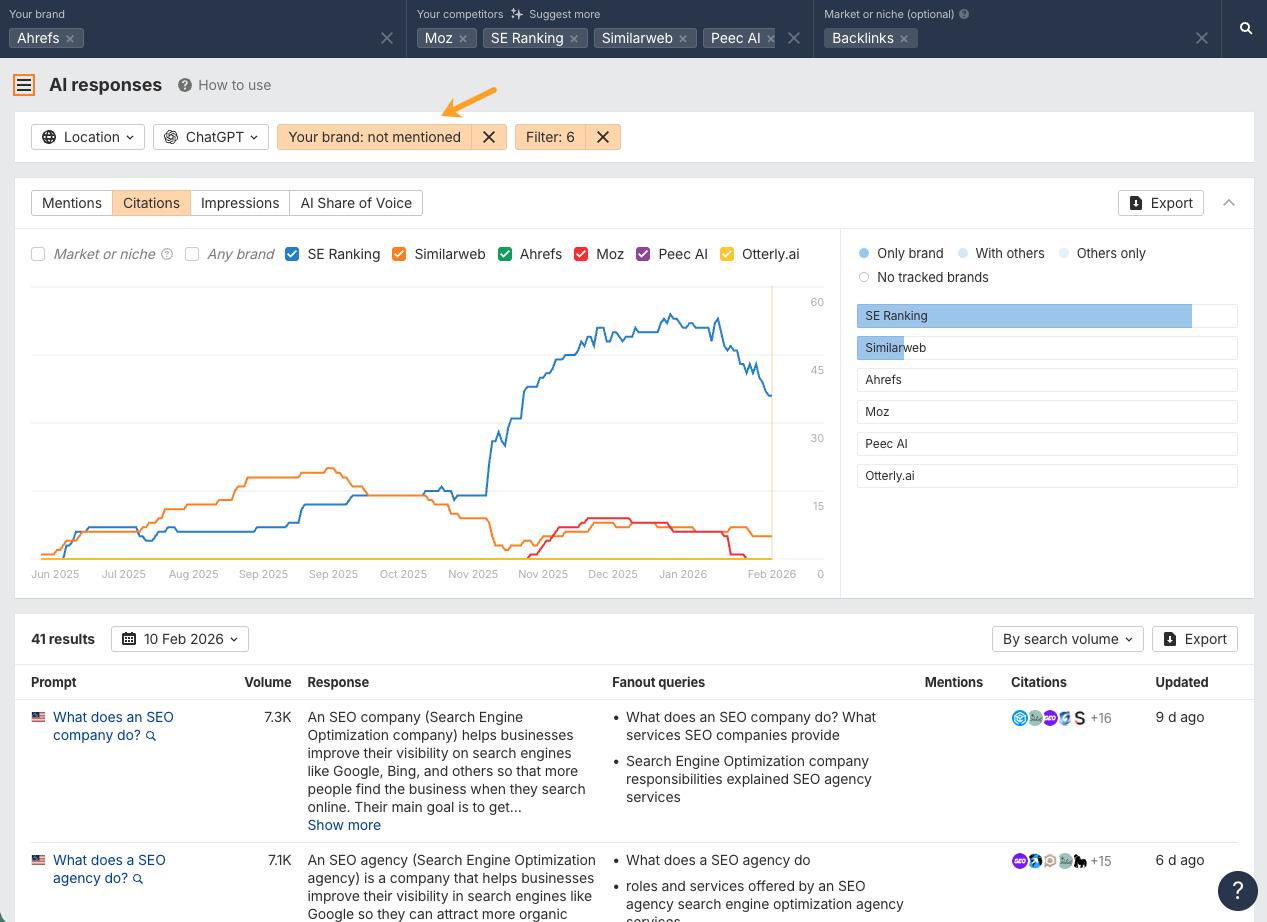
The "Citations" tab on the dashboard offers a similar gap analysis for where competitors are cited but your brand is not. By selecting "Others only" in the "Citations" tab, users can identify ChatGPT responses where rival domains are cited, but your brand is not. Adding a further filter for "Your brand: not mentioned" provides a comprehensive view of missed visibility opportunities. Insights from competitor pages can then be used to enrich your own content by incorporating original data, improving structure, optimizing metadata, and expanding topic coverage.
5. Track the Impact of Web and UGC Mentions on ChatGPT Visibility
AI visibility is intrinsically linked to a brand’s broader online presence. ChatGPT draws information from content across the web, YouTube, Reddit, and other platforms. Brand Radar consolidates tracking across these channels, allowing users to observe how overall visibility influences AI mentions.
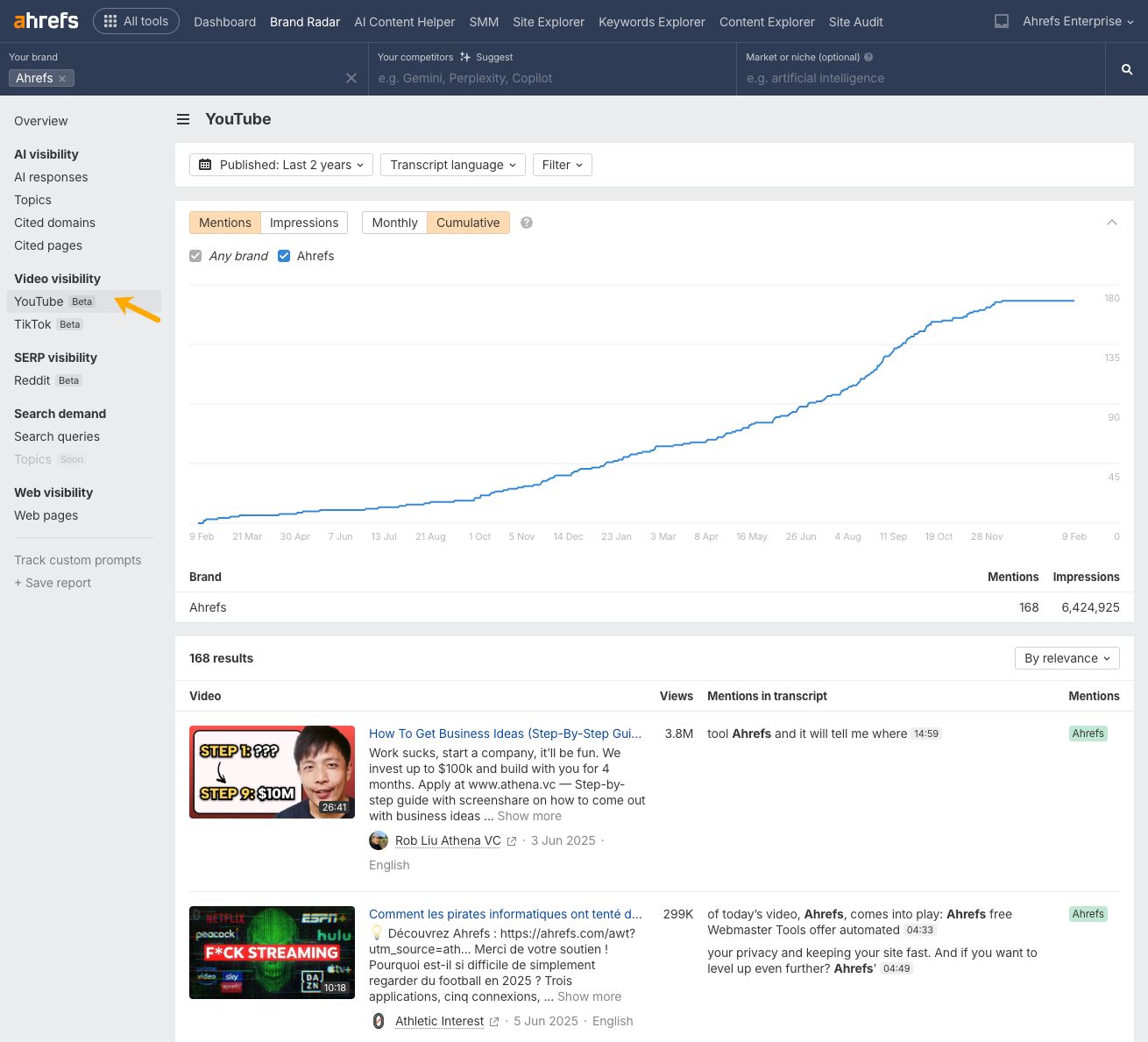
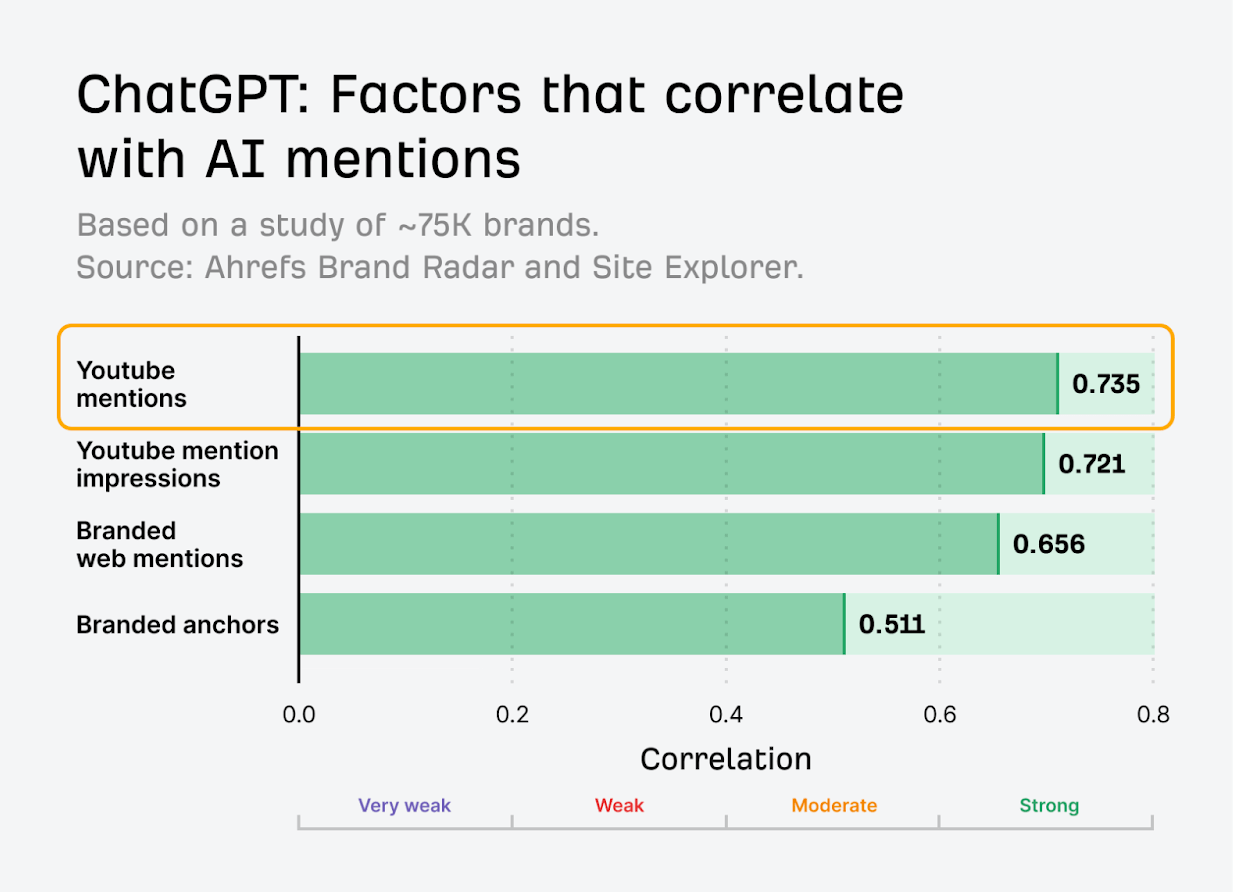
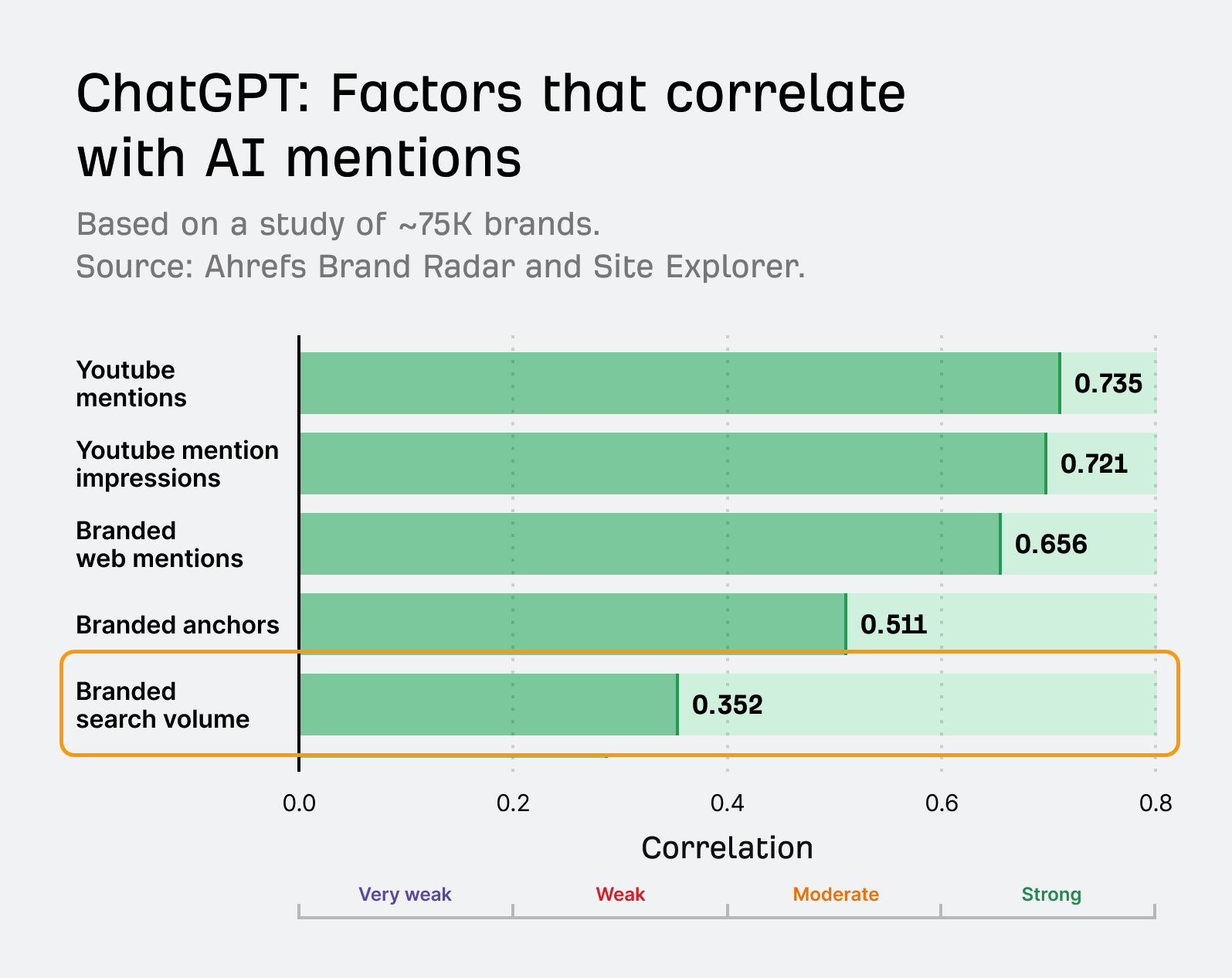
YouTube, as the second-largest search engine and a significant source for ChatGPT citations, plays a crucial role. Ahrefs’ research indicates that YouTube mentions correlate most strongly with brand mentions in ChatGPT. By examining the "Video visibility > YouTube" section, brands can identify videos mentioning their brand and cross-reference this with the "Cited pages" report to determine which of these videos inform ChatGPT answers. Identifying patterns in covered topics and creators can inform content production and sponsorship strategies.
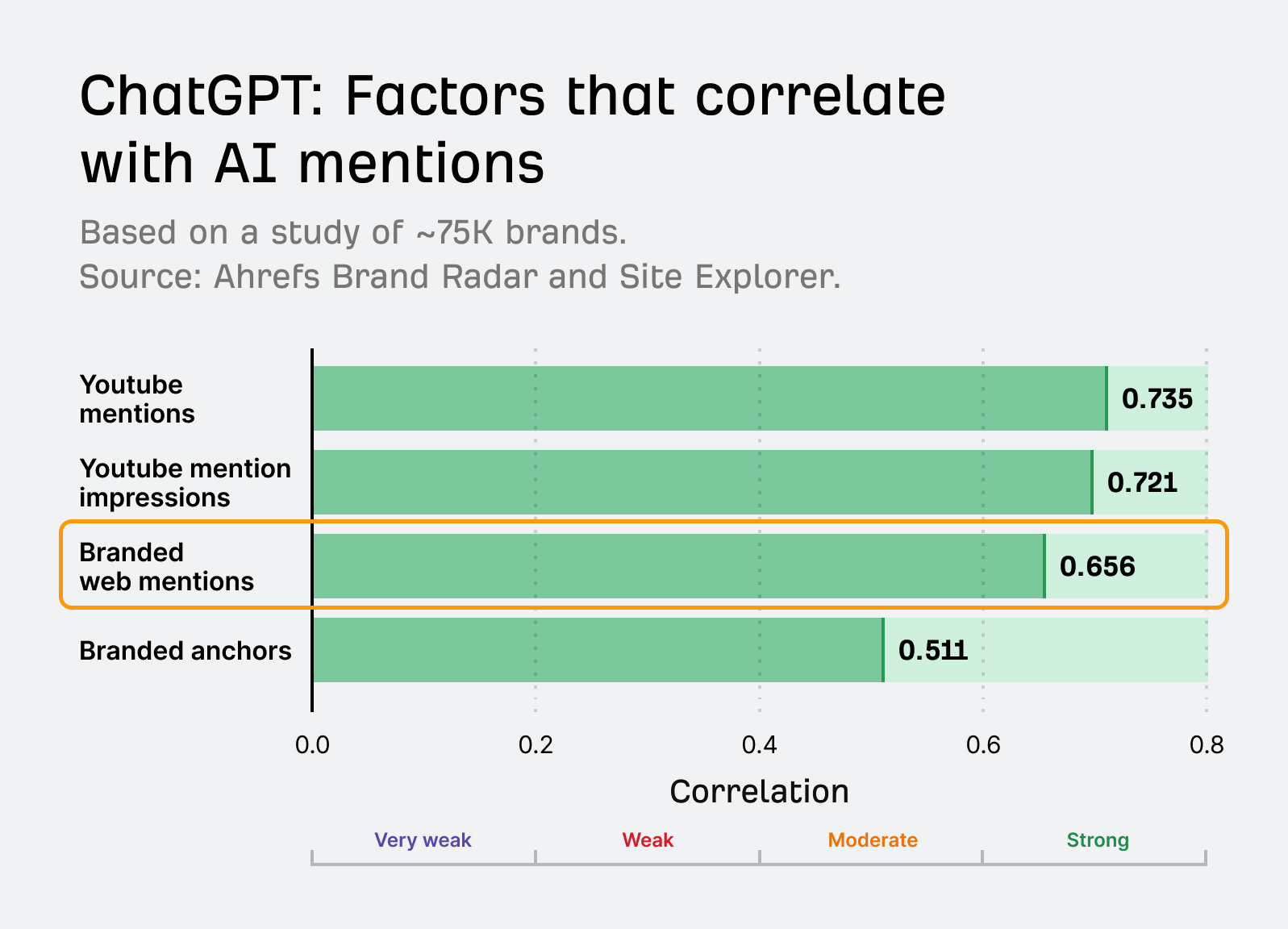
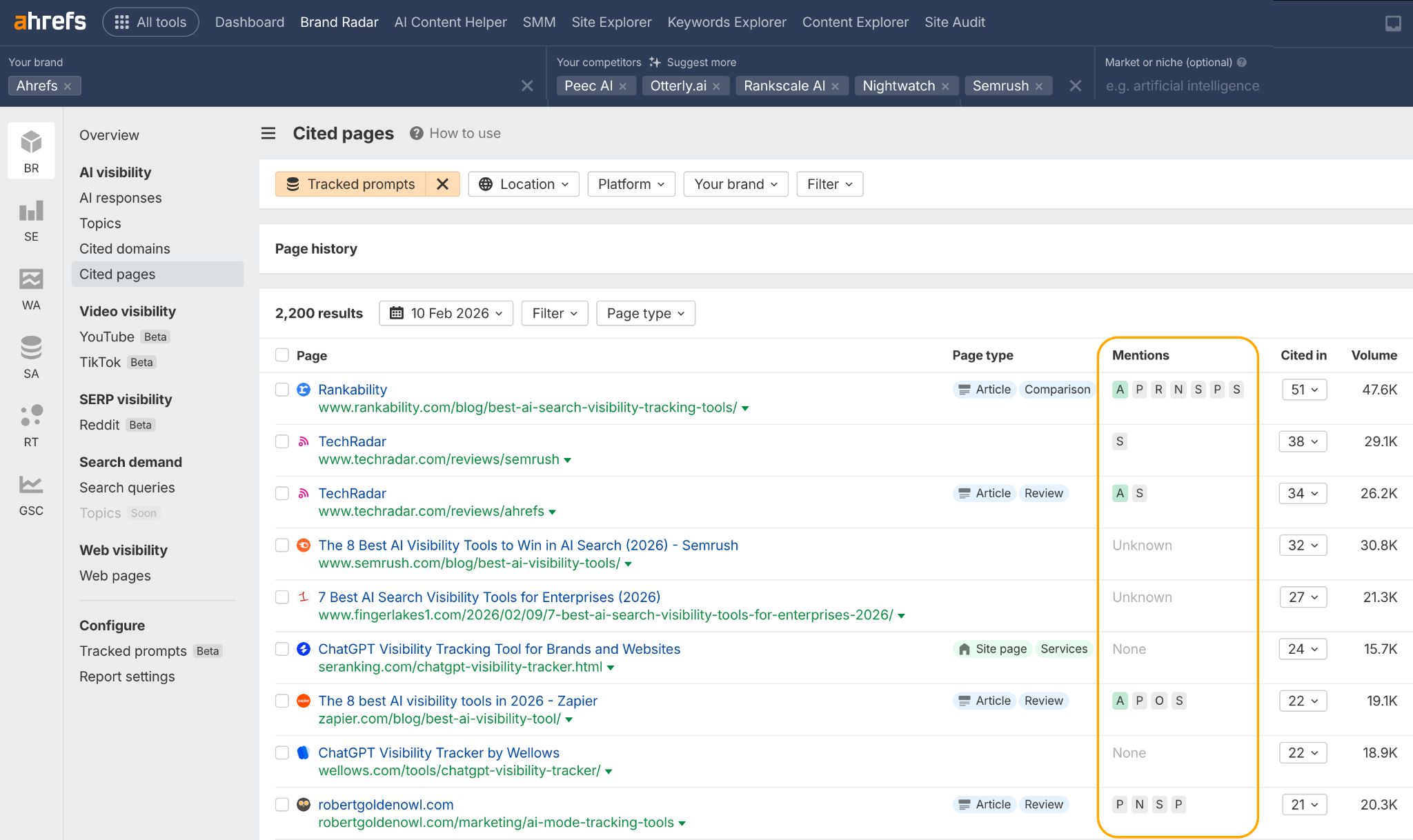
Branded web mentions also exhibit a strong correlation with ChatGPT visibility. The "Web visibility" tab allows tracking trends in web mentions and AI visibility, helping to understand the impact of off-site efforts on ChatGPT performance. The "Cited pages" report, with its "Mentions" column, highlights pages that cite a URL and also mention the brand. Green indicators in this column signify that the URL has mentioned the brand name within its content, demonstrating the impact of PR and brand awareness efforts on ChatGPT visibility.
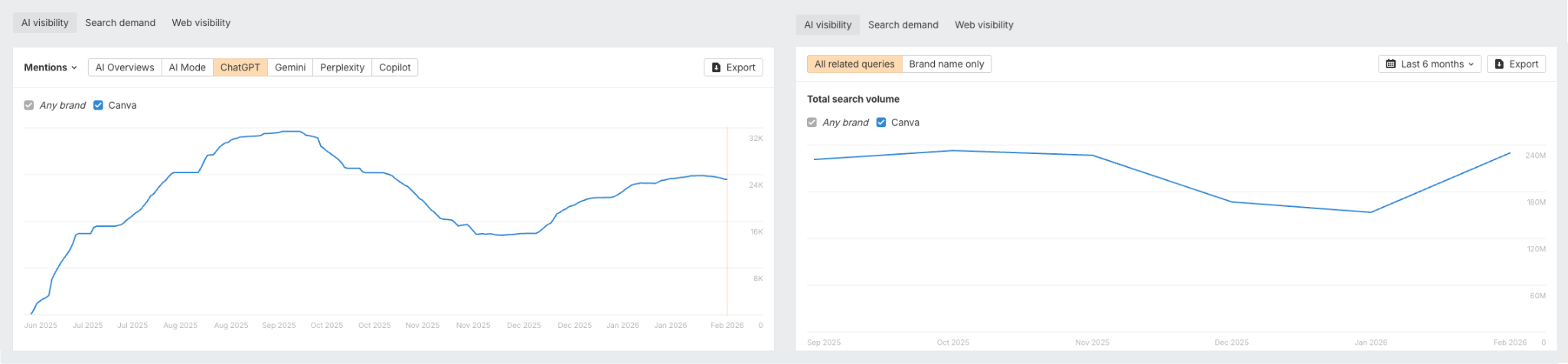
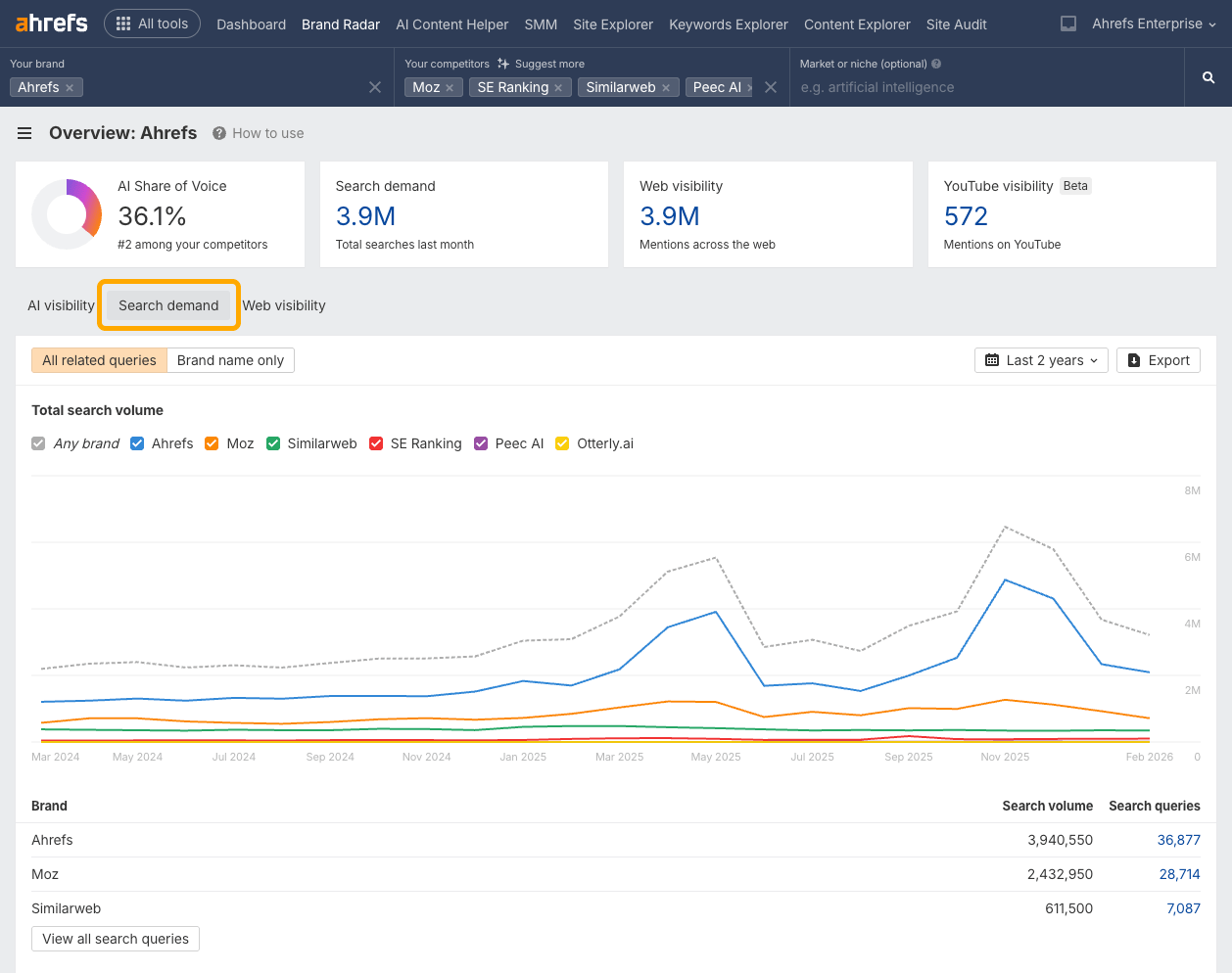
Branded search demand is another leading indicator of ChatGPT growth. For example, Canva’s AI visibility and branded search volume show parallel trends. While not as strongly correlated as brand mentions, increased search volume for a brand can lead to greater visibility in search results, subsequently influencing its grounding in ChatGPT answers. The "Search demand" tab in Brand Radar allows tracking these trends and queries.
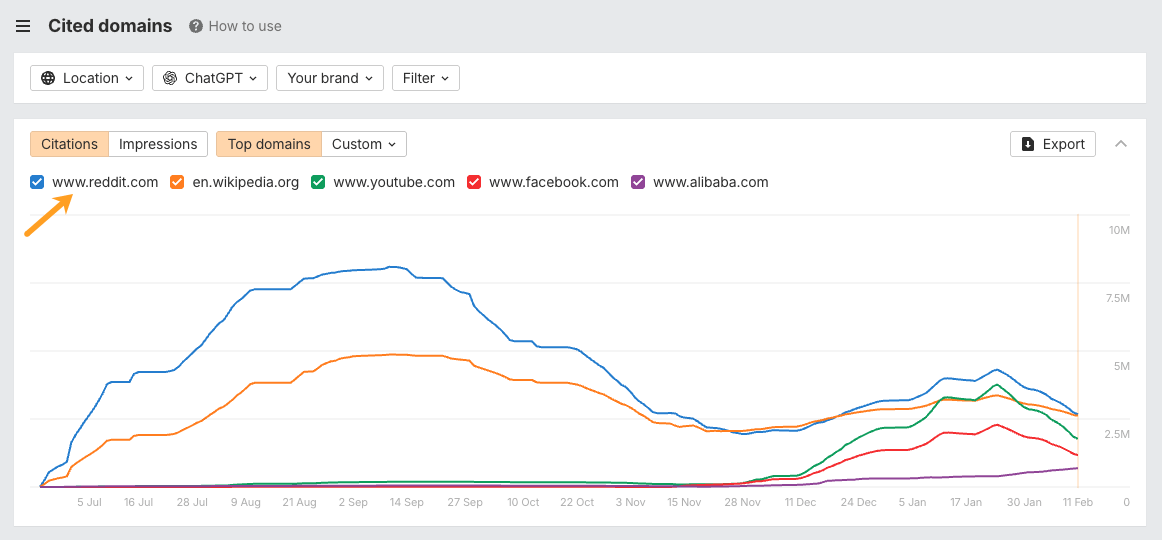
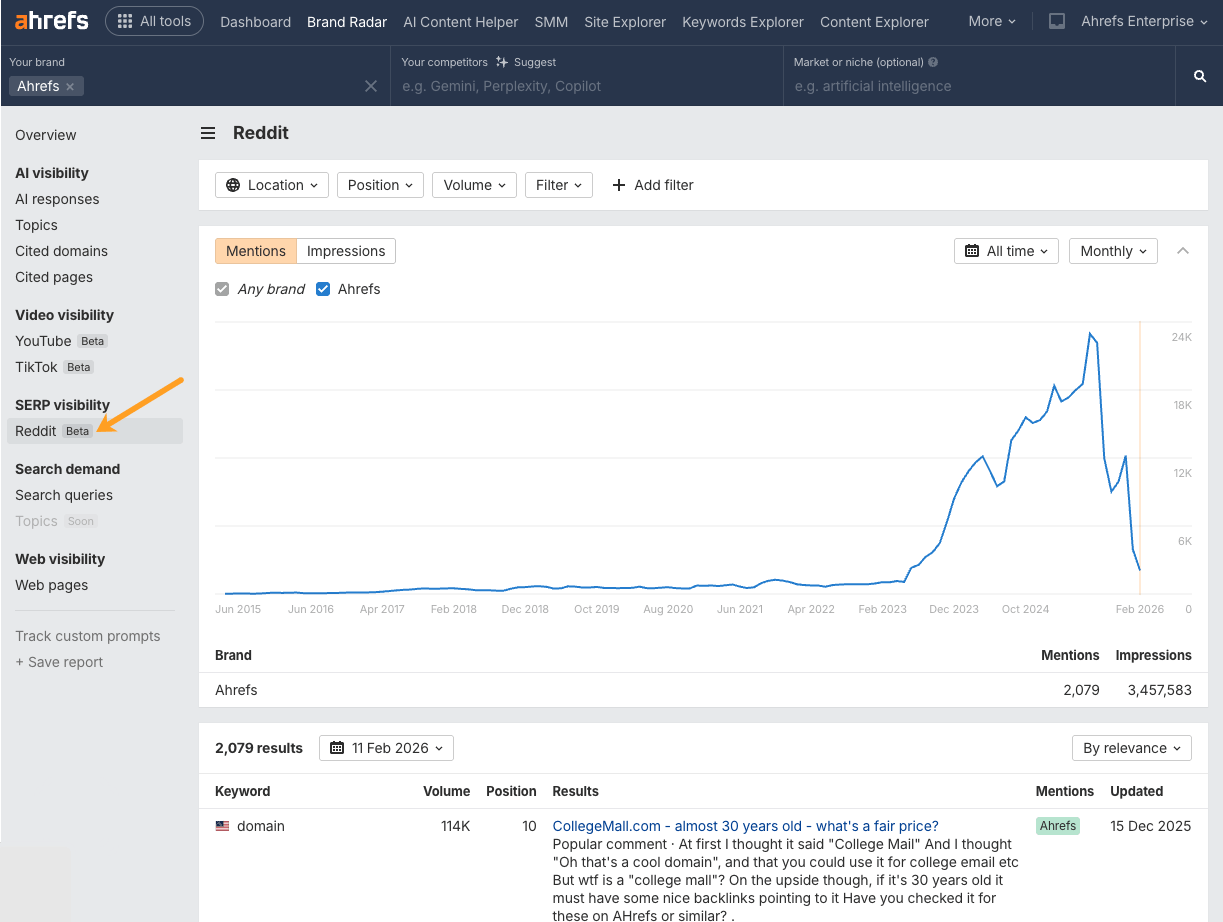
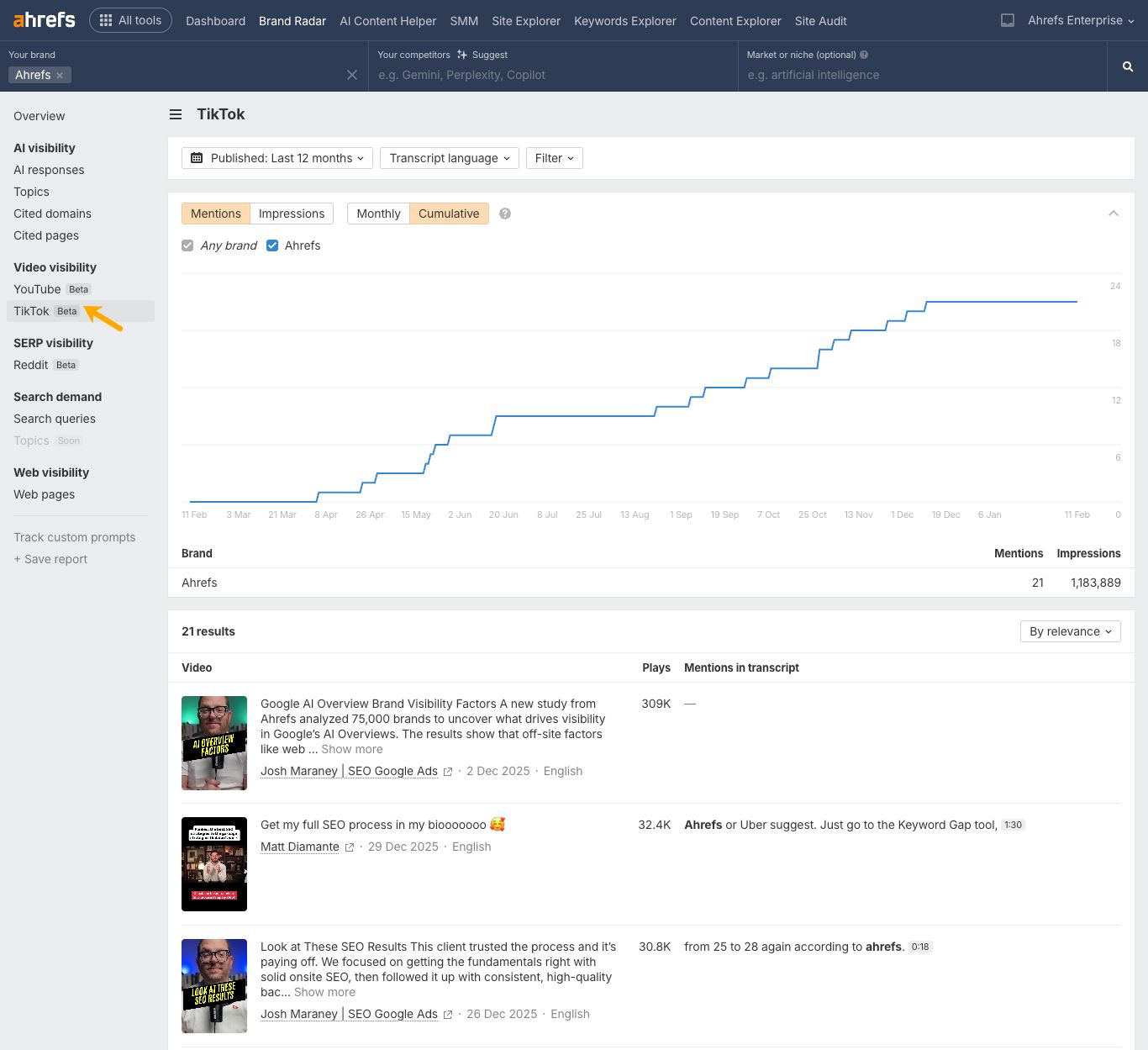
Reddit conversations are a rich source for ChatGPT, reflecting user opinions and recommendations. As ChatGPT’s #1 cited domain, Reddit discussions can significantly shape AI responses. The "SERP visibility > Reddit" section reveals Reddit threads mentioning a brand. Analyzing high-traffic subreddits, gauging discussion sentiment, and strategically addressing questions without appearing overly promotional are key. TikTok mentions are also increasingly influential, with videos explaining product usage or comparisons shaping category positioning that ChatGPT reflects. The "Video visibility > TikTok" section tracks these mentions, aiding in understanding their impact.
6. Monitor Your Most Important Custom Prompts in ChatGPT
While Brand Radar offers visibility into millions of existing prompts, businesses often need to monitor specific, high-priority queries relevant to their operations. Custom prompt tracking in Brand Radar enables this, allowing brands to monitor exact customer questions, such as "best CRM for construction companies" or "is [your product] worth it in 2026?". The strategy involves grouping related queries and analyzing aggregate patterns for reliable performance insights. Custom prompts can be clustered by intent, funnel stage, or product category.
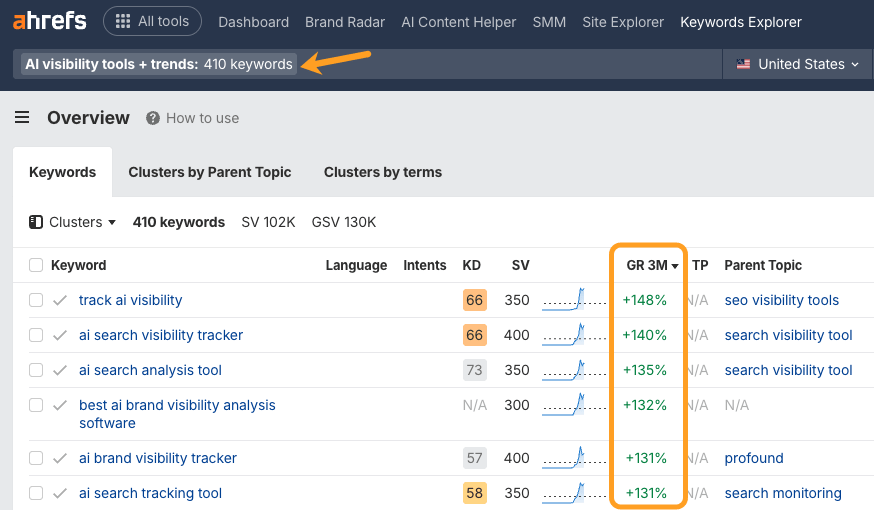
Examples include tracking prompts related to "AI visibility tools" to monitor brand awareness growth in that specific area. This is achieved by expanding trending keywords into fuller prompt-like queries. For custom prompt monitoring, users select a project and a tracking schedule (daily, weekly, or monthly), specifying platforms, locations, and competitors. Progress is tracked by monitoring frequently mentioned brands, consistently cited pages, and overall visibility trends over time, providing actionable insights amidst response volatility.
7. Track ChatGPT Fan-Out Queries
When ChatGPT cannot answer a question solely from its training data, it utilizes retrieval-augmented generation (RAG), generating "fan-out queries" to explore related sub-queries and provide more comprehensive answers. For instance, a query like "What is the best website hosting company?" might trigger fan-out queries focusing on "recent product reviews" and "feature comparisons." Many SEO professionals believe that building content clusters around these fan-out queries is crucial for AI visibility.
However, fan-out queries are as dynamic as prompts. Analyzing them in aggregate is essential to identify recurring themes for topic cluster development. Brand Radar allows tracking millions of these queries within the "AI responses" report, visible in the "Fan-out queries" column. A pro tip suggests replicating top-cited content and enhancing it with fan-out optimization. By finding the most-cited URL in a category, users can then filter the "AI responses" report by that URL. This reveals prompts, responses, and fan-out queries necessary to create or update content, enabling the development of multiple cluster pieces from uncovered fan-out subtopics, thereby increasing the likelihood of being cited by ChatGPT.
By implementing these seven steps using Ahrefs Brand Radar, businesses can gain a comprehensive understanding of their AI visibility, benchmark against competitors, identify content opportunities, and strategically improve their presence in the rapidly expanding world of AI-generated information. Continuous tracking and analysis are key to adapting to the evolving AI landscape and ensuring sustained brand relevance.