 11

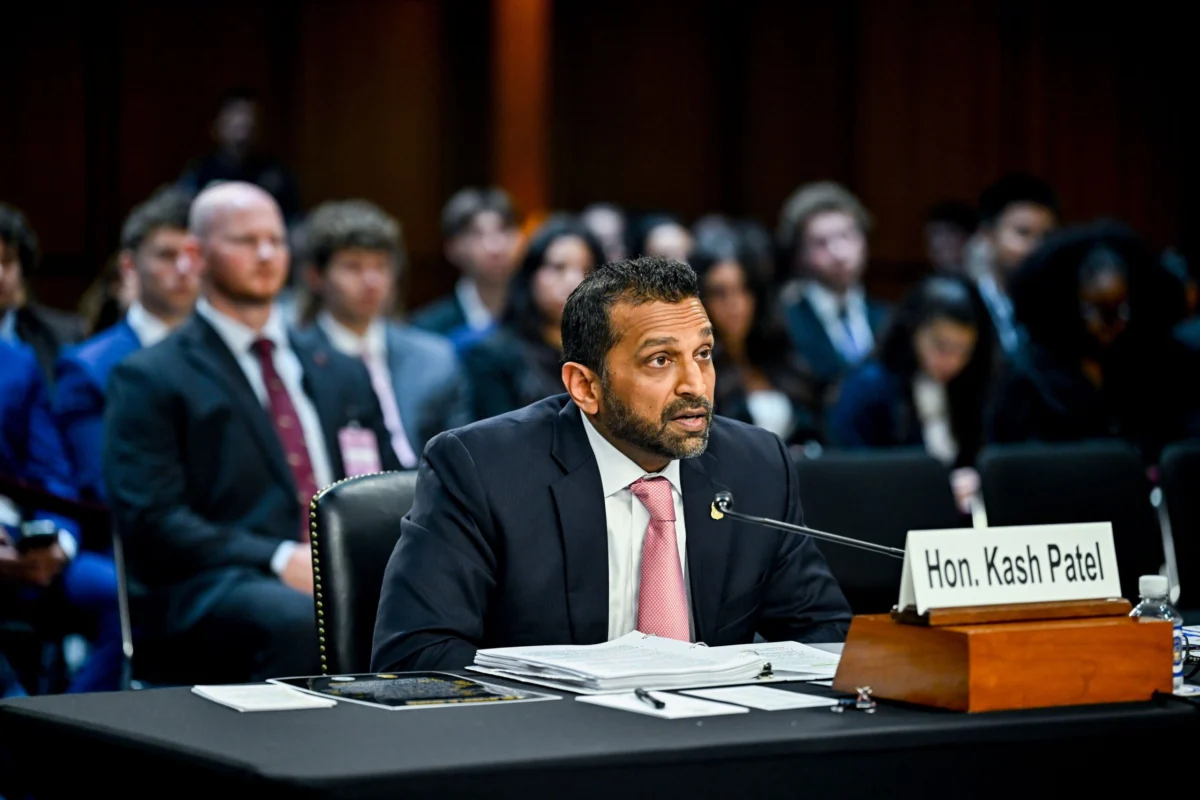
The Federal Bureau of Investigation is facing intense scrutiny and widespread confusion following statements made by its director, Kash Patel, during an oversight hearing before the Senate Judiciary Committee on Tuesday. The controversy centers on newly revised FBI hiring standards, particularly a highly contentious change concerning applicants with a history of bestiality or animal cruelty. Director Patel’s explanation that these adjustments are intended to protect "victims of bestiality" has sparked bewilderment among senators and raised significant questions about the agency’s recruitment policies and overall integrity.
For decades, the FBI has maintained stringent suitability standards for its applicants, designed to ensure the highest levels of trust, ethical conduct, and security. Historically, these policies automatically disqualified individuals for a range of past behaviors, including hiring sex workers, engaging in theft from an employer, or involvement in bestiality. These disqualifications were often based on concerns about an applicant’s judgment, potential for blackmail, or compromised moral character, all critical considerations for an agency entrusted with national security and law enforcement.
However, reports of a significant relaxation in these standards began to surface in August, when CBS News first reported that the FBI had eased some of its long-standing disqualification criteria. Multiple sources cited in the report suggested that these changes were implemented to "facilitate hiring in some cases," hinting at internal challenges in recruiting and retaining personnel. The precise nature and timing of these policy shifts remained somewhat opaque until a letter from Senate Democrats to Director Patel, dated prior to the recent hearing, brought more details to light. According to this letter, the new standards appear to have been quietly enacted as early as February 2025, though the public and many members of Congress were only recently made aware of their full scope.
The updated guidelines introduce a degree of flexibility that was previously absent. For instance, an applicant who stole from an employer might now be considered if the conduct occurred more than three years ago and if they were not in a position of "public trust" at the time. Similarly, the new policy allows for the hiring of individuals who "paid for sex fewer than three times more than 10 years ago," provided they also were not in a position of "public trust." This particular change immediately drew concern, as engaging in such activities has traditionally been an automatic disqualifier for intelligence and law enforcement agencies due to the inherent blackmail risk it presents. The potential for foreign adversaries or criminal elements to exploit past indiscretions to compromise an FBI agent’s loyalty or access to classified information is a grave security concern.
However, it was one specific alteration that garnered the most intense scrutiny and ignited the day’s heated exchange: the revised stance on bestiality. The letter from Senate Democrats explicitly states that "a history of bestiality or animal cruelty is not automatically disqualifying under this new policy either, so long as the conduct occurred before the applicant turned 18." This particular change struck many as profoundly troubling, raising immediate ethical and moral alarms regarding the character and judgment of potential FBI agents.
During the Senate Judiciary Committee’s oversight hearing on Tuesday, Senator Dick Durbin, an Illinois Democrat and Chairman of the committee, directly confronted Director Patel on this point. "You dropped automatic disqualification for applicants who have been engaged in bestiality," Senator Durbin stated, seeking clarification. He then emphasized the distinction: "Not victims of bestiality, applicants who have been engaged. Do you disagree with that?"
Director Patel’s response further amplified the confusion and controversy. He replied, "Applicants who have engaged in bestiality means they were victims of bestiality because they were forced to do so. At this FBI we are not going to criminalize and prevent victims from serving." This assertion that individuals who "engaged in bestiality" are inherently "victims" who were "forced to do so" baffled many in the committee and beyond, appearing to conflate perpetrators with victims in a highly sensitive and legally complex area.
The exchange continued with Senator John Kennedy, a Louisiana Republican, who pressed Director Patel for further clarification. Patel reiterated that previously, regulations had barred anyone who engaged in bestiality "on either side of it." Kennedy, clearly taken aback, queried, "Either side of what, the bestiality? So you disqualified the animal?" Patel responded with an awkward and somewhat dismissive remark, stating, "We have great canines, but we’re not going to disqualify them," a comment that did little to alleviate the gravity of the discussion or the senators’ concerns.
Senator Kennedy did not mince words, expressing his strong belief that the change in standards had "really hurt the FBI." He continued to press the director, asking, "Why would you even get into bestiality?" To which Patel, perhaps sensing the rhetorical trap, simply stated, "We’re not into bestiality." The exchange underscored the profound disconnect between the FBI’s stated rationale for the policy change and the committee’s understanding of the implications.
In an attempt to provide clarity amidst the swirling controversy, WIRED sought an official statement from the FBI. The agency’s national press office issued a response that seemingly attempted to walk back or at least significantly reframe Director Patel’s live testimony, suggesting a more nuanced and specific intent behind the policy adjustments.
The FBI’s statement asserted, "The FBI has and always will maintain the highest suitability standards for its applicants and employees in the US Government." It went on to explain, "The changes you reference allow the FBI to consider applicants and consider the whole of a person in certain circumstances. For example, the FBI has had a number of applicants in previous years who suffered sexual abuse in their past, causing questions about prostitution, bestiality, or other similar issues to affect their background check process through zero fault of their own. Previously, those applicants would be barred from consideration. Now they can be considered."
Crucially, the FBI’s official statement directly contradicted the broader interpretation of Patel’s remarks by emphasizing that "It is false to suggest criminal behavior like this is no longer disqualifying at the FBI—any applicant who has engaged in criminal sexual acts like those referenced would of course not be eligible for employment, and it is ridiculous to suggest otherwise." This clarification suggests that the policy change is narrowly focused on individuals who were victims of such acts, particularly in the context of human trafficking or severe abuse, rather than those who willingly engaged in them. However, the lack of precision in Director Patel’s testimony undeniably fueled the public and congressional outcry, creating a perception that the FBI was lowering its standards to an alarming degree.
The context for these controversial policy changes extends beyond a simple desire to be more accommodating to applicants. The FBI, particularly under President Donald Trump’s administration, has experienced significant internal turmoil and a substantial exodus of experienced personnel. The letter from Senate Democrats to Director Patel explicitly asserted that since the beginning of Trump’s second term, a "purge" carried out by Patel has led to the departure of "over 5,000 nonpartisan career personnel, all six former Executive Assistant Directors, and at least 18 Special Agents in Charge," in addition to more than a thousand special agents. This massive brain drain and loss of institutional knowledge have raised concerns about the agency’s operational capabilities, morale, and ability to fulfill its critical national security mission.
It is within this broader context of severe staffing shortages and a perceived politicization of the agency that the relaxation of hiring standards must be understood. The Senate Democrats’ letter strongly implied that these lowered standards are a direct consequence of the "purge," a desperate measure to replenish the ranks of an agency struggling with recruitment in the face of widespread departures. The challenge for the FBI is to balance the undeniable need to recruit talented individuals with the imperative to maintain unimpeachable ethical and security standards. For an agency whose mission relies on public trust and the unwavering integrity of its agents, the perception of compromised standards, particularly regarding such sensitive issues, can have far-reaching and damaging consequences. The confusion generated by Director Patel’s testimony has only exacerbated these concerns, leaving the FBI in a difficult position as it attempts to defend its revised policies while reassuring a skeptical public and Congress about its commitment to its foundational values.






