 11
11 1
1 2
2 3
3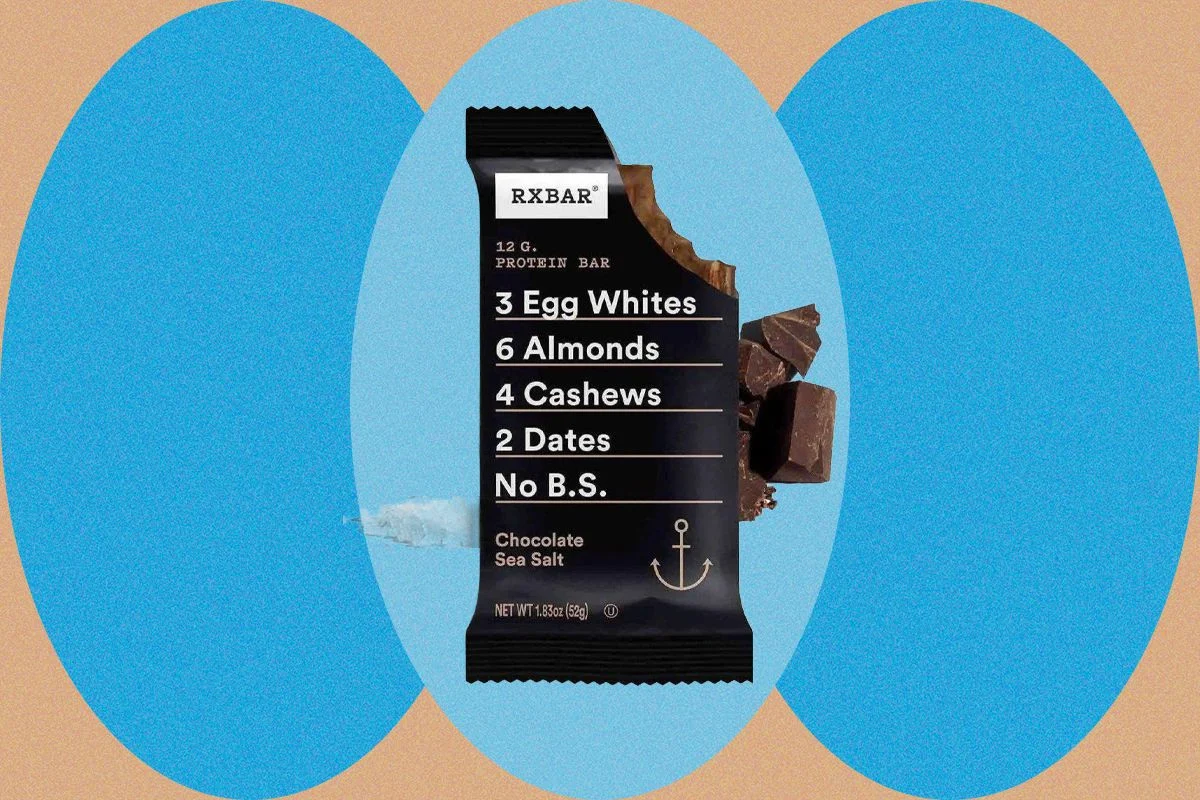
Protein bars serve primarily as convenient, grab-and-go snacks, not as substitutes for full meals. Their utility shines brightest in situations where access to whole foods is limited, or when a busy schedule prevents the consumption of a proper, sit-down meal. The most nutritionally beneficial protein sources inherently contain a synergistic blend of fiber, healthy fats, and a spectrum of other vital nutrients. This is precisely why registered dietitians consistently advocate for the consumption of whole foods over highly processed alternatives. Consequently, while many high-protein snacks might prominently display impressive protein counts on their labels, this alone does not guarantee they are the healthiest choice for maintaining overall well-being.
To provide a comprehensive guide, extensive research was conducted, including consultations with leading nutrition experts. These experts offered invaluable insights into the key ingredients to prioritize and, equally important, those to avoid. Following these stringent standards, a curated selection of the best protein bars currently available on the market has been compiled. For those seeking further information on protein and its various forms, readers are encouraged to explore our detailed guide to the Best Protein Powders and an in-depth article on How Much Protein Do I Need?
This guide was thoroughly updated in March 2026 to incorporate the latest market offerings and nutritional insights. Notable additions to our top picks include Aloha Organic Protein Bars, Promix Protein Puff Bars, and Mush Protein Bars, each bringing unique benefits to the table. Furthermore, a new Honorable Mentions section has been added to highlight other noteworthy protein bars worth considering, alongside an expanded FAQ section that now includes important information regarding David Protein Bars. The rigorous testing process employed for this evaluation has also been detailed, and existing product recommendations have been updated with the most current information, including prices and direct purchase links, ensuring the guide remains relevant and accurate for consumers.
Featured In This Guide
The following protein bars have been identified as leading options across various categories, each excelling in specific aspects of nutrition, taste, and ingredient quality:
Best Protein Bars Overall
RxBar now offers an expanded range of protein bars, but its Classic 12G variety continues to hold the top spot for its exceptional balance and clean ingredient profile. At its core, the RxBar is a testament to the power of whole foods, built upon a foundation of egg whites—a complete protein source, providing all nine essential amino acids necessary for muscle repair and growth. Dates are expertly incorporated to lend natural sweetness and act as a binder, while a diverse mix of nuts, including pecans, hazelnuts, cashews, walnuts, peanuts, and almonds, contributes healthy fats and additional protein.
During extensive taste tests, the chocolate sea salt flavor emerged as a particular favorite, striking an appealing balance between savory and sweet. However, RxBar’s extensive flavor portfolio caters to a wide array of preferences, offering delicious options such as blueberry, peanut butter, peanut butter chocolate, vanilla almond, coconut chocolate, and strawberry. Each flavor maintains the brand’s commitment to simple, recognizable ingredients.
The classic RxBar possesses a distinctly sticky and uber-chewy texture, which some consumers find highly satisfying. For those who prefer a different mouthfeel or have specific dietary concerns, RxBar also provides a nut butter & oat variety pack. This alternative swaps the dates for rolled oats, resulting in a less sticky, more traditional bar texture. This option may also be more suitable for individuals adhering to a keto diet or those monitoring their sugar intake, as dates contribute natural sugars. It’s important to note, however, that nut butters still contain natural sugars, and the protein content can fluctuate by flavor, making it essential to consult the nutrition label for precise information.
A crucial consideration for potential consumers is the presence of eggs in the classic formula, making these bars unsuitable for individuals with egg allergies. While the ingredient list is otherwise remarkably simple and clean, the inclusion of "natural flavors" is a point of minor contention for some. RxBar has proactively addressed this by sharing more information on what these "natural flavors" entail, offering a level of transparency that surpasses many other companies in the industry. Nevertheless, consumers who prioritize absolute ingredient transparency might still view this as a slight concern.
TL;DR: RxBars are recognized as one of the cleanest protein bars available, distinguished by their short, whole-food ingredient list and well-balanced macronutrient profile. With a wide range of flavor variations, there’s an option for most palates, but individuals with egg allergies should avoid them entirely. Score: 7.25/10.
Best Plant-Based Protein Bars
Aloha Organic Protein Bars stand out as an excellent choice for individuals seeking a high-quality vegan protein option. These bars provide a substantial 14 grams of plant-based protein, derived from a thoughtful blend of brown rice and pumpkin seeds. Beyond their impressive protein content, Aloha bars are also a significant source of dietary fiber, delivering between 6 and 10 grams per bar, depending on the specific flavor. This high fiber content means that some varieties, such as the cookies and creme, offer a considerable fiber boost in addition to their protein benefits, aiding in digestion and promoting satiety.
Aloha bars are carefully formulated to be free from common allergens and undesirable additives, including soy, dairy, gluten, stevia, and sugar alcohols. This makes them an accessible option for individuals with various dietary restrictions or sensitivities. Their appealing sweetness is achieved through natural sources like monk fruit, tapioca syrup, and rice syrup powder, avoiding artificial sweeteners. While the ingredient list is predominantly clean and natural, similar to RxBars, Aloha bars do contain "natural flavors," which remains the sole processed outlier in an otherwise pristine profile.
In terms of texture, Aloha bars share a likeness with RxBars, offering a soft-baked, pleasantly chewy, and slightly dense consistency. To enhance the eating experience, some flavors ingeniously incorporate chocolate chips, nuts, or seeds, providing a delightful crunch that contrasts with the bar’s inherent chewiness. The brand boasts a generous and evolving lineup of flavors, including enticing seasonal releases and popular choices such as peanut butter cup, raspberry white chocolate, and chocolate cherry. For those who enjoy variety or are undecided, Aloha also offers convenient variety packs, allowing consumers to sample a range of flavors.
TL;DR: Aloha Protein Bars are a robust vegan option, delivering 14 grams of protein and up to 10 grams of fiber per bar. While they offer a clean ingredient profile and diverse flavors, the presence of "natural flavors" might be a minor consideration for those who prioritize absolute ingredient transparency. Score: 6.95/10.
Best Balanced Macros
Promix Protein Puff Bars offer a unique and engaging textural experience, reminiscent of a beloved Rice Krispies Treat. Their light and crunchy composition, akin to a cereal bar, is a distinctive feature that consumers tend to either adore or merely tolerate. While some might find the texture slightly chalky, it is generally considered far more palatable and enjoyable than many other protein bars on the market. For instance, the blueberry and strawberry bars are particular favorites among many, including my fiancé. Promix boasts a diverse range of flavors to choose from, including classic options like birthday cake, banana bread, and matcha, ensuring there’s a taste for nearly everyone.
From a macronutrient perspective, Promix Puff Bars are exceptionally well-balanced, making them an ideal snack to sustain energy between meals without feeling overly heavy. Each bar contains approximately 150 calories, alongside an impressive 15 grams of grass-fed whey protein and 5 grams of dietary fiber. This combination of protein and fiber is crucial for promoting satiety and providing sustained energy. A significant advantage of Promix is its commitment to cleaner ingredients, purposefully omitting common additives such as sugar alcohols, seed oil blends, and added gums, which are frequently linked to gastrointestinal discomfort.
However, a few caveats warrant attention. Inulin, included as a prebiotic fiber, is generally considered safe and beneficial for gut health. Yet, for individuals with sensitive stomachs or Irritable Bowel Syndrome (IBS), it can potentially trigger bloating or discomfort. Furthermore, while the saturated fat content is moderately low, it does vary by flavor, typically ranging from 1.5 to 4 grams. Consumers monitoring their saturated fat intake are advised to check individual labels or opt for lower-fat flavors like vanilla and sunflower butter. It is also important to note that Promix Puff Bars are sweetened with tapioca syrup, which means they do not align with a strict ketogenic diet due to its carbohydrate content. Lastly, some flavors contain "natural flavor," a broad term for proprietary blends. For consumers who prioritize complete ingredient transparency, selecting flavors that explicitly state their natural flavoring sources or opting for those without this label, such as vanilla, chocolate chip, snickerdoodle, mint chocolate, coconut, or Mexican hot chocolate, would be a more suitable choice.
TL;DR: Promix Puff Bars offer a unique, light, and crunchy texture with well-balanced macros, including 15 grams of grass-fed whey protein and 5 grams of fiber. They feature a cleaner ingredient profile than many competitors, free from common gut irritants like sugar alcohols and seed oils. However, individuals with sensitive stomachs should be mindful of inulin, and those on strict keto diets should note the tapioca syrup. The presence of "natural flavors" in some varieties may also be a concern for transparency advocates. Score: 6.75/10.
Best Meal Replacement
The Perfect Bar comes closest to fulfilling the role of a meal replacement, though it is crucial to reiterate that no protein bar should consistently substitute for whole foods. Whole foods inherently offer a broader spectrum of nutrients that even the most carefully formulated snack bars cannot fully replicate. Nevertheless, for those urgent moments when a proper meal is simply not feasible, Perfect Bars provide a substantial and satisfying option. Their higher calorie count, typically ranging from 310 to 340 calories per bar, combined with a significant protein content of 12 to 17 grams, makes them considerably more filling than most other protein bars available.
A key differentiator for Perfect Bars is their commitment to clean ingredients, completely free from artificial sweeteners, gums, or other synthetic additives. This dedication to natural ingredients aligns with a healthier eating philosophy. However, a practical consideration for consumers is their requirement for refrigeration, which inherently limits their portability and convenience compared to shelf-stable alternatives. Despite this, for aficionados of peanut butter, these bars are often perceived as a delicious and indulgent treat. Notably, WIRED editor Adrienne So, a discerning consumer, regularly keeps them stocked at home for her children, attesting to their appeal.
Each Perfect Bar contains approximately 19 grams of sugar, primarily sourced from organic honey. This amount constitutes about half of the American Heart Association’s (AHA) recommended daily sugar limit for men and exceeds half for women. Consequently, individuals who are closely monitoring their blood sugar levels, embarking on a weight loss journey, or adhering to a strict ketogenic diet should exercise caution and potentially reconsider these bars. For those seeking lower sugar and calorie options, snack-size and mini bars are available, though it’s important to note that these smaller versions also contain less protein. Furthermore, due to their ingredients, Perfect Bars are unsuitable for individuals with dairy or egg allergies.
TL;DR: Perfect Bars are the most filling option reviewed, offering higher calories and a clean ingredient list free from artificial additives. However, they contain around 19 grams of sugar per bar, primarily from honey, which may be a concern for those monitoring blood sugar, managing weight, or following a keto diet. Their refrigeration requirement also impacts convenience. Not suitable for individuals with dairy or egg allergies. Score: 6.85/10.
If you are familiar with Mush through its popular overnight oats, you’ll find that their protein bars adhere to the same foundational philosophy of whole-food ingredients. These bars are essentially a wholesome blend of whole-grain oats, naturally sweet dates, honey, and milk protein concentrate. This specific formulation makes them particularly well-suited for refueling the body after an intense workout, providing a balanced mix of carbohydrates for energy replenishment and protein for muscle recovery. True to the Mush brand, these bars contain no refined sugar or artificial additives, and they are certified gluten-free, catering to individuals with gluten sensitivities. The texture is distinctly oat-based, offering a satisfyingly chewy and slightly dense consistency. Mush offers a variety of appealing flavors, including the classic peanut butter chocolate chip, the comforting maple cinnamon, and the indulgent double chocolate chip, which stands out as a rich and fudge-y delight for chocolate enthusiasts.

Similar to Perfect Bars, Mush Protein Bars require refrigeration, which, while limiting their grab-and-go portability, contributes significantly to their fresh taste and often makes them feel more like a dessert than a functional snack. These bars are quite substantial, ranging from 260 to 280 calories each, a factor worth considering for those adhering to low-calorie or low-carb diets. Another important nutritional detail is the saturated fat content, which can reach up to 6 grams per bar, primarily derived from coconut oil. This amount represents approximately 31 percent of the recommended daily value for saturated fat and is a factor to note for individuals closely monitoring their heart health and LDL cholesterol levels. Lastly, because Mush Protein Bars utilize milk protein concentrate, they are not the ideal choice for individuals who are lactose intolerant.
TL;DR: Mush Protein Bars are a clean, oat-based, and gluten-free option, excellent for post-workout recovery due to their whole-food ingredients like oats, dates, honey, and milk protein concentrate. While they offer a delicious, dessert-like experience, their refrigeration requirement affects portability. They are higher in calories (260-280) and saturated fat (up to 6g from coconut oil), making them less suitable for strict low-calorie diets or those concerned about high cholesterol. Additionally, they are not recommended for individuals with lactose intolerance. Score: 6.15/10.
How I Test
The rigorous testing process for this guide begins with an extensive foundational phase. I first engage with accredited nutritionists and registered dietitians to gain a profound understanding of protein’s role in the diet, the optimal macronutrient ratios, and the latest research on food additives and processing. Armed with this expert knowledge, I then embark on the practical testing phase, starting with the most popular and widely recognized protein bars on the market before expanding to explore promising, lesser-known brands.
The initial step for each bar involves a meticulous scan of its nutrition label. This critical examination focuses on identifying any standout ingredients, potential red flags (such as excessive added sugars or artificial compounds), and an overall assessment of the macronutrient balance (protein, carbohydrates, fats, and fiber). Simultaneously, I conduct thorough research into the company behind the product, delving into its philosophy regarding ingredient sourcing, manufacturing processes, and formulation transparency. This includes looking for certifications (e.g., organic, non-GMO, gluten-free) and any public statements on ingredient quality or ethical practices.
Following this analytical phase, each bar undergoes a comprehensive taste test. Recognizing that flavor perception is inherently subjective, I personally evaluate each bar, paying close attention to its texture, mouthfeel, sweetness level, and any aftertaste. To ensure a broader and more objective perspective, I also enlist the feedback of friends and colleagues, including WIRED editor Adrienne So, who contribute their diverse palates and preferences to the evaluation. Every single bar is meticulously evaluated against a standardized rubric, ensuring consistency and fairness across all reviews, allowing for a comprehensive and reliable assessment of each product.
Honorable Mentions
While the following bars did not make our top picks, they are worth considering depending on individual preferences and dietary needs, albeit with specific caveats:
Misfits Protein Bars Variety Pack (12-Count) for $30: Misfits bars are often praised for their appealing taste, offering a satisfying sweetness. However, this flavor profile is primarily achieved through the use of maltitol, a sugar alcohol known to cause digestive upset, including bloating, gas, and diarrhea, particularly in sensitive individuals or when consumed in larger quantities. Additionally, these bars contain other ingredients that can exacerbate gastrointestinal issues, such as xanthan gum, oligofructose, and soluble maize fiber. While generally safe in moderation, their combined presence might lead to discomfort for those prone to digestive sensitivities.
Pure Protein Cocoa Pebbles (4-Count) for $5: Pure Protein bars are frequently lauded for their indulgent and highly palatable flavors, often mimicking popular desserts or cereals. The Cocoa Pebbles flavor, for example, is notably delicious. However, this superior taste often comes at a nutritional cost. These bars typically contain a lengthy list of ingredients that nutritionists generally recommend limiting, including artificial dyes, artificial sweeteners, various sugar alcohols, and highly processed oils. While they offer a quick protein boost, the long-term health implications of regular consumption of such ingredients are a concern. Other enjoyable flavors in their lineup include Chocolate Peanut Butter, Zig Zag Cake, Strawberry Shortcake, and Black Out Cake. Given their ingredient profile, these bars are best considered an occasional treat rather than a staple everyday snack to be consumed in moderation.
Ghost Protein Bars (12-Count) for $30: Ghost Protein Bars feature an appealing crispy, wafer-like texture encased in a rich chocolate coating. This construction does an effective job of masking the characteristic protein aftertaste that can be off-putting in many protein bars. However, taste has never been the primary concern with Ghost. Similar to Misfits and Pure Protein, these bars are packed with sugar alcohols, refined oils, and various additives. These ingredients are highly likely to cause stomach aches, bloating, and other digestive disturbances, especially for individuals with sensitive guts. Therefore, while palatable, their formulation raises significant concerns for digestive health.
FAQs
What About David Protein Bars?
David Protein Bars are currently embroiled in a class-action lawsuit, alleging significant discrepancies between their stated nutritional labels and actual content. The lawsuit claims that third-party testing has revealed the bars to substantially underreport calories and fat—by as much as 83 percent and 400 percent, respectively—as cited in the complaint documents. David Protein, however, vehemently denies these claims, asserting that the perceived discrepancies stem from differing methodologies in calorie measurement and maintains that its labeling practices fully comply with FDA standards. Given the ongoing legal proceedings and the serious nature of the allegations concerning nutritional accuracy, a "wait-and-see" approach is prudent. While David Protein was previously highlighted for its remarkably high protein content (28 grams per serving), until greater clarity and confirmed accuracy regarding its nutrition facts are established, it cannot be confidently recommended. The integrity of nutritional labeling is paramount for consumer trust and health management.
What Should I Look For in a Protein Bar?
When selecting a protein bar, your first and most critical step should be to meticulously examine the Nutrition Facts label. Always begin by verifying the serving size, as every numerical value on the label—from calories to macronutrients—is directly applicable to that specified portion. For the vast majority of protein bars, one bar constitutes one serving, but it is always prudent to confirm this.
Scan the Calories
The "right" calorie count for a protein bar is highly individualized and depends entirely on your specific caloric needs and dietary objectives. If your primary intention is to consume a quick snack between meals, a bar in the approximate 200-calorie range is generally appropriate and sufficient. Conversely, if your goal is weight gain, or if you are seeking a more substantial meal replacement (though, as reiterated, experts generally advise against protein bars as consistent meal replacements), you might opt for something closer to 350 calories. The consensus among nutrition experts is that protein bars are most effectively utilized as supplements to whole foods, which offer an unparalleled diversity of nutrients that processed snack bars simply cannot replicate.
Check the Protein Content and Source
Jamie Mok, a distinguished registered dietitian and spokesperson for the Academy of Nutrition and Dietetics, advises that "ideally, we’d like to see protein bars offer 10 to 20 grams of protein." Equally as crucial as the quantity of protein is its source. Common and highly effective protein sources found in bars include milk protein (such as whey or casein), soy protein, pea protein (a popular plant-based option), or proteins derived from nuts. Understanding the source is important for those with allergies, dietary restrictions (e.g., vegan), or specific digestive sensitivities.
Don’t Forget Fiber
Fiber plays a pivotal role in overall health, contributing significantly to blood sugar stabilization, supporting healthy digestion, effectively curbing cravings, and promoting a prolonged sense of fullness. According to Mok, a benchmark of approximately 5 grams of fiber per energy bar is a good target. The most beneficial fiber sources are those derived from whole-food ingredients, such as various nuts, seeds, or oats, as these often come with additional micronutrients and natural benefits.
What Ingredients Should I Avoid?
When scrutinizing the ingredient list of a protein bar, a general rule of thumb is that a shorter and more recognizable list signifies a healthier product. Many high-protein bars are designed to be as palatable and delicious as a candy bar. However, as Mok cautions, "They could also sneakily pack a lot of added sugar, and turn into a candy bar." While there isn’t a universally agreed-upon official cutoff, aiming for protein bars with around 5 grams of added sugar or less is a reasonable and healthy benchmark. Always check both the nutritional label and the ingredient list for indicators of added sugars; ingredients like various syrups (e.g., corn syrup, brown rice syrup) and fruit concentrates are common aliases for added sugars.
Many brands attempt to reduce their sugar count by incorporating sugar alcohols, such as erythritol, maltitol, or sorbitol. These compounds indeed provide fewer calories than traditional sugar and do not induce the same rapid spike in blood glucose levels. However, a significant drawback is their potential to cause uncomfortable digestive issues, including bloating, gas, or general gastrointestinal discomfort for a notable portion of the population, particularly when consumed in higher doses. If you experience stomach issues after consuming protein bars, sugar alcohols are frequently the underlying culprit. While an individual might tolerate one bar without incident, consuming several in a single day can quickly lead to an uncomfortable digestive experience.
Furthermore, it is advisable to limit the consumption of bars that heavily rely on hydrogenated or partially hydrogenated oils. These are highly processed forms of fat that can contribute to unhealthy cholesterol levels and cardiovascular concerns. Similarly, bars with extensive lists of artificial sweeteners (such as sucralose, aspartame, or saccharin), artificial colors, or artificial flavors should generally be avoided. These synthetic additives offer no nutritional benefit and their long-term health effects are often debated or poorly understood. Prioritizing whole, natural ingredients over chemical concoctions is always the healthier choice.
When’s the Best Time to Eat a Protein Bar?
The optimal time to consume a protein bar is highly dependent on your individual lifestyle, daily routine, and specific nutritional goals.
If you are treating a protein bar primarily as a snack, it makes the most practical and nutritional sense to consume it between meals. This strategy is particularly effective if you anticipate a long gap between your main meals, or if you need something filling and nutrient-dense to prevent a sudden blood sugar crash that could lead to excessive hunger and overeating at your next meal. A protein bar can provide sustained energy and curb appetite effectively.
Protein bars are also an excellent choice for post-workout consumption. After physical exertion, your muscles require protein for repair and recovery, and carbohydrates to replenish glycogen stores. While a full, balanced meal containing both protein and complex carbohydrates is generally considered the ideal scenario for comprehensive recovery, a protein bar can serve as a highly convenient and effective temporary fix. When you’re on the go and unable to sit down for a proper meal immediately after exercise, a protein bar can initiate the recovery process, providing essential nutrients until a full meal becomes accessible.
Power up with unlimited access to WIRED. Get best-in-class reporting and exclusive subscriber content that’s too important to ignore. Subscribe Today.