11
11
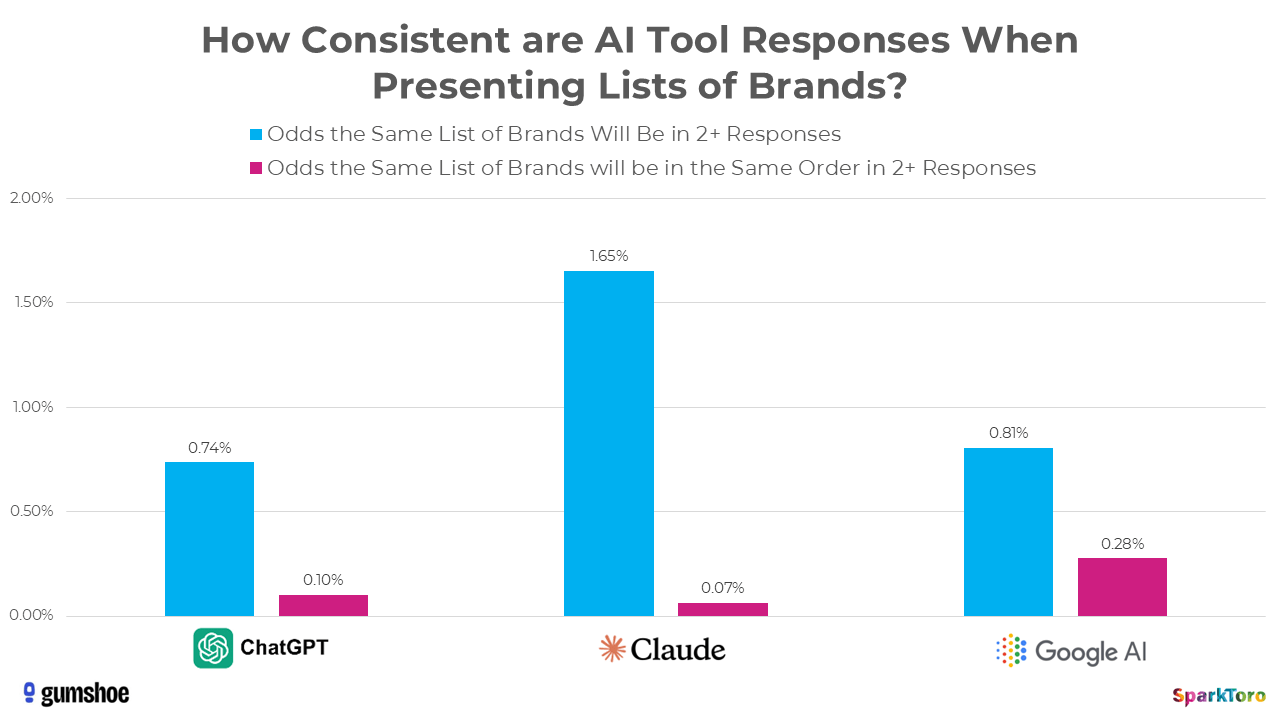
In an era where consumers increasingly turn to AI chatbots like ChatGPT for questions and product recommendations, brand invisibility is a growing concern. Unlike traditional search engines, ChatGPT does not operate on a fixed ranking system; its responses are probabilistic, meaning brands can appear or disappear from one query to the next. New research from SparkToro indicates a less than 1 in 100 chance that ChatGPT will provide the same list of brands in any two responses when asked 100 times. This inconsistency highlights the challenge marketers face in tracking AI visibility. However, while direct ranking is not possible, increasing brand mentions and ensuring pages are cited can significantly boost visibility.
To understand what influences brand mentions in ChatGPT, a comprehensive analysis of 75,000 brands was conducted, combined with a review of third-party studies. The findings reveal key factors that marketers can leverage to enhance their brand’s presence in AI-generated responses.
1. Optimize Your YouTube Presence
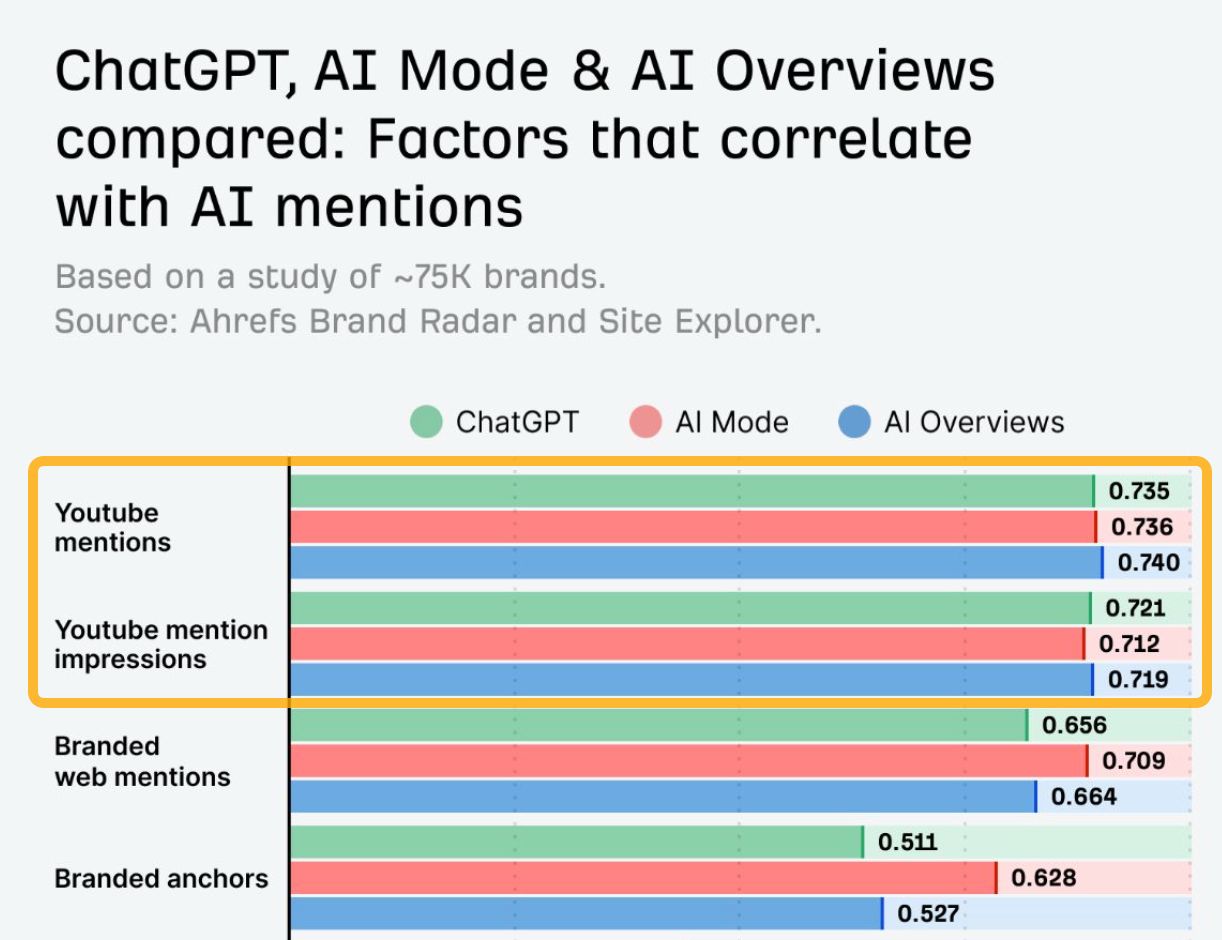
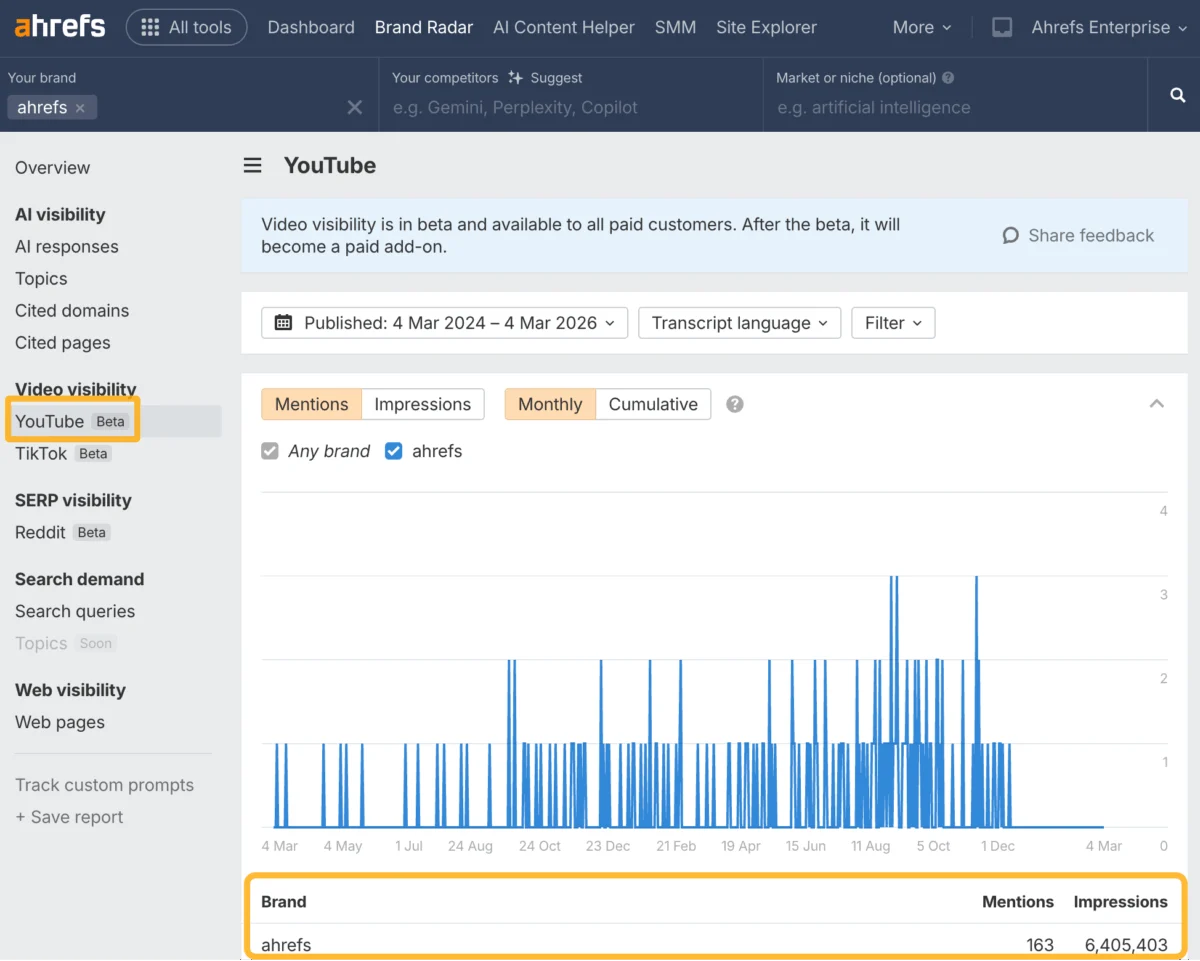
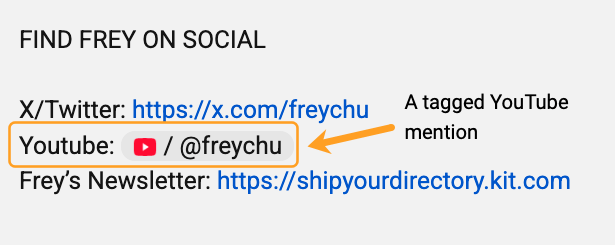
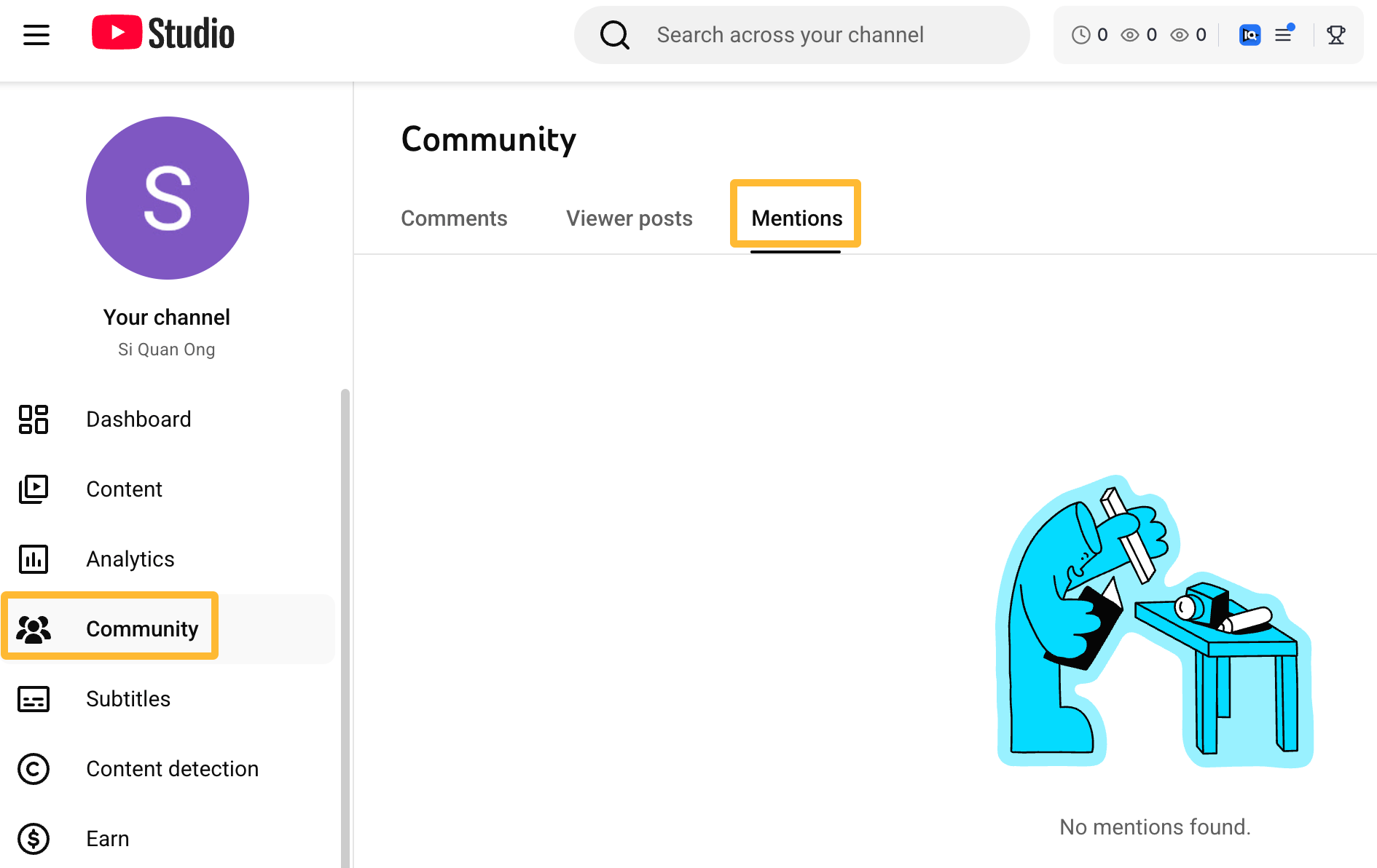
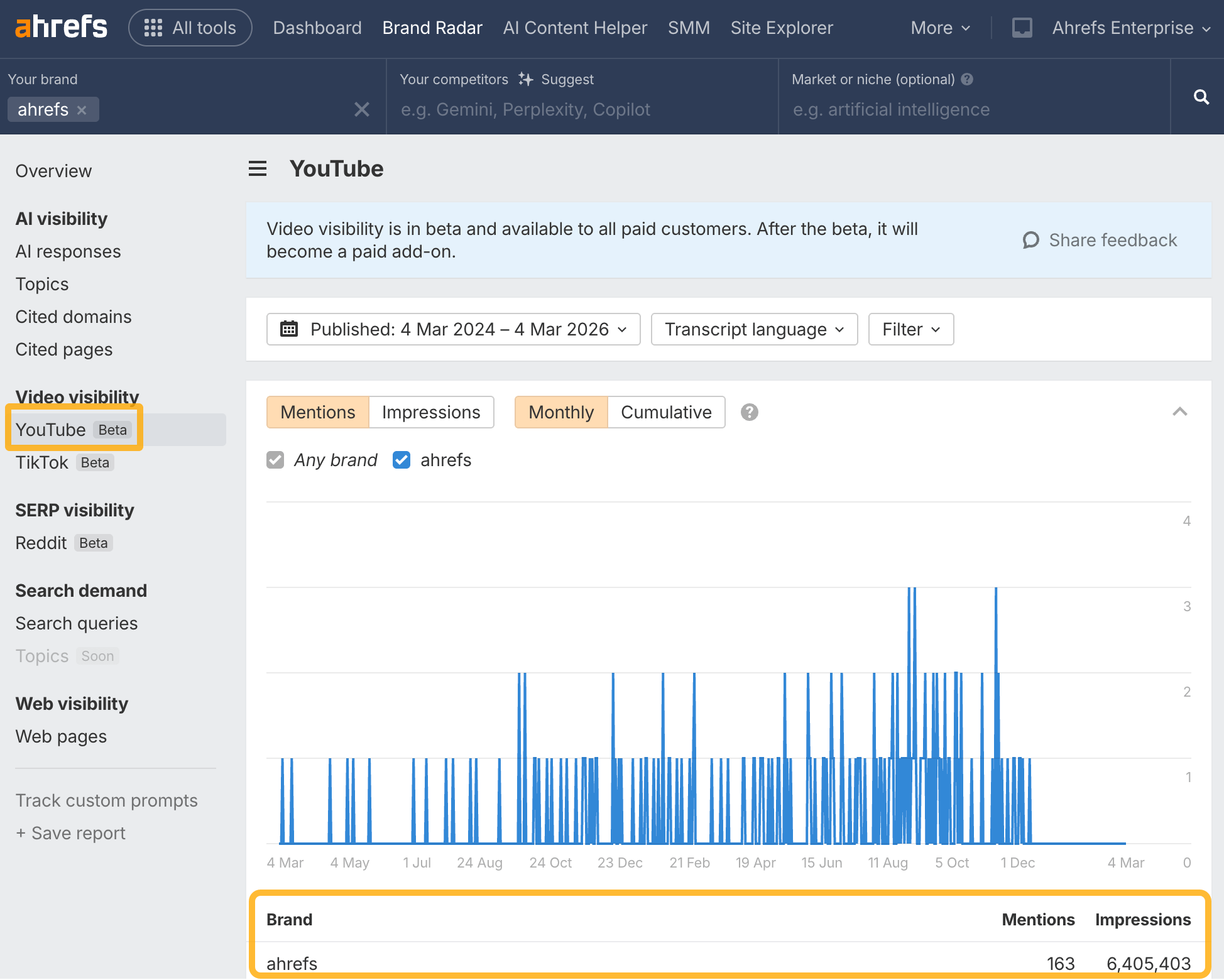
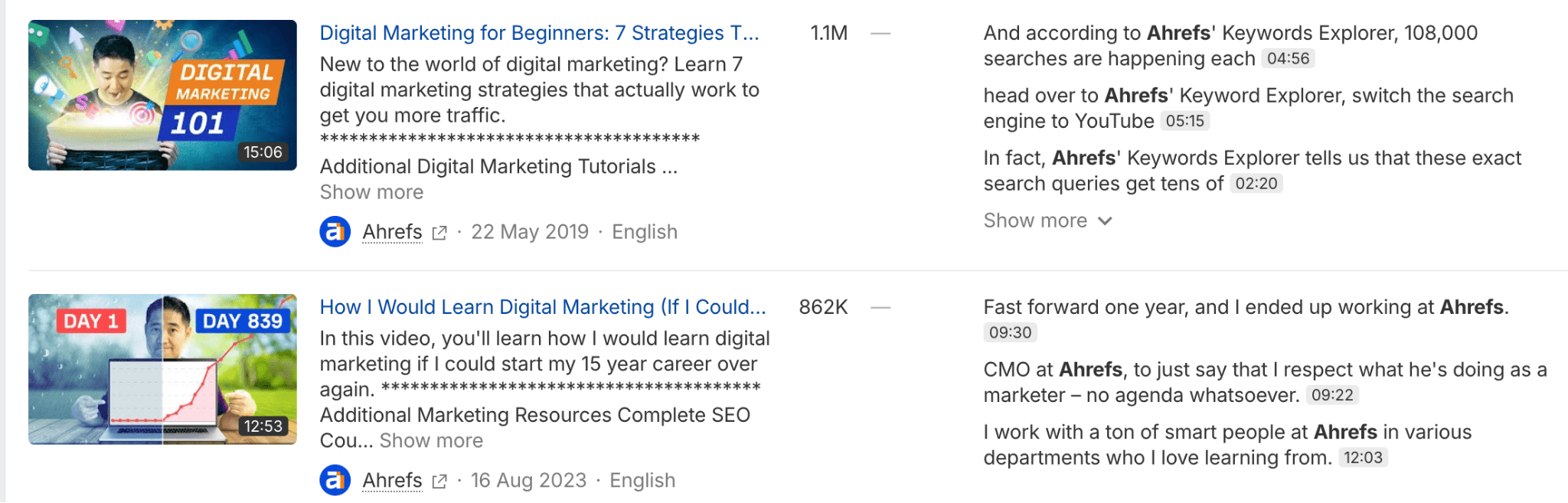
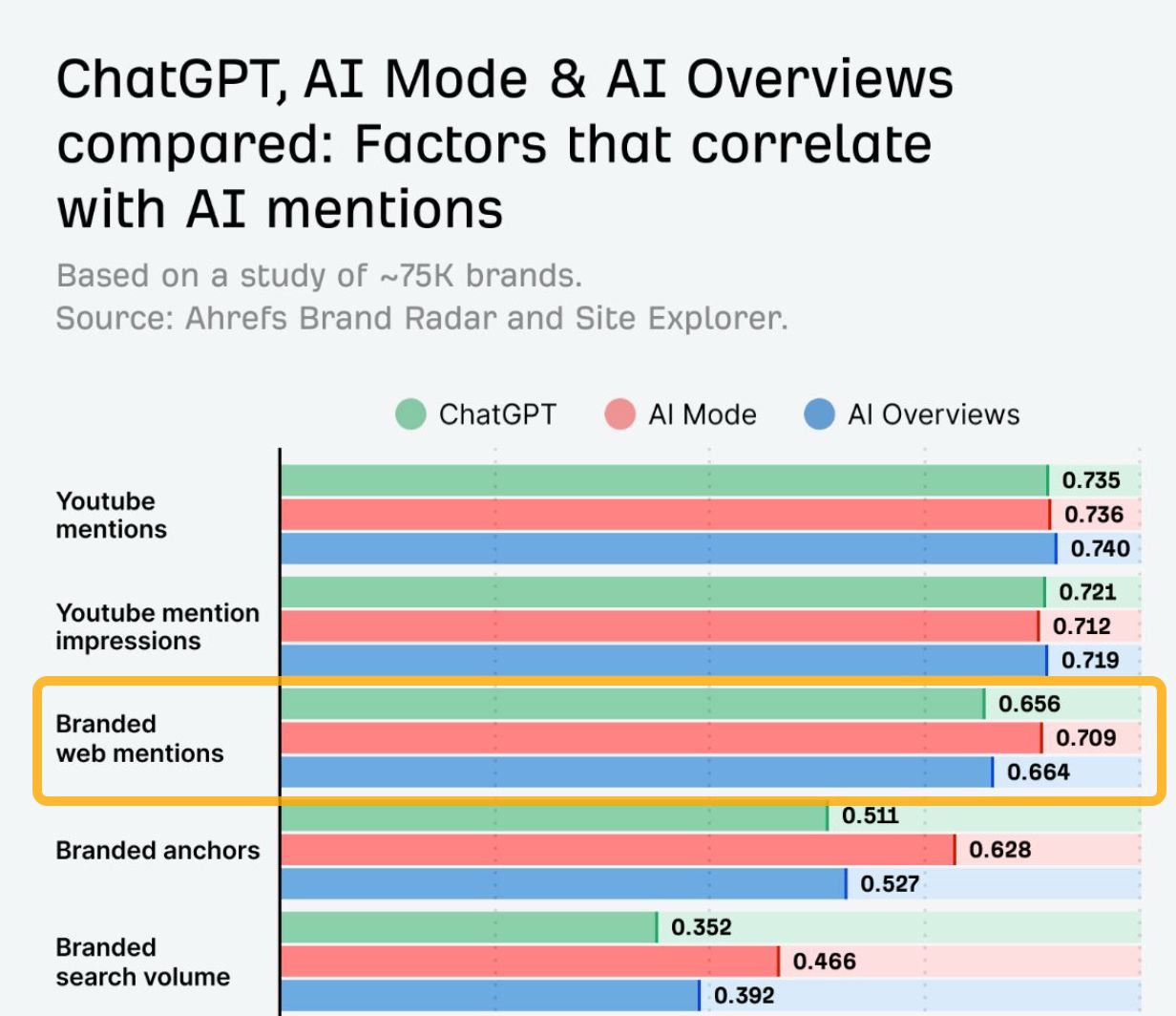
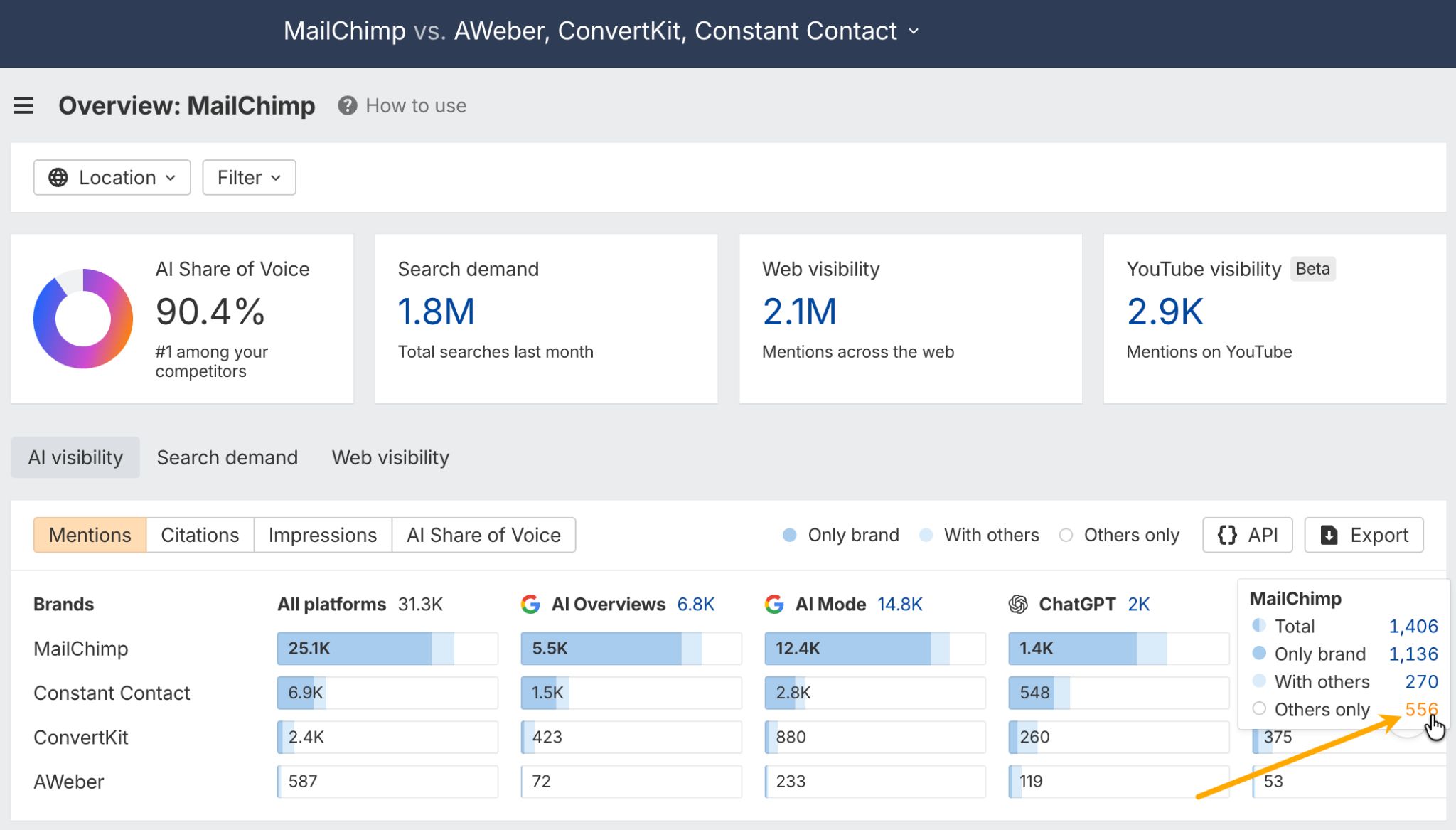
The strongest correlation with ChatGPT visibility comes from YouTube mentions and their impressions. YouTube is a critical component of the training data for Large Language Models (LLMs). Reports indicate that models like OpenAI’s GPT-4 were trained on over a million hours of YouTube transcriptions. Consequently, brand mentions within YouTube videos become part of the corpus that ChatGPT learns from. Furthermore, as LLMs cannot generate video content themselves, they tend to retrieve YouTube videos when a prompt requires visual content. A YouTube mention is defined as any instance of a brand name appearing in a channel name, title, description, transcript, or link. Brands can track tagged mentions within YouTube Studio’s Community tab, while untagged mentions require tools like Ahrefs’ Brand Radar.
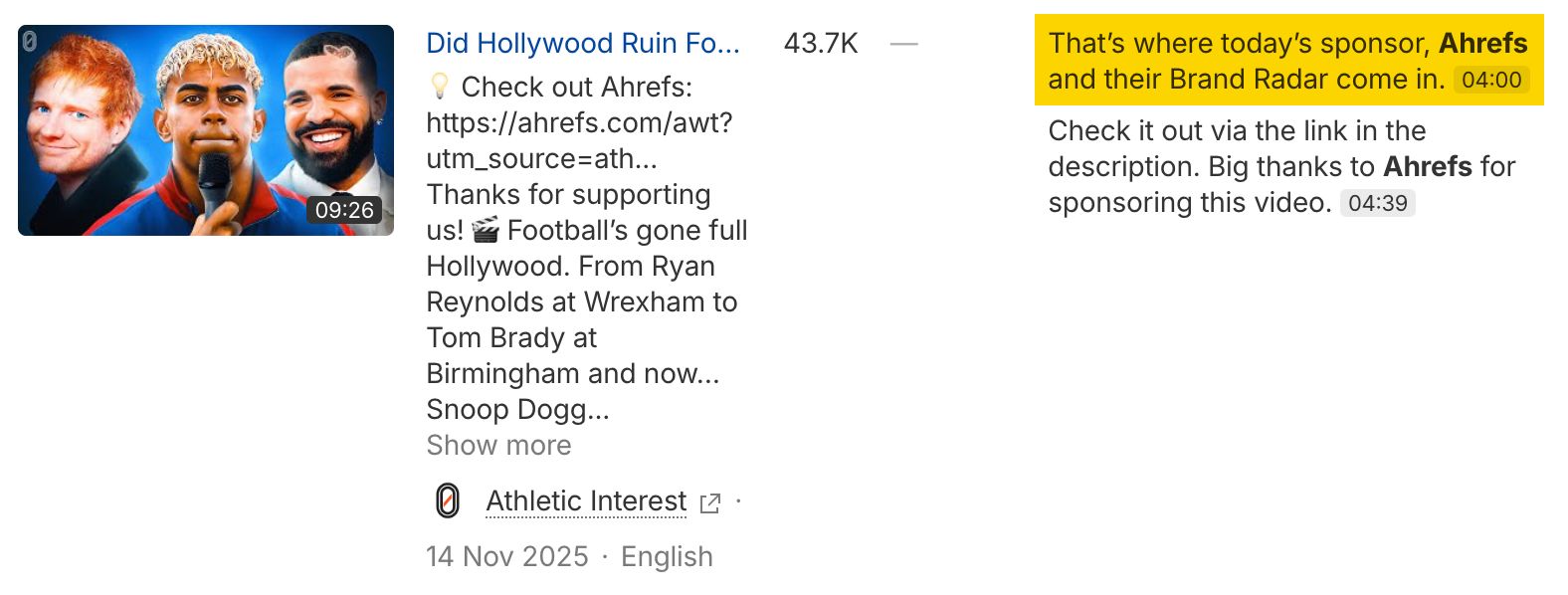
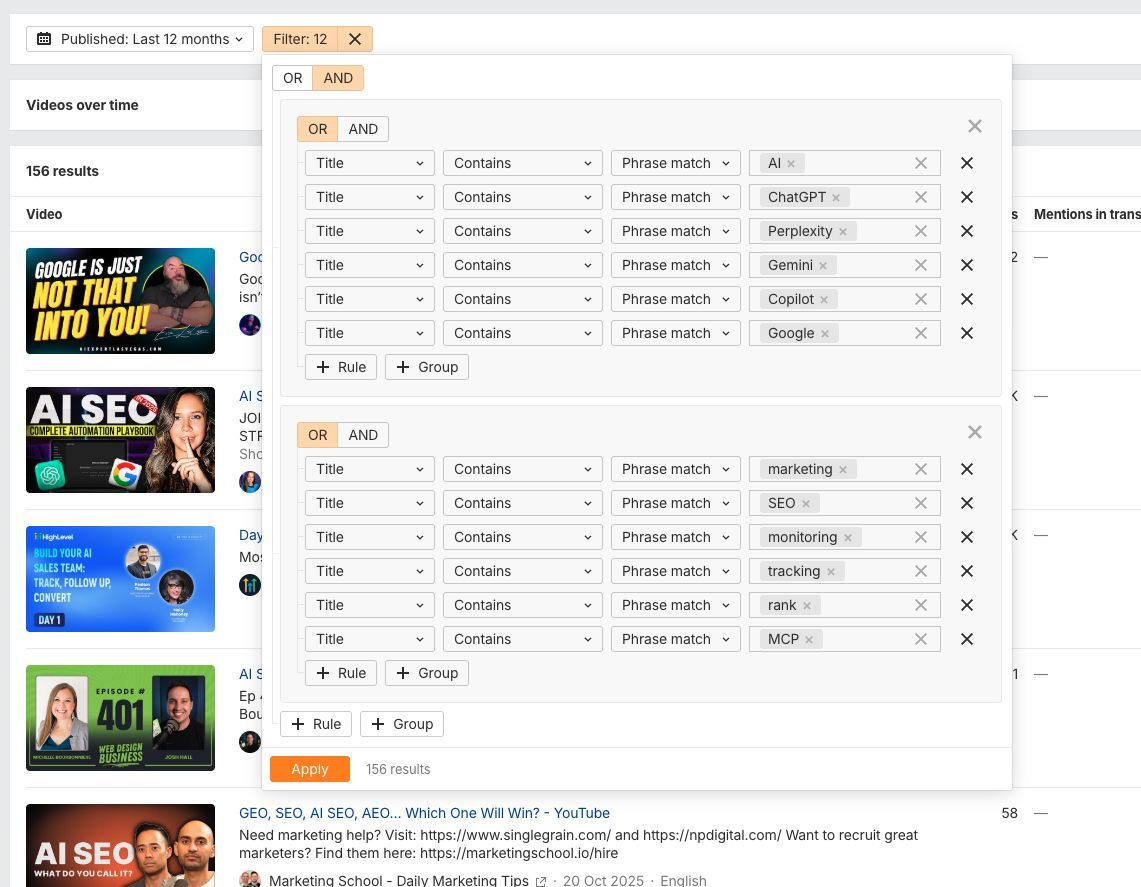
To increase YouTube mentions, brands should actively publish content on their YouTube channels. This includes creating videos that are optimized for YouTube SEO to rank highly on the platform. Additionally, collaborating with YouTube creators through sponsorships can lead to broader brand exposure. Tools like Brand Radar can help identify relevant YouTube creators for potential partnerships, allowing brands to explore options such as free product access in exchange for reviews, paid advertising slots, or guest appearances.
2. Build Brand Mentions Across the Web
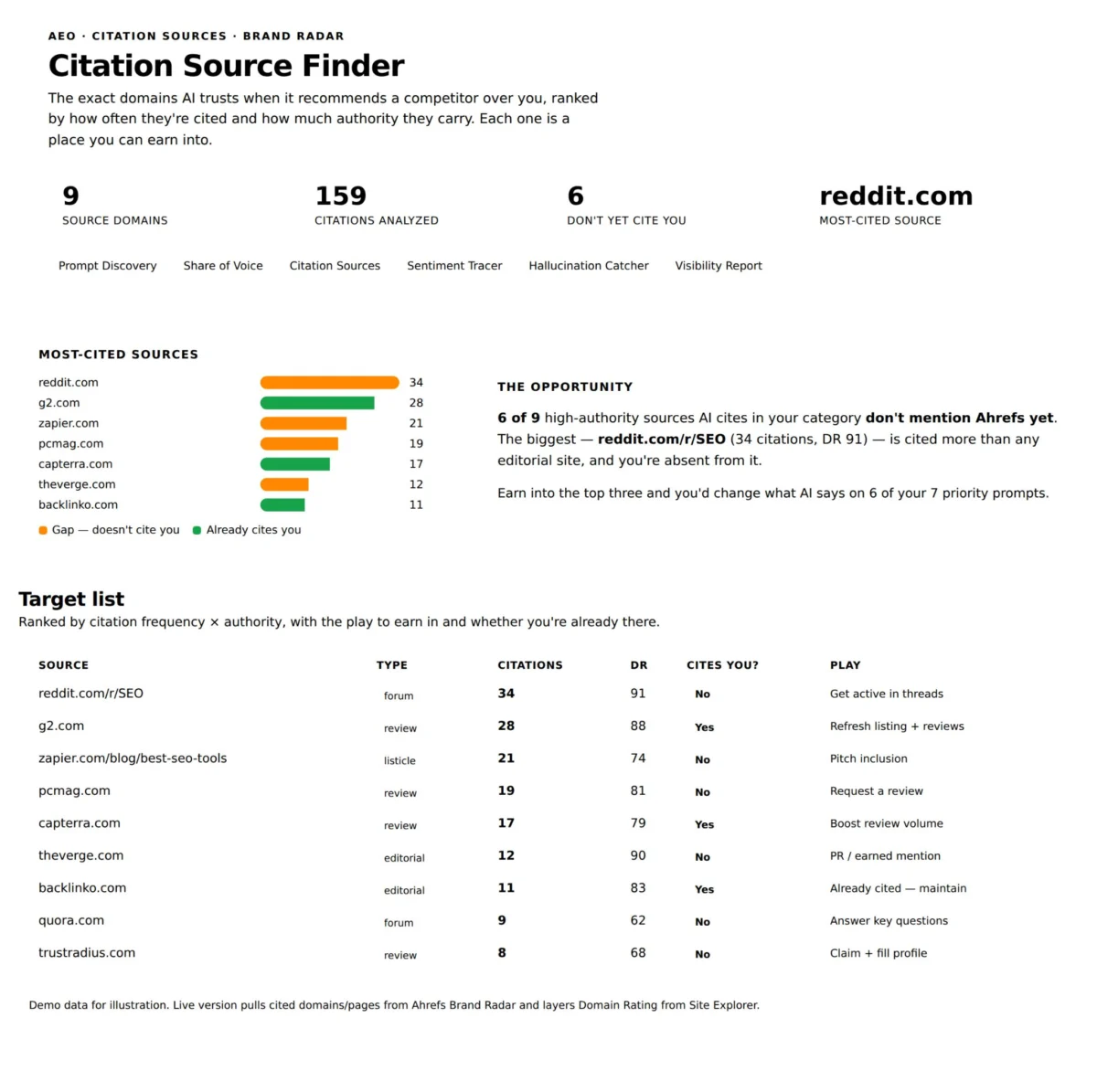
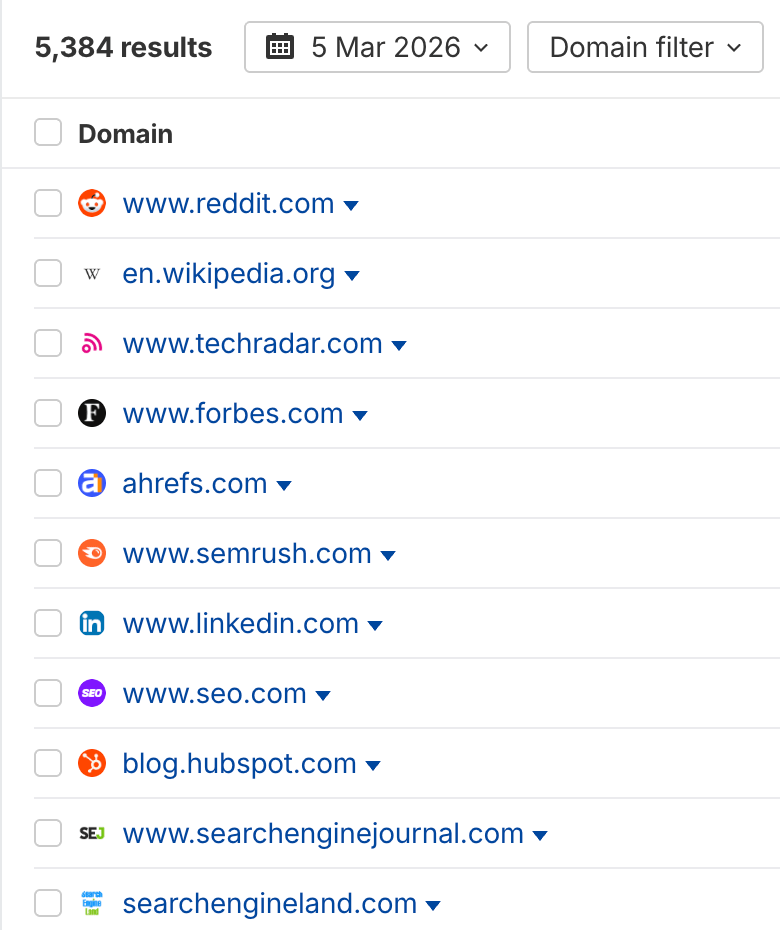
Following YouTube, branded web mentions demonstrate the next strongest correlation with ChatGPT visibility. This refers to any instance where a brand name appears online, irrespective of whether a link is included. The principle is that LLMs gravitate towards consensus. When multiple, particularly authoritative, sources consistently highlight a brand as a viable solution to a problem, the AI model learns to reflect this consensus. Analysis of domains most frequently cited by ChatGPT for brands like Ahrefs shows a dominance of third-party sites.
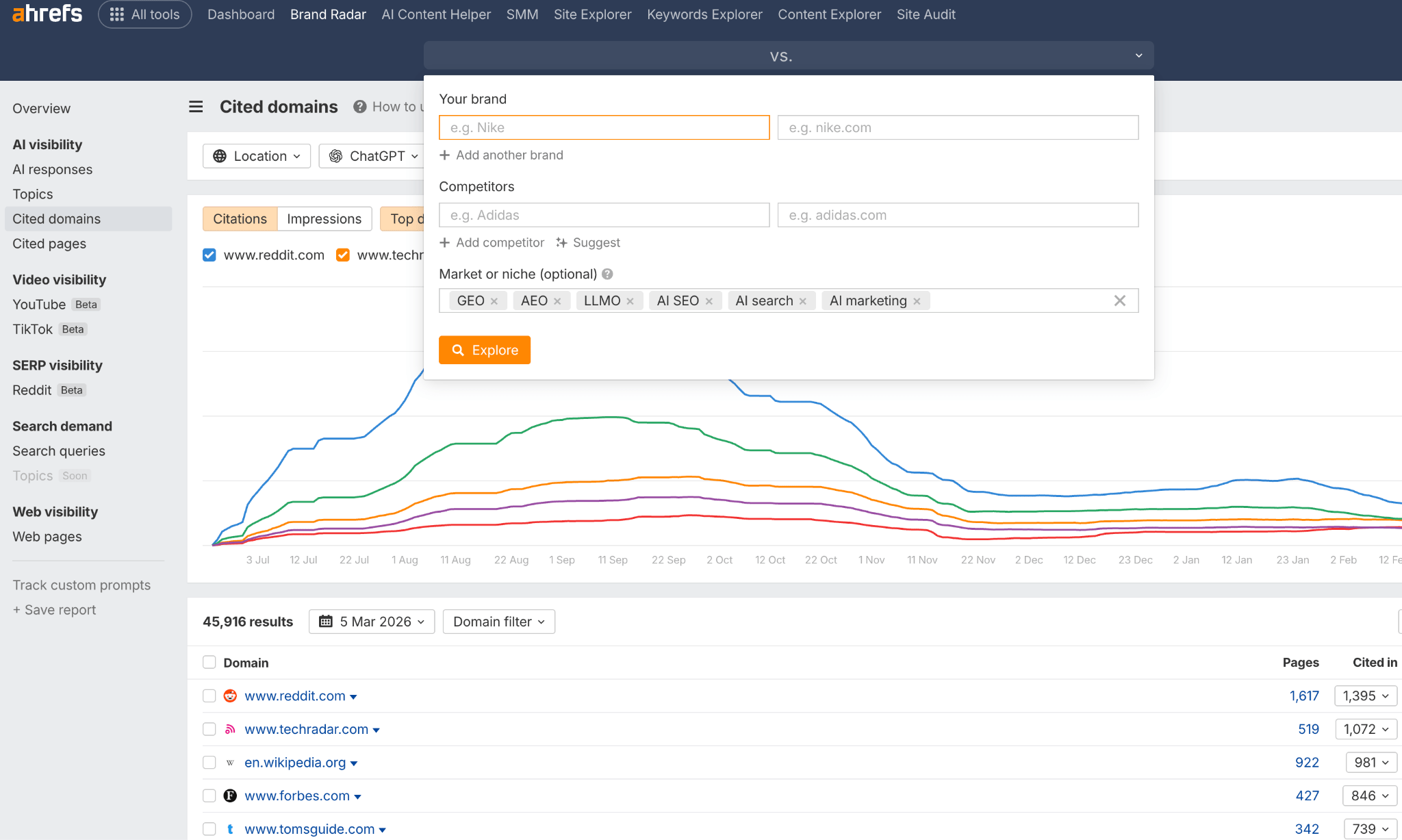
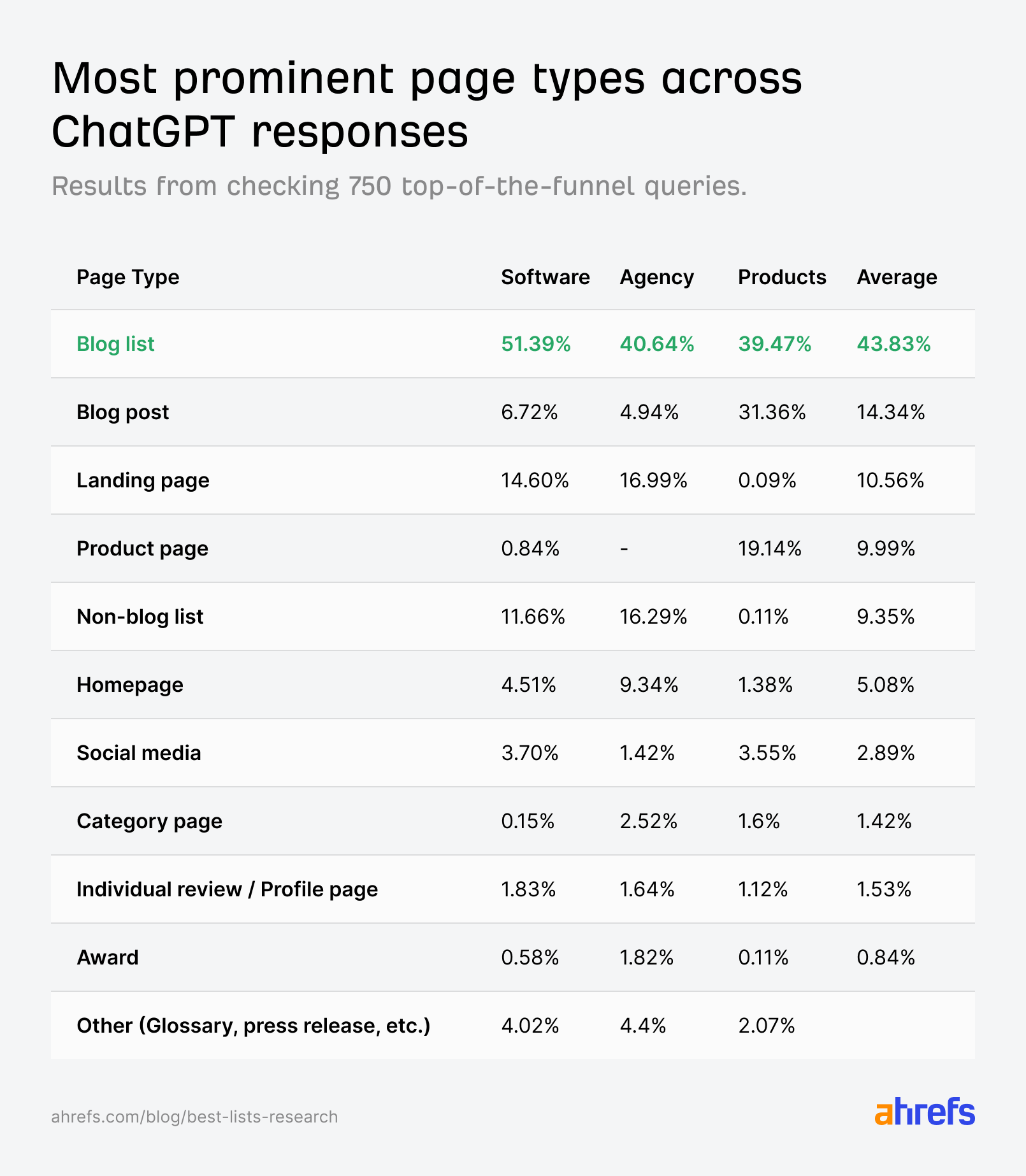
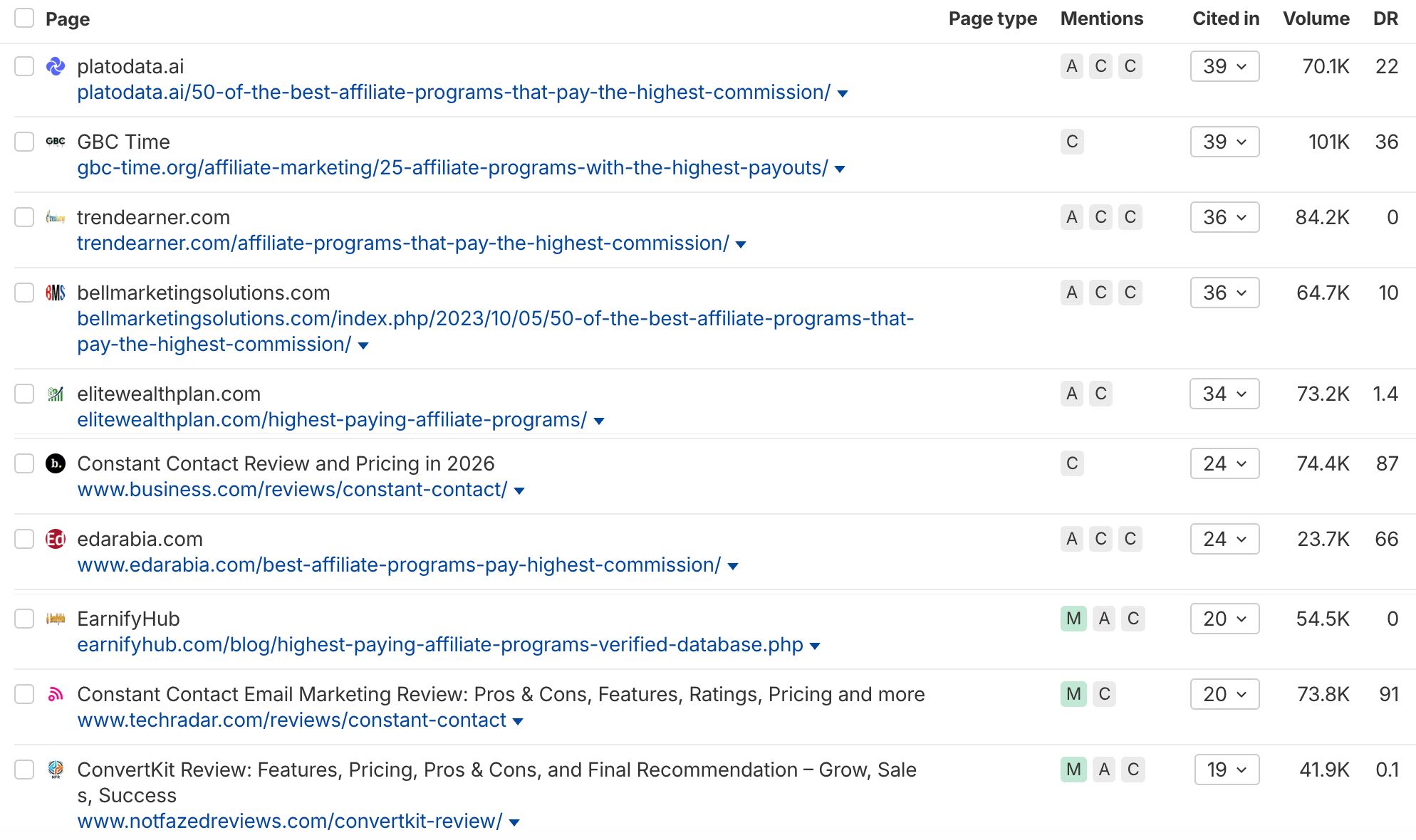
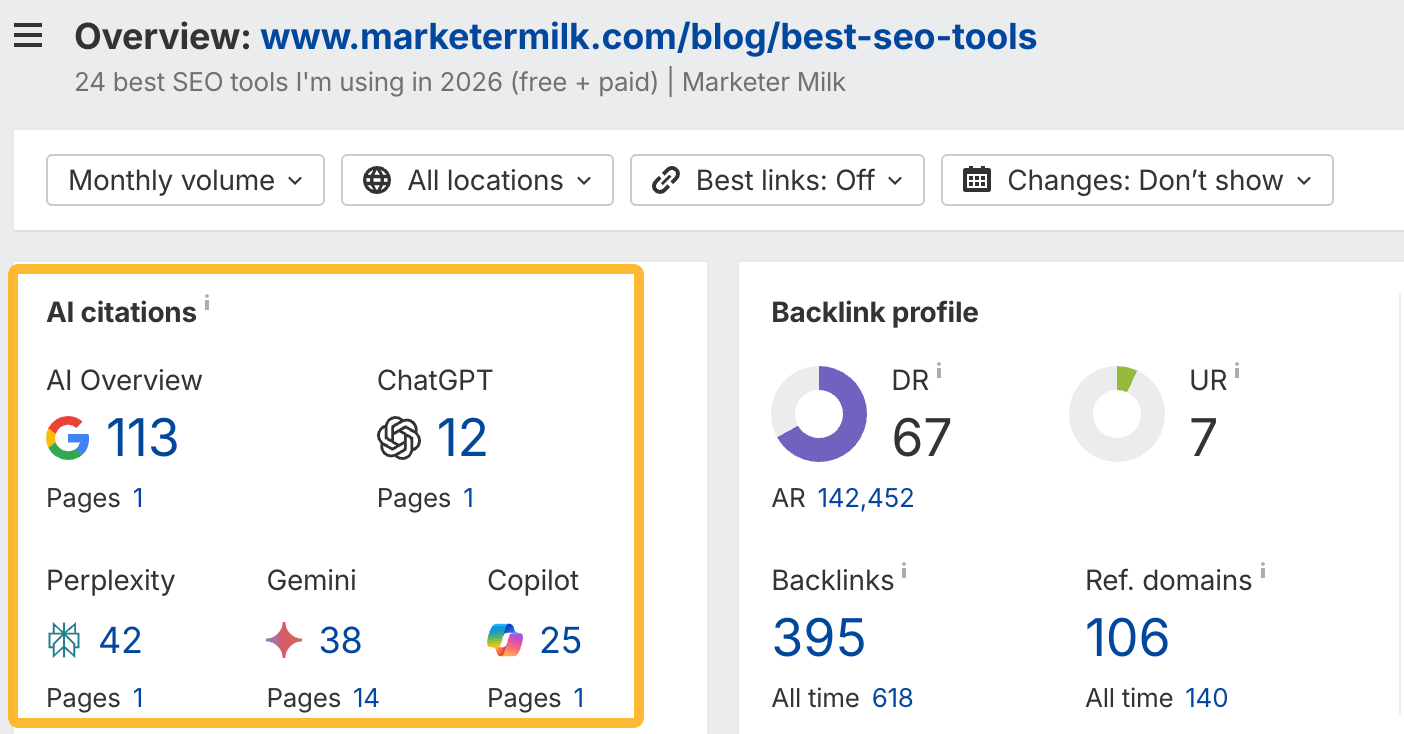
To proactively build off-site mentions, brands should focus on getting their names featured on sites that ChatGPT frequently cites. Ahrefs’ Brand Radar can identify these highly cited domains within a specific industry. The next step involves strategically targeting "best of" lists. Research indicates that these listicles account for a significant portion of ChatGPT citations. However, instead of forcing mentions into existing articles, a more effective strategy is to approach authoritative sites in the niche that haven’t yet published a "best of" post. By pitching content creation opportunities rather than direct mentions, brands can offer value and potentially create new citable pages. Furthermore, identifying where competitors are mentioned but the brand is not can reveal opportunities for inclusion. Tools like Ahrefs’ Site Explorer can analyze specific pages to check for existing ChatGPT citations, making it easier to prioritize outreach for mention additions.

3. Engage Authentically on Reddit

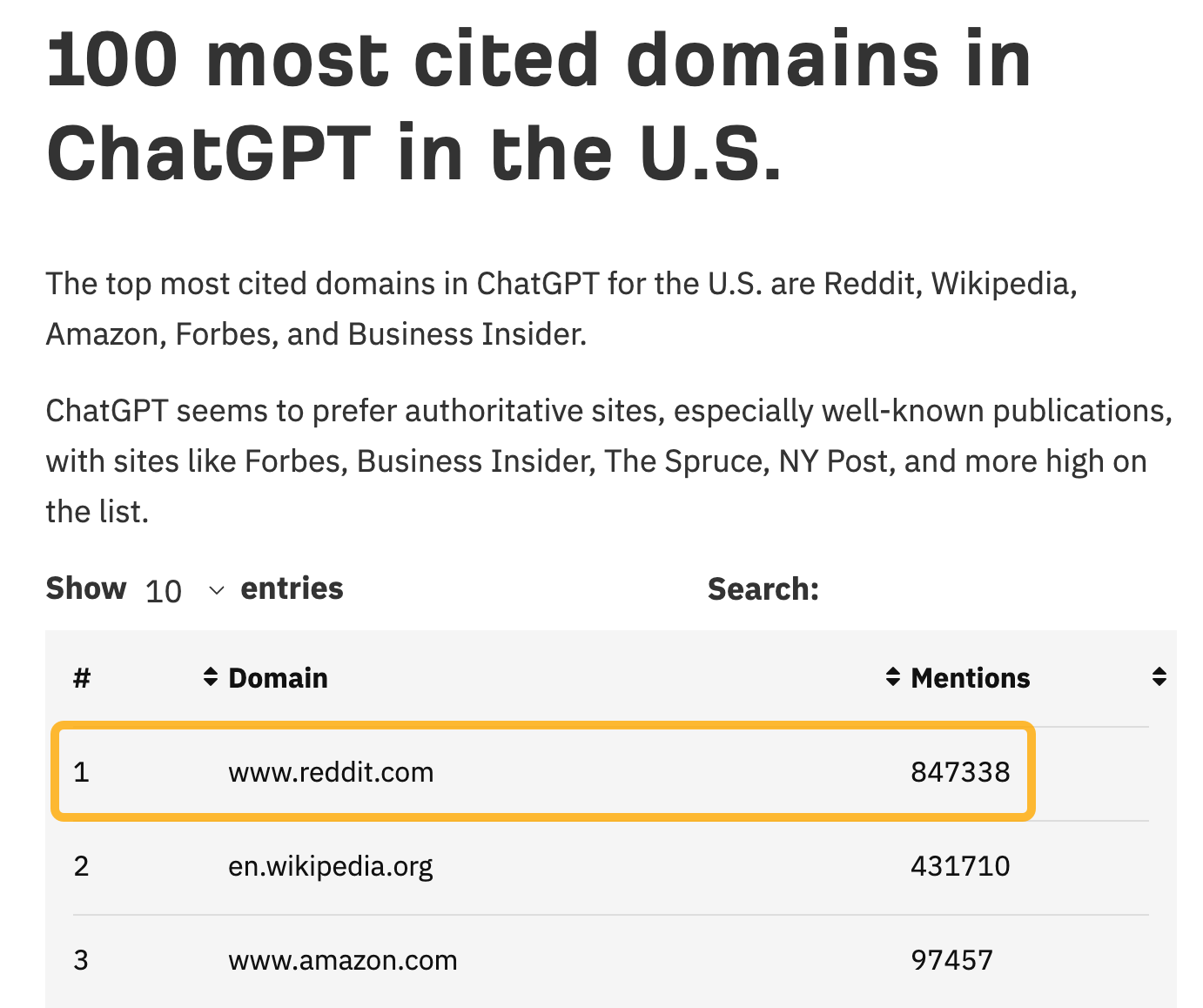
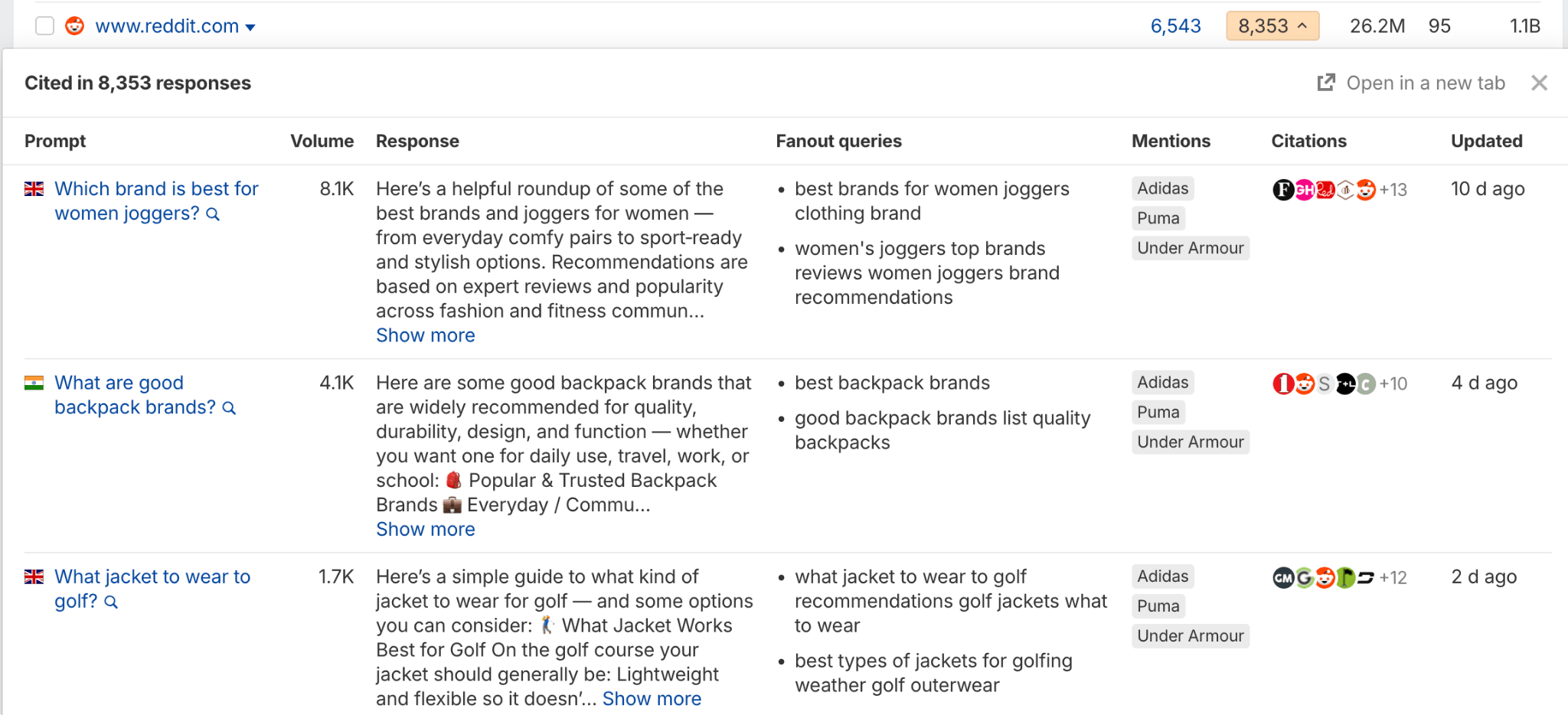
Reddit stands out as ChatGPT’s most cited domain, a testament to its rich repository of authentic user opinions and conversational context that LLMs find valuable. However, overt marketing on Reddit is met with strong resistance. The key to effective engagement lies in contributing authentically. Identifying Reddit threads that ChatGPT already cites can provide a starting point for relevant discussions. This can be achieved by filtering mention gap analysis results for Reddit.
The strategy should not be to immediately promote a product but to build a reputation within relevant subreddits by actively participating, offering genuine insights, and establishing credibility. Beyond direct contributions, exploring broader subreddits with a PR-like approach can uncover unique angles for brand promotion. Cross-posting relevant content to less obvious but connected communities can significantly expand reach. This long-term engagement on Reddit requires consistent effort but offers substantial rewards.
4. Structure Content for LLM Extraction
ChatGPT extracts information from content rather than reading it like a human. Therefore, content must be structured to facilitate this extraction process. Research indicates that a significant percentage of ChatGPT citations come from the initial 30% of content. Specifically, the middle sentence within paragraphs often holds the most "information gain" for the AI. This means key insights should be placed prominently near the beginning of the content, within paragraphs, and ideally in the middle sentence of those paragraphs.
Optimizing content for LLMs involves making it clear, concise, and easy to scan. Utilizing headings, subheadings, bullet points, and numbered lists can break down information logically. Ensuring the most critical information is presented early and in a digestible format increases the likelihood of it being extracted and cited by ChatGPT.
5. Keep Content Fresh
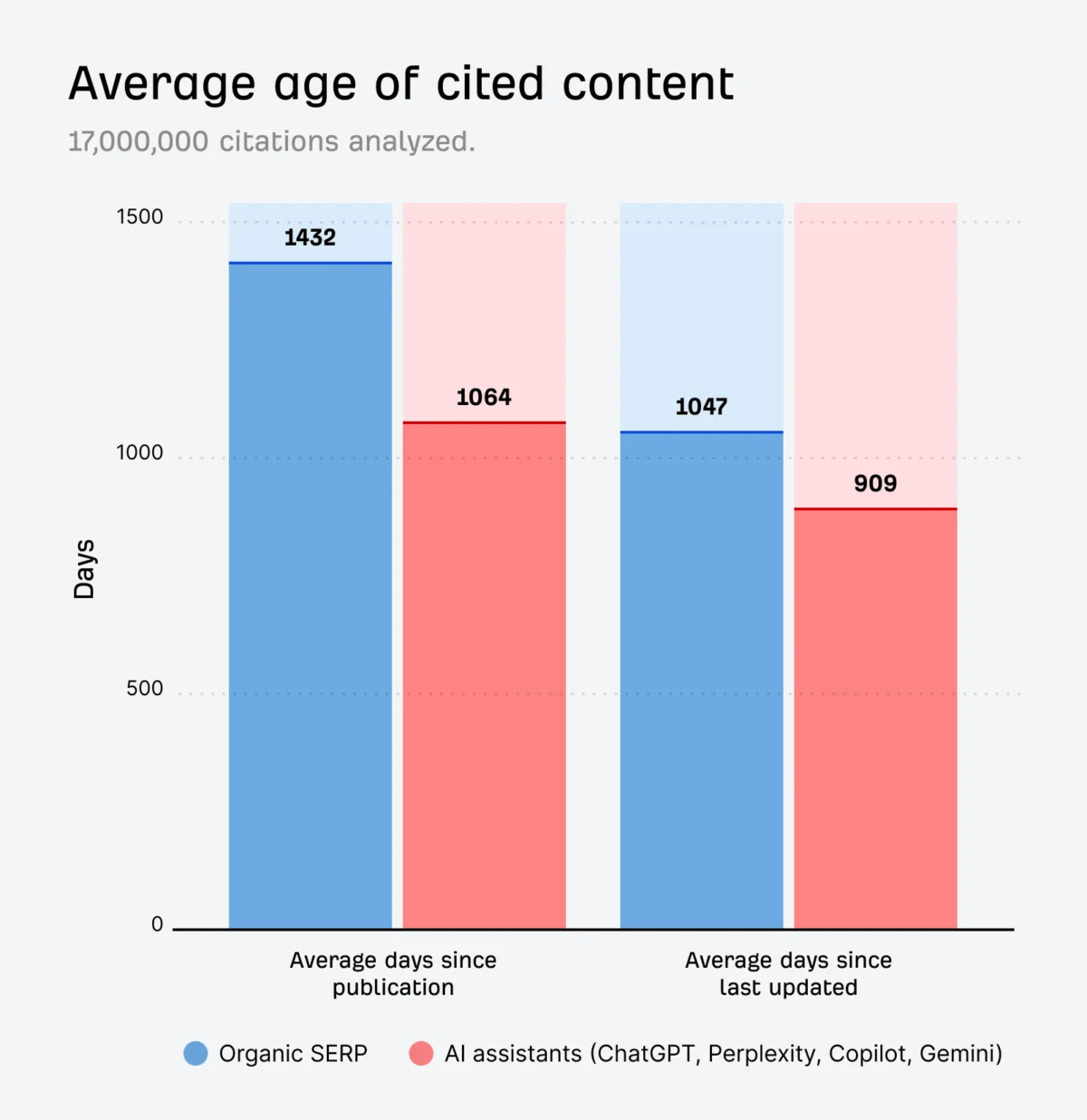
AI assistants, including ChatGPT, demonstrate a strong preference for newer content. Studies reveal that AI models tend to cite URLs that are significantly newer than those referenced in organic Google results. This preference for freshness means that regularly updating existing content with substantive changes, rather than just altering publication dates, is crucial. Genuine updates that add new information, data, or insights signal to AI models that the content is current and relevant. Falsifying freshness can erode trust and may be detected by AI systems.
6. Don’t Chase Content Quantity
The number of pages on a website has a negligible correlation with ChatGPT visibility. While the low cost of content creation might seem like an opportunity, a focus on quantity over quality is likely to be detrimental in the long run. As AI platforms mature, they are expected to implement more sophisticated quality signals, similar to Google’s Panda update, penalizing sites that prioritize sheer volume. The emphasis should shift from publishing more content to improving existing content and ensuring it is talked about by others. Creating original research with quantified claims and proprietary data is particularly valuable, as ChatGPT favors specific, data-backed statements.
7. Ensure ChatGPT Can Access Your Content
Technical accessibility is foundational. If ChatGPT cannot crawl a website, all other efforts to improve visibility will be in vain. This involves checking robots.txt files for any Disallow directives targeting AI crawler user agents such as GPTBot or ChatGPT-User. If such blocks are present, they should be removed unless there are specific legal or business reasons to opt out. Additionally, users of Cloudflare should verify their DNS settings, as the "Block AI training bots" feature, if enabled, can automatically update robots.txt to prevent AI training. Losing direct access to AI crawling means brands will be referenced through third-party sources, potentially diminishing control over their narrative in AI training data.
In conclusion, achieving visibility in ChatGPT requires a strategic approach that moves beyond traditional SEO. It involves building brand presence on platforms like YouTube and Reddit, fostering web mentions, structuring content for AI extraction, prioritizing freshness, and ensuring technical accessibility. The brands that will thrive in this evolving landscape are those that actively engage in these practices, ensuring their stories are told and their products are recommended when users turn to AI for answers.