 11
11
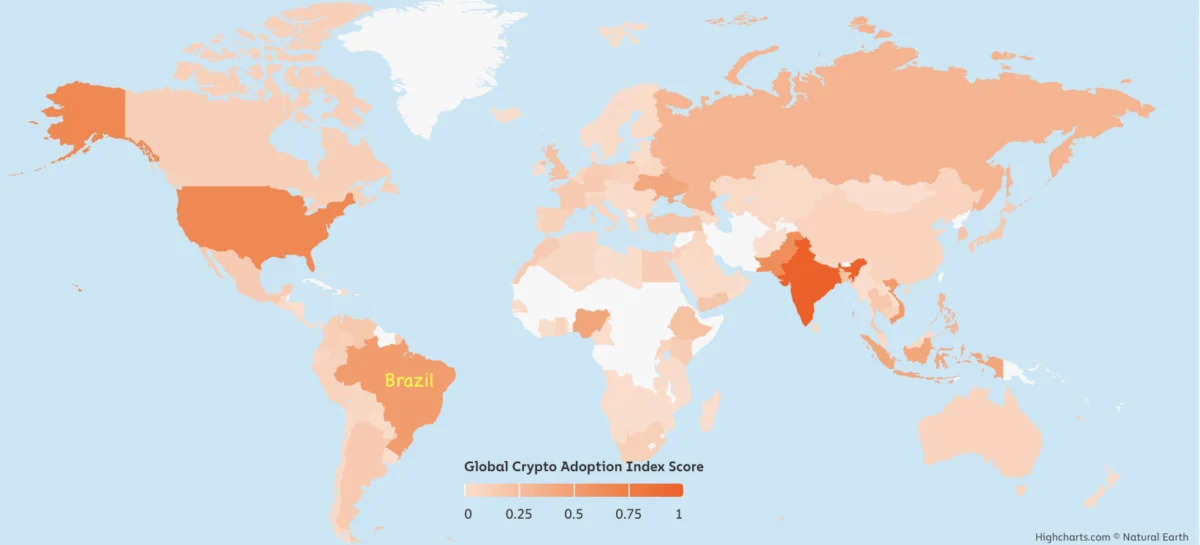
Brazil’s Finance Minister, Dario Durigan, has announced a strategic postponement of the nation’s cryptocurrency tax policy discussions, pushing them beyond the presidential elections scheduled for October 2026. This decision aims to circumvent the potential for contentious tax reforms to become a politically charged issue during the election cycle, thereby avoiding the introduction of "divisive" measures.
Originally, Brazilian regulators and government officials had earmarked later in 2024 for a public consultation on crypto tax policy. However, sources close to the matter have indicated to Reuters that this consultation might be pushed back further, potentially to 2027. Despite this delay, the subject of cryptocurrency taxation "remains on the radar" of government bodies.
This move comes in the wake of significant changes to Brazil’s crypto tax landscape. In June 2025, the country officially ended its tax exemption policy for smaller cryptocurrency sales or transfers. This marked a departure from previous regulations, which had exempted residents who sold up to 35,000 Brazilian reais (approximately $6,587 USD at the time) per month from capital gains taxes on profits. Investors exceeding this monthly threshold were previously subject to progressive tax rates ranging from 15% to 22.5%. The new policy, implemented in June 2025, introduced a flat 17.5% tax on crypto capital gains, encompassing gains derived from offshore and self-custodial holdings.
Further developments in Brazil’s regulatory approach to digital assets occurred in November 2025, when the Banco Central do Brasil, the country’s central bank, issued new rules. These regulations stipulate that stablecoin transfers are to be treated as foreign currency exchange transactions, consequently subjecting them to the same tax laws applicable to foreign exchange.
The Brazilian government is also actively exploring proposals to implement taxes on cryptocurrencies utilized for international payments. This initiative is part of a broader effort to align its reporting rules with the international standards set forth by the Crypto-Asset Reporting Framework (CARF), a global monitoring initiative designed to enhance transparency and facilitate the exchange of information regarding crypto transactions.
The decision to put the crypto tax consultation on hold is occurring at a time of robust growth and increasing adoption of cryptocurrencies within Brazil. The South American nation has emerged as a significant player in the global crypto market, demonstrating a strong appetite for digital assets among its population.

Brazil’s Leading Position in Global Crypto Adoption
Brazil’s prominence in the cryptocurrency space is underscored by its high ranking in global adoption indices. According to Chainalysis’s 2025 Global Crypto Adoption Index, Brazil holds the fifth position worldwide, and crucially, it ranks as the leading country for crypto adoption within the Latin American region.
This significant adoption rate is occurring within a country of over 213 million people, characterized by a relatively young median age of 33.5 years. Furthermore, a substantial majority of the population, exceeding 91%, resides in urban areas, according to data compiled by Worldometer. This demographic and geographic profile likely contributes to the rapid dissemination and utilization of digital financial technologies.
Chainalysis reported that in 2025, Latin America experienced a remarkable 63% surge in crypto adoption, a growth attributed to increasing engagement from both retail and institutional investors across the region. This regional trend further highlights Brazil’s pivotal role in driving crypto adoption in Latin America.
The country’s embrace of digital finance extends beyond cryptocurrencies, as evidenced by the expansion of its instant payment system, Pix. Pix has not only revolutionized domestic transactions within Brazil but is also extending its reach to other South American nations, such as Argentina, signaling a broader trend towards digital payment innovation in the region.
The evolving regulatory landscape, including the recent shift in taxation policies and the potential for further tax measures on international crypto payments, reflects a government actively seeking to integrate and manage the burgeoning digital asset economy. While the immediate focus on new tax policy development has been deferred to post-election periods, the underlying commitment to establishing a clear and comprehensive regulatory framework for cryptocurrencies remains evident. This strategic delay, while potentially extending the period of regulatory uncertainty for some aspects of crypto taxation, prioritizes political stability during a sensitive election year, while acknowledging the undeniable growth and adoption of cryptocurrencies within Brazil. The government’s approach suggests a desire to balance innovation with fiscal responsibility, ensuring that the country’s evolving digital asset ecosystem develops within a well-defined and politically palatable regulatory environment.