11
11
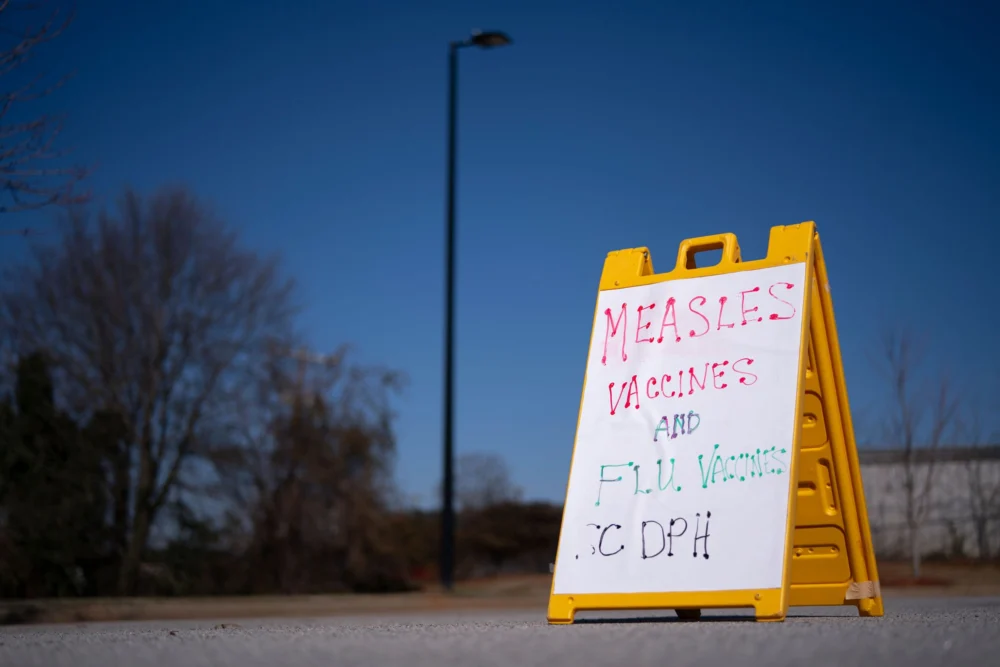
A significant measles outbreak in South Carolina, which has emerged as the largest in the United States in over three decades, is finally exhibiting encouraging signs of abatement. The total number of confirmed cases within the state is approaching the alarming figure of 1,000, marking a critical juncture in the public health response. For several consecutive weeks, state health officials have observed a steady downward trajectory in new infections, with current reports indicating approximately 10 new cases being identified per week. This represents a dramatic reduction from the outbreak’s peak in mid-January, when the state was grappling with an overwhelming average of around 200 new cases weekly, straining healthcare resources and prompting urgent public health interventions. The deceleration in transmission offers a cautious glimmer of hope after months of intense public health challenges.
According to comprehensive data compiled by the Centers for Disease Control and Prevention (CDC), the South Carolina outbreak stands out as the most extensive measles event recorded in the U.S. in more than 30 years. The national picture also reflects a concerning resurgence of the highly contagious viral disease. As of March 5, the CDC has confirmed a total of 1,281 measles cases across the entire country this year. This figure already surpasses more than half of the documented cases reported in 2025, which totaled 2,283. This comparison, despite the forward-looking date in the source, underscores the unusual scale and speed of measles’ re-emergence in the current period, highlighting a significant challenge to public health infrastructure across the nation.
The United States had proudly achieved measles elimination status in the year 2000. This designation signifies that there has been no continuous, endemic transmission of the measles virus within the country for a period exceeding one year. The current resurgence of cases, particularly the prolonged and widespread nature of the South Carolina outbreak, now places the nation at a tangible risk of losing this hard-won elimination status. Such a reversal would carry profound implications for public health, potentially necessitating a re-evaluation of national vaccination strategies and increasing the baseline threat of preventable diseases. Beyond South Carolina, the CDC has identified a total of 12 distinct measles outbreaks across the U.S. this year, with notable clusters reported in states such as Arizona, Texas, and Utah, indicating a broader geographical spread of the virus and a nationwide challenge to measles control.
Linda Bell, South Carolina’s state epidemiologist, expressed cautious optimism regarding the recent decline in new cases within her jurisdiction. Her statements reflect a measured encouragement tempered by a realistic assessment of ongoing risks. During a press briefing on March 4, Dr. Bell highlighted a critical period approaching: the spring break season in March and April. This time of increased travel and family gatherings poses a significant potential for renewed exposures, as residents and visitors alike travel across the state and country, visiting tourist attractions and engaging in social activities. The heightened mobility associated with spring break could inadvertently facilitate the further dissemination of the virus, even as local transmission rates show improvement, necessitating continued vigilance from both public health officials and the general public.
"We remain concerned and must be mindful of the fact that we can see cases increase again from the low number that we’re seeing now," Dr. Bell articulated, emphasizing the need for sustained vigilance despite the positive trends. Her remarks underscored the fragility of the current progress, particularly given measles’ highly infectious nature. "We are very hopeful that the downward trend continues, but we have to be vigilant about the risk that we can see another surge." This sentiment encapsulates the careful balance public health officials must strike between acknowledging progress and maintaining a proactive stance against potential setbacks. The inherent transmissibility of measles means that even a small number of new introductions or exposures can rapidly escalate into another wave of infections, particularly in communities with suboptimal vaccination rates, underscoring the importance of every individual’s role in prevention.
The genesis of the South Carolina outbreak can be traced back to a small cluster of initial cases identified in October. From its modest beginnings, the outbreak progressively intensified, primarily centering its impact on Spartanburg County. A critical factor in the rapid and extensive spread of the virus within this region was identified as low vaccination rates in schools. When a significant portion of a population, especially schoolchildren who interact closely, lacks immunity to measles, the collective protection known as "herd immunity" is compromised. This vulnerability created fertile ground for the virus to propagate unchecked. The situation was further exacerbated by social events and gatherings held around the winter holidays, which provided numerous opportunities for the highly contagious virus to jump from person to person, fueling a dramatic surge in cases during January. Additionally, churches were identified by Dr. Bell as a significant source of exposure, indicating that community-based gatherings played a substantial role in the virus’s transmission dynamics.
Measles is characterized by a distinct set of symptoms that typically manifest one to two weeks following exposure to the virus. These initial signs commonly include a high fever, a persistent cough, a runny nose, and watery eyes. The characteristic measles rash, which is often the definitive diagnostic indicator, usually takes an additional several days to develop after these initial symptoms. This delayed appearance of the rash contributes significantly to a lag in diagnosing the infection, meaning individuals can be highly contagious and unknowingly spread the virus before their illness is definitively identified and they can isolate. The ramifications of measles extend beyond these uncomfortable symptoms; the disease can lead to severe and potentially life-threatening complications. These include pneumonia, a serious lung infection, and encephalitis, which is brain swelling. Both of these severe complications have been officially documented among cases within the South Carolina outbreak, underscoring the serious public health threat posed by the virus, especially to vulnerable populations. A stark statistic highlights the preventable nature of this outbreak: more than 93 percent of the confirmed cases in South Carolina have occurred in individuals who were unvaccinated against measles. Furthermore, the vast majority of these infections have been recorded in children under the age of 18, emphasizing the particular vulnerability of the pediatric population to this vaccine-preventable disease.
Earlier in the outbreak, epidemiological modeling had projected a much longer duration for the South Carolina crisis, with some assessments suggesting it could persist for six months or even longer. These initial projections were based on the high transmissibility of the virus and the existing vaccination landscape. The current downward trend, however, offers a glimmer of hope that the outbreak may conclude sooner than these initial, more pessimistic predictions. This improved outlook is largely attributed to concerted public health efforts, increased public awareness, and a positive shift in community behavior towards immunization.
A direct and encouraging consequence of the outbreak has been a notable uptick in vaccination rates with the measles, mumps, and rubella (MMR) vaccine, both within Spartanburg County and across the wider state. Data from the South Carolina Department of Public Health reveals a significant increase in protective measures being taken by the populace in response to the crisis. Specifically, in Spartanburg County, there was a staggering 133 percent increase in measles vaccinations in February compared to February 2025. This surge represents approximately 900 additional doses of the MMR vaccine administered within the county, directly boosting community immunity and reducing the pool of susceptible individuals. On a statewide level, an additional 7,000 doses of measles vaccinations were administered during February, marking a substantial 70 percent increase from the number of doses given during the same period last year. These figures collectively indicate a responsive public and a successful public health campaign aimed at curbing the spread of the virus through widespread immunization.
The coordinated efforts of health authorities, coupled with increased public awareness and a proactive uptake of vaccination, appear to be making a measurable difference in containing this historically significant outbreak. While the immediate threat shows signs of waning, the experience in South Carolina serves as a potent reminder of the fragility of disease elimination status and the paramount importance of maintaining high vaccination coverage to safeguard public health against preventable infectious diseases. The vigilance articulated by Dr. Bell remains crucial as the state navigates the coming weeks, ensuring that the hard-won progress continues and the risk of a renewed surge is effectively mitigated. The lessons learned from this extensive outbreak will undoubtedly inform future public health strategies, not only in South Carolina but across the nation, as the United States strives to uphold its elimination status against measles for generations to come.