 11
11

Atlassian, the global software leader known for collaboration tools such as Jira and Confluence, has announced a significant restructuring plan that includes a workforce reduction of approximately 10 percent. This decision will result in the departure of roughly 1,600 employees as the company seeks to realign its internal resources toward high-growth priorities, specifically artificial intelligence (AI) and enterprise-grade sales operations. The move reflects a broader trend within the technology sector where established firms are pivoting rapidly to capitalize on generative AI while simultaneously streamlining operations to meet heightened investor expectations for profitability and efficiency.
The announcement was delivered via an internal communication to the company’s global workforce, emphasizing that the decision was driven by a need to "self-fund" future investments. According to the company leadership, the reduction is not a reaction to poor financial performance but rather a proactive strategy to strengthen the firm’s financial profile and reorganize around its "System of Work" philosophy. Impacted employees were notified within a short window following the announcement, with the company utilizing a phased approach to consultation in various international regions to comply with local labor laws and regulations.
The primary catalyst for this restructuring is a fundamental shift in Atlassian’s operational focus. The company has identified AI and enterprise sales as the two most critical pillars for its next phase of growth. By reducing the headcount in certain areas, Atlassian aims to reallocate capital and talent toward these sectors. The leadership noted that while the company currently possesses significant momentum, the standards for success in the software industry have evolved. Today’s market environment places a premium on a combination of high growth, sustained profitability, and the rapid creation of value through technological innovation.
In the most recent fiscal quarter, Atlassian reported robust financial metrics that underscore its current market strength. Cloud revenue growth accelerated to over 25 percent, while Remaining Performance Obligations (RPO) grew by more than 40 percent. Furthermore, the company now boasts more than 600 customers who contribute over $1 million in Annual Recurring Revenue (ARR). The company’s foray into AI has also shown early signs of success; "Rovo," Atlassian’s AI-powered agent designed to help teams find, learn, and act upon information across various apps, has already surpassed 5 million Monthly Active Users (MAU).
Despite these successes, the company maintains that the "bar for what great looks like" has risen. To remain competitive against both legacy enterprise providers and emerging AI-native startups, Atlassian is choosing to adapt its organizational structure. This involves a transition from a generalist growth model to one that is more targeted toward large-scale enterprise clients and integrated AI capabilities.
A critical component of the announcement addressed the relationship between AI and human labor. Management clarified that the layoffs are not a direct case of AI replacing human workers in a one-to-one ratio. Instead, the company expressed a belief that the most effective outcomes are generated by the synergy of people and technology. However, the leadership acknowledged that the integration of AI necessitates a change in the "skill mix" required by the organization.
As Atlassian moves toward becoming an "AI-first" company, certain traditional roles have become less aligned with the future trajectory of the business. The restructuring is designed to reshape the workforce to include more individuals with the technical expertise required to build and maintain AI-driven systems, as well as sales professionals capable of navigating the complexities of large-scale enterprise contracts. The company emphasized that it focused on retaining employees with transferable skills, high-performing graduates, and those whose expertise is essential for thriving in an AI-centric landscape.
Atlassian’s leadership invoked the company’s core value of "Build with heart and balance" when describing the methodology behind the layoffs. The process involved a "disparate impact analysis" and a thorough review of structural organizational changes to ensure the decisions were made with both empathy and pragmatic necessity. For those affected by the reduction, the company has pledged a separation package that reportedly goes beyond the statutory requirements in every operating region.
The logistics of the departure were also managed with a focus on security and data integrity. While impacted employees were given access to Slack for a period of 6 to 12 hours to facilitate goodbyes and professional transitions, access to Confluence was restricted immediately. The company cited the need to protect customer data as the primary reason for these technical restrictions. This balanced approach reflects the tension many tech firms face during mass layoffs: the desire to maintain a supportive culture while managing the significant security risks associated with a large-scale workforce exit.
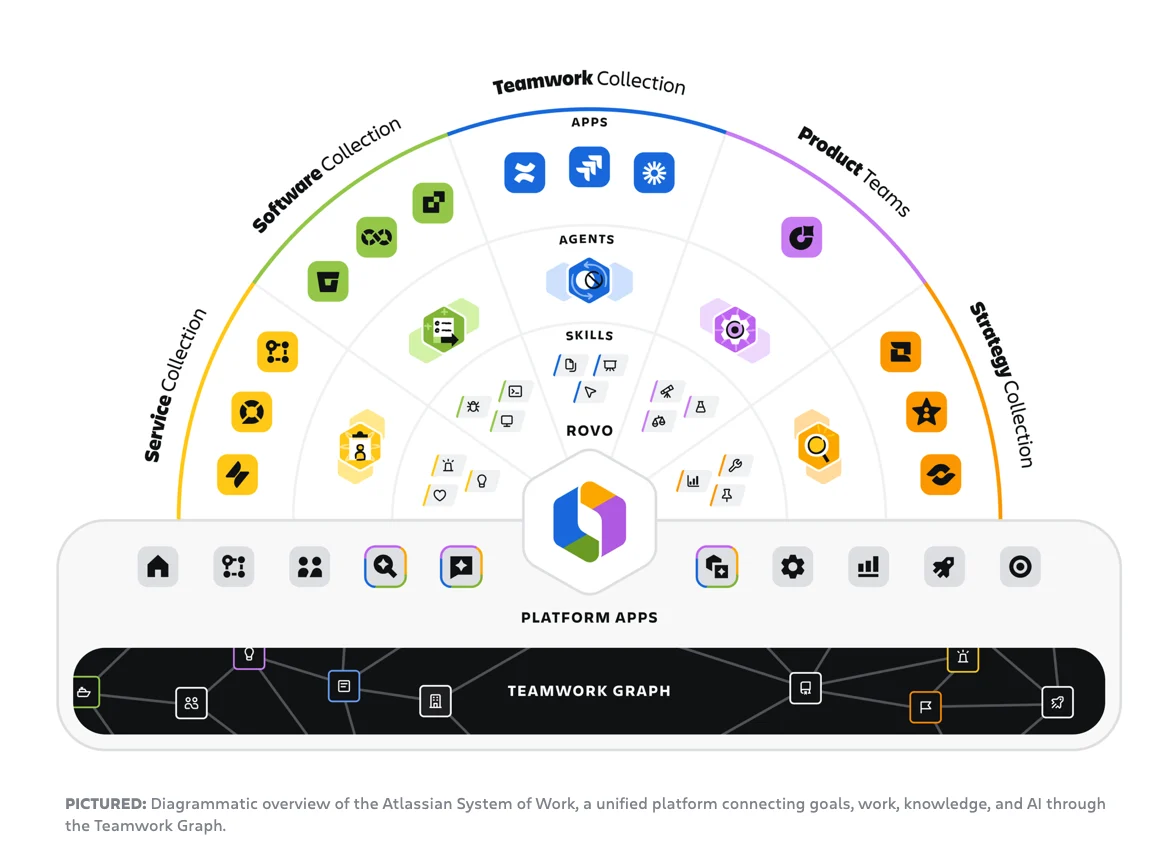
Atlassian has been a fixture in the software industry for over 20 years, having navigated multiple technological shifts, including the transition from on-premise servers to cloud-based services. The current pivot to AI is framed by leadership as yet another necessary evolution in the company’s long history of "unleashing the potential of every team." The company’s "System of Work" framework—a holistic approach to how teams collaborate, track projects, and share knowledge—is being reorganized to increase the speed of product delivery and market responsiveness.
This move by Atlassian follows a broader pattern of "efficiency-focused" layoffs seen across the Silicon Valley landscape throughout 2023 and 2024. Companies like Google, Meta, and Microsoft have all engaged in similar workforce reductions, even while reporting record profits, as they shift their internal investments toward generative AI infrastructure and specialized talent. The market has generally rewarded this "leaner" approach, as investors prioritize companies that can demonstrate disciplined spending alongside technological innovation.
For the employees remaining at Atlassian, the focus will now shift to integration and execution. The company must prove that a smaller, more specialized workforce can maintain the 25 percent cloud revenue growth while simultaneously scaling its AI offerings to a global enterprise audience. The leadership expressed gratitude to the departing staff, noting that their contributions are "part of the epic story" of the company, but reiterated that hard decisions are required to ensure the firm’s durability for the next two decades.
The 1,600 departures represent a significant loss of institutional knowledge, but Atlassian is betting that the resulting agility will allow it to capture a larger share of the enterprise market. By strengthening its financial profile now, the company intends to insulate itself against market volatility while maintaining the high-speed innovation cycle required by the AI era.
The notification process, which was designed to be completed quickly to reduce uncertainty, marks the beginning of a new chapter for the firm. As the company moves forward, the industry will be watching closely to see if the "System of Work" reorganization and the heavy investment in Rovo and other AI tools will yield the "durable, profitable growth" that the leadership has promised. Atlassian remains one of the most significant players in the global productivity software market, and this strategic pivot serves as a clear signal of its intent to lead the next generation of AI-enabled workplace collaboration.