 11


The landscape of artificial intelligence underwent a seismic shift in November 2022 with the unexpected debut of ChatGPT. This revolutionary conversational AI tool, built upon large language models (LLMs), transcended the realm of theoretical hype, bringing sophisticated AI capabilities directly into the daily lives of millions. Its unprecedented accessibility and remarkable ability to engage in human-like dialogue showcased the practical power of AI, setting a new benchmark for technological breakthroughs.
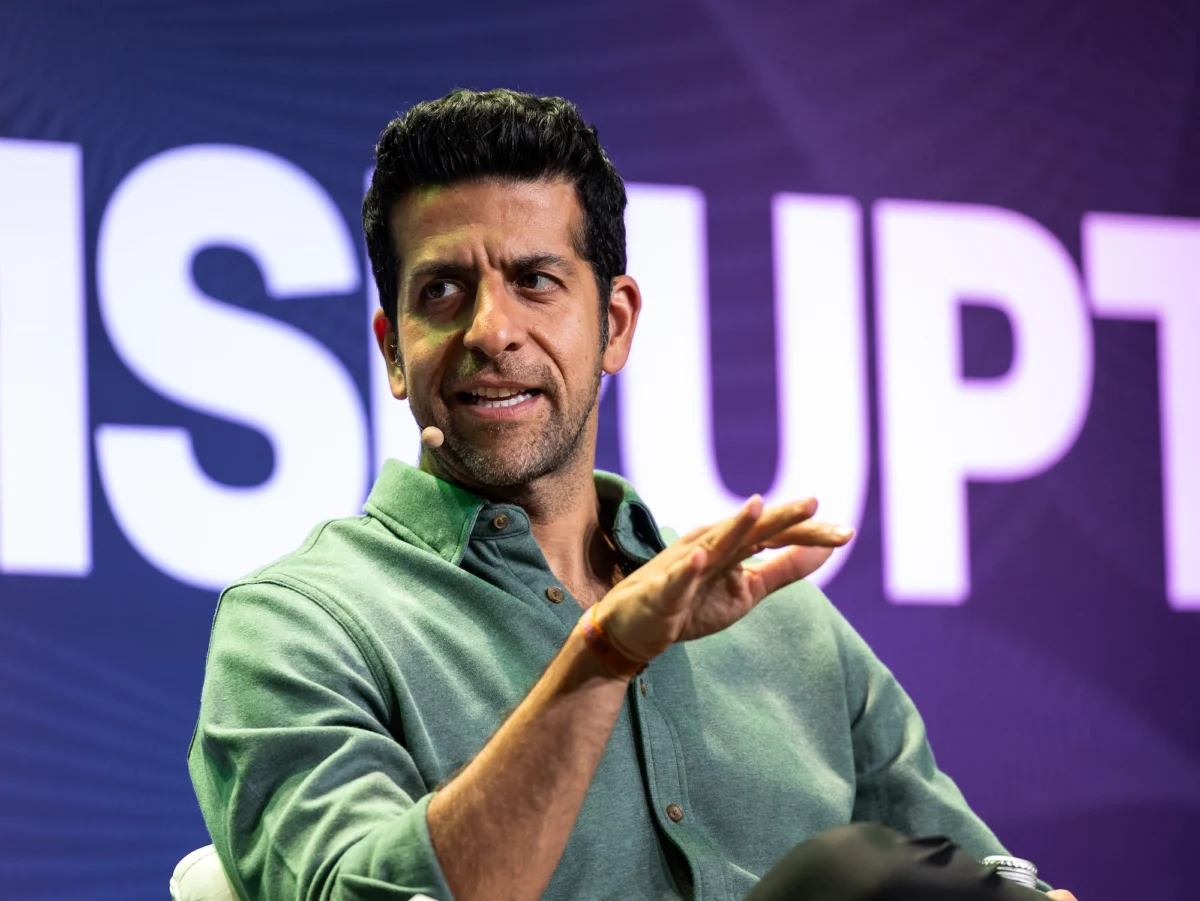
While artificial intelligence has now demonstrably moved beyond niche applications, its physical counterpart – robotics – still awaits a similar transformative moment. Robotics, much like AI, boasts a rich history of research, development, and gradual integration into various sectors, from industrial automation to specialized service roles. However, it has yet to experience that singular, catalytic event that propels it from gradual evolution to widespread, general-purpose adoption. This critical juncture for robotics, and the path forward, will be a central topic of discussion at TechCrunch Disrupt 2026, where Les Karpas, Nvidia Inception’s Global Head of Physical AI, is slated to deliver a pivotal address.
Karpas’s session, titled "Robots Are Waiting for Their ChatGPT Moment. Here Is What Is Standing in the Way," will take place on the Real World AI Stage. He will delve into the fundamental challenges currently impeding robotics from achieving its full potential and explore the innovations and strategies that could ignite its breakthrough. This highly anticipated talk is particularly significant given Nvidia’s strong commitment to the robotics sector, a stance frequently underscored by CEO Jensen Huang in his keynotes over recent years. Huang’s consistent optimism highlights Nvidia’s belief in the profound impact robotics will have on the future, making Karpas’s insights invaluable.
TechCrunch Disrupt 2026, scheduled from October 13-15 at San Francisco’s Moscone West, is poised to be a crucial gathering for the tech community. Over 10,000 tech leaders, visionary founders, and astute investors are expected to attend, making it an unparalleled platform for networking, collaboration, and discovering the next wave of innovation. The event’s extensive AI-focused agenda will cover a broad spectrum of topics, ranging from the intricacies of building AI-powered companies to the complex engineering required for deploying AI in real-world physical environments. Attendees will have the unique opportunity to hear directly from industry pioneers like Karpas, gaining firsthand perspectives on the challenges and opportunities shaping the future of AI and robotics.
The All-Too-Real Problem Facing Robotics: The Data Chasm
At the heart of the current limitations facing general-purpose robots lies a problem that is deceptively simple to articulate but extraordinarily complex to solve: the absence of an "internet-wide dataset for physical AI." Karpas contends that this data deficit is the primary barrier preventing robotics from emulating the success seen with large language models. The breakthrough of ChatGPT and other LLMs was largely fueled by access to vast, diverse, and readily available text corpora scraped from the internet. This colossal dataset provided the foundation for models to learn the nuances of language, grammar, context, and even reasoning, enabling them to generate coherent and contextually relevant responses.

In stark contrast, the physical world presents a much more fragmented and difficult environment for data collection. While specialized applications, such as self-driving car fleets from companies like Waymo, have managed to build extensive datasets through years of accumulated road miles, these are still inherently limited. They are typically structured, focused on specific environmental conditions (roads, traffic, pedestrians), and often restricted to particular geographic markets. General-purpose robots, designed to operate in a multitude of unstructured, dynamic, and unpredictable human environments, require an exponentially more diverse and expansive dataset encompassing visual, auditory, tactile, and proprioceptive information, as well as complex interaction sequences. The sheer cost, time, and safety considerations involved in collecting this data at scale are monumental, far exceeding the challenges of gathering digital text or image data.
Forging a Path Forward: Simulation, Synthetic Data, and Foundation Models
Recognizing this critical data gap, a burgeoning ecosystem of innovative startups is now dedicated to manufacturing the necessary scale artificially. Their strategies revolve around three interconnected approaches: simulation, synthetic data generation, and the development of foundation models trained across multiple robot forms simultaneously.
Simulation: High-fidelity simulation environments are becoming indispensable tools. These digital worlds allow robots to be trained and tested in virtual spaces, generating vast amounts of data without the constraints, risks, or costs associated with real-world deployment. Companies are leveraging platforms that can accurately model physics, sensor inputs, and complex environmental interactions, providing a safe sandbox for iterative development and data collection. While powerful, the "reality gap" – the discrepancy between simulated and real-world performance – remains a significant challenge that requires sophisticated bridging techniques. Nvidia, with its Omniverse platform, is a key player in providing such simulation tools, though not explicitly mentioned in the original text, it fits the context perfectly.
Synthetic Data: Complementing simulation, synthetic data involves algorithmically generating data that mimics real-world observations. This can range from creating artificial images and videos to designing virtual tactile sensor readings. Synthetic data offers unparalleled control over annotations, diversity, and scale, allowing developers to target specific scenarios or rare events that are difficult to capture in reality. The challenge lies in ensuring the synthetic data is sufficiently realistic and representative to generalize effectively to physical deployments, avoiding biases or artifacts that could degrade real-world performance.
Foundation Models for Robotics: Inspired by the success of LLMs, the concept of "foundation models" is gaining traction in robotics. These are large, pre-trained models capable of performing a wide range of tasks and adapting to new ones with minimal fine-tuning. For robotics, this means developing models that can learn generalized representations of the physical world, object interactions, and task execution across different robot morphologies and environments. Such models could significantly reduce the need for task-specific data collection and programming, enabling robots to learn new skills more rapidly and robustly – truly a "ChatGPT moment" for physical AI, where a single, powerful model could unlock unprecedented versatility.
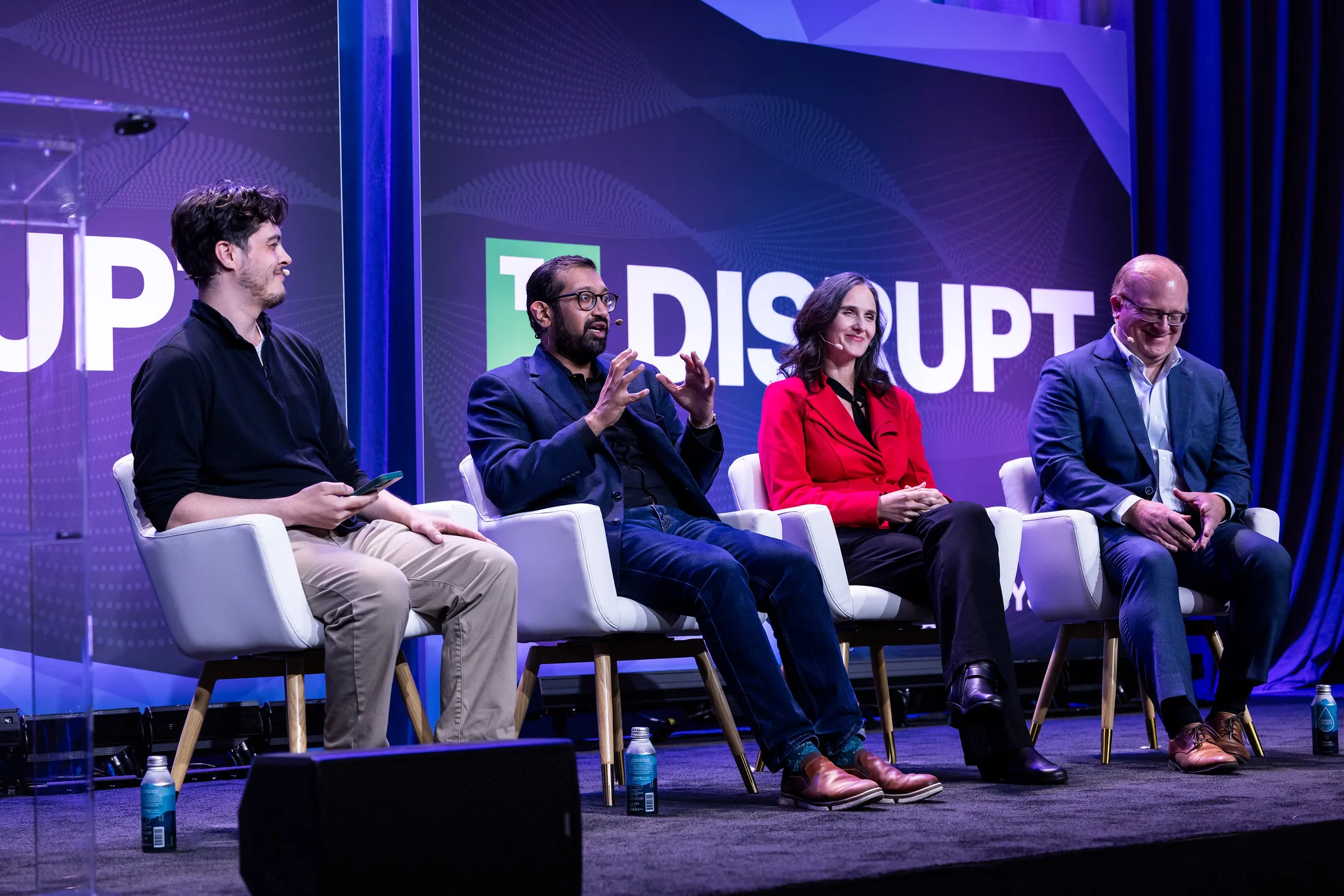
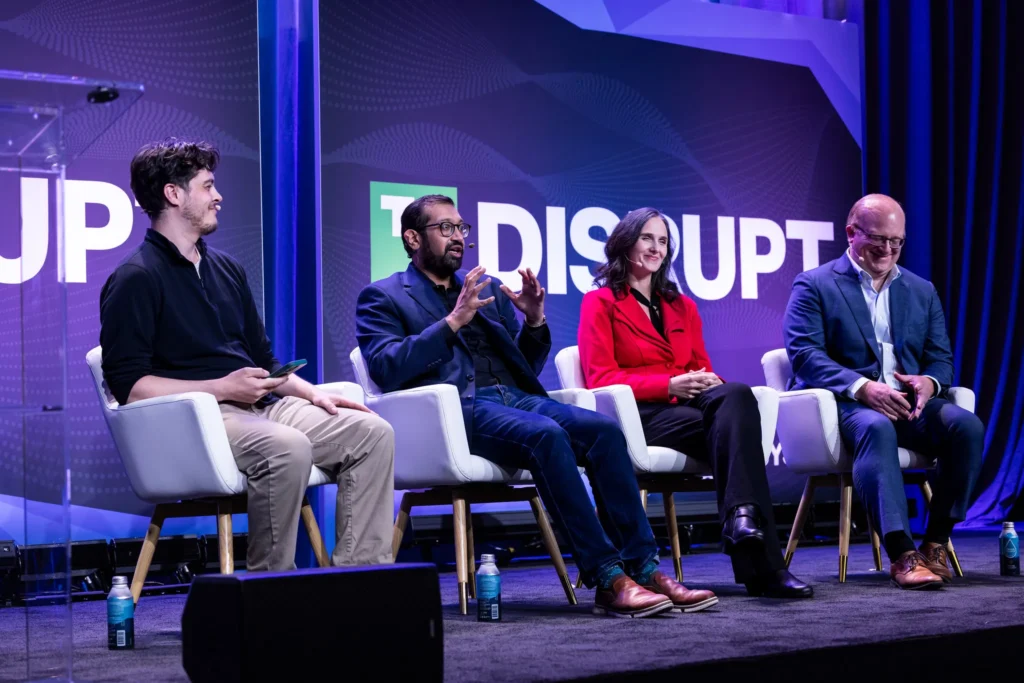
It is precisely this profound challenge of bridging the digital and physical realms that led to the creation of the Real World AI Stage at TechCrunch Disrupt. Beyond Karpas, the stage will feature an impressive lineup of founders from companies at the forefront of this effort, including Shield AI, which is developing AI pilots for autonomous systems; Colossal Biosciences, focusing on de-extinction and genetic engineering with robotic implications; FieldAI, specializing in AI for complex industrial environments; and Foxglove, building tools for robotics data. These innovators will share their unique perspectives on the hurdles and opportunities they encounter in bringing advanced AI to physical systems.

Nvidia’s Unique Perspective Comes to Disrupt
Les Karpas is uniquely positioned to address the critical question of what stands in the way of robotics’ breakthrough. As Nvidia Inception’s Global Head of Physical AI, he occupies a vantage point that offers a panoramic view of the evolving landscape. Nvidia Inception is a program designed to nurture and support AI, data science, and HPC startups, providing them with critical technology, expertise, and go-to-market support. In this role, Karpas directly coordinates Nvidia’s extensive relationships with a vast and diverse startup ecosystem. This network spans key sectors such as robotics, automotive, manufacturing, mobility, smart cities, and many more. The very companies striving to overcome the physical AI data gap – through simulation, synthetic data, and novel model architectures – are those with whom Karpas regularly interacts, giving him an unparalleled understanding of their progress, struggles, and strategic needs.
Karpas’s own professional trajectory further underscores the cross-disciplinary demands of the modern robotics industry. His career path is a testament to the multifaceted expertise required to navigate the complexities of physical AI. He has held diverse roles across prominent organizations, including Stanley Black & Decker, Intellectual Ventures, Herman Miller, iRobot, and even Cirque du Soleil. His experience as an architect provided foundational understanding of spatial reasoning and design; as a manufacturing engineer, he gained insight into physical production and operational efficiency; as a startup CEO, he honed skills in innovation and market entry; and as a venture studio executive and corporate venture capitalist, he developed a keen eye for identifying promising technologies and guiding their growth. This rich and varied background equips him with a holistic perspective, enabling him to synthesize technological advancements with market realities and operational challenges.
Create Your Own Breakthroughs at Disrupt
Attending Les Karpas’s session at TechCrunch Disrupt 2026 offers an extraordinary opportunity to gain firsthand insight into how Nvidia, a global leader in AI hardware and software, conceptualizes and addresses the single biggest bottleneck in physical AI. Understanding the strategies and innovations required to clear this hurdle could provide a significant competitive advantage, whether you are a founder, investor, or technology enthusiast. Such profound insights have the potential to spark groundbreaking ideas, fuel your next startup venture, or inform critical investment decisions.
This kind of transformative inspiration and actionable intelligence is the very essence of Disrupt. The value extends beyond the sessions; being present in the room allows for invaluable networking opportunities, fostering connections with potential co-founders, investors, strategic partners, and future talent. It’s a chance to engage with a community of innovators, share ideas, and collaboratively shape the future of technology.
To capitalize on this unique access to industry leaders and unparalleled networking opportunities, secure your ticket to TechCrunch Disrupt 2026 without delay. Lock in your trip before prices increase on September 25, saving up to $200. Furthermore, consider bringing your team: group passes offer savings of up to 30%, making the Disrupt experience an even more collaborative and impactful investment. This is your moment to connect with the pioneers, explore the cutting edge, and potentially create your own breakthrough in the dynamic world of AI and robotics.