 11

For years, YouTube has stood as the undisputed champion for content creators seeking direct monetization from their work, often considered the "correct answer" if one desired to be paid for amassing a million followers. However, Instagram’s latest strategic pivot, embracing long-form video content, could significantly disrupt YouTube’s long-held position as the most lucrative platform for digital creators, provided Instagram executes its plan effectively.
On Monday, Instagram officially announced it is actively testing a new type of video upload, tentatively named "Features," which will allow creators to share videos up to a substantial 90 minutes in length. This move marks a profound departure from the prevailing trend across social media platforms, where short-form, vertical video content has dominated the internet landscape throughout the 2020s. Platforms from TikTok to LinkedIn have aggressively pursued and optimized for bite-sized content, making Instagram’s embrace of extended video a notable shift in its strategic direction.
The shift is particularly significant because, despite the immense popularity of short-form content, creators have historically struggled to generate substantial direct revenue from platforms like Instagram and TikTok. While Instagram, owned by Meta, does offer some monetization avenues, such as subscriptions for exclusive content, it has not traditionally compensated creators on a per-view basis for their short-form videos. This contrasts sharply with YouTube’s well-established and highly profitable model.
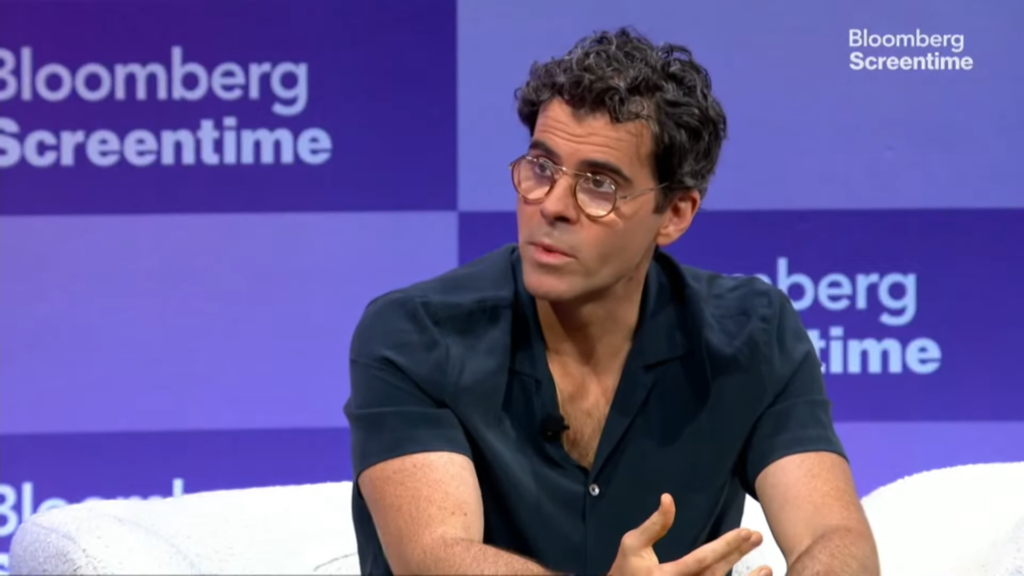
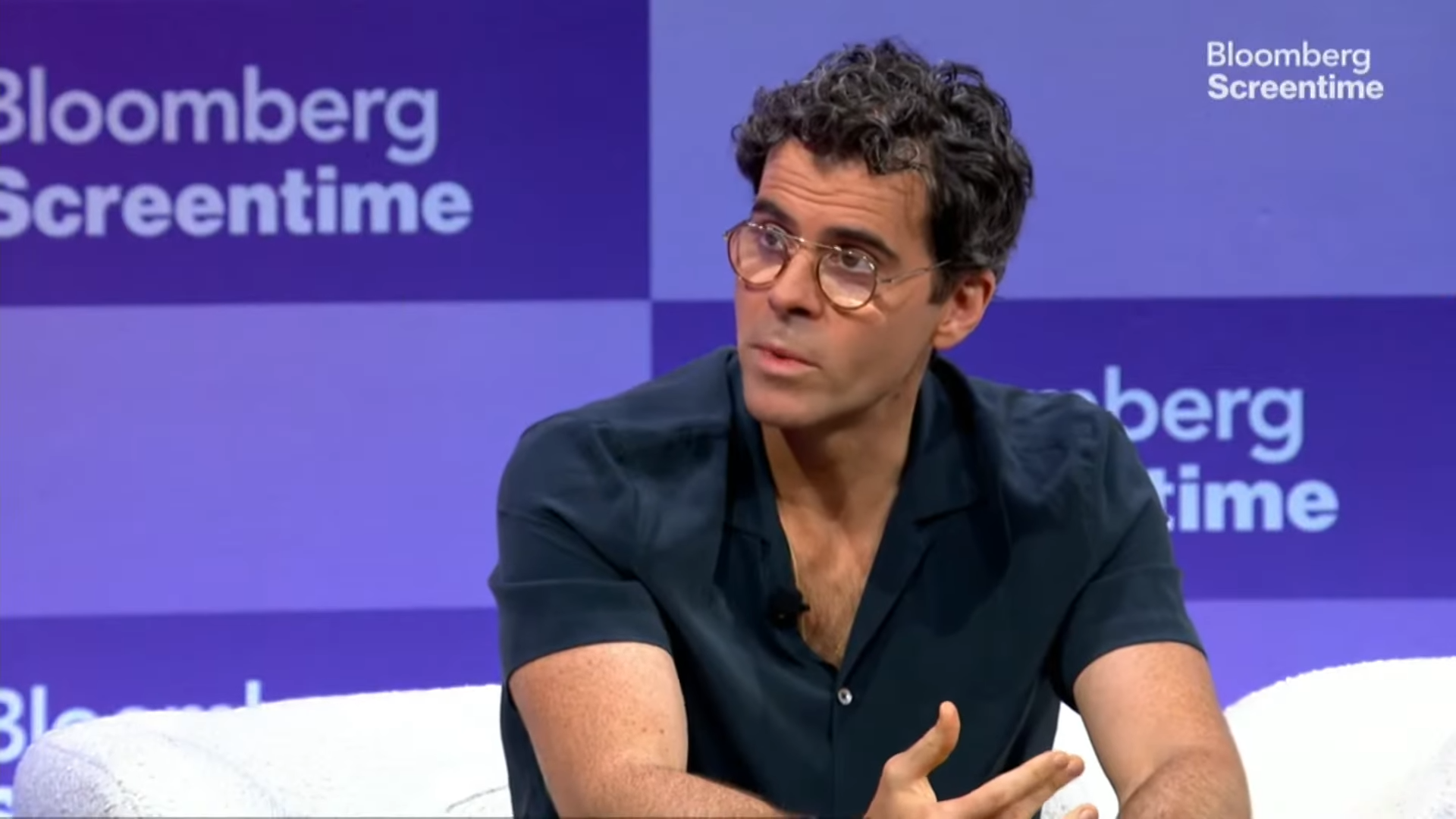
Adam Mosseri, head of Instagram, elaborated on the creator monetization landscape during an appearance on the "Colin and Samir Show," a prominent interview program focused on the creator economy. Mosseri explained that creators typically derive income from three primary sources: direct payments from the platform, contributions from fans, or brand sponsorships. "And right now, the way that it works on Instagram primarily is you primarily get paid by brands. Some people get paid by fans," Mosseri stated. He acknowledged the existence of a "small performance-based program" but conceded that "we spend more money than we make back by a long shot, and so it doesn’t really make sense to scale up because we’re just burning capital." This candid admission underscores the financial unsustainability of Instagram’s current direct monetization efforts for short-form content at scale.
YouTube’s payment model, in contrast, is remarkably straightforward and has proven to be highly effective. The platform integrates advertisements directly into videos, and creators who are enrolled in the YouTube Partner Program (YPP) receive a significant 55% share of the ad revenue generated from their content. This robust revenue-sharing mechanism has allowed creators to build sustainable businesses. The sheer scale of YouTube’s payouts is staggering; the platform reported last year that it had paid over $100 billion to creators, artists, and media companies over the preceding four years, highlighting the immense financial ecosystem it has cultivated.
The inherent difficulty in replicating YouTube’s ad-based monetization model for short-form content has been a persistent challenge for platforms like Instagram and TikTok. Shorter videos, by their very nature, offer less space and fewer opportunities to place advertisements without disrupting the user experience. Consequently, many creators have viewed their Instagram and TikTok accounts primarily as promotional tools, effective for building an audience and driving traffic to their more lucrative YouTube channels, rather than as direct sources of significant income. This dynamic has largely positioned Instagram and TikTok as top-of-funnel platforms, while YouTube remained the bottom-of-funnel for earning.
This isn’t Instagram’s first foray into longer videos. Eight years ago, the platform launched IGTV, a dedicated hub for extended content. However, IGTV ultimately failed to gain traction and was eventually discontinued, serving as a cautionary tale for Instagram’s renewed ambitions. The previous attempt suffered from several issues, including poor integration with the main Instagram feed, requiring a separate app for optimal viewing, and a general lack of user adoption for long-form content within an ecosystem primarily built around photos and short clips. The current strategy aims to learn from these past mistakes by integrating long-form more seamlessly into the existing user experience.

The central question now is whether Meta, Instagram’s parent company, which derives billions from advertising, will integrate ads into these new long-form "Features" videos. If Meta successfully implements an ad-revenue sharing model similar to YouTube’s Partner Program, Instagram could, for the first time, offer meaningful competition for creators’ loyalty and content.
When asked about a long-term monetization model, a Meta spokesperson offered a cautious but open-ended response to TechCrunch. "It’s too early to share a long-term monetization model, but we’re exploring ways for creators to earn from brands, fans and Instagram, including performance-based incentives," the spokesperson stated. They added, "Over time, we think there will be compounding benefits for creators to tell new stories, reach new audiences, and find new partners, which should lead to many monetization opportunities." While not a definitive "yes" to a YouTube-esque ad-revenue share, it also wasn’t a "no," leaving the door open for future possibilities. The emphasis on "compounding benefits" and "many monetization opportunities" suggests a multi-faceted approach rather than a single direct payment model initially.
In a video announcement, Adam Mosseri provided further insight into the platform’s decision to re-embrace long-form content after previously scrapping IGTV. "For a long time, I have been against doing long-form video on Instagram," Mosseri admitted, explaining that shorter content like Reels typically drives higher engagement, shares, and direct messages among users. However, Instagram’s VP of Product, Tessa Lyons, played a pivotal role in advocating for this strategic shift and ultimately convinced Mosseri to give long-form another try.
Lyons articulated the core rationale behind the change: "Reels is still going to be a core part of Instagram. But when you want to go deeper with the creators you love and the content that they’re creating, you should be able to do that on Instagram." This statement reveals Instagram’s ambition to become a comprehensive destination for creator content, preventing users from needing to switch platforms (specifically to YouTube) to consume longer, more in-depth videos from their favorite creators. The goal is to retain users within the Instagram ecosystem for their entire content journey, from quick entertainment to deep dives.
To facilitate this vision and create a synergistic relationship between short-form and long-form content, Instagram is developing several new features. One key initiative is "Clips as Reels," which will enable creators to extract short, engaging snippets from their longer "Features" videos and publish them as Reels. These Reels will then serve as promotional teasers, linking viewers directly to the full-length video. Additionally, Instagram plans to allow viewers to save longer videos for later viewing on the Instagram app for TV, further integrating long-form content into different consumption habits.
The rollout of these new features is beginning with testing in Brazil and will subsequently expand to a small test group in the United States. Beyond "Features" and "Clips as Reels," Instagram is also working on improving discovery features for Live video and introducing a dedicated hub on creator profiles for "episodic Reels." This latter feature aims to provide a structured way for creators to present a series of connected short-form videos, similar to TikTok’s popular playlist functionality, allowing for narrative progression within the Reels format.
Mosseri emphasized the long-term commitment to this integrated content strategy. "The thing that the team has been working on that we’re excited to share with you is trying to make it so that the short-form and the long-form video can be symbiotic," he explained. He concluded by stating, "We’re going to try to support these different types of formats, both in the mobile app, but also on the TV app, which I think is . . . going to take some time to get right. But I’m actually very excited about it, and we’re very committed to it long term." This commitment signals that Instagram is prepared for a sustained effort to make this long-form video strategy successful, potentially reshaping the creator economy and offering a powerful new contender to YouTube’s long-standing dominance. The success of this venture hinges not just on the availability of long-form content, but on Instagram’s ability to effectively monetize it for creators and seamlessly integrate it into user discovery and consumption habits.