 11

A critical announcement earlier this week sent ripples through the internet community: newly discovered vulnerabilities in PHP, a widely used open-source programming language, necessitated immediate patching for website owners. The directive was stark – update without delay or, failing that, take websites offline to prevent potential exploitation. This unprecedented call to action, dubbed the "PHP-ocalypse," highlighted profound concerns about the fundamental infrastructure of the internet and the evolving landscape of cybersecurity in the age of artificial intelligence.
The gravity of the situation was a central topic on TechCrunch’s Equity podcast, where hosts Kirsten Korosec, Sean O’Kane, and Anthony Ha delved into the significance of the PHP-ocalypse and pondered the likelihood of future, similar incidents. Their discussion illuminated the precarious state of the digital world, revealing a complex interplay of decades-old software, advanced AI capabilities, and the inherent challenges of managing global digital infrastructure.
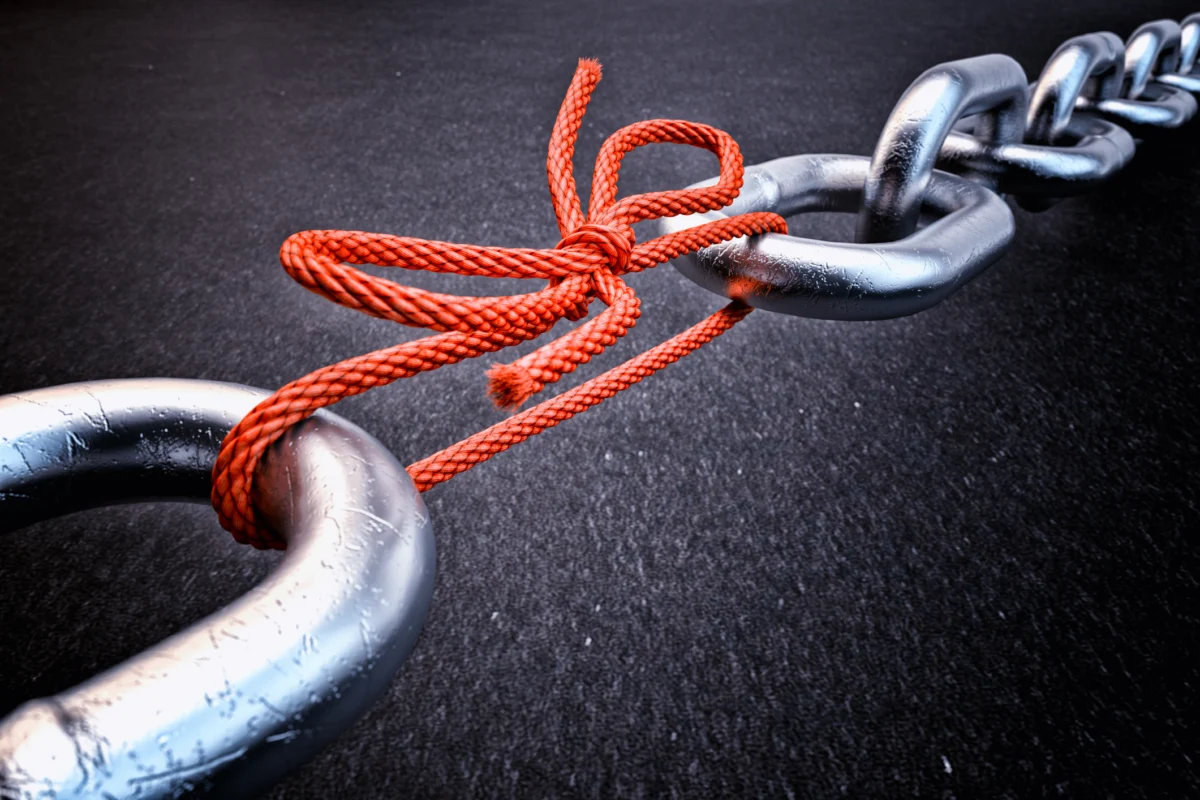
Sean O’Kane characterized the event as a "real reckoning moment," emphasizing the precarious nature of the internet’s core. He painted a vivid picture of the underlying architecture, suggesting that "when you get down to the bone level of the internet," it appears to be "held together by glue and dreams." This metaphor underscores a long-standing concern within the tech community: much of the internet relies on foundational components, often open-source, maintained by a relatively small number of individuals or organizations, and sometimes under-resourced. The PHP vulnerability brought this fragility into sharp relief.
The conversation further explored the escalating role of technology, particularly large language models (LLMs) and autonomous AI agents, in both discovering and exploiting such vulnerabilities. While the specific PHP vulnerabilities (PHP2Shell) were notably identified by human researchers participating in OpenAI and Wiz’s "Hack the Planet" initiative, AI models were subsequently used to exploit the bug. The panelists acknowledged that the increasing accessibility and sophistication of AI tools will inevitably make it easier for malicious actors to uncover and leverage previously unknown weaknesses in software. O’Kane warned that the past decade has seen numerous instances where individual maintainers of small repositories have averted major internet crises, but with AI, the scale of potential threats could multiply "by a billion." He observed a current dichotomy: security labs and companies like Google and OpenAI are actively using AI to find vulnerabilities, while simultaneously, others are rushing to exploit them. This dynamic has already led to governments taking down websites and popular sites briefly going offline for emergency fixes.
Anthony Ha elaborated on the alarming nature of the PHP vulnerability, noting that it was not a new flaw but one that had lain dormant for decades within the programming language. Given PHP’s extensive use in building the web – powering content management systems like WordPress and Drupal, and forming the backbone of an estimated 70% of all websites (tens of millions globally) – this meant the vulnerability had been present for an extraordinarily long time without detection. The revelation that AI capabilities were instrumental in bringing this decades-old bug to light, even if initially discovered by humans and then exploited by AI, intensified the panic. The urgent disclosure was driven by the realization that if security researchers could find and exploit it, so too could others with nefarious intent. This led to the extreme recommendation: "Okay, this vulnerability existed for decades. You have to patch right away, and if you can’t patch it right away, just take your website down. It’s that severe a vulnerability."
Kirsten Korosec highlighted that many website owners might not even be aware that their sites utilize PHP, a testament to its pervasive yet often invisible role in web infrastructure. She raised two critical points: first, that this incident is likely "just the beginning" of uncovering other "decades-old bad software" vulnerabilities. Second, she pointed to the issue of "link rot," a phenomenon where websites are simply shut down rather than patched. This could lead to a significant loss of digital history and accessibility to information, as countless small neighborhood sites, company archives, or even government portals might become permanently inaccessible.
The disclosure process itself came under scrutiny. Sean O’Kane noted widespread dissatisfaction with the rollout, particularly what he perceived as "chest beating" from OpenAI regarding its role. Compounding the issue, premature leaks regarding the vulnerability sparked a rapid escalation among hackers. Cloudflare CEO Matthew Prince, for instance, reported seeing "millions of attempted hacks" related to PHP2Shell almost immediately after the information became public. The traditional cybersecurity disclosure model, where vulnerabilities are discreetly shared with affected parties, proved impractical for a flaw as fundamental and widespread as this. As O’Kane remarked, "you can’t go around and tell everybody discreetly." The absence of easily identifiable "webmasters" for every affected site underscored the logistical nightmare of mass disclosure and patching, marking a "new frontier in cybersecurity."
Kirsten Korosec further emphasized the stark disparities in preparedness. She cited a blog post from Amazon Web Services (AWS) revealing that their threat intelligence, utilizing a "honeypot" network (a decoy system to attract and detect attacks), had identified attempts to exploit the PHP vulnerability before its public announcement. This demonstrated the capabilities of a "very well-capitalized company" with extensive tools and dedicated security teams. However, Korosec gravely pointed out that "so many websites and even potentially government websites" lack this level of resources and attention. This uneven playing field is a major concern, as it leaves vast segments of the internet vulnerable.
The broader implications, according to Korosec, lean towards a "next level of prepper doom." She articulated fears of potential exploitation of critical infrastructure like banks, coupled with escalating data and privacy concerns. The scale of the problem, she suggested, "feels a lot bigger than we can fix right now." Looking ahead, she wondered if this crisis would spur the creation of new cybersecurity startups offering innovative solutions, or if the industry would increasingly turn to existing open-source tools, perhaps from entities like Nvidia, to build essential security layers.
In conclusion, the PHP-ocalypse serves as a potent reminder of the inherent vulnerabilities within the internet’s foundational technologies. It has laid bare the challenges of maintaining global digital infrastructure, the complexities of vulnerability disclosure, and the profound impact of emerging technologies like AI on cybersecurity. The incident underscores that the digital world, despite its advanced facade, remains remarkably fragile, necessitating a collective and innovative approach to securing its future.