 11

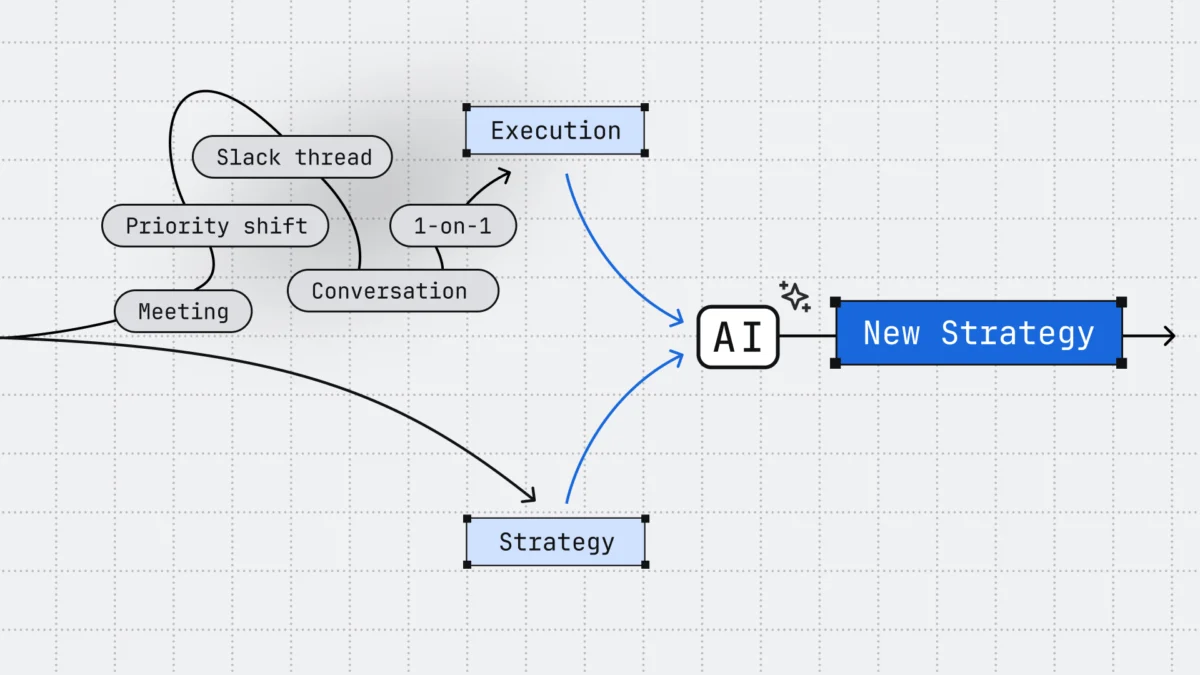
The rapid integration of artificial intelligence within the modern workplace has created a distinct paradox in corporate productivity: while individual teams are achieving unprecedented levels of speed, the organizations housing them are failing to see a corresponding increase in systemic velocity. This disconnect stems from a critical missing layer in the digital infrastructure—governed work context. This layer is essential for transforming high-level changes in corporate strategy into immediate, actionable changes in operational output. Without a structured framework that connects strategic intent to execution, the gains provided by AI remain localized, failing to propel the enterprise forward as a unified entity.
Recent data from 451 Research highlights the scale of this phenomenon. In a comprehensive survey of organizations currently utilizing AI-driven workplace tools, 88% of respondents reported measurable productivity gains. However, a closer analysis of these results reveals that the most significant improvements are concentrated within "bounded" activities. These include isolated tasks such as task management, basic support services, and employee analytics. In contrast, complex, workflow-level transformations—the kind that reshape how an entire company delivers value—remain significantly less common. This pattern suggests that while the "engine" of the team is running faster, the "transmission" of the organization is slipping, preventing that power from reaching the wheels of strategy.
The core of the issue lies in the traditional methodology of strategic planning, which has gradually lost its ability to propagate change throughout a large-scale organization. Historically, planning cycles relied on an invisible but vital layer of human translation. When leadership shifted priorities, human intermediaries—managers, directors, and team leads—interpreted those shifts. They spent considerable time renegotiating dependencies, redirecting resources, and carrying context from one functional silo to another. This translation work was largely informal, occurring through face-to-face meetings, hallway conversations, and the application of managerial judgment. It was the "glue" that held disparate departments together during transitions.
However, as the pace of digital execution has accelerated, this human translation layer has become dangerously thin. The time required for humans to manually realign every project and person with a new strategic goal is now greater than the intervals between strategic shifts. Despite this, the visible machinery of traditional planning remains unchanged. Organizations continue to rely on annual cycles, quarterly reviews, Objective and Key Results (OKRs), and portfolio meetings. These processes produce plans, but they often fail to ensure that a change at the top reliably dictates what happens next at the execution level. AI has not caused this weakness, but it has made it impossible to ignore.
The disparity between human and machine capabilities further complicates this gap. Humans possess a unique ability to compensate for fragmented context. They can pick up subtle signals in messaging threads, informal one-on-one sessions, and long-standing professional relationships. Even when a change in direction is not formally documented across every internal system, an experienced employee can often infer what that change means for their daily priorities. They absorb the "coordination cost" of working across fragmented systems.
AI agents, however, operate under a different set of constraints. They cannot rely on intuition or informal social signals. An AI agent can only reason based on the explicit context, permissions, and relationships available within its data environment. If the foundation of governed work context is missing, the AI reaches a hard ceiling. It may offer recommendations that lack sufficient strategic context or attempt to take actions without the necessary authority. While a human can navigate a lack of information through inquiry and social navigation, AI is limited by the data it has been granted access to. Consequently, without a unified context, AI can actually widen the gap between teams by allowing one department to sprint in a direction that may no longer be aligned with the broader corporate objective.
To bridge this divide, organizations must develop a "governed work context." This is defined as a structured, permissioned, and continuously updated digital representation of the organization’s goals, ongoing work, internal dependencies, existing commitments, resource allocations, decisions, and outcomes. It is the connective tissue that allows both humans and AI to operate from a single, trusted version of reality.
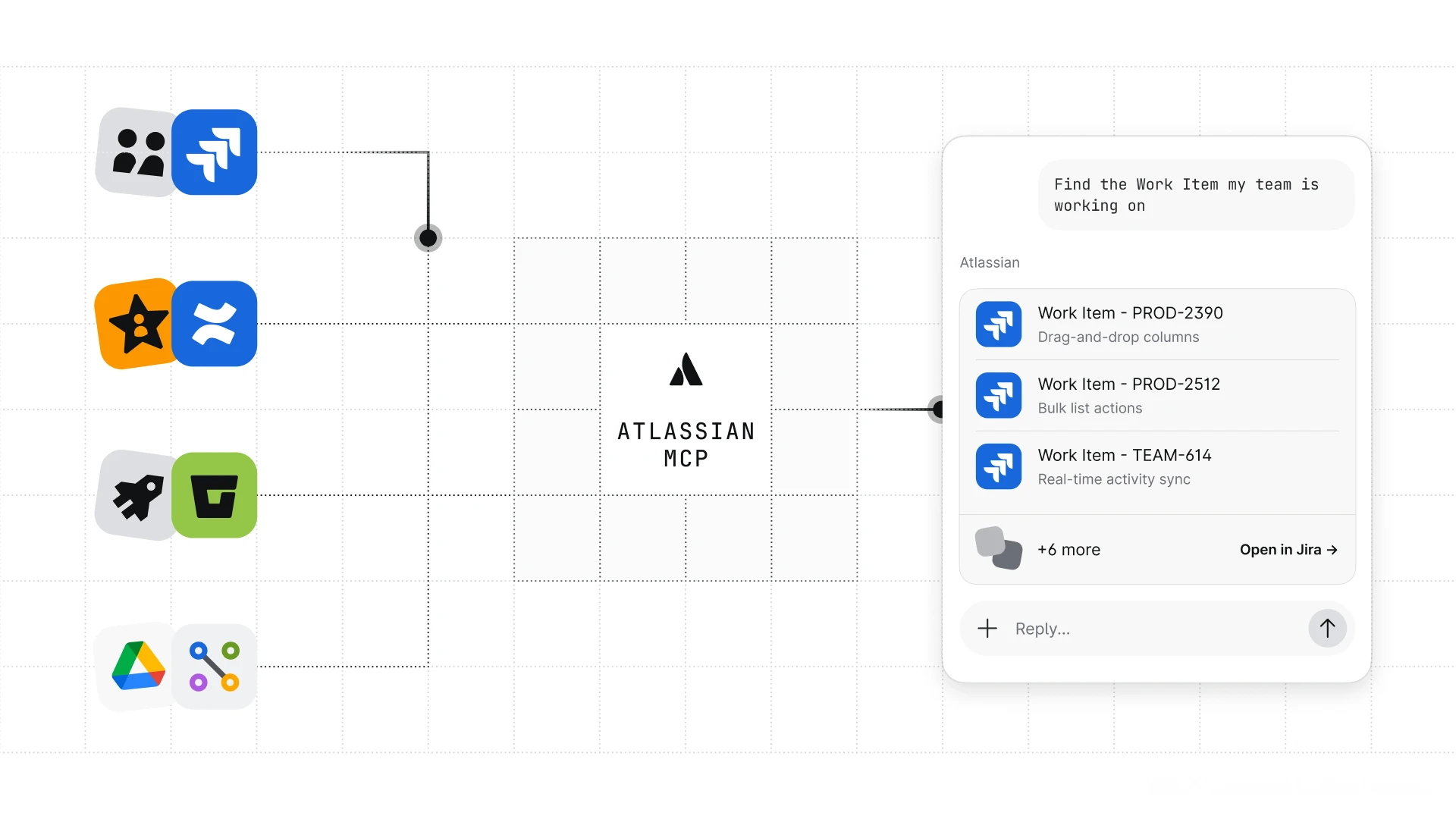
The demand for this level of connectivity is evident in current enterprise trends. More than 50% of organizations report a rising demand for deeper integrations across productivity, collaboration, and business applications. Yet, despite this recognized need, only 5% of organizations claim to have built all the integrations necessary to create a seamless flow of information. It is important to note that connectivity is not the final goal; rather, connectivity is the means by which governed context is produced. The objective is a permissioned view where every participant—human or machine—understands how strategic intent relates to operational reality.
When an organization possesses governed work context, it can answer critical questions in real-time: What is the primary objective we are trying to achieve? What specific work is already underway to support that objective? Which external or internal commitments would be jeopardized by a change in direction? Where are the current resource constraints? And, crucially, who has the formal authority to reallocate those resources? Without clear, data-driven answers to these questions, AI acts as an accelerant for chaos rather than for strategy.
This shift necessitates an evolution in how leadership views strategic planning. Planning must move from being an episodic event—something done once a quarter or once a year—to a continuous system. This system must be capable of sensing external or internal changes, making informed decisions, reallocating the necessary resources, and, most importantly, verifying that the action has been followed through at the team level. The metric of success for a modern planning layer is no longer how often priorities are revisited, but rather how quickly a change in those priorities results in a tangible change in the work being performed by individual teams.
The structural gaps sabotaging the return on investment (ROI) for AI are becoming a primary concern for industry leaders. In a recent collaborative discussion involving Jule Norberg of Expedia Group and representatives from Atlassian, these themes were explored in the context of separating AI "leaders" from "laggards." The consensus indicates that leaders are those who focus on the underlying architecture of work context, while laggards are those who simply deploy AI tools on top of fragmented and siloed data.
For executives and organizational leaders, the path forward involves answering two fundamental questions regarding their internal systems. First, when a strategic priority changes, is there a mechanism that automatically updates the context for the teams and AI agents responsible for execution? Second, is there a transparent, governed system that tracks how resource allocation shifts in response to those changes? If these questions remain unanswered, AI will not bridge the gap between planning and execution; it will merely expose the existing fractures with greater speed and clarity.
The future of organizational velocity depends on the transition from manual, human-led coordination to a digital environment where strategy flows directly into the work itself. By establishing a governed work context, organizations can ensure that the speed of their teams finally translates into the speed of the enterprise, allowing them to move together in a unified direction. As AI continues to evolve, the ability to provide this context will become the primary differentiator between companies that merely use AI and those that are truly transformed by it.