 11

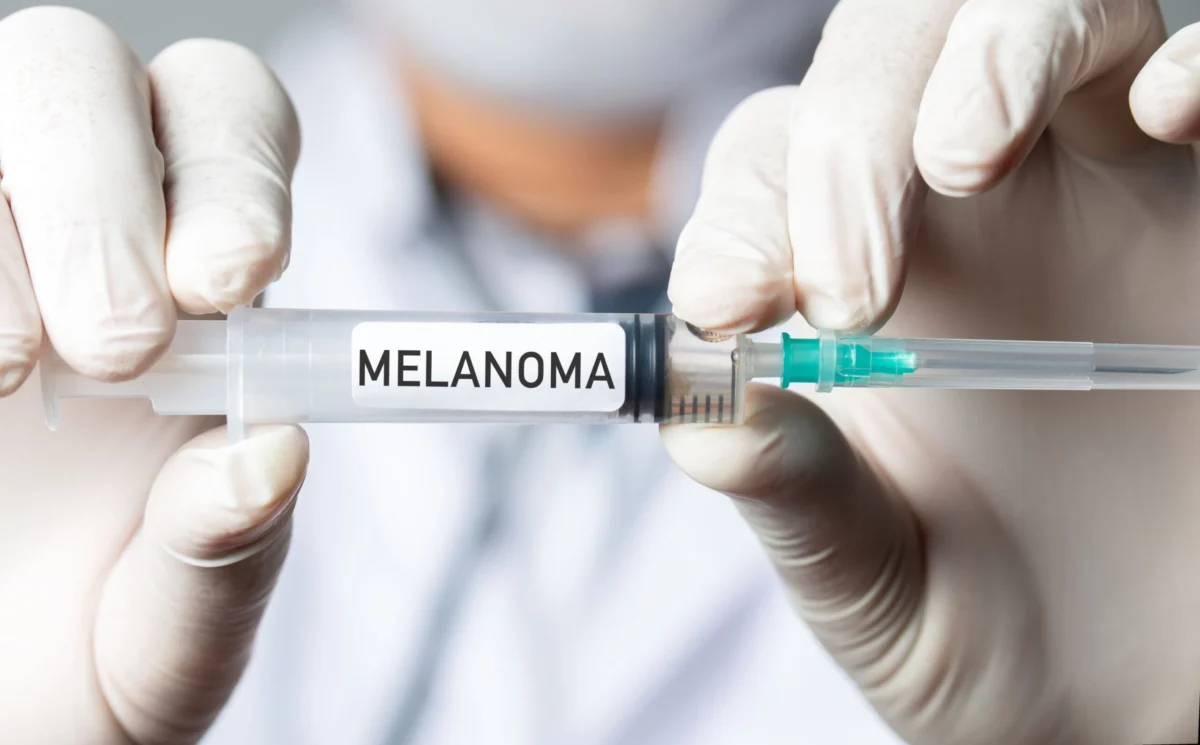
An experimental personalized messenger RNA (mRNA) vaccine is offering a significant beacon of hope for patients battling melanoma, widely recognized as one of the most aggressive and challenging forms of skin cancer. Pharmaceutical giants Merck and Moderna have jointly unveiled the compelling results of a pivotal Phase 3 clinical trial, which meticulously evaluated the efficacy of this innovative, personalized mRNA-based vaccine. When administered in conjunction with an established immunotherapy drug, the vaccine demonstrated a remarkable 42 percent reduction in the risk of disease recurrence or death, a substantial improvement compared to treatment with the immunotherapy drug alone.
Melanoma, originating in the pigment-producing cells of the skin, poses a severe threat due to its propensity to spread rapidly to other parts of the body if not detected and treated early. Despite advancements in diagnostics and therapeutics, it remains a leading cause of cancer-related mortality globally, claiming over 50,000 lives each year. This grim statistic underscores the urgent need for more effective treatment strategies, particularly for patients at high risk of recurrence following initial surgical intervention. The findings from this trial signal a potential paradigm shift in how such high-risk melanoma cases could be managed.
Georgina Long, a distinguished medical director at the Australian Melanoma Institute and the principal investigator overseeing this landmark study, articulated the profound implications of these results in a recent statement. Long characterized the findings as "transformative" and asserted their potential to catalyze "a foundational shift in how we treat patients with earlier-stage melanoma." Her optimistic assessment reflects the medical community’s enthusiasm for a therapy that could significantly improve long-term outcomes for patients who have already undergone primary tumor removal.
The comprehensive clinical trial, officially designated as INTerpath-001, enrolled a substantial cohort of 1,137 individuals diagnosed with high-risk melanoma. All participants had previously undergone surgical procedures to ensure the complete removal of their tumors. The study design involved dividing these participants into two distinct treatment groups. The first group received Pembrolizumab, a widely recognized immunotherapy drug marketed as Keytruda, which functions by enhancing the immune system’s intrinsic ability to detect and combat cancer cells. This drug works as a checkpoint inhibitor, specifically targeting the PD-1 pathway, which cancer cells often exploit to evade immune surveillance. By blocking PD-1, Pembrolizumab essentially "releases the brakes" on the immune system’s T-cells, allowing them to more effectively recognize and attack malignant cells.
In contrast, the second group of participants received a combination therapy: Pembrolizumab alongside the experimental mRNA vaccine, named Intismeran Autogene. This personalized vaccine represents a novel application of mRNA technology, instructing the body’s own cells to produce specific proteins that can then be recognized by the immune system. The strategic combination of these two therapeutic modalities aimed to not only unleash the immune system’s existing anti-cancer capabilities but also to specifically educate and amplify its response against the patient’s unique tumor characteristics.
Following the initial treatment phase, researchers meticulously monitored the participants for an average duration of 24.6 months. The analysis of this extensive follow-up data unequivocally demonstrated the added benefit of the vaccine. The group receiving the combination treatment experienced a 42 percent reduction in the risk of cancer recurrence or death when compared directly to the group treated solely with Pembrolizumab. This statistically significant outcome highlights the powerful synergistic effect achieved by pairing personalized immune training with broad-spectrum immune activation.
Beyond preventing recurrence, the results further revealed that the experimental treatment regimen significantly reduced the risk of the disease spreading to other parts of the body, a process known as metastasis, by an impressive 38 percent. Metastasis is a critical factor in determining the prognosis of melanoma patients, and reducing its likelihood represents a major clinical victory. At the culmination of the follow-up period, a striking 82.2 percent of patients who received both treatments remained recurrence-free, showcasing a substantial improvement over the 70 percent observed in those who received Pembrolizumab alone. This difference in recurrence-free survival rates underscores the profound clinical impact of the personalized mRNA vaccine.
The implications of the INTerpath-001 study extend beyond melanoma, signifying a major leap forward in the broader field of personalized medicine. Eva Muñoz Couselo, who leads a prominent melanoma research group at the Vall d’Hebron Institute of Oncology in Barcelona and was not involved in the study, shared her expert perspective with SMC Spain. She declared, "The results of the INTerpath-001 study represent a major breakthrough in the treatment of melanoma and, in particular, in the development of personalized medicine." Muñoz Couselo further emphasized the groundbreaking nature of the trial, stating, "For the first time, a Phase III trial has demonstrated that an individualized therapeutic vaccine, designed on the basis of the molecular characteristics of each patient’s tumor, can significantly improve the outcomes of conventional immunotherapy." This statement highlights the unique aspect of tailoring treatment to individual patients, moving away from a one-size-fits-all approach.
The innovative design of the vaccine lies in its highly personalized nature. The pharmaceutical laboratories involved explained that the vaccine development process begins with a tumor sample meticulously extracted from each individual patient. This sample undergoes sophisticated genetic sequencing and analysis to identify specific mutations present within the cancer cells. These mutations, unique to each patient’s tumor, often give rise to distinct proteins, termed neoantigens, which are not typically found in healthy cells. Scientists then carefully select up to three of these unique molecular signatures per patient. The mRNA vaccine is subsequently engineered to carry the genetic blueprint for these chosen neoantigens. Once administered, the patient’s own cells synthesize these neoantigens, presenting them to the immune system. This process effectively "teaches" the immune system to recognize these specific cancer markers, thereby priming it to launch a targeted and robust attack against any residual cancer cells carrying these mutations. This bespoke approach ensures that the immune response is precisely directed against the patient’s unique cancerous cells, minimizing off-target effects.
Regarding safety, the clinical trial revealed a manageable side effect profile. Some participants experienced mild adverse reactions, including fever, fatigue, and localized pain at the injection site. These side effects were consistent with observations from earlier trials of the vaccine and are generally characteristic of immune-activating therapies. Crucially, the Phase 3 findings confirmed a similar safety profile when the vaccine was used in combination with Pembrolizumab, indicating that the addition of the vaccine did not introduce new or exacerbated safety concerns for patients already undergoing immunotherapy. This robust safety data is vital for potential regulatory approval and widespread clinical adoption.
Stéphane Bancel, the Chief Executive Officer of Moderna, underscored the broader implications of these findings for the future of oncology. In a statement, Bancel asserted, "These results reinforce our conviction that mRNA has the potential to fundamentally change how we treat cancer." His comments reflect the growing excitement within the scientific and medical communities about the versatility and power of mRNA technology, which initially gained global recognition for its pivotal role in rapidly developing vaccines against infectious diseases like COVID-19. Its successful application in cancer therapeutics opens vast new avenues for research and development.
It is important to clarify that the pharmaceutical companies involved have emphasized that this vaccine is not designed to prevent melanoma in healthy individuals. Instead, its primary objective is therapeutic: to reduce the risk of recurrence and death in patients who have already undergone prior medical treatment, typically surgery to remove the primary tumor. They also prudently noted that the therapy remains under ongoing investigation, requiring further validation of its efficacy and a comprehensive review by health authorities before it can obtain widespread regulatory approval and become a standard treatment option.
While early detection offers a high chance of survival for most people diagnosed with melanoma, its aggressive nature means it remains a significant public health challenge. The success observed in this trial holds promise not only for melanoma but also for other forms of cancer. In theory, similar personalized mRNA vaccines could be developed and tailored for a variety of other tumor types in the future. This concept is already gaining traction; earlier this year, another trial demonstrated that personalized mRNA vaccines could significantly improve survival rates among patients with pancreatic cancer, one of the deadliest and most notoriously difficult-to-treat cancers. This parallel success further strengthens the case for mRNA as a transformative platform in oncology.
Marisol Soengas, a leading melanoma researcher at Spain’s National Cancer Research Center, who was not involved in the INTerpath-001 trial, echoed this sentiment in her comments to SMC Spain. She stated, "This is the major breakthrough, because conceptually it would make it possible to treat not only melanoma but also other tumors in which the immune system can be reactivated." Her insight points to the potential universality of this approach, where the body’s own defense mechanisms can be precisely instructed and amplified to combat a range of malignancies that might otherwise evade detection.
However, despite the immense promise, experts caution against premature declarations of a universal "cure for cancer" being "right around the corner." The path from groundbreaking clinical trial results to widespread patient access is often fraught with challenges. Soengas articulated one of the most significant hurdles: "The challenge is to ensure that this personalization can be scaled up to a large number of patients and that the cost is affordable for health care systems." The very strength of this therapy—its personalized, "bespoke" nature, tailored to each patient’s unique tumor profile—also presents its greatest logistical and economic complexity. Creating a customized vaccine for every patient requires sophisticated manufacturing processes, rapid genetic analysis, and robust supply chains, all of which contribute to potentially high costs. Addressing these scalability and affordability issues will be crucial for integrating this revolutionary treatment into routine clinical practice and ensuring equitable access for all eligible patients.
This story was originally published by WIRED en Español and has been translated from Spanish, bringing this vital medical news to a broader audience. The results of the INTerpath-001 trial represent a monumental step forward in cancer therapy, offering renewed hope and opening new frontiers in the fight against melanoma and potentially a host of other cancers through the power of personalized mRNA technology.