 11

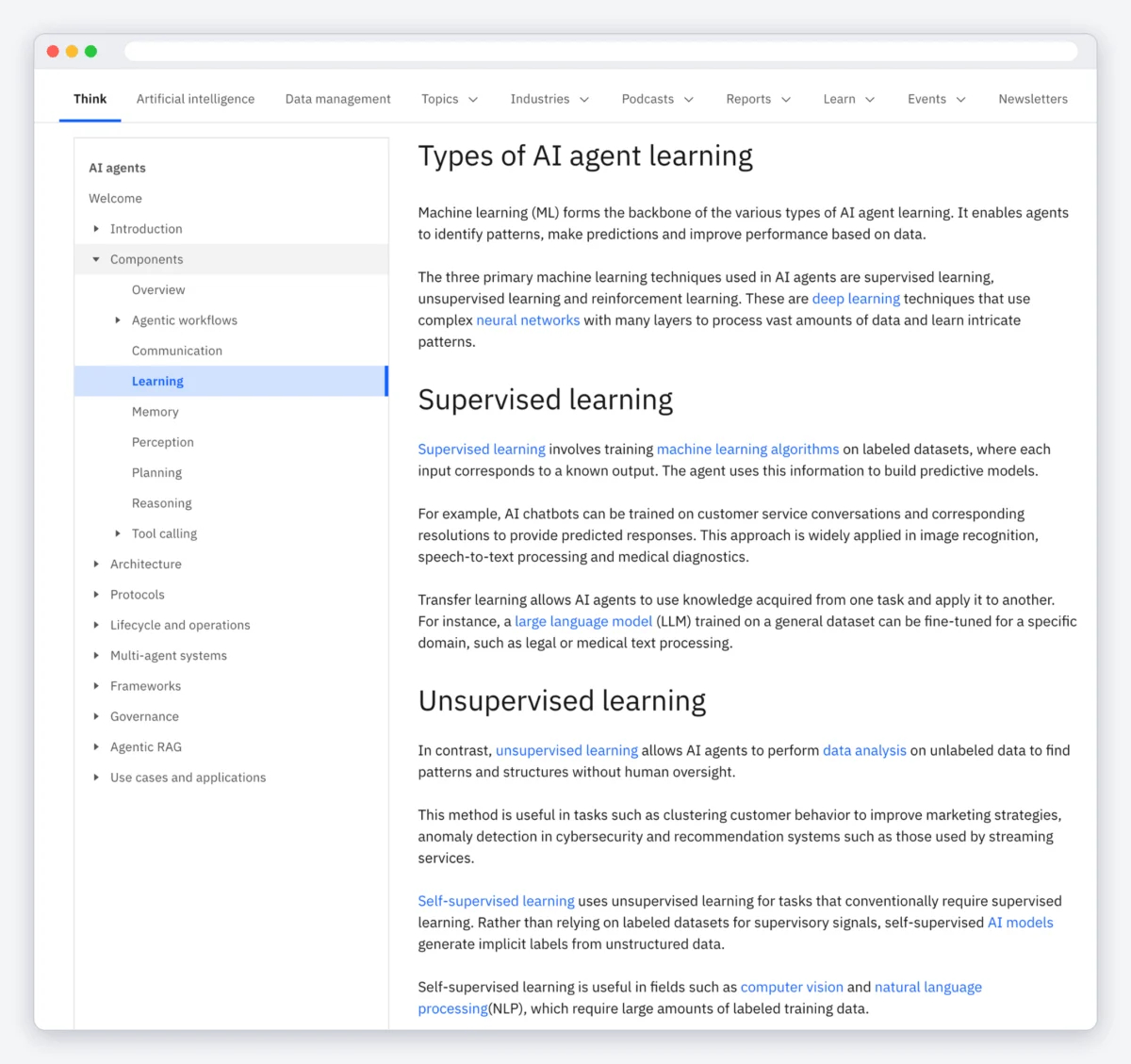
The landscape of online content consumption has undergone a seismic shift, rendering traditional search engine optimization (SEO) tactics and predictable user behavior obsolete. The days of relying on compounding search traffic, ordinal search rankings, and forecasting based on established click-through and conversion rates are now a relic of the past. In today’s digital ecosystem, content pages are increasingly becoming raw material for artificial intelligence (AI) engines. The information contained within these pages is scraped, aggregated with competing content, and presented to users within formats and contexts dictated entirely by third-party AI intermediaries, such as Google’s AI Overviews or responses generated by large language models like ChatGPT. This new paradigm marks a departure from the long-held assumption that valuable content would naturally be rewarded with direct website visits. Instead, a significant portion of user interaction with content now occurs through these AI-driven interfaces, bypassing the original publisher’s website. This fundamental change prompts a critical re-evaluation of how content should be created and strategized.
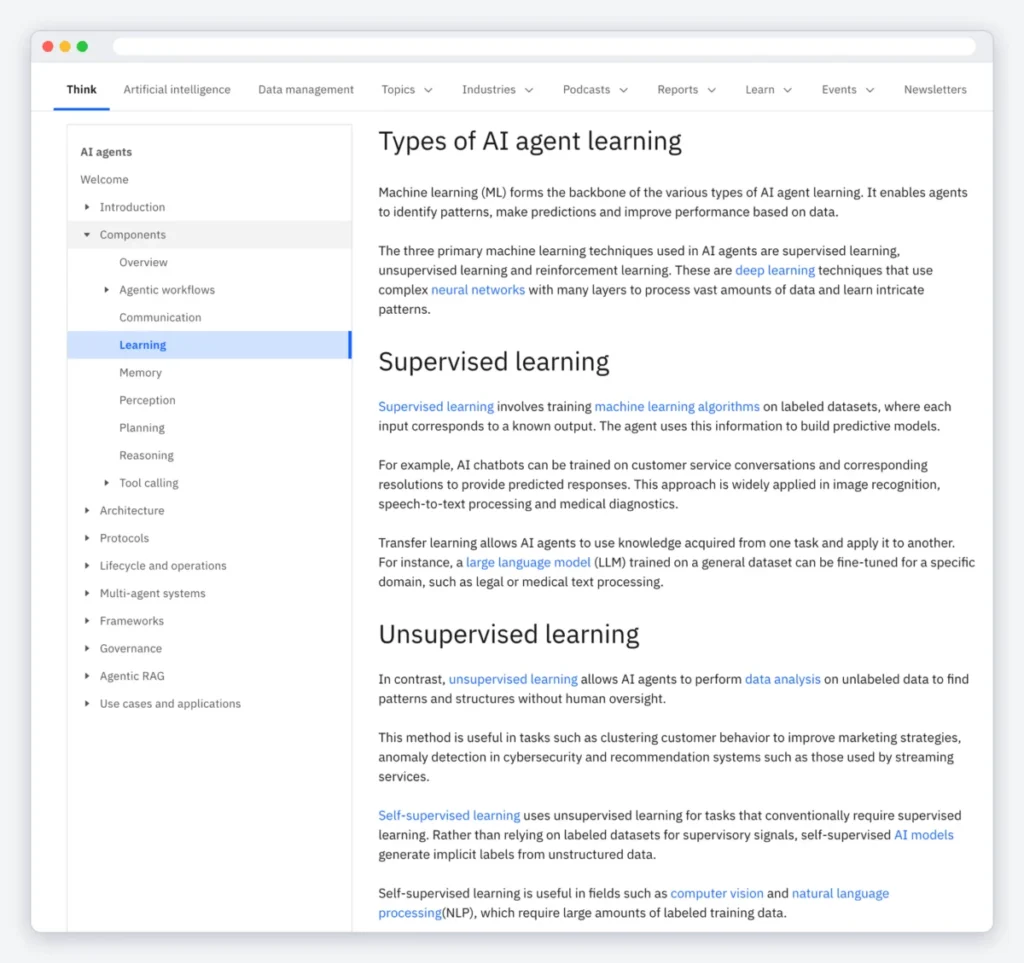
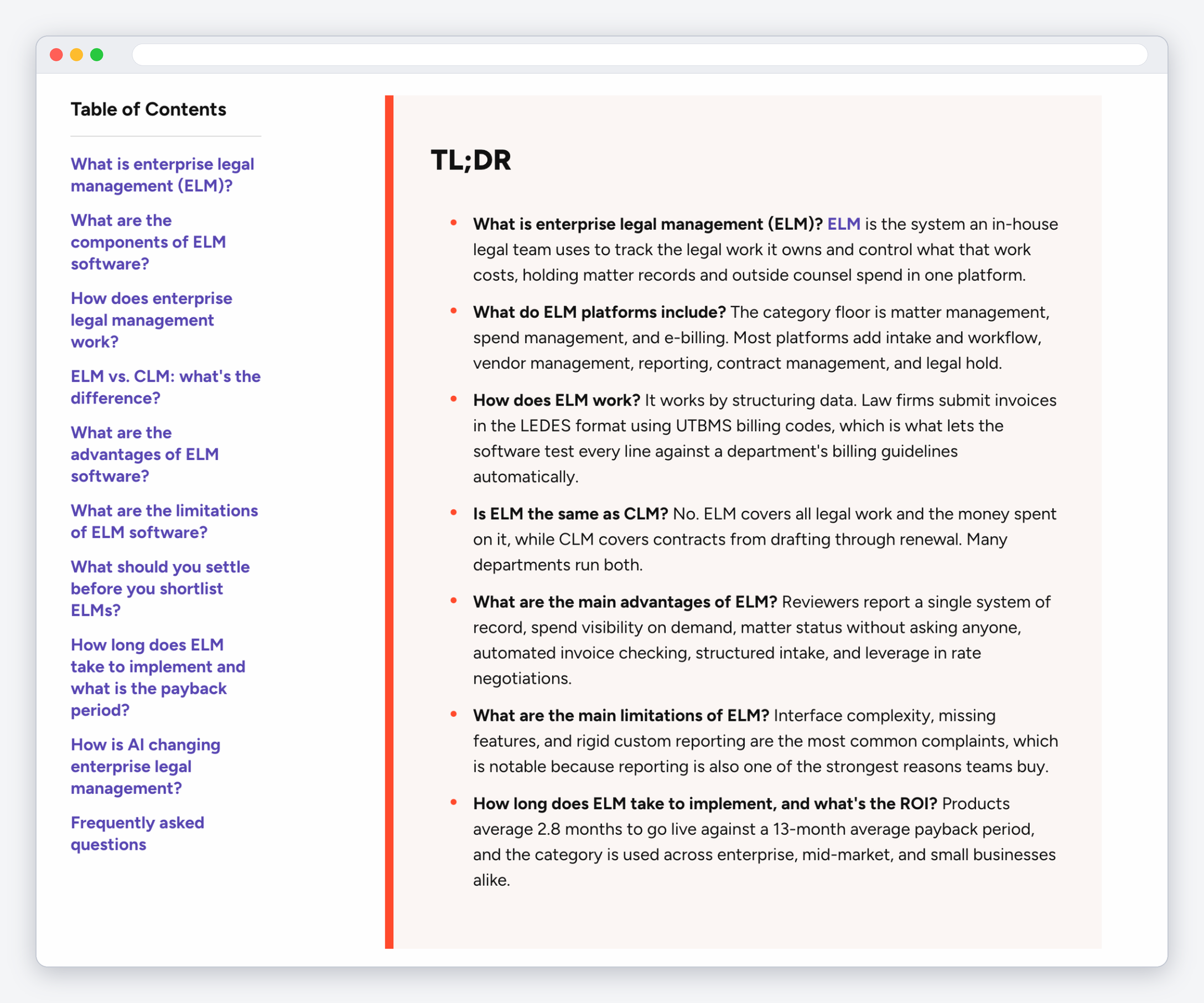
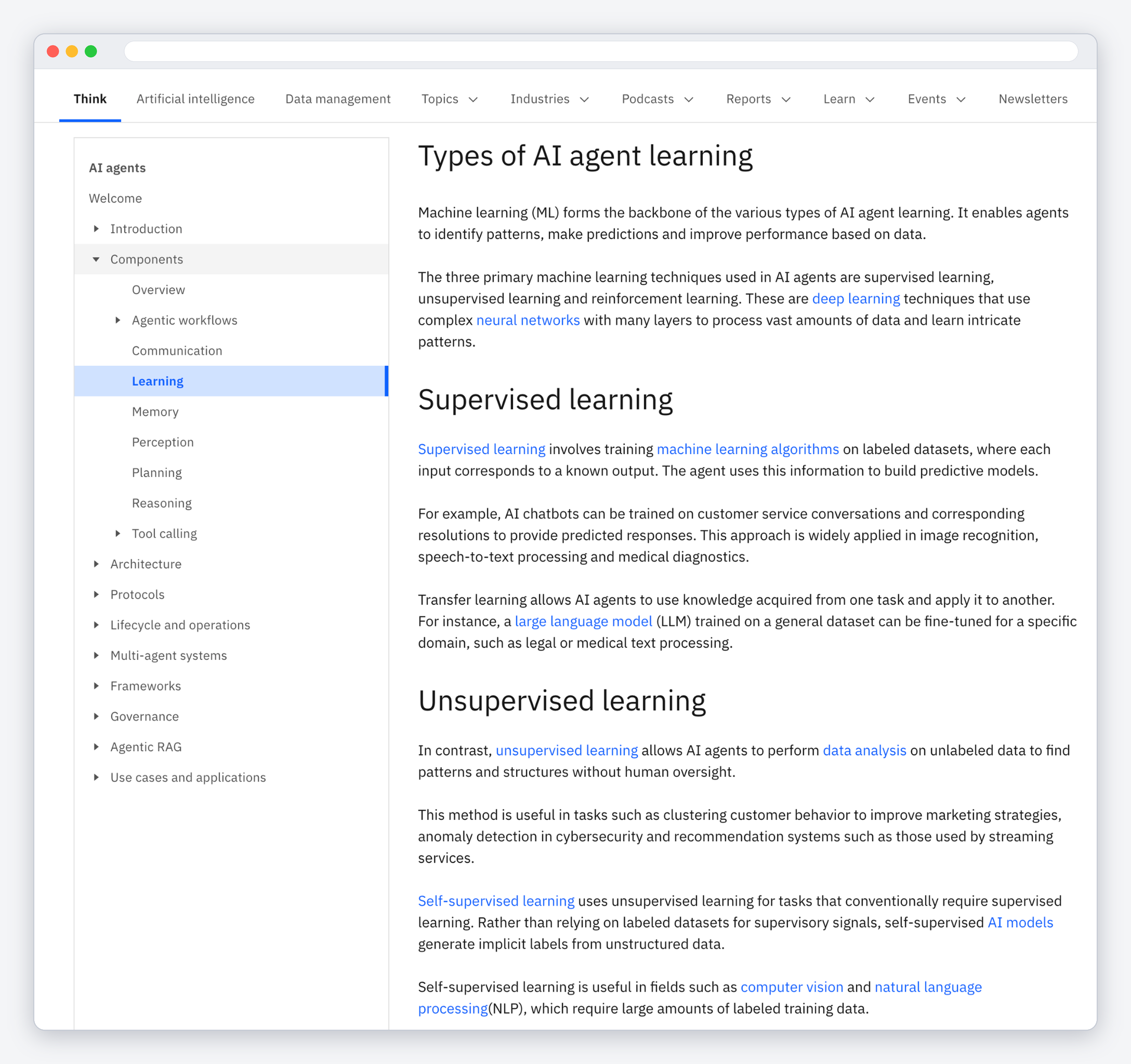
In response to this evolving reality, a growing number of companies are actively exploring and implementing a new approach: headless content marketing. This strategy involves creating pages of information with the explicit understanding that direct human visits will be minimal. The primary purpose of these pages is to serve as a source for AI search engines, facilitating the retrieval and synthesis of information into AI-generated snippets and summaries. These AI-optimized content pages are characterized by a distinct set of attributes designed for machine consumption rather than human engagement. They are typically terse, direct, and densely packed with specific references to products, concepts, and brands. Strong declarative statements are favored, supported by clear and citable evidence. The content is often structured within rigorous topic clusters and subjected to extremely regular updates. Crucially, it aims for broad accessibility, often adopting an "explain like I’m five" (ELI5) style, and deliberately omits elements common in traditional writing, such as personal experiences, anecdotes, expressions of uncertainty or humility, colorful language, and even illustrative images. In many instances, this content is generated by AI itself.
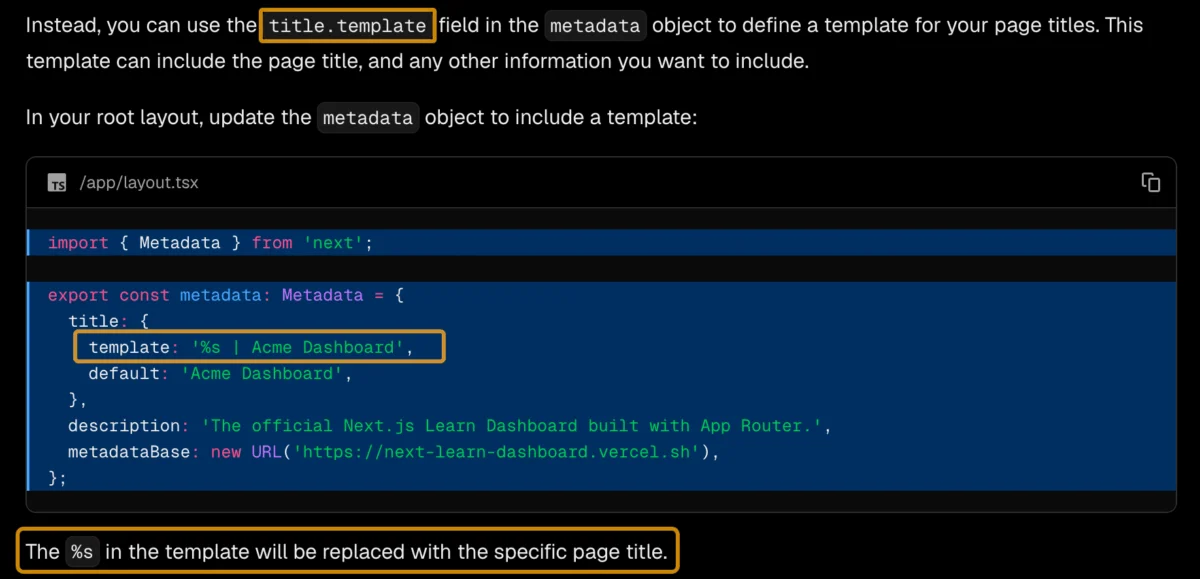
This "headless content" is not inherently detrimental to human readers; however, its primary intention is not direct human consumption. Instead, it functions as a vessel of information specifically engineered to influence AI-generated search answers. The concept of headless content marketing draws a parallel to headless Content Management Systems (CMS), which decouple content creation and management from the page’s design and presentation. In a headless CMS, content is created and managed independently before being delivered to various services for display. Similarly, headless content marketing provides information for AI search engines, allowing them to present it in whatever format they deem most appropriate for the user.
This strategic shift is particularly evident among large brands with substantial, established online presences. These organizations have often been the most significantly impacted by the decline in click-through rates attributable to AI Overviews and are actively seeking scalable distribution strategies for their vast content libraries. The expectation is that this trend will accelerate, leading to a future where major brands maintain extensive libraries of headless content. This content will likely be automatically updated, rigorously reviewed for accuracy, and systematically enriched with new data and research, potentially managed by individuals designated as "content engineers."
The stylistic characteristics of headless content may appear familiar to long-time SEO professionals. It resembles the approach to search-optimized content that predated the implementation of Google’s "Helpful Content" and "EEAT" (Experience, Expertise, Authoritativeness, Trustworthiness) guidelines. Stripped of Google’s public relations messaging, it reflects the fundamental mechanics of information retrieval. Despite Google’s historical efforts to combat content optimized solely for machines, headless content represents a logical adaptation to the incentives that search engines, including Google and AI platforms like ChatGPT, have now established.
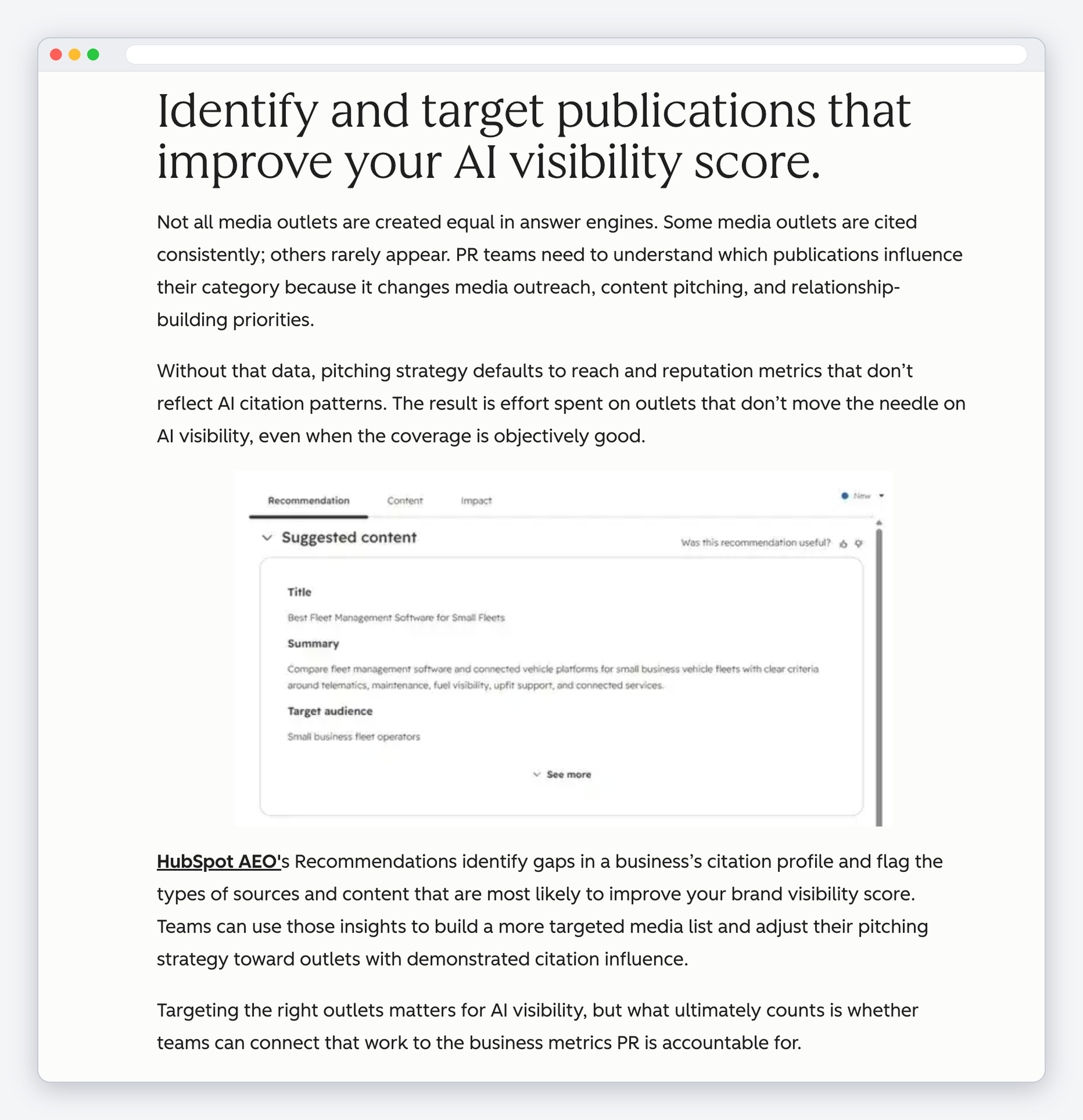
By significantly diminishing click-through rates and altering ordinal ranking positions, AI search engines have implicitly signaled that on-page user experience is no longer the paramount factor. The emphasis has shifted to the information conveyed by a page, making headless content a predictable consequence of this reorientation. However, headless content possesses the capacity to be high-quality across multiple dimensions. It can deliver useful information with exceptional efficiency, offering direct and helpful insights. Furthermore, it can incorporate novel information derived from original research, proprietary datasets, or expert interviews, ensuring accuracy through rigorous updating processes at an unprecedented pace.
The performance of such content in both traditional search and AI-driven search environments is demonstrable. Charts illustrating organic traffic for websites employing headless content often show a period of stagnation followed by a sharp increase. Similarly, data on AI citations, such as those tracked by tools like Ahrefs’ Brand Radar, reveal a significant rise in mentions of brands and their content within AI-generated responses. The visual presentation of this content is often deliberately plain, reflecting its intended audience: machines, not human eyes. The overarching objective of headless content is not to drive traffic to a website but rather to ensure a brand’s inclusion in AI-generated answers, its appearance as a cited source, its influence on critical business narratives within AI responses, and to prevent competitors from dominating key topics. This strategy operates under a new set of rules, acknowledging that AI summaries appear to be an enduring feature of the search landscape.
The emergence of content optimized for machines may not be inherently negative. It could potentially elevate the quality and efficacy of AI-generated responses. This approach may represent the new standard for high-performing content within the paradigm established by Google and other AI platforms.
The current trend indicates a growing divergence in content marketing strategies. The ambiguous middle ground, where content was expected to satisfy both human readers and machine retrieval systems, is receding. An increasing number of companies are recognizing that content optimized for AI search differs fundamentally from content designed for direct human interaction.
While headless content marketing offers a logical response to the current incentives, its long-term viability is not guaranteed. AI search engines currently rely heavily on retrieval-augmented generation (RAG), a process that rationalizes their answers by retrieving relevant web pages from a search index. However, the future of this reliance is uncertain. Google, for instance, has expressed intentions to prevent ChatGPT from scraping its search results pages, and AI search providers are reportedly becoming aware of the potential for RAG systems to be manipulated.
Regardless of the future trajectory of AI search technology, headless content stands as a rational adaptation to the incentives created by Google and ChatGPT. The most detrimental approach for content creators is to persist with outdated strategies without acknowledging the fundamental changes in the unit economics of content marketing and search. As the original text concludes, Google has effectively "decapitated" traditional search content, and headless content is simply the acknowledgment and adaptation to this new reality.