 11

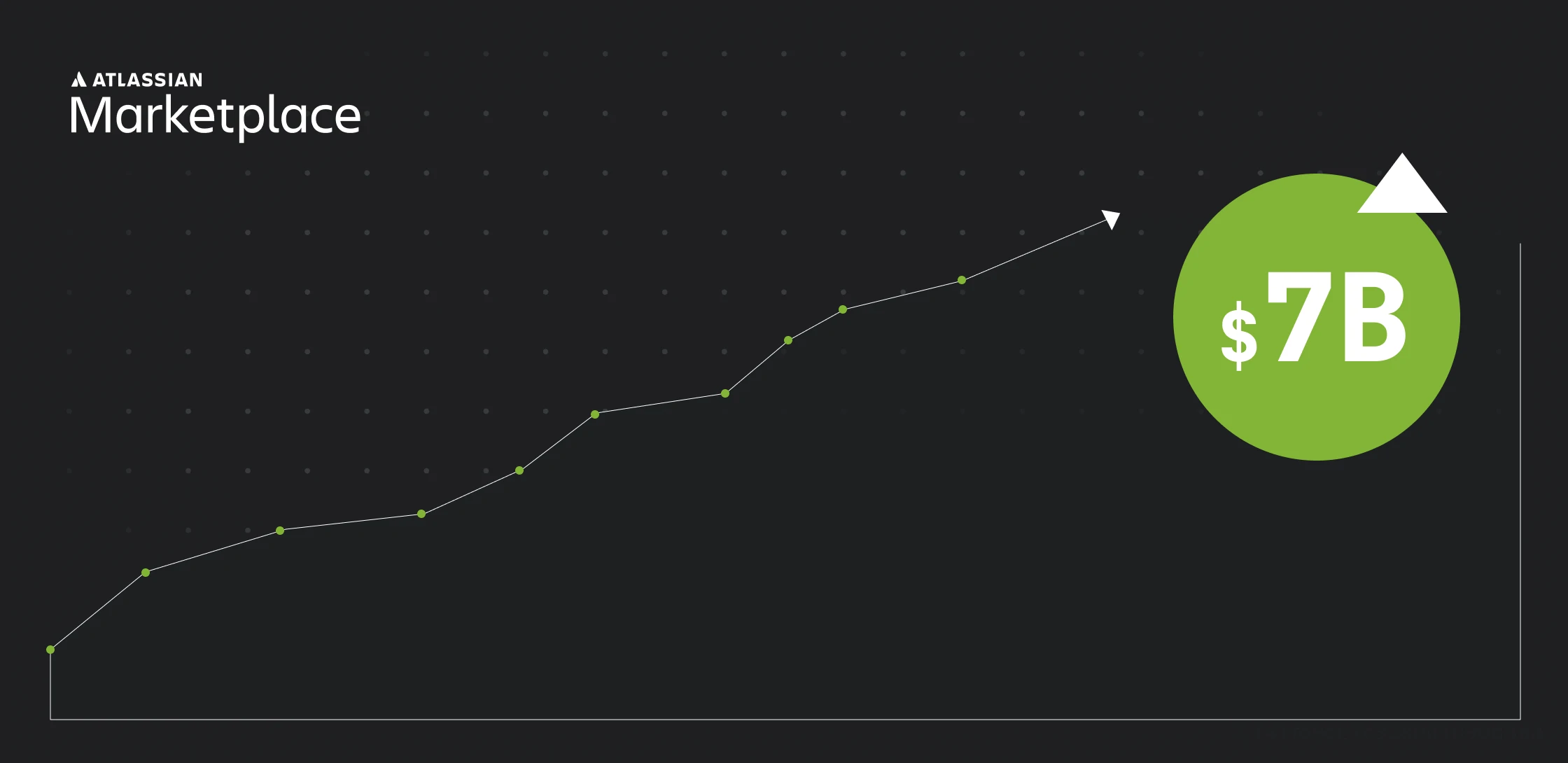
The Atlassian Marketplace has reached a historic financial milestone, surpassing $7 billion in lifetime sales, a figure that underscores the massive scale and rapid maturation of the enterprise software ecosystem. While the $7 billion figure represents a significant achievement in total transaction volume since the Marketplace’s inception, the velocity at which this growth is occurring has become the primary focus for industry analysts and developers alike. According to recent data, the most recent $1 billion in transactions was processed in a mere nine months, marking the fastest billion-dollar increment in the history of the platform. This acceleration is further highlighted by the fact that nearly 50% of all lifetime sales have occurred within the last three years, signaling a profound shift in how organizations procure and deploy specialized software solutions to complement their core Atlassian products.
This $7 billion milestone is more than a simple metric of commerce; it serves as a reflection of deep-seated customer trust and the ingenuity of a global network of Marketplace partners. The Marketplace has evolved from a simple storefront into a critical infrastructure component for teams that require highly tailored workflows. As organizations seek to shape tools like Jira, Confluence, and Jira Service Management around their specific operational needs, the demand for third-party integrations and specialized applications has reached unprecedented levels. For software builders, founders, and established development firms, this milestone validates the viability of the Atlassian platform as a primary market, while the increasing pace of sales suggests that the window of opportunity for new entries is expanding rather than closing.
The history of Marketplace monetization dates back to 2012, when Atlassian first allowed developers to charge for applications that extended the functionality of its flagship products. Since that time, the Marketplace has become a central hub for discovering tools that solve an array of complex business challenges. These solutions are as diverse as the industries they serve, encompassing test management, advanced diagramming, precise time tracking, regulatory compliance, cybersecurity, and data migrations. By utilizing these apps, customers can transform standard Atlassian products into bespoke tools that meet niche requirements without having to wait for specific features to be integrated into the core product roadmaps. This "open platform" philosophy has allowed Atlassian to maintain a lean core product while satisfying the needs of thousands of specialized use cases through its partner network.
From a partner perspective, the Marketplace provides a streamlined path from the initial product concept to global distribution. The reach of the ecosystem is extensive; as of the end of June 2026, more than 40% of Atlassian’s vast customer base had at least one Marketplace application installed. The technical landscape of the ecosystem has also shifted significantly toward the cloud. Currently, the ecosystem boasts more than 6,000 Cloud-native apps. Central to this cloud evolution is Forge, Atlassian’s serverless development platform, which now hosts over 3,700 public apps. Beyond public offerings, the platform has seen the creation of more than 10,000 custom Forge apps, which are built by individual organizations to handle internal use cases and proprietary workflows. This high volume of custom development indicates that the platform is being used not just for off-the-shelf purchases, but as a foundation for enterprise-grade internal engineering.
To provide clarity on the financial reporting, Atlassian defines "lifetime sales" as the total value of paid Marketplace app purchases across all deployment types, including Cloud, Data Center, and the now-discontinued Server editions. It is important to note that this figure represents the total amount spent by customers through the Marketplace and is not a direct reflection of Atlassian’s own corporate revenue. Instead, it serves as a barometer for the health and profitability of the third-party developer community that builds on top of the Atlassian stack.
The trajectory of the Marketplace’s growth provides a clear picture of its recent surge. The platform crossed its first $1 billion in lifetime sales in December 2019, seven years after monetization began. It reached the $2 billion mark in October 2021. In the years following, the total has grown more than three and a half times, with the intervals between billion-dollar milestones shrinking consistently. This acceleration is indicative of a broader market trend where developers and established software companies are finding increased success in removing friction for users and connecting disparate work processes across multi-departmental teams.
A major driver of this current growth phase is the integration of Artificial Intelligence (AI) into the workplace. Organizations are increasingly looking for ways to put AI to work within the tools they already use daily. However, a significant gap remains between executive expectations and employee reality regarding AI implementation. Recent Atlassian research indicates that 77% of knowledge workers believe it is vital for AI tools to have a deep understanding of their company’s specific institutional knowledge. Despite this high demand, only 21% of those same workers believe that their current AI tools actually possess that level of context. This discrepancy represents a massive opportunity for Marketplace partners to develop apps that bridge the "context gap." By building apps that sit directly inside Jira and Confluence, developers can ensure that AI agents are grounded in the actual data, decisions, and institutional history of a company.
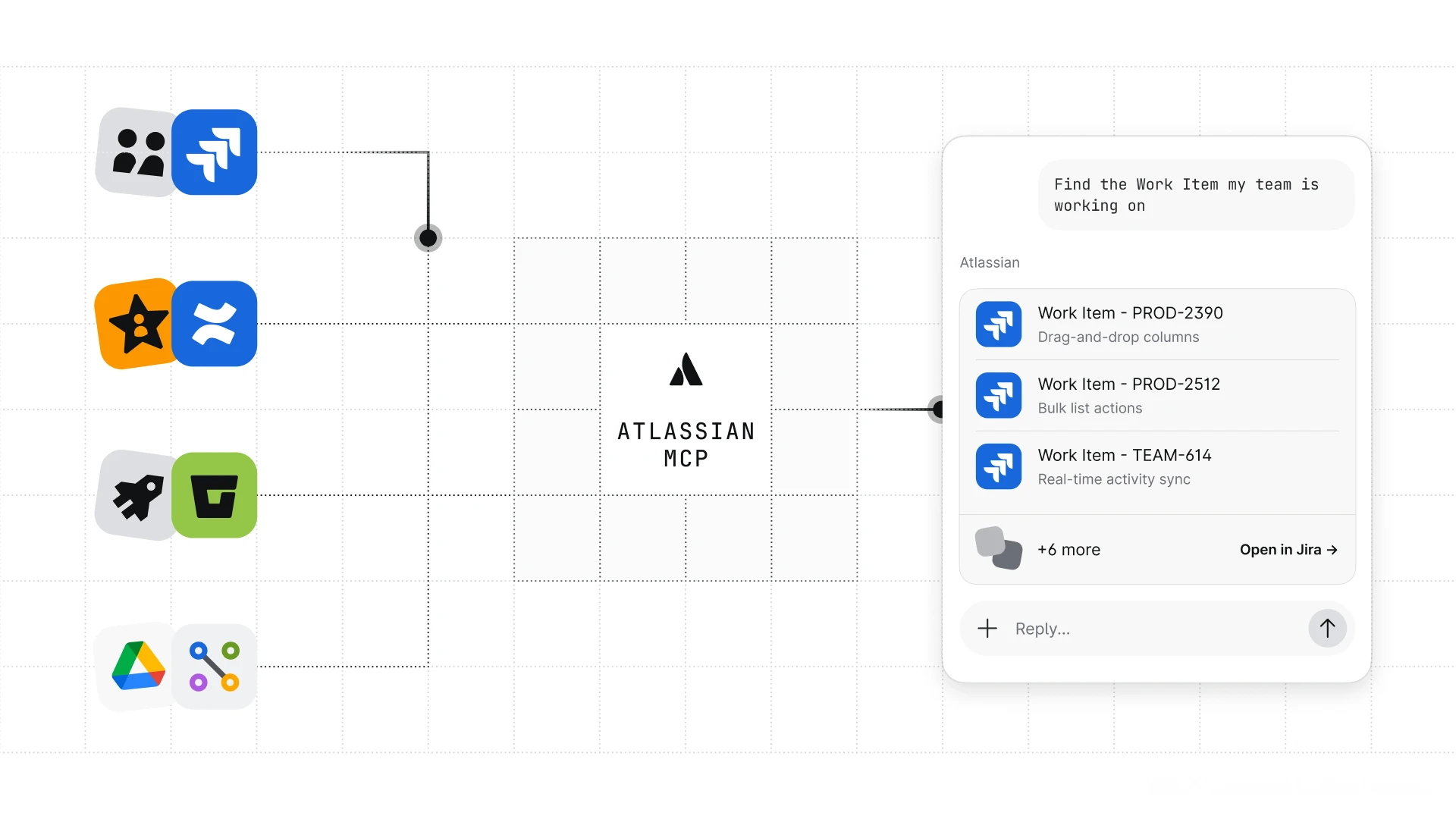
The next generation of successful Marketplace companies is expected to emerge from this AI-centric landscape. Potential areas for innovation include the automation of repetitive administrative tasks, the creation of industry-specific compliance workflows, and the development of intelligent agents that can navigate the "Teamwork Graph"—Atlassian’s underlying data structure that maps the relationships between people, work, and information. The introduction of the Atlassian Model Context Protocol (MCP) Server further expands this horizon, providing a standardized way for various AI clients to interact directly with Jira and Confluence data, thereby creating a new surface area for developers to build intelligent integrations.
Atlassian’s development platform, Forge, is designed to lower the barrier to entry for these innovators. By providing the necessary frameworks, APIs, and hosting infrastructure, Forge allows developers to focus on creating unique customer value rather than managing the "plumbing" of cloud hosting and security. This environment is equally accessible to solo developers testing a single focused idea and large software firms looking to migrate proven expertise to a new, high-growth audience. Because Forge-built apps reside within the Atlassian ecosystem, they function as native components of the user experience rather than external add-ons, making them an integral part of the daily operations of millions of users.
Real-world examples of this innovation are already appearing. The Marketplace partner Opus Guard, for instance, utilized Forge and Atlassian’s Rovo AI to build an AI-assisted data governance solution for Confluence. This application demonstrates how a specific, high-stakes customer problem—such as maintaining data privacy and governance in a collaborative environment—can be solved rapidly by leveraging the existing AI infrastructure of the Atlassian platform. This model of building "intelligent, enterprise-ready solutions" on top of established platforms is becoming the blueprint for modern software entrepreneurship.
As the Marketplace looks toward the "next billion," the company is emphasizing that the ecosystem is built on a foundation of partnership. The journey from a prototype or a simple customer request to a global software business is now a proven path. Whether a developer is starting with a sketched idea or an established enterprise product, the Marketplace offers the distribution, commerce capabilities, and go-to-market programs necessary to scale. The shift toward a more connected and intelligent ecosystem suggests that the future of the Marketplace will be defined by its ability to solve increasingly complex problems through AI and integrated data.
In conclusion, the $7 billion milestone is a testament to the scale that can be achieved when an open platform aligns with a global community of builders. With the pace of sales accelerating and the demand for AI-driven context increasing, the Atlassian Marketplace remains a primary destination for software innovation. The focus now shifts to the developers and partners who will build the next generation of tools, as they work to fill the gaps in the modern workplace and contribute to the next billion dollars in ecosystem value. For those ready to participate, the tools, documentation, and customer base are already in place to support the next wave of ambitious software development.