 11

The burgeoning artificial intelligence industry has ignited a gargantuan surge in energy demand across the United States, placing unprecedented stress on the nation’s aging power grid infrastructure. This dramatic upswell in connections has raised alarms among critics who contend that America’s electrical system is undergoing a severe stress test. Concerns are mounting that, in the short term, this energy crunch could lead to escalating electrical bills for consumers and businesses, while in the long term, it threatens to manifest as widespread outages or other critical technical disruptions. The strain is particularly acute on some of the largest U.S. power grids, prompting widespread apprehension regarding their capacity to adapt to the rapid pace of technological advancement.
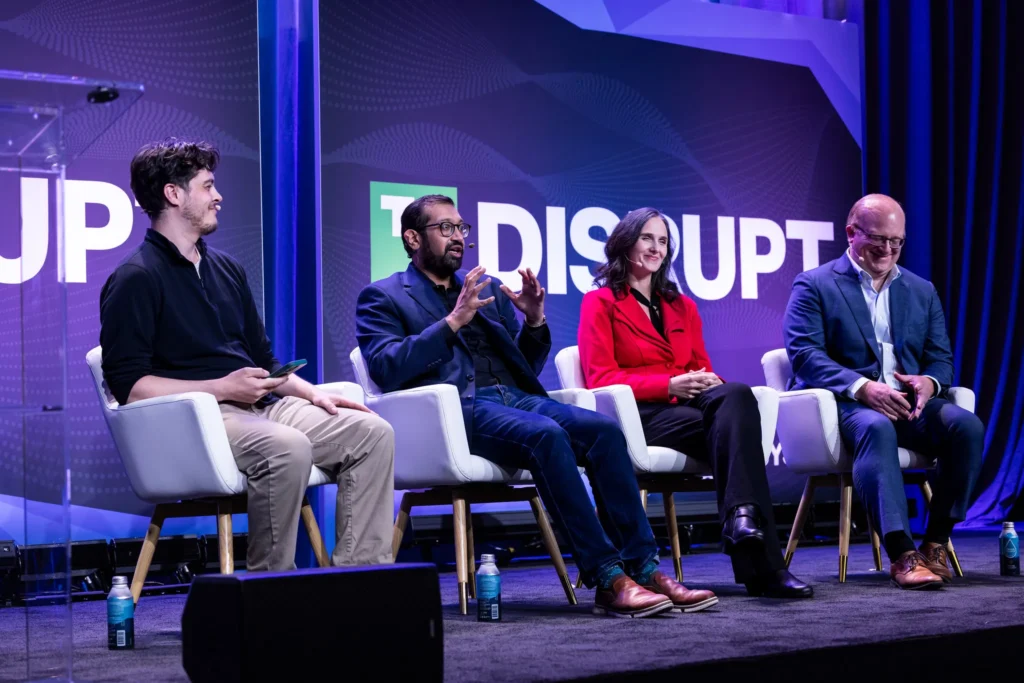
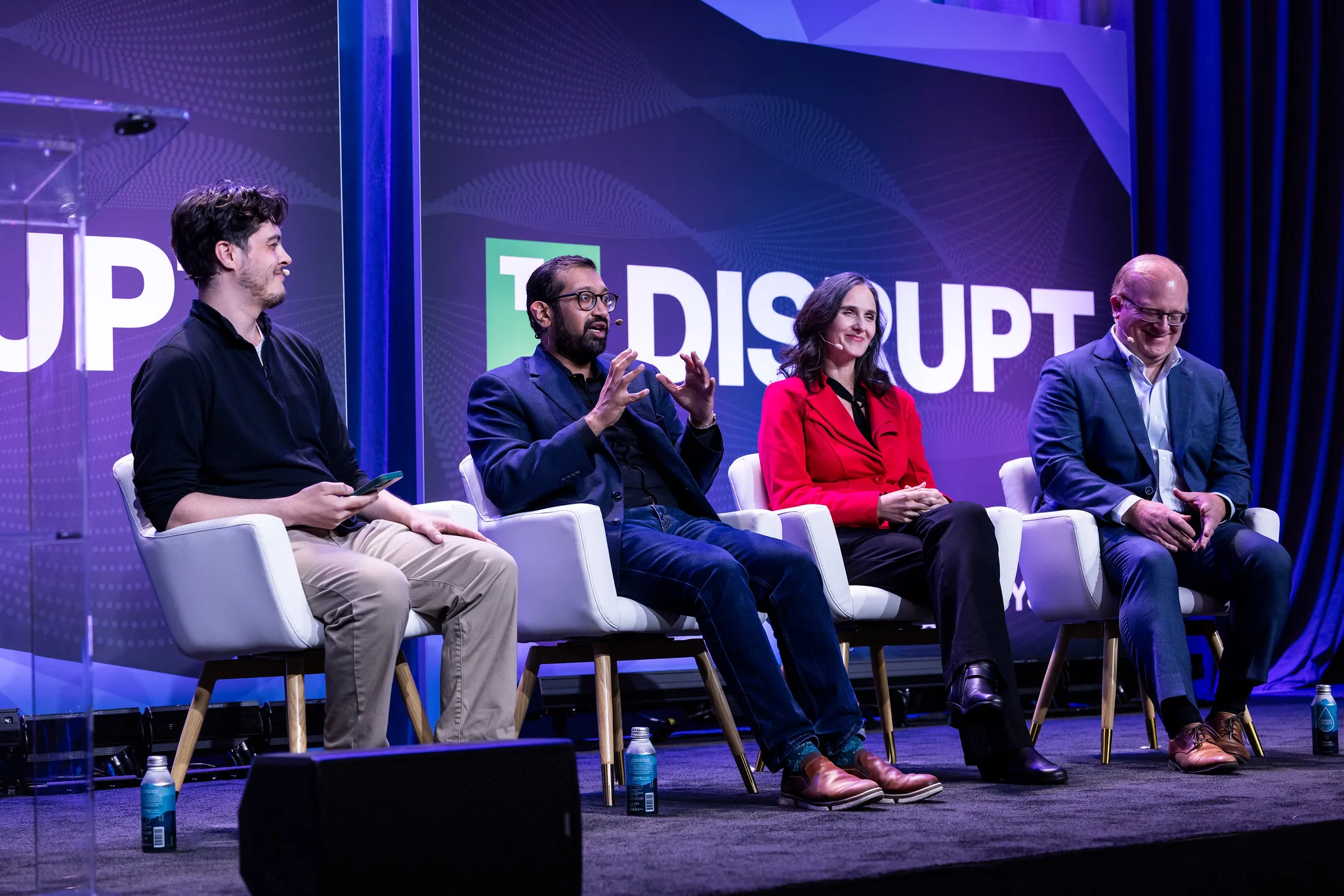
However, a more optimistic perspective emerged earlier this month at TechCrunch Disrupt, a prominent industry event where leaders convened to discuss the future of technology. Industry insiders, rather than solely focusing on the challenges, tempered much of the criticism with a forward-looking view, suggesting that the massive influx of new energy connections, primarily driven by AI data centers, could actually serve as a pivotal catalyst for modernizing the national grid. A panel featuring Apoorv Bhargava, founder and CEO of WeaveGrid; Tim Heidel, CEO of Veir; and Kristin Eberhard, VP of policy at Rewiring America, acknowledged the significant new challenges facing the grid but emphasized the equally abundant new opportunities that are simultaneously coming into focus.
Apoorv Bhargava of WeaveGrid articulated the fundamental shift occurring within the energy landscape. "It’s a very different electric grid, right?" Bhargava observed, highlighting the complexity introduced by myriad new variables. He elaborated on the simultaneous growth of renewable energy sources, which introduce intermittency and require sophisticated management, alongside a substantial increase in electricity demand from new loads such as electric vehicles (EVs), sophisticated data centers powering AI computations, and energy-efficient heat pumps. Bhargava underscored that the core challenge utilities are now grappling with is the ability to effectively manage and orchestrate these diverse and often volatile demands on the system. The traditional grid, designed for a more predictable, one-way flow of power from centralized generators to consumers, is ill-equipped to handle the dynamic, multi-directional energy flows and fluctuating demands of the 21st century.
While these new connections collectively impose an ever-increasing amount of stress on the existing grid infrastructure, Bhargava’s company, WeaveGrid, is actively developing solutions to mitigate these pressures. WeaveGrid aims to provide advanced load orchestration and management capabilities through its software platform, empowering utilities to maximize the potential and efficiency of their current systems. The company’s software is designed to help organizations deploy energy more efficiently by intelligently managing demand. For instance, its technology can optimize the charging of electric vehicles to align with periods of lower grid stress or higher renewable energy availability. By extending such principles of smart management and optimization to other large loads like data centers, WeaveGrid hopes to refine connections in a way that not only enhances grid stability but also reduces utility payers’ bills by leveraging energy more judiciously. WeaveGrid previously secured a $35 million Series B funding round, specifically aimed at helping the electrical grid cope with the coming wave of EVs, demonstrating its established expertise in smart grid management applicable to various high-demand scenarios.
Complementing WeaveGrid’s software-centric approach, Tim Heidel, CEO of Veir, leads a company focused on enhancing the physical infrastructure of the grid itself, striving to make it more robust and vastly more efficient. Veir is pioneering the development and commercialization of superconductive power lines, which promise to transfer electrical energy with significantly greater efficiency than conventional copper or aluminum cables. Unlike traditional lines that lose a considerable amount of energy as heat due to electrical resistance, Veir’s superconductive cables virtually eliminate this resistance, allowing for power transmission with minimal losses. The company has publicly stated that its innovative cables can carry power five times farther than traditional cables, a significant advantage for long-distance transmission, while simultaneously requiring 20 times less physical space. This reduction in footprint is critical for expanding transmission capacity in densely populated areas or environmentally sensitive regions where right-of-way acquisition is challenging.
Heidel underscored the transformative impact of the AI boom, stating, "The scale of the investment in AI infrastructure is driving a tremendous amount of innovation." He further elaborated on the emergence of numerous new technologies that are rapidly moving from research and development stages to commercial scalability. These advancements, when integrated effectively, have the potential to ensure that data centers, which are significant energy consumers, can operate as "the best community neighbors and citizens they can possibly be." This implies not only reliable and efficient power delivery but also a reduced environmental footprint and improved grid resilience for the communities they serve. Heidel emphasized the urgency of this transition, adding, "I think that we really need to look at ways that we can really adopt all of that as fast as possible to ease this next stage of growth." The market’s confidence in Veir’s vision was solidified earlier this month when the startup successfully raised $110 million in a Series C funding round, with backing from major players like Microsoft, signaling a strong belief in its superconductive power delivery technology for high-demand applications, particularly AI data centers.
Kristin Eberhard, VP of policy at Rewiring America, offered a policy-oriented perspective, highlighting how the surge in data center energy demand has injected a new sense of urgency into the broader cause of grid modernization. Rewiring America advocates for widespread household electrification, promoting the transition from fossil fuels to electricity for home heating, cooking, and transportation. Eberhard noted that this heightened urgency, spurred by AI’s demands, has created an environment where various industries are more amenable to exploring and adopting novel solutions.
Eberhard described the current era as "a very improv era," characterized by a "lot of yes-and-ing going on." This analogy captures the collaborative and expansive approach now being embraced, moving beyond singular solutions to a multi-faceted strategy. She explained, "So yes, we need more transmission lines. Yes, we need more centralized power plants, and we also need to make sure that we’re taking advantage of all this other stuff that we had previously been leaving on the table when we didn’t have this urgency of the AI demand." This "other stuff" refers to a range of distributed energy resources and demand-side management strategies, such as rooftop solar, battery storage systems at residential and commercial scales, smart appliances that can respond to grid signals, and advanced demand response programs. These previously underutilized resources can collectively contribute significantly to grid stability, resilience, and efficiency by providing localized generation, reducing peak demand, and offering flexible load management. The AI demand, therefore, is not merely a burden but a powerful impetus to integrate these diverse elements into a cohesive, modern energy system.
The discussions at TechCrunch Disrupt underscore a critical juncture for the U.S. power grid. The immense energy appetite of the AI revolution, while undeniably a significant challenge to an aging infrastructure, is simultaneously driving an unprecedented wave of innovation and investment. Companies like WeaveGrid are providing the intelligent software layers necessary to manage complex, dynamic energy flows, optimizing the existing grid and integrating new loads and generation sources. Veir is tackling the fundamental hardware limitations with advanced superconductive transmission technologies, promising to build a more efficient and higher-capacity physical backbone. Meanwhile, organizations like Rewiring America are advocating for policy frameworks that encourage a holistic approach, leveraging both traditional grid enhancements and the vast potential of distributed energy resources and demand-side flexibility. This collaborative and multi-pronged approach, spanning technological innovation, strategic investment, and supportive policy, is essential to transform the AI energy crunch from a potential crisis into a powerful catalyst for a resilient, efficient, and modernized national power grid capable of supporting the next era of technological advancement.