 11
11 1
1 2
2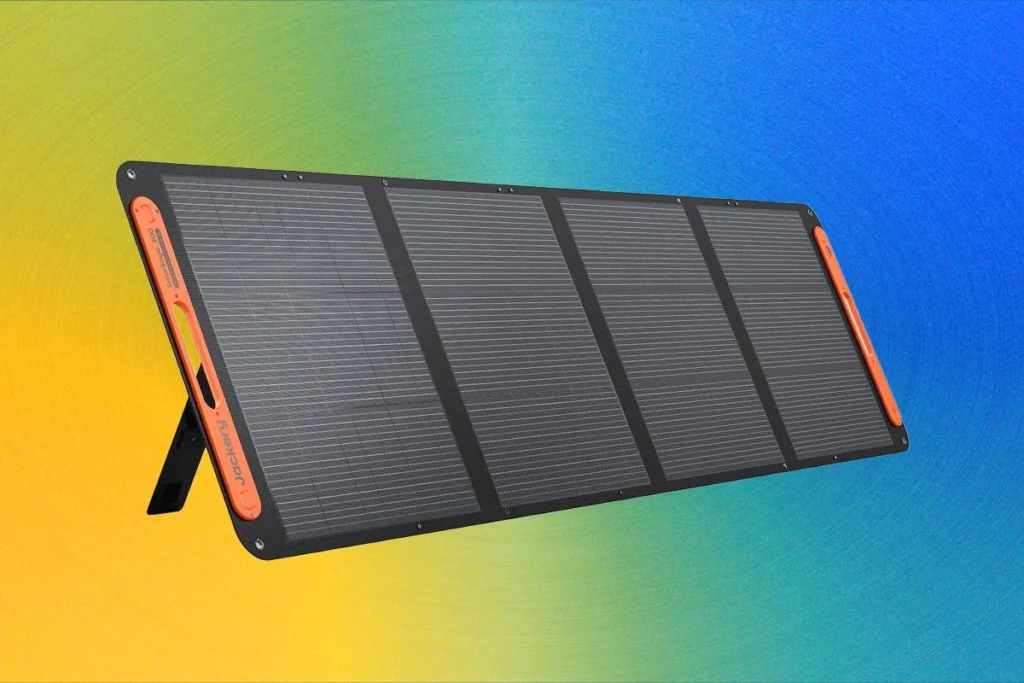 3
3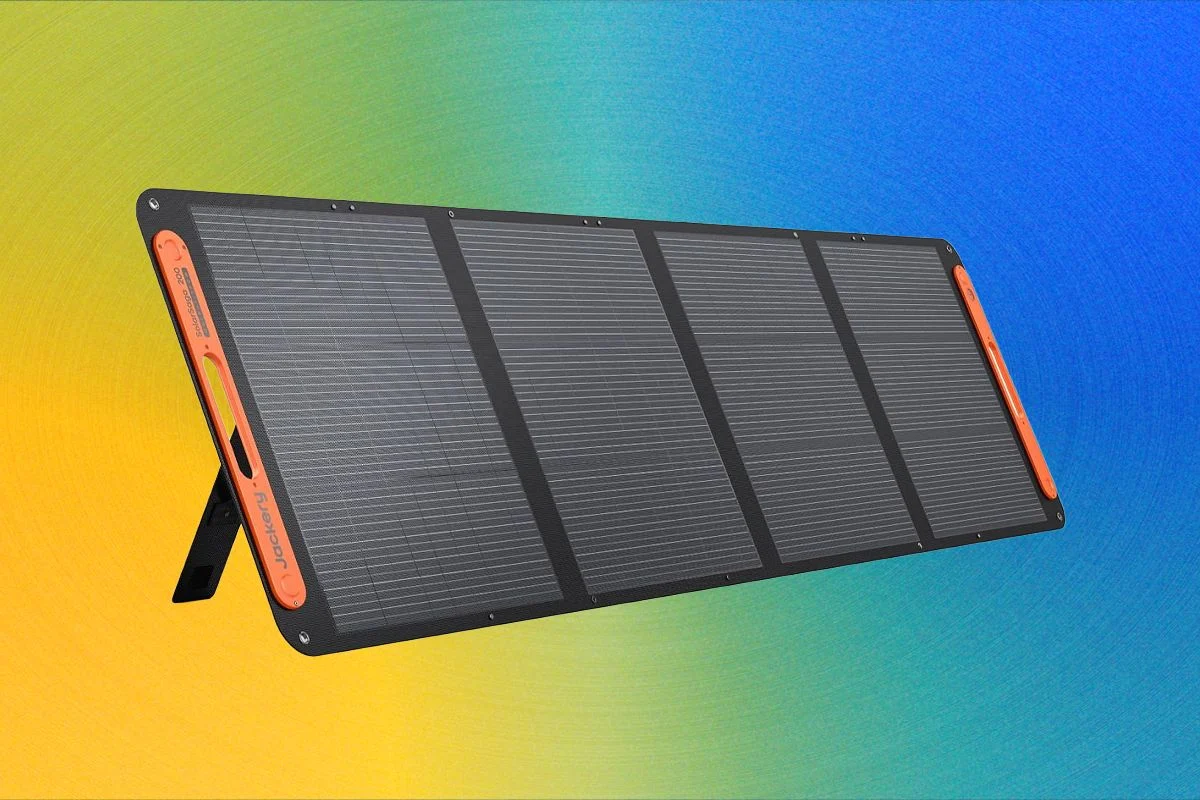
The prospect of a permanent solar panel installation often presents a formidable challenge for many homeowners and renters, due to its significant cost, complex installation process, and the simple fact that it’s not always a viable option for every property. However, a revolutionary alternative exists in the form of portable solar panels, which offer the flexibility to harness the sun’s energy in virtually any situation. Whether the need is for a reliable backup power source at home, or the desire to generate off-grid electricity for a remote cabin, an RV adventure, or a wilderness campsite, portable solar panels emerge as an effective and accessible solution. These devices empower individuals to tap into renewable energy without the commitment and expense of a fixed system.
For several years, I have meticulously tested various portable solar panels, evaluating their performance across a spectrum of real-world scenarios. This comprehensive assessment has allowed me to identify and recommend the most effective models tailored for different applications. It is crucial to note that these panels are most efficiently utilized when paired with one of the best solar generators or portable power stations, which store the collected energy for later use. Furthermore, this guide will delve into frequently asked questions (FAQ) to provide valuable solar panel tips, ensuring readers can make informed decisions.
The Absolute Best Portable Solar Panel: Jackery Solar Saga Series
The current market boasts an impressive array of portable solar panels, making the selection process dependent on individual requirements. Key considerations for consumers include the maximum wattage a panel can deliver, the types of connection ports available, overall portability, price point, and perhaps most importantly, brand compatibility. As elaborated in the FAQ section below, choosing panels from the same brand as an existing solar generator often proves advantageous, particularly if the generator utilizes a proprietary solar charging port.
Among the many models I’ve evaluated, the Jackery Solar Saga portable solar panels consistently demonstrated superior performance. Both the 100-watt Solar Saga 100 and the 200-watt Solar Saga 200 models generated a remarkably good amount of power, not only in full, unobstructed sunlight but also under less ideal, overcast conditions. While neither panel folds down to an extremely compact size, their portability is significantly enhanced by the strong, molded-plastic handles located at either end, featuring Jackery’s distinctive bright orange hue, allowing for easy one-handed carrying. The design incorporates magnetic pads, enabling the panels to fold away neatly and quickly, while the legs attach securely via Velcro, facilitating a much faster setup and pack-down process compared to panels that rely on more cumbersome metal fasteners.
In terms of specific performance, the SolarSaga 200 consistently delivered approximately 140 watts, occasionally peaking at an impressive 170 watts under optimal conditions. To put this into perspective, I successfully charged a 4,085-watt-hour-capacity Explorer 2000 Plus Portable Power Station from roughly 20 percent to full capacity over two scorching days, utilizing just one SolarSaga 200 panel.

One notable drawback of the Jackery panels is their reliance on a proprietary DC8020 barrel connector, specifically designed for use with Jackery’s own power stations. This is a slight inconvenience, as most other panels on the market come equipped with universal MC4 connectors and often include an XT60 adapter, which is the most common solar charging port found on solar generators. However, Jackery solar generators frequently compensate for this by featuring two such barrel ports, allowing users to connect and charge with two panels simultaneously. Achieving maximum efficiency is contingent upon correctly angling the panels, a task made straightforward by the integrated fold-out legs. Jackery has also diversified its offerings for the Solar Saga 100, providing various versions to suit different user needs. The most recent iteration of the Solar Saga 200 boasts bifacial technology, significantly increasing its conversion efficiency to up to 26.7 percent (an improvement from the 24 percent of the model I tested). Furthermore, this new model carries an IP68 rating, providing robust protection against rain and dust, making it highly durable for outdoor use.
Two Other Highly Recommended Portable Solar Panels
For those requiring even greater power output from a single panel, both the Bluetti 350-watt and 500-watt panels stand out, despite their higher retail prices. It is always advisable to seek out discounts, as these models are frequently available on sale. The 350-watt panel employs a familiar folding design, complete with fold-out feet and a sliding strap featuring metal fasteners, allowing it to be propped at various angles to optimize sun exposure. Weighing just over 30 pounds, it is undeniably heavy, but the integrated molded handles facilitate easier transport. During my tests, this panel achieved a maximum output of approximately 290 watts, offering a conversion efficiency of 23.4 percent. Both Bluetti panels are IP67-rated, indicating strong resistance to dust and temporary immersion in water, and they come standard with MC4 to XT60 cables, ensuring broader compatibility.
The much larger 500-watt panels, while offering greater power, fold down to a similar profile and weigh roughly the same as their 350-watt counterparts. They boast a slightly superior 25 percent conversion efficiency, enabling me to extract around 490 watts under ideal conditions. Setting up the 350-watt panels is relatively easy, though the metal fasteners on the kickstands can be a bit finicky. However, the 500-watt panels proved to be downright challenging to deploy. To achieve their compact folded size, they are segmented into 12 separate sections and unfold into a double row, which required considerable effort to stabilize the feet and ensure overall rigidity. Users must also exercise caution when using them at a higher angle, as strong winds could easily catch and flip them over. Despite these setup challenges, the advantage lies in their impressive ability to fold down into an exceptionally small package, complete with a comfortable rubbery handle for carrying. For their wattage, it would be difficult to find a more compact solution.
BougeRV Arch Flexible Solar Panel: The Mounted Solution
The BougeRV Arch Flexible Solar Panel offers a distinct approach, being lightweight and highly flexible. This design makes it an ideal candidate for semi-permanent mounting on the roof of an RV, a camper van, or other vehicles. It can also be affixed to a cabin roof or a hardtop tent, capable of bending up to 270 degrees to conform to various surfaces. While no fixings are included, installation is achievable using strong adhesive, robust double-sided tape, or by utilizing the pre-drilled holes for bolting. The panel itself is remarkably thin, weighs just under 9 pounds, and carries an impressive IP68 rating, signifying complete protection against dust and prolonged immersion in water. It boasts a 25 percent conversion efficiency, and during testing, I was able to obtain 165 watts when the sun was at its zenith. It is important to clarify that this panel is not truly "portable" in the conventional sense, as it lacks folding capabilities or a handle for easy carrying. Nevertheless, it represents an excellent option for fixed installations and features standard MC4 connectors for broad compatibility. BougeRV also offers a smaller 100-watt model.
Other Commendable Solar Panels I’ve Evaluated

Beyond my top recommendations, several other solar panels have proven their worth during testing:
Anker Solix PS200 for $450: I’ve tested previous iterations of Anker’s solar panels, including the Solix PS200. These folding 200-watt panels are IP67-rated and feature a familiar design with molded plastic handles, fold-out feet, and metal fasteners. While offering a 23 percent conversion efficiency, they couldn’t quite match the peak output of the Jackery Solar Saga 200, despite a higher price point and greater weight. A key advantage of the Anker panels, however, is the inclusion of MC4 connectors and an XT60 connector cable, offering wider compatibility out of the box. Anker has recently unveiled new, superior-looking bifacial panels, including the PS100 ($220) and PS200 ($500), which appear to be more compact and efficient, though I have not yet had the opportunity to test them.
DJI IBC Power 200W for $419: DJI provided these panels for review. They share a similar design aesthetic, featuring slide-out folding feet with a strap and metal fasteners, though the molded handle is positioned at only one end. These panels are IP67-rated, came bundled with an MC4 to XT60 cable, and were capable of producing up to 160 watts in direct sunlight. A crucial point for DJI power station users is the requirement of the DJI Power Solar Panel Adapter Module (MPPT) for compatibility with certain DJI power stations. However, they functioned perfectly when charging the Anker Solix C1000 without the adapter.
Future Testing Prospects
The last EcoFlow panel I tested has since been discontinued, but the latest EcoFlow 220W panel ($299) appears to be a promising and reasonably priced option that I intend to evaluate. Additionally, I have yet to test any Renogy panels, a brand that consistently receives high ratings in online reviews. Other brands currently on my radar for future testing include Goal Zero and Biolite, both known for their innovative outdoor power solutions.
Portable Solar Panels: Frequently Asked Questions
Understanding the nuances of portable solar panels is key to making an informed purchase. Here are some commonly asked questions and their answers:

What to Look For in Solar Panels?
Portable solar panels come in a vast array of designs and specifications, but several core elements should guide your selection:
What About Weather Protection?
Given that portable solar panels are intended for outdoor use, their ability to withstand the elements is a critical factor. Most models are designed to endure exposure to light rain showers and dust. Look for an Ingress Protection (IP) rating, which indicates a device’s resistance to solids and liquids. An IP65 rating, for instance, is generally sufficient for protection against light rain and dust. However, if you anticipate using your panels in more severe weather conditions, an IP67 or IP68 rating offers superior protection, capable of withstanding heavy rain and even temporary immersion. While the panels themselves and their connecting cables are typically weatherproof, it is equally important to check the IP rating of your solar generator if you plan to leave it outdoors, ensuring it can also withstand the elements.
Our Testing Methodology
To ensure the reliability and comparability of our recommendations, I strive to test portable solar panels under consistent conditions, utilizing the same solar generator whenever possible (typically the Anker Solix C1000). My testing regimen includes evaluating performance in both direct, unobstructed sunlight and under partial shade conditions. I meticulously record the highest wattage achieved by each panel and track the total power produced over both four-hour and eight-hour periods. This provides insights into both peak performance and sustained energy generation. Weather permitting, each panel undergoes testing daily for approximately a week, allowing for a robust comparison of results across different environmental variables.