 11
11 1
1 2
2 3
3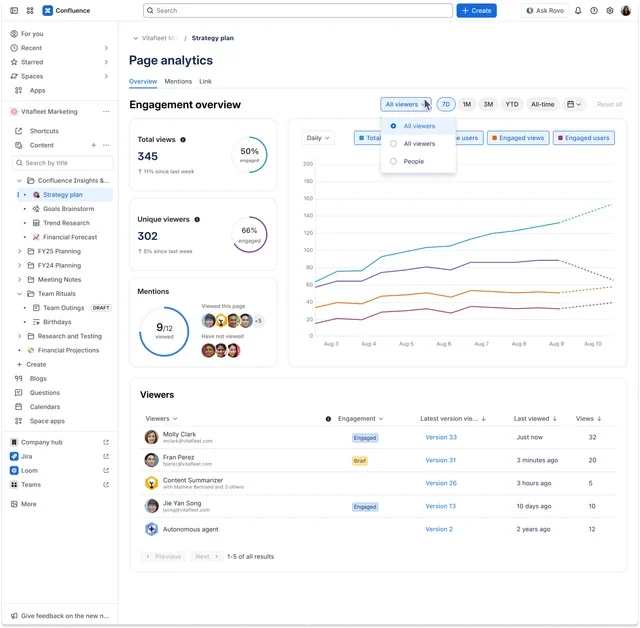
Atlassian has announced a significant expansion of its AI-driven agentic workflows within Confluence, introducing new capabilities that allow autonomous agents to interact with team content as active collaborators. By leveraging the Atlassian Rovo Model Context Protocol (MCP), these agents are no longer confined to the Confluence interface but can now operate across external platforms, including Claude, Cursor, ChatGPT, and various Integrated Development Environments (IDEs). This update marks a transition from agents acting as passive search tools to becoming functional teammates capable of executing complex tasks, managing metadata, and coordinating workflows across the enterprise ecosystem.
The integration of custom agents into Confluence began in May 2024, and the adoption rate has signaled a shift in how enterprise teams manage documentation and project tracking. According to data released by Atlassian, teams are currently running more than 5 million agent invocations per month. The impact on productivity has been measurable; in February alone, these agents were credited with saving Atlassian customers more than 200,000 hours of manual labor. This efficiency is driven by the agents’ ability to handle routine administrative and editorial tasks that previously required human intervention, thereby allowing employees to focus on high-judgment decision-making.
The latest functional updates provide agents with the authority to perform nearly any action a human user can. Beyond the initial capabilities of creating and editing pages, agents can now post comments, apply labels, update page statuses, and generate whiteboards or databases. This level of integration allows for a "grounded" AI experience, where the agent operates directly within the team’s existing content structure. When a user @mentions an agent in the editor or a comment thread, the agent processes the immediate context of the page and acts upon it. Through the Rovo MCP, this functionality extends to external AI models and developer tools, where agents read and write to live Confluence pages in real-time rather than working on static copies or snapshots of the data.
The primary objective of these enhancements is to resolve common bottlenecks in corporate workflows. Atlassian identifies a recurring issue in project management where work "stalls" because a page is waiting for an update, feedback is trapped in unread comments, or critical decisions remain unrecorded. By deploying agents to handle these steps, the pace of work is altered without fundamentally changing the underlying job structure. For example, an agent can be tasked with processing routine feedback or updating a project status while the human owner is in a meeting. This ensures that when the human teammate returns to the task, the preliminary work is completed, and only the aspects requiring human judgment remain.
Trust and governance form the foundation of this expanded agentic framework. Atlassian has designed the system so that agents operate strictly within the permissions assigned to the user who invoked them. An agent cannot surface or interact with content that its human counterpart is not authorized to see. Furthermore, every action taken by an AI agent leaves a transparent trail. Confluence Analytics has been updated to track agents alongside human contributors across page, space, site, and Mission Control views. Administrators and users can toggle views to see which agents have accessed a page and how frequently. If an agent modifies content, it is listed as a contributor, and if it acts on behalf of a specific user, that relationship is clearly documented.
Technical reliability is maintained through a series of safeguards. Every edit made by an agent is reversible via the standard Confluence version history. To prevent data corruption or the accidental overwriting of human work, the system is designed to reject "stale" edits—instances where an agent attempts to update a page that a human teammate has modified in the interim. Additionally, "Space-level instructions" allow teams to establish specific playbooks for AI behavior. This ensures that an agent operating within a marketing space follows different stylistic and procedural guidelines than one operating within an engineering space, despite being the same core agent.
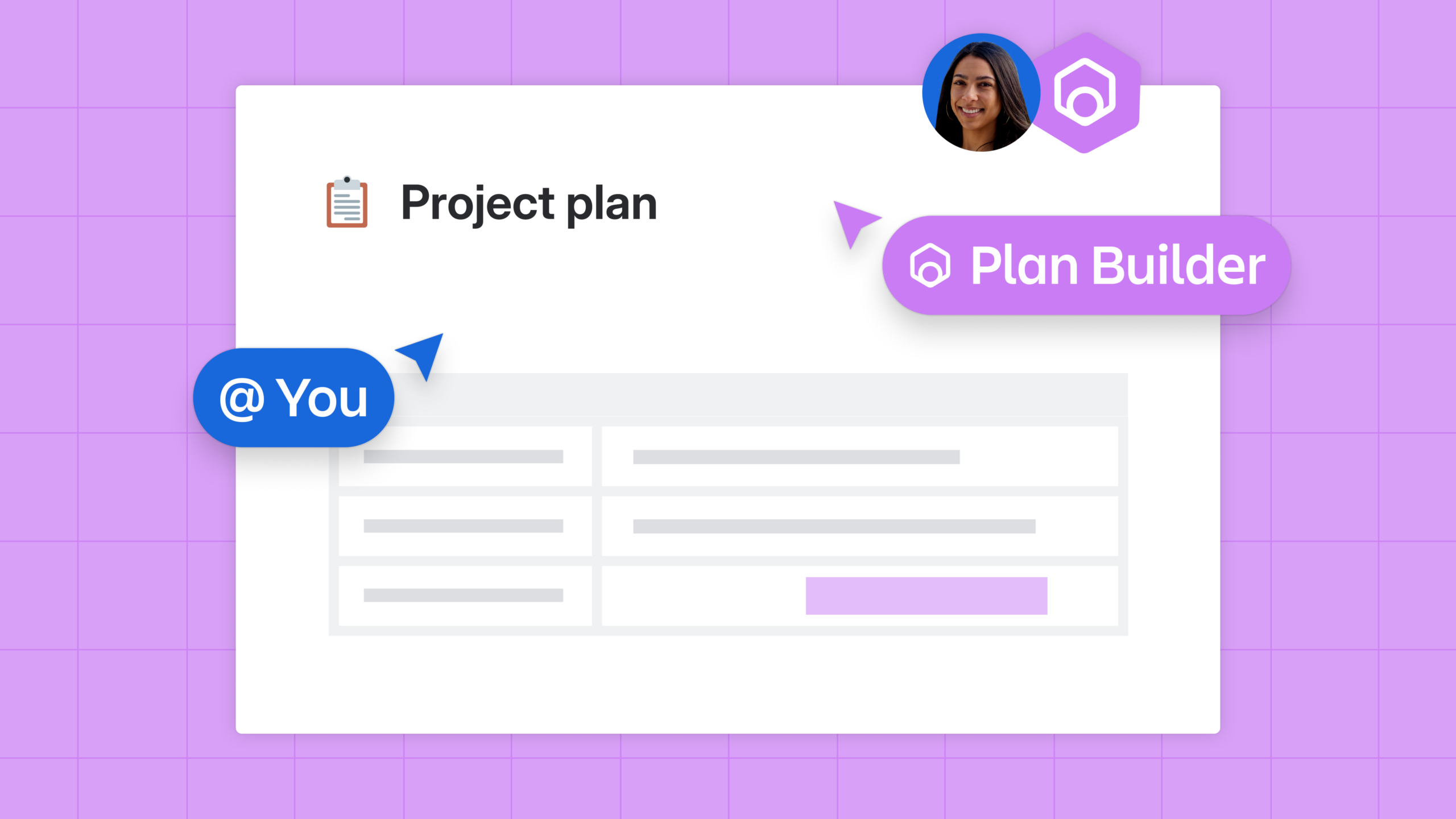
The versatility of these agents is further demonstrated through the variety of ways they can be deployed. Users can create a "Team agent" within Confluence using ready-made templates or build highly specialized versions via Rovo Studio. Rovo Studio is designed as a no-code environment, allowing users to build and publish agents using plain English instructions. For more technical environments, external agents can be connected through the MCP, allowing the same core Confluence actions to be triggered from the command line or third-party AI interfaces.
Early adoption by various global organizations provides a preview of the practical applications for these more capable agents. At Riverty, a "Lessons Learned" agent is used to mine historical data from past projects, ensuring that current teams do not repeat previous mistakes. KFC has implemented an "Architecture Review" agent that automatically checks technical proposals against established documentation standards to ensure compliance before human review. Pythian utilizes a "Progress Tracker" agent that aggregates signals from both Jira and Confluence to draft automated status emails. Meanwhile, Sprout Social has deployed an "Onboarding" agent capable of answering approximately 80% of questions from new hires and automatically generating role-specific onboarding guides.
The technical performance of these agents is significantly enhanced by the Atlassian Teamwork Graph. This proprietary context layer connects work, people, knowledge, and code across the Atlassian suite and integrated third-party tools. By grounding agents in this rich data environment, Atlassian reports a 44% increase in the accuracy of results compared to non-grounded models. Furthermore, the efficiency of the Teamwork Graph allows agents to use 48% fewer tokens, reducing the computational overhead required to complete complex tasks. This efficiency is critical for enterprise-scale deployments where high volumes of data are processed daily.
The capability to "do the work" rather than merely "describe the work" is a central theme of this release. Agents can chain long-form jobs from start to finish. For instance, an agent can be programmed to draft release notes based on a merged pull request, publish those notes to a Confluence page, and then generate and share a public link for stakeholders. This end-to-end automation removes the need for human users to move data between different tools or manually reformat information for different audiences.
In terms of availability, agentic workflows in Confluence are powered by Atlassian Rovo. These features are accessible to customers on Standard, Premium, and Enterprise Cloud plans. The Atlassian Rovo MCP Server is available to all Atlassian Cloud customers, allowing for the integration of Confluence data into external environments like Claude and ChatGPT. Atlassian noted that MCP actions currently run on a preview endpoint as the industry moves toward the full implementation of MCP 2.0.
The expansion of Rovo agents represents Atlassian’s broader strategy to integrate artificial intelligence into the core fabric of team collaboration. By focusing on "live" data interaction and cross-platform compatibility through the Model Context Protocol, the company is positioning Confluence not just as a repository for information, but as an active operating environment where AI agents and humans share the workload. The emphasis on permission-based actions, version control, and clear analytics suggests a focus on making AI adoption palatable for large-scale enterprises that require strict security and accountability. As these tools continue to evolve, the distinction between manual documentation and automated knowledge management is expected to become increasingly blurred, with agents taking over the structural and repetitive elements of project management.