 11

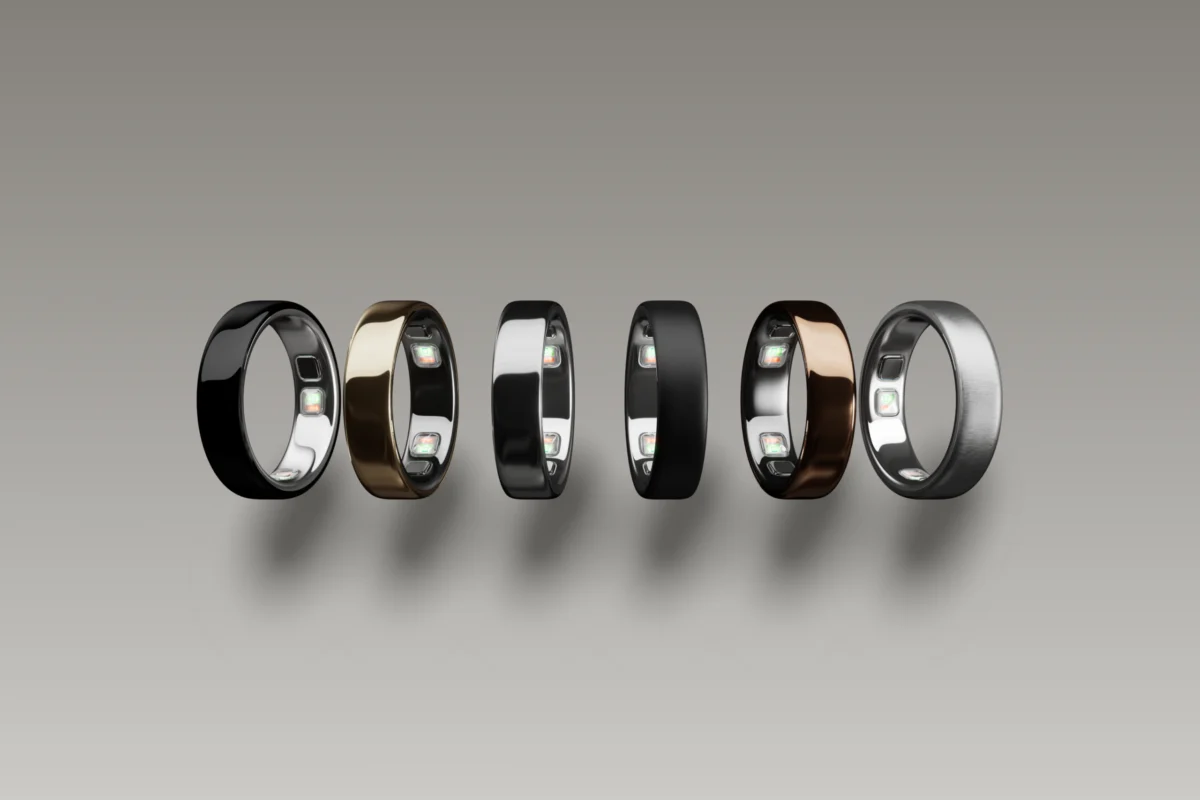
A proposed class action lawsuit has been filed against Oura, the manufacturer of popular smart rings, accusing the company of deceiving consumers regarding the accuracy of its sleep tracking features. The complaint, lodged on Thursday by the Clarkson Law Firm in San Francisco, asserts that Oura rings are fundamentally incapable of measuring the essential physiological signals required to accurately assess sleep quality or determine specific sleep stages. Instead, the lawsuit alleges, these devices rely on artificial intelligence-generated estimates that possess "a coin flip’s chance of being correct," casting significant doubt on the reliability of the data presented to users.
The legal action highlights a long-standing point of contention among Oura users who have frequently voiced their frustrations across various online platforms, including Reddit, concerning the smart ring’s reported sleep accuracy. Numerous individuals have recounted experiences where they felt they had slept poorly, only for their Oura ring to indicate optimal sleep, creating a dissonance between their lived experience and the device’s data. Furthermore, many users have openly questioned the Oura ring’s actual capability to monitor and accurately detect distinct sleep cycles, such as REM and deep sleep, which are crucial indicators of restorative rest.
Central to the lawsuit’s claims is the assertion that Oura capitalized on a significant market demand: consumers’ desire for a wearable tracker that could genuinely track sleep and monitor their sleep cycles with scientific precision. The complaint states, "To capitalize on consumers’ desire for a tracker that could actually track sleep and monitor their sleep cycles, Oura sold expensive tracking rings, priced at $300 and up, advertising exactly that: that Oura rings are capable of seeing what only a hospital sleep lab can see, including the four different stages of sleep." This marketing strategy, according to the lawsuit, positioned the Oura ring as a sophisticated device capable of providing insights traditionally reserved for clinical settings.
The legal document further elaborates on the specific marketing claims made by Oura. It alleges that the company did not merely claim to measure basic metrics like heart rate or temperature, but rather asserted its ability to determine "the exact stage of sleep the wearer is in." The complaint sharply contrasts this claim with the scientific reality, emphasizing that accurately identifying sleep stages "requires electrodes in the scalp and sensors on the eyes, as only a hospital or other clinical setting can do." This method, known as polysomnography (PSG), is the gold standard for sleep analysis, involving the monitoring of brain waves (EEG), eye movements (EOG), muscle activity (EMG), and other physiological parameters.
Despite the alleged physiological limitations, the lawsuit claims that Oura consistently marketed its smart ring using phrases such as "built for accuracy" and promising "unparalleled accuracy." The complaint specifically references instances where Oura allegedly informed customers that its smart rings could achieve 79% accuracy in their measurements. More recently, the company reportedly claimed an even higher standard, advertising 95% sleep-staging accuracy when compared with clinical sleep labs. The lawsuit contends that these claims created a false sense of reliability and scientific validity for a product that, according to the plaintiffs, cannot deliver on such promises.
A fundamental argument presented in the complaint is rooted in basic human physiology: "sleep happens in the brain, not on one’s finger." This statement underscores the plaintiff’s position that a device worn on a finger, while capable of detecting peripheral signals like heart rate variability and blood oxygen, lacks the necessary access to the neurological activity that defines and characterizes the various stages of sleep. Sleep stages, including wakefulness, REM (rapid eye movement), N1, N2, and N3 (deep sleep), are primarily identified by distinct patterns of brain waves, which are typically measured through electroencephalography (EEG) electrodes placed on the scalp. A finger-worn device, by its nature, cannot directly monitor these crucial brain signals.
As of the report, Oura had not immediately responded to TechCrunch’s request for comment regarding the class action lawsuit. This lack of immediate response leaves the company’s perspective on these allegations unaddressed publicly for now.
Ryan Clarkson, co-founder and managing partner at Clarkson Law Firm, issued a statement via an emailed press release, articulating the gravity of the lawsuit’s implications. "When people rely on a device to guide decisions about their health, misinformation cannot be tolerated," Clarkson stated. He emphasized the profound trust consumers place in such devices: "Oura users trust that the numbers on their screen reflect reality. People structure their days, interpret the way they feel, and design their lives around inaccurate figures spit out by these devices." Clarkson concluded by highlighting the potential dangers of such alleged misrepresentation: "Marketing an inaccurate sleep tracker as precise and reliable is dangerous because people believe it – and change their behavior accordingly." This statement underscores the potential for psychological and behavioral impacts when individuals base health-related decisions on faulty data, from altering exercise routines to seeking unnecessary medical advice or dismissing genuine health concerns.
The class action complaint seeks several forms of relief from the court. Primarily, it calls for Oura to cease its alleged deceptive practices by falsely advertising its wearable devices as possessing capabilities that they do not genuinely deliver. Beyond stopping future alleged misrepresentations, the lawsuit also seeks injunctive relief, which would legally compel Oura to prevent any continued misrepresentation of its products. Furthermore, the plaintiffs are seeking restitution for consumers who purchased the Oura products based on these allegedly false claims. Restitution, in this context, would aim to compensate consumers for the financial loss incurred due to purchasing a product under what is argued to be false pretenses.
This legal challenge comes at a time when the wearable technology market is booming, with countless consumers turning to smart devices for insights into their health and well-being. The outcome of this lawsuit could set a significant precedent for how wearable tech companies market their products and the level of scientific accuracy they are expected to uphold, especially when making claims related to complex physiological processes like sleep. The detailed allegations within the complaint, coupled with years of user dissatisfaction, underscore a growing demand for transparency and verifiable accuracy in the rapidly evolving digital health landscape.






