11

The content industry has been significantly disrupted by artificial intelligence, with many proponents promoting AI as a means to replace human marketing teams and agencies. This often led to the perception of AI-generated content as low-effort and mass-produced, tarnishing its reputation before it could mature. This article aims to reset that conversation by exploring how AI can be leveraged not to automate, but to augment human creativity, enabling the creation of content that was previously too difficult, expensive, or impossible. The goal is to position AI as a creative tool, enhancing the content creation process and potentially making it more enjoyable.
One innovative approach is "Vibewriting," which involves steering AI through iterative feedback and rough inputs rather than relying on perfectly engineered prompts. This method allows users to express their ideas with less agonizing over every sentence. The process begins with an AI-generated first draft, which is then treated as a foundation for editing. Users can instruct the AI to refine the writing, adjust structure, or rewrite specific sections, gradually shaping the output to match their vision. Ryan Law, Director of Content Marketing at Ahrefs, described this method as "the most fun I’ve had writing for Ahrefs in ages." Vibewriting can also be applied to other content formats, such as presentation decks. A starting prompt for this method might include: "I want to vibewrite a blog post about [topic]. Here’s my general idea for the article [describe the idea]. I’ve gathered these materials so far [attach anything you’d like the AI to use and reference] and here is the type of article I’m after [link]. Let’s start with the abstract of the article and the outline."
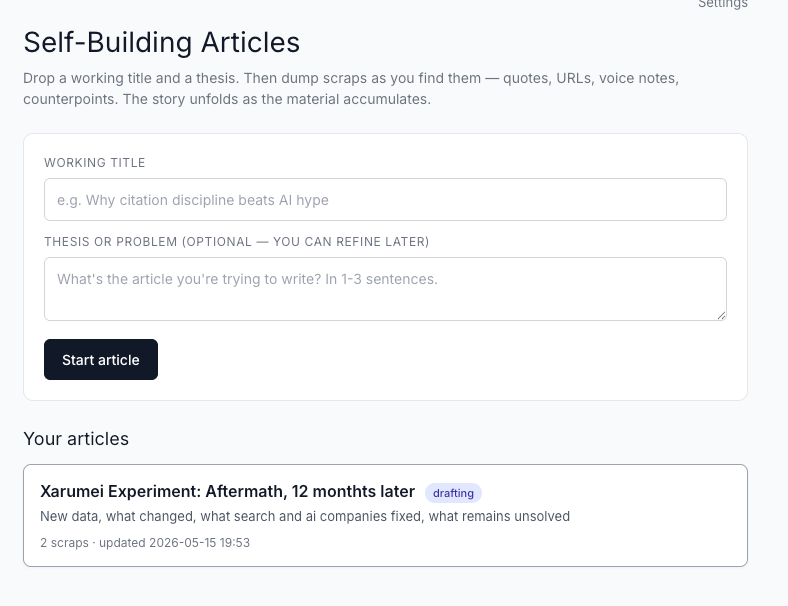
Another technique is the "Living Draft" method, designed for topics that are still evolving and where ideas are emerging over time. Instead of forcing an outline early on, this approach involves keeping a single draft open and continuously adding new information, links, and thoughts. The AI then integrates these additions, allowing the piece to develop organically. This method differs from vibewriting in that it doesn’t start with a predefined destination; instead, the direction emerges as more information is fed into the draft. This workflow has even led to the development of custom applications for documenting evolving topics, such as the continuous documentation of developments in AI perception optimization. The starting prompt for this method is: "Treat this chat as a living draft. Whenever I add new material, integrate it naturally into the article, remove repetition, improve the structure, and point out gaps or contradictions without rewriting my ideas."
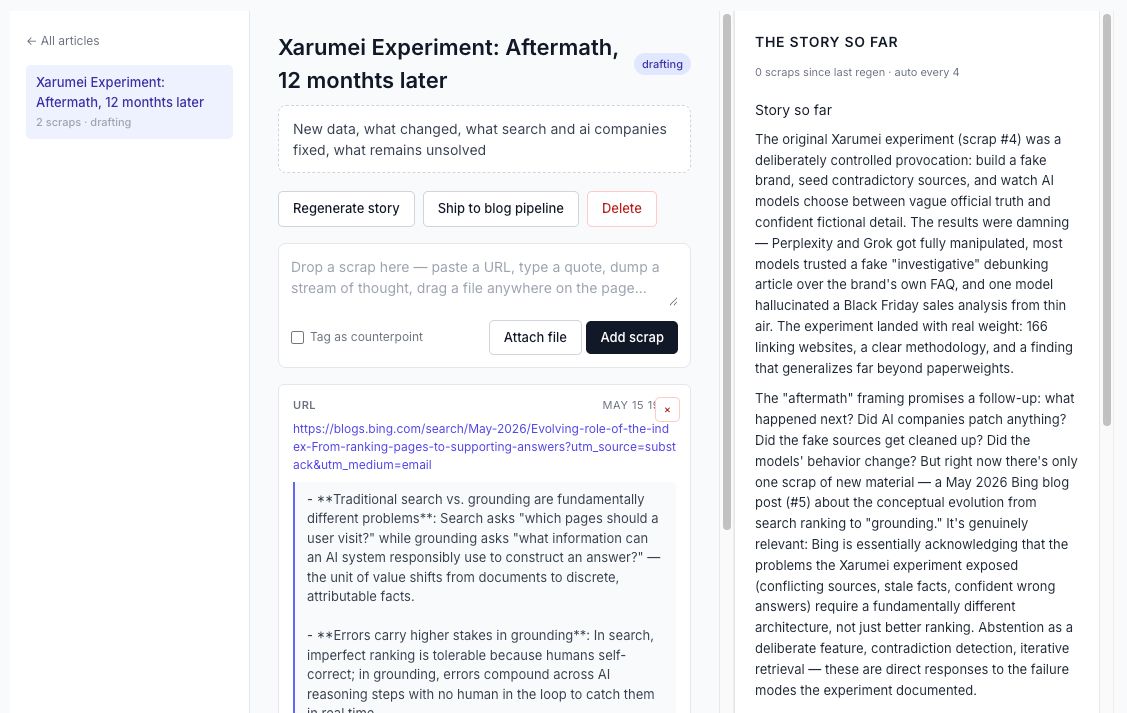
The AI can also serve as an interviewer, particularly for individuals who possess deep knowledge on a subject but struggle to translate it into clear and engaging content for a broader audience. By asking the AI to interview them, users can answer questions as if speaking to another person, with the AI using these answers to build the article. This process helps overcome the "curse of knowledge" by exposing gaps in understanding and encouraging clearer explanations. An example of this method is being used to write up an SEO experiment. The starting prompt for this approach is: "Interview me for an article about [topic]. Ask one question at a time like an experienced journalist. Challenge vague answers, ask for examples, and keep digging until you have enough material. Then turn the conversation into a polished article while preserving my voice."
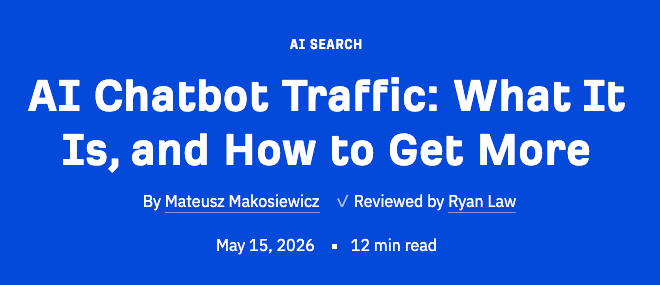
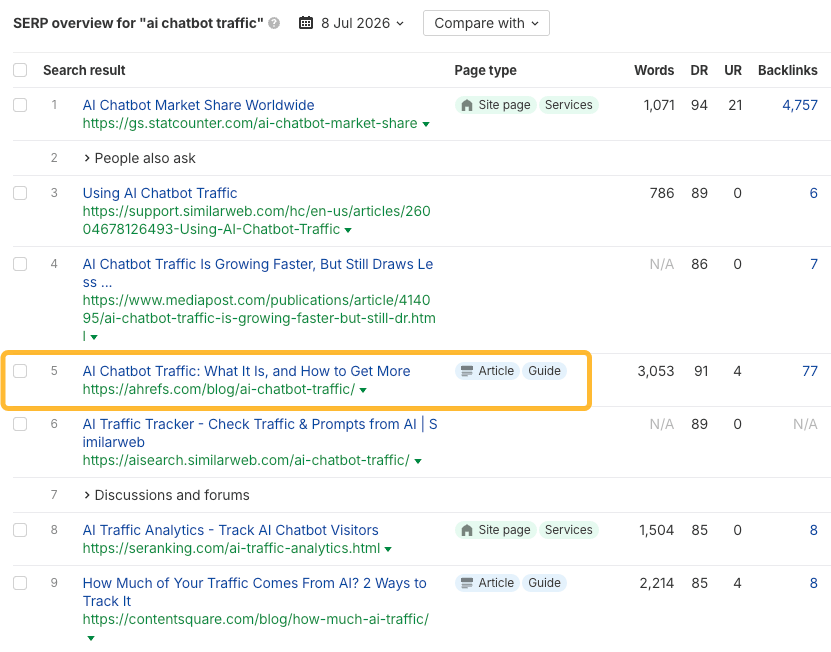
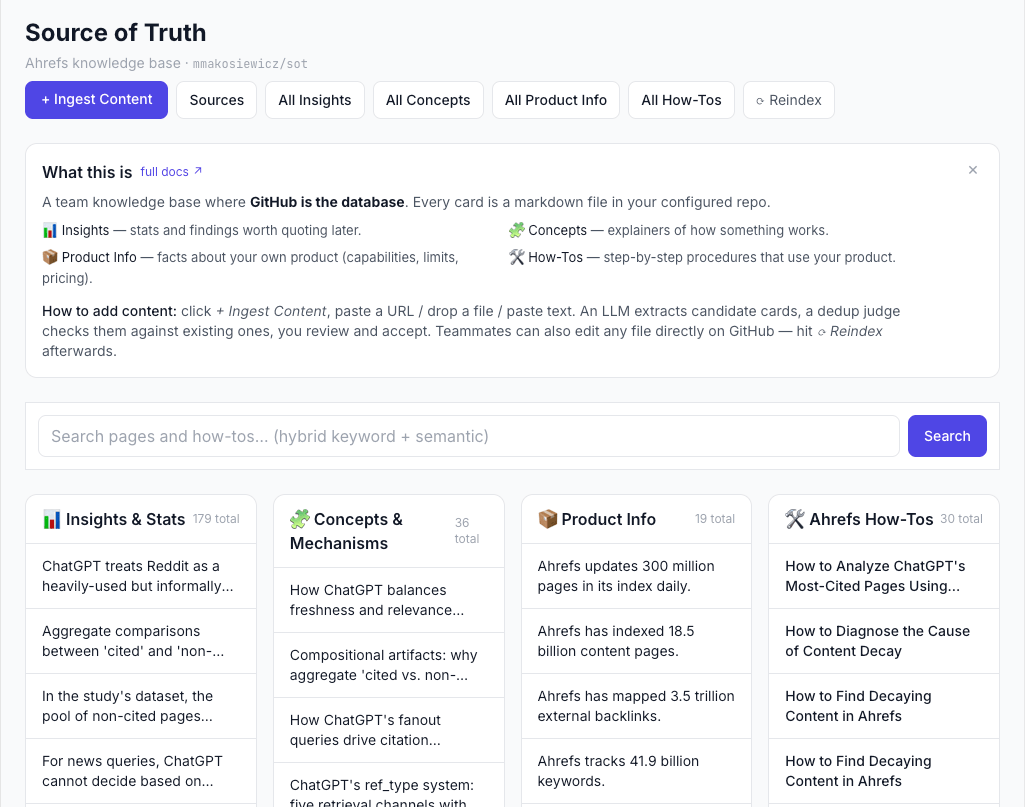
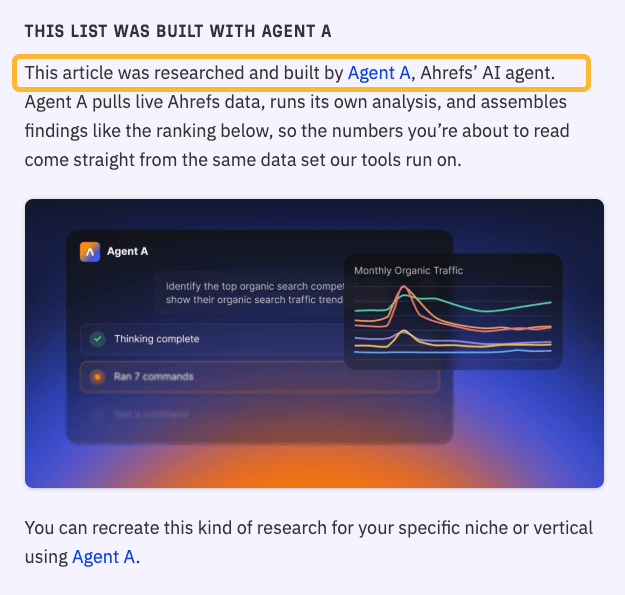
AI can also be utilized to transform existing knowledge bases into new articles. Many questions receive similar answers, even if phrased differently. By pointing AI to existing source documents, it can identify relevant passages, eliminate redundancy, and assemble drafts grounded in established knowledge. A significant portion of an article about AI chatbot traffic, for instance, was compiled from pre-existing information scattered across numerous blog posts. This method relies on a robust "source of truth" repository containing product documentation, how-to guides, and data study insights. The starting prompt for this is: "Search my documentation for everything related to [topic]. Pull together the most relevant information, identify recurring themes, remove overlap, and draft an article that builds on existing knowledge instead of inventing new content."
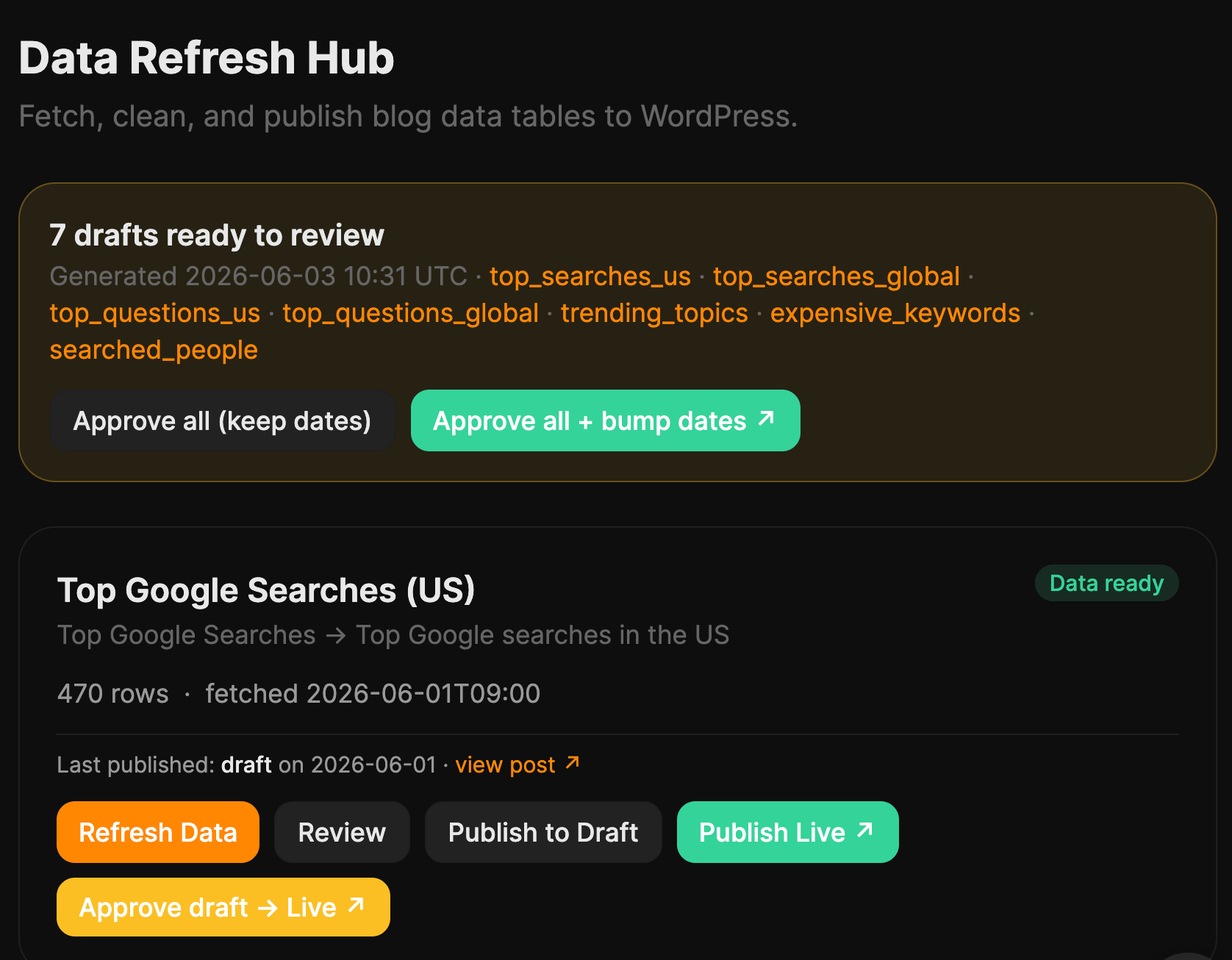
Furthermore, AI can be instrumental in uncovering stories hidden within business data. By feeding AI datasets from product usage, customer behavior, campaign performance, or surveys, it can identify outliers, unexpected patterns, and surprising correlations. The content can then be built around these emergent insights. Tools like Letaido have been developed to facilitate this, connecting to data sources, generating visualizations, and assisting in article writing. A custom Letaido app has even been created to automate the updating of data-driven articles by refreshing numbers and generating updated drafts. The initial prompt for this method involves instructing AI to analyze data as an investigative journalist, looking for specific patterns and proposing article ideas based on its findings, rather than immediately writing an article.
AI can also generate a vast number of content angles, which can then be clustered and expanded. Inspired by an AI model that solved a long-standing geometry problem by exploring dismissed approaches, this technique involves asking AI for numerous ways to think about a topic. This process can surface overlooked angles that human brainstormers might miss. For example, exploring the idea that "brand is content" with AI generated several novel perspectives. The starting prompt for this is: "Give me 100 ways to think about [topic with a brief explanation of how you interpret it]. Cluster similar ideas."
Another powerful application is handing AI a mental model to build an argument. By providing a structured thinking framework, such as the Jobs to Be Done, Theory of Constraints, or first principles, AI can generate articles that explain, diagnose, or argue a point with greater depth and less reliance on simple summarization. This structured approach can lead to detailed reports where the AI challenges its own assumptions and integrates its reasoning into the final draft. The starting prompt involves specifying a mental model, for instance: "Use the Theory of Constraints Logical Thinking Process to analyze [topic]. First, build the appropriate logic tree for this type of article. Identify the visible symptoms, root causes, assumptions, constraints, and likely effects of the proposed solution. Challenge weak causal links before writing. Once the tree is sound, turn it into a clear article with a strong argument."
For repeatable processes, a gated pipeline approach can ensure consistent quality. Instead of a single, complex prompt, AI tasks are broken down into sequential stages—research, sourcing, outlining, drafting, verification, and formatting—with human approval points at each gate. This prevents mistakes from compounding and allows for team-wide consistency. An example of this is an app built using Letaido that guides a topic through multiple AI-assisted stages, requiring user review before proceeding. The starting prompt outlines the desired pipeline structure, keyword inputs, and specific stages for content creation.
Real customer support questions can also inform documentation strategy. By analyzing support tickets, chat logs, and call transcripts, AI can identify recurring questions, group them into themes, and compare them against existing content to pinpoint gaps. This ensures that documentation addresses actual customer needs. Tools like Intercom, combined with AI, can analyze conversations to reveal untapped topics and even generate draft answers. A crucial tip for this method is to have AI show the raw data first and explain what it’s seeing, rather than asking for immediate interpretations, to mitigate potential hallucinations. Prompts are designed to first analyze conversations and group themes, followed by a prompt to compare these themes against existing documentation and suggest new content opportunities.
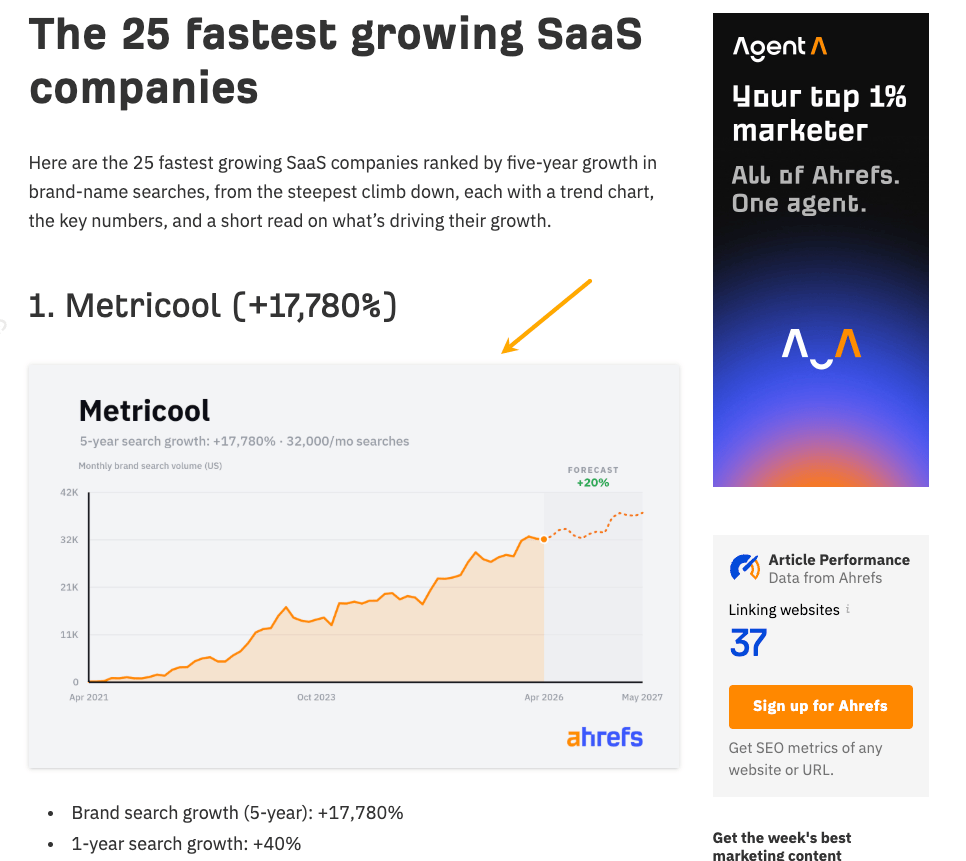
Finally, AI can automate the process of keeping product marketing content and product documentation current. As products evolve, documentation and marketing materials quickly become outdated. AI, when provided with a list of pages to maintain and sources for updates, can monitor changes and propose or even automatically implement updates. Systems built with tools like Claude Code and Firehose can continuously monitor the web for changes in competitor pricing or product updates, with a human approval step before any edits are made. This workflow automates the often tedious task of content maintenance, ensuring accuracy for both SEO and user experience. The process is typically detailed in articles that outline the specific workflow and implementation steps.
In conclusion, while AI has been associated with mass-produced, low-quality content, a more nuanced approach reveals its potential as a powerful creative partner. By leveraging AI for tasks like vibewriting, living drafts, AI interviews, knowledge base repurposing, data analysis, idea generation, structured argumentation, pipeline automation, customer insight extraction, and content maintenance, creators can enhance their output and potentially enjoy the process more. The key lies in continued human involvement and contribution, ensuring that AI augments, rather than replaces, human ingenuity in content creation.