 11

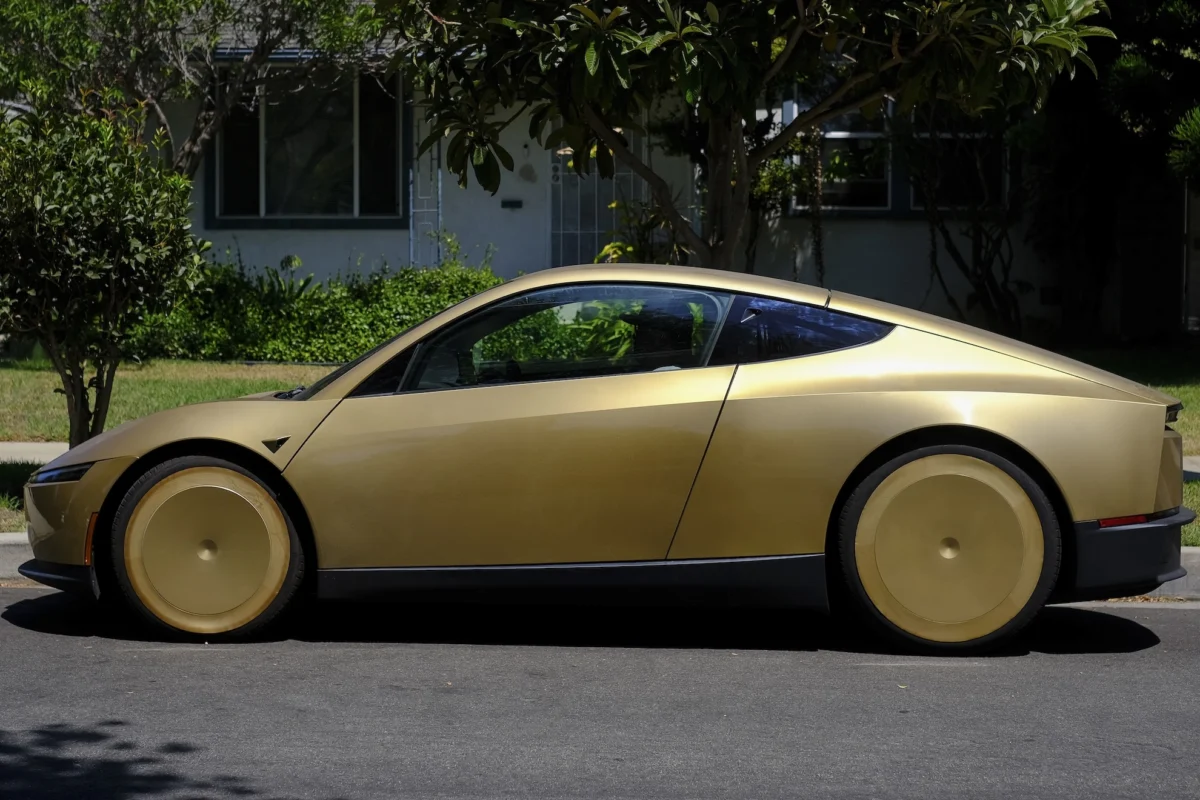
The United States’ leading automotive safety regulator, the National Highway Traffic Safety Administration (NHTSA), has initiated a formal investigation into Tesla’s controversial decision to deploy its brand-new Cybercab on public roads lacking any traditional steering wheel or pedals. The announcement from NHTSA came swiftly on Friday morning, September 4, 2026, mere hours after Tesla commenced the operation of its inaugural Cybercab vehicles on the streets of Austin, Texas, marking a significant escalation in the regulatory scrutiny surrounding autonomous vehicle deployment. This rapid response from federal authorities underscores the gravity of concerns regarding the safety implications of such advanced autonomous technology operating without conventional human override mechanisms.
At the core of NHTSA’s investigation is a fundamental conflict between Tesla’s innovative design and existing federal vehicle safety regulations. Traditionally, Federal Motor Vehicle Safety Standards (FMVSS) explicitly mandate the inclusion of manual controls, such as brake pedals and steering wheels, in vehicles operating on public roadways. These controls serve as essential interfaces for human drivers to maintain command of a vehicle, particularly in unforeseen circumstances or system failures. Tesla’s Cybercab, designed from the ground up as a fully autonomous robotaxi, intentionally omits these manual controls, relying entirely on its advanced self-driving system.
However, the regulatory landscape surrounding autonomous vehicles has been in flux. The Department of Transportation (DOT), under the Trump administration, had previously proposed a significant amendment to these long-standing regulations in June 2026. This proposal aimed to remove the requirements for manual controls in vehicles specifically designed for autonomous operation, a move widely seen as a potential boon for companies like Tesla that are aggressively pursuing fully driverless mobility solutions. While this proposal signaled a future direction for regulations, it is critical to note that at the time of the Cybercab’s launch and NHTSA’s subsequent investigation, these proposed changes had not yet been formally enacted into law or regulation. This creates a complex legal and safety environment where current standards may conflict with future aspirations and technological advancements.
NHTSA confirmed in its public filing that Tesla had informed the agency it had self-certified the Cybercab as compliant with all applicable Federal Motor Vehicle Safety Standards. The process of self-certification is a long-established practice within the automotive industry, where manufacturers themselves are responsible for ensuring their vehicles meet federal safety requirements before bringing them to market. This system places a substantial burden of proof and responsibility on automakers, requiring them to conduct rigorous testing and analysis to demonstrate compliance. For standard vehicles, this process is relatively straightforward, but for a vehicle as revolutionary and unconventional as the Cybercab, particularly one without traditional controls, the self-certification process becomes subject to intense scrutiny.
The agency stated explicitly that its investigation is being launched "to examine the process and technical data on which Tesla relied when certifying the Cybercab and related issues." This indicates that NHTSA is not merely questioning the outcome of Tesla’s self-certification but is delving deep into the methodologies, testing protocols, and data sets that underpinned Tesla’s assertion of compliance. Furthermore, NHTSA will "consider the extent to which the company’s certification depended on determinations that certain federal motor standards are inapplicable to the Cybercab." This phrase is particularly significant, suggesting that Tesla may have argued that certain FMVSS, originally conceived for human-driven vehicles, do not apply to the Cybercab due to its fully autonomous nature. This legal and technical interpretation will be a key focal point of NHTSA’s inquiry, as it challenges the very foundation of existing automotive safety frameworks in the face of disruptive technology.
Tesla’s Cybercab represents a pivotal step in the company’s long-term vision for autonomous mobility. For years, CEO Elon Musk has championed the development of a robotaxi fleet, promising a future where fully self-driving vehicles would offer on-demand transportation services, potentially revolutionizing urban transit. The Cybercab, with its futuristic design and complete absence of driver controls, is the physical embodiment of this ambition. Its deployment in Austin, a city known for its burgeoning tech scene and openness to innovation, was likely intended as a high-profile demonstration of Tesla’s leadership in autonomous technology. However, the immediate regulatory backlash highlights the ongoing tension between rapid technological advancement and the imperative of public safety and established regulatory frameworks.
NHTSA’s involvement is critical given its mandate to save lives, prevent injuries, and reduce vehicle crashes. The agency has a history of scrutinizing advanced driver-assistance systems, including Tesla’s Full Self-Driving (FSD) beta software, previously initiating investigations into incidents involving Tesla vehicles operating with these systems. The Cybercab probe, however, takes this scrutiny to an unprecedented level, as it questions the fundamental design and certification of a vehicle intended for public use without any human oversight capability. The investigation could have far-reaching implications, not only for Tesla but for the entire autonomous vehicle industry. Depending on NHTSA’s findings, it could lead to recalls, significant fines, or even a halt to the Cybercab’s deployment. More broadly, it could force a re-evaluation of how autonomous vehicles are designed, tested, and certified for public roads, potentially accelerating or delaying the broader adoption of driverless technology.
The unfolding situation underscores the complex challenges inherent in regulating cutting-edge technology. While innovators push the boundaries of what’s possible, regulators must ensure that these advancements do not compromise public safety. The outcome of NHTSA’s investigation into Tesla’s Cybercab will undoubtedly set important precedents for how autonomous vehicles without manual controls are integrated into the existing regulatory structure and, ultimately, into our daily lives. This remains a developing story, with further details and potential implications expected to emerge as the investigation progresses.






