 11
11
The influence of ChatGPT on consumer decisions is undeniable, yet its opaque nature presents a significant challenge for brands. Unlike traditional search engines or social media platforms, ChatGPT offers no readily available analytics, impressions data, or search console insights, leaving brands in the dark about their presence and perception within this rapidly growing AI landscape. This guide provides a detailed approach to monitoring brand mentions in ChatGPT, from manual methods to advanced tools, and outlines actionable strategies for leveraging the findings.
The Critical Need for ChatGPT Brand Mention Monitoring
The absence of performance data from ChatGPT is a critical issue. Millions of users rely on the AI for product research, comparisons, and purchasing decisions. However, unlike Google, where brands can track rankings and optimize for search visibility, or social platforms that offer engagement metrics, ChatGPT operates without a discernible results page or built-in analytics. This lack of transparency means brands cannot directly gauge their visibility or understand how their products and services are being presented.
Furthermore, ChatGPT interactions differ significantly from social listening. While social media conversations are public and allow for direct engagement, ChatGPT conversations occur privately, with the AI synthesizing information from its training data and live sources. A brand’s mention in a ChatGPT response hinges on its presence and prominence within the data the AI accesses. Consequently, a unique strategy is required to monitor and manage this emerging aspect of brand visibility.
Defining Brand Mentions in the ChatGPT Context
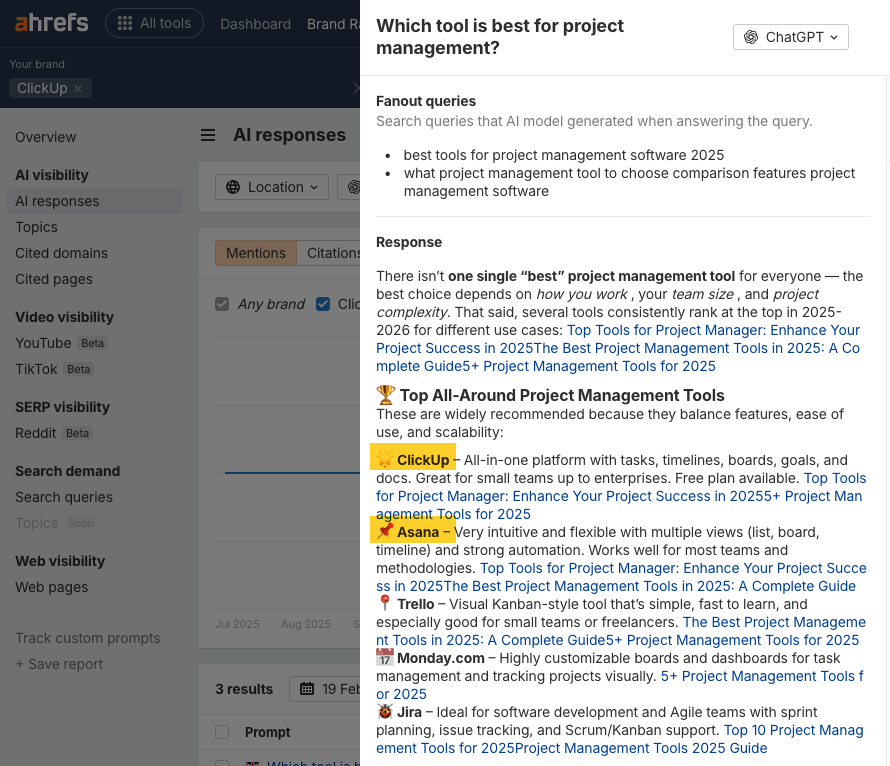
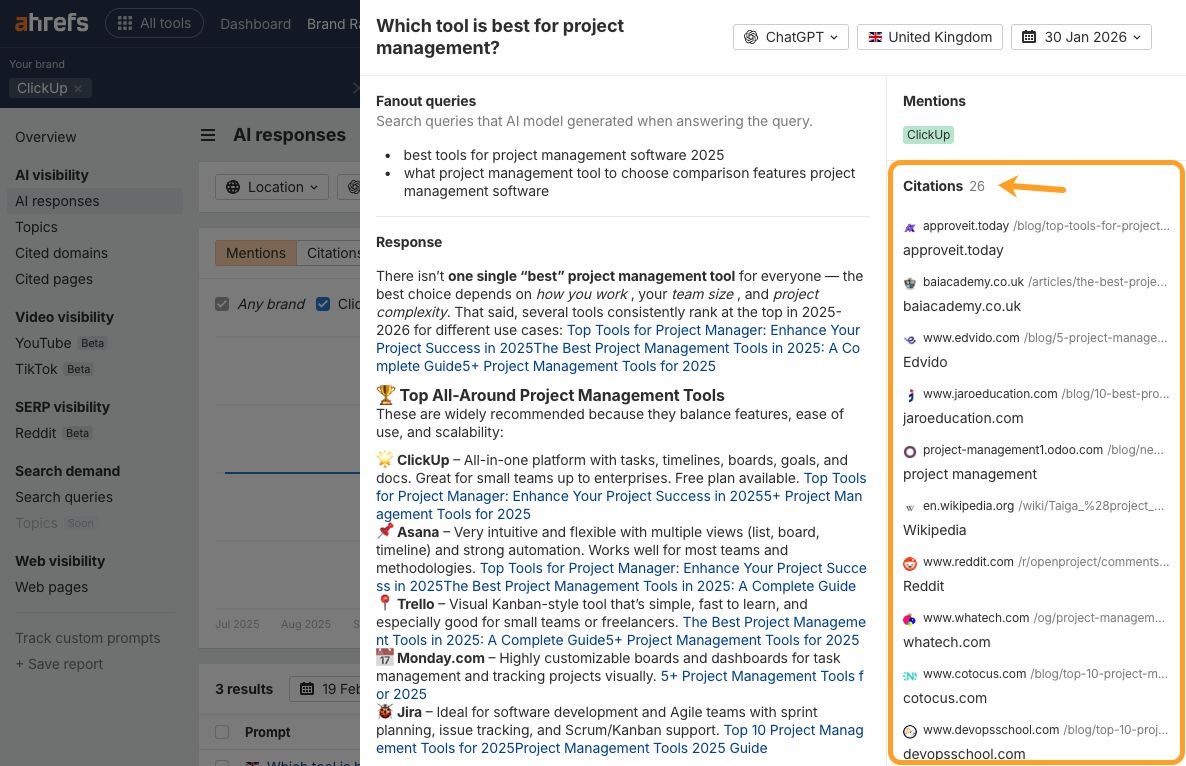
A brand mention in ChatGPT occurs when a brand’s name appears directly within the AI’s generated response to a user’s query. For example, if a user asks, "What are the best project management tools?" and ChatGPT lists "ClickUp and Asana" as common options, these are considered inline brand mentions.
These mentions are derived from two primary sources: ChatGPT’s extensive training data and real-time information retrieved through a process called Retrieval Augmented Generation (RAG). RAG enables AI models to actively search external sources like Google and Bing to provide current and relevant answers. Therefore, a strong presence in authoritative industry content, comparison articles, and review platforms significantly increases the likelihood of a brand being mentioned by ChatGPT.
It is crucial to distinguish between brand mentions and citations. While ChatGPT often cites its sources to support its answers, these citations are not synonymous with direct brand mentions. The strategy for improving inline brand mentions focuses on enhancing a brand’s footprint in third-party content that influences LLM training data and industry comparisons. Conversely, improving citations involves traditional SEO practices, such as maintaining updated, crawlable content and publishing clear, authoritative resources that highlight key insights.
Manual Auditing: The Free Starting Point
The most accessible method for assessing ChatGPT brand presence is a manual audit. This involves directly querying ChatGPT. To ensure unbiased results, it is imperative to log out of any ChatGPT accounts and use incognito browsing mode. This prevents personalized responses based on past interactions or saved preferences.
Effective manual auditing requires strategic prompting. Brands should ask questions that are relevant to their category and competitive landscape. Example prompt structures include:
Following the DEJAN methodology, which involves repeating queries with web search both enabled and disabled, can provide deeper insights. Disabling search reveals ChatGPT’s reliance on its core training data, while enabling it incorporates real-time information. This distinction helps identify whether issues stem from broader branding gaps in training data or content-related problems in RAG data. For instance, a brand might not be recognized as an "AI visibility tool" without search enabled, but could be identified as such with search active, indicating a need to improve its association with AI topics in core training data.
Systematically documenting the results is key. This includes noting whether the brand is mentioned at all, the accuracy of the description (features, pricing, positioning), the tone of the mention (positive, neutral, negative), and which competitors are mentioned when the brand is absent.
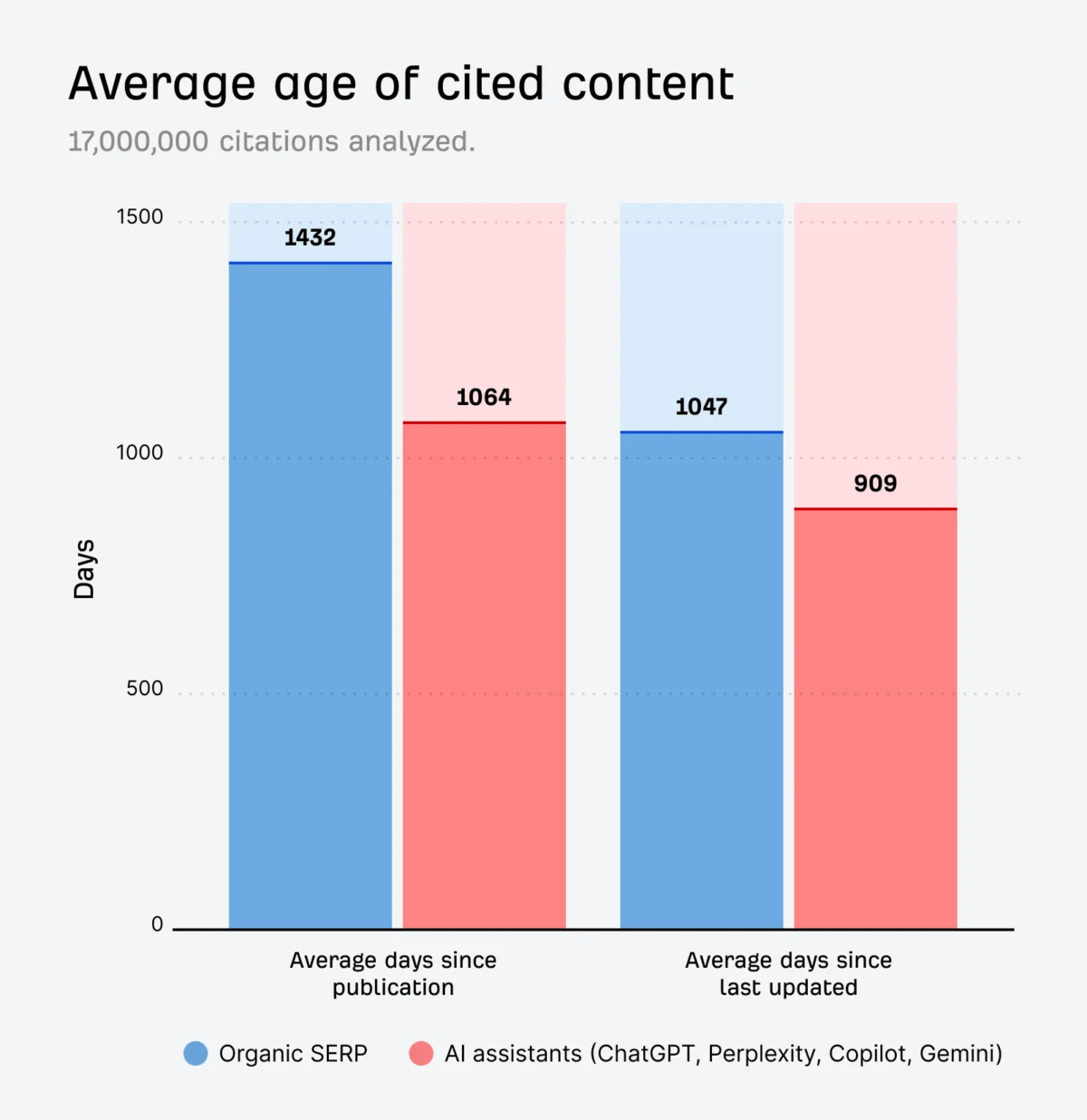
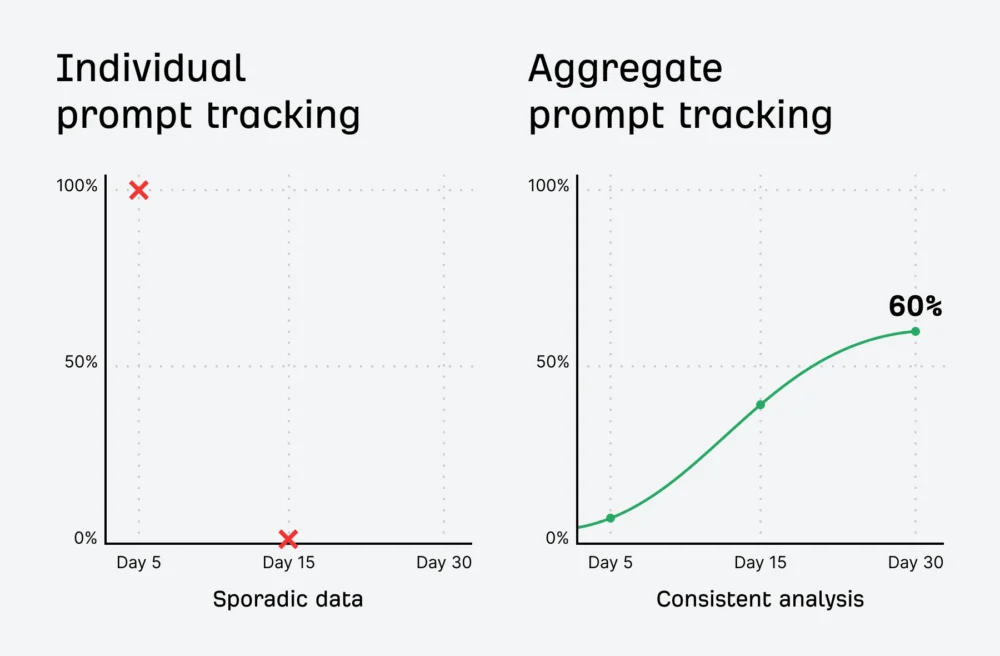
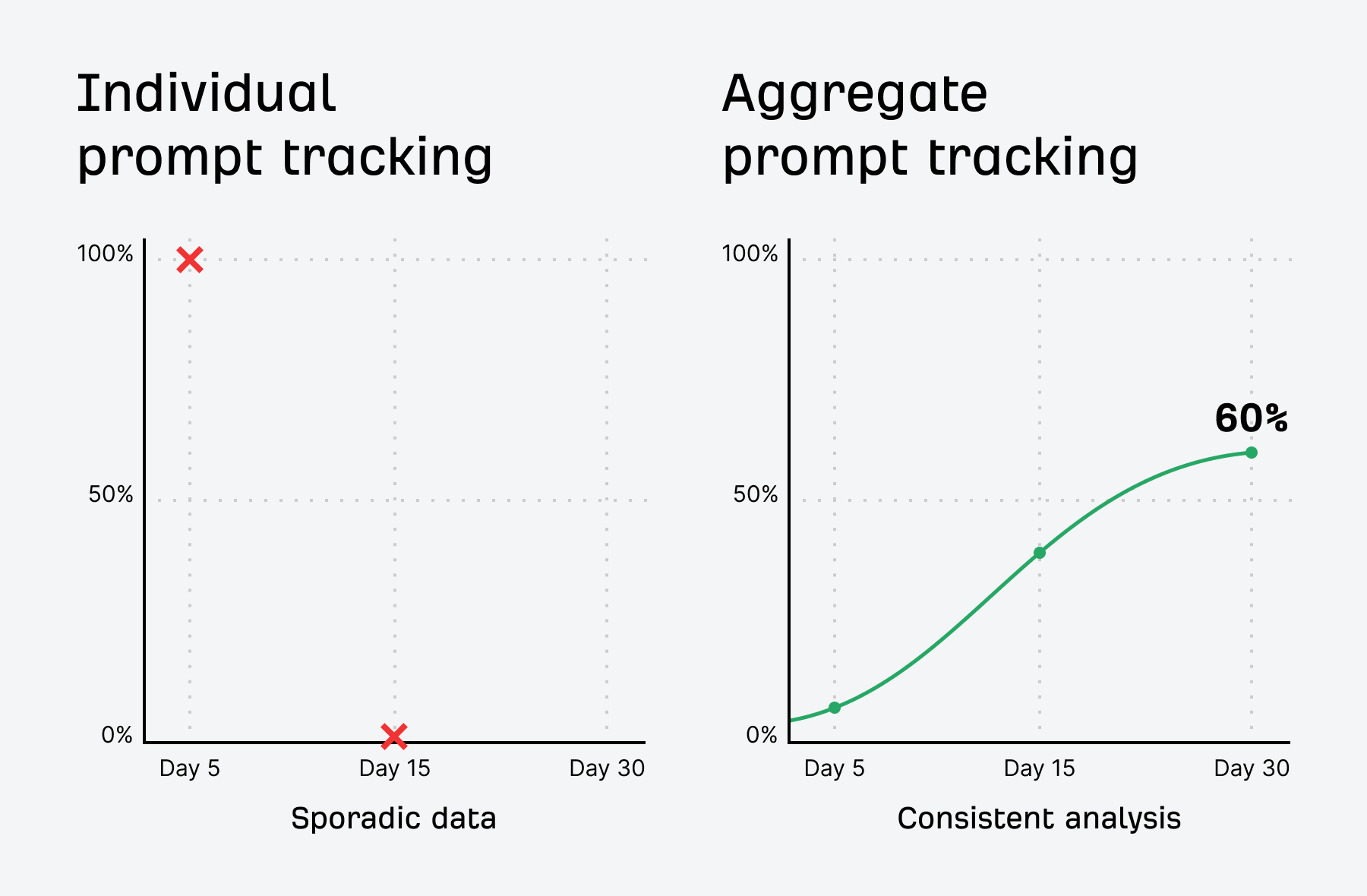
The primary drawback of manual auditing is its lack of scalability. ChatGPT responses are not deterministic; identical prompts can yield different results due to constant flux in mentions and citations. To achieve reliable average mention visibility, a high volume of responses needs to be collected over time. Manual audits are best suited for establishing an initial benchmark, after which automated tools become essential for ongoing, scaled tracking.
Automated Monitoring with Ahrefs Brand Radar
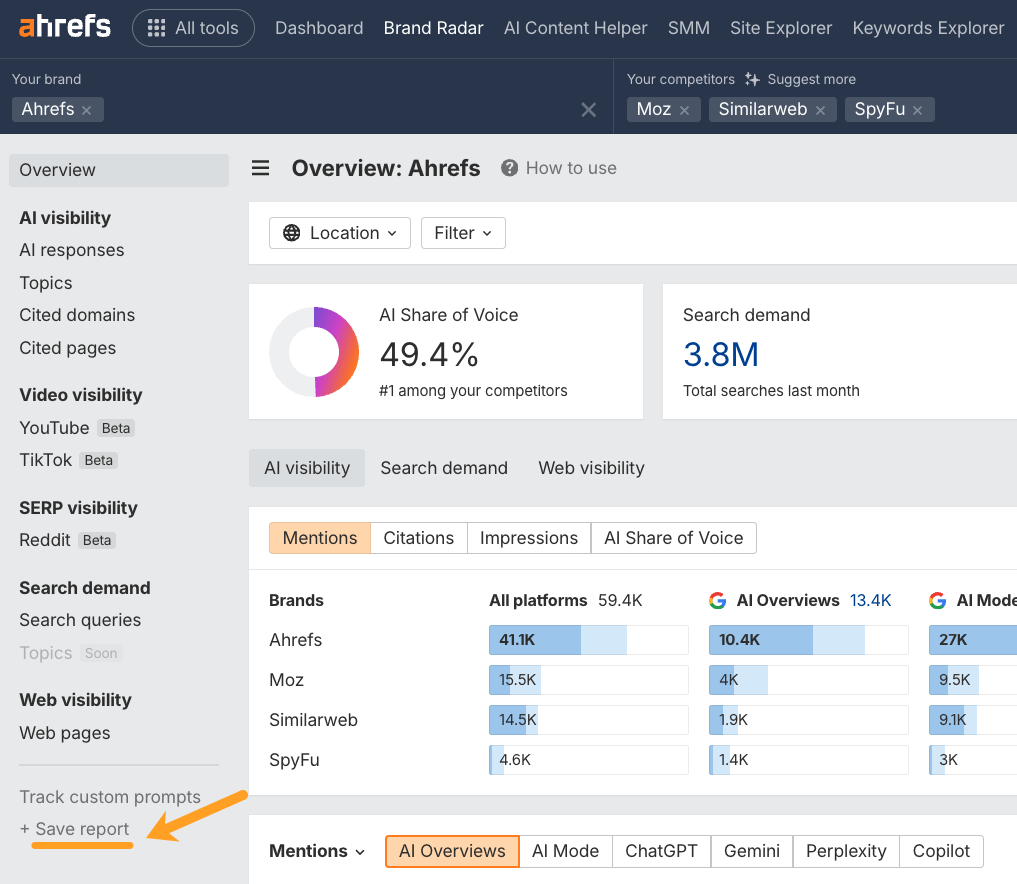
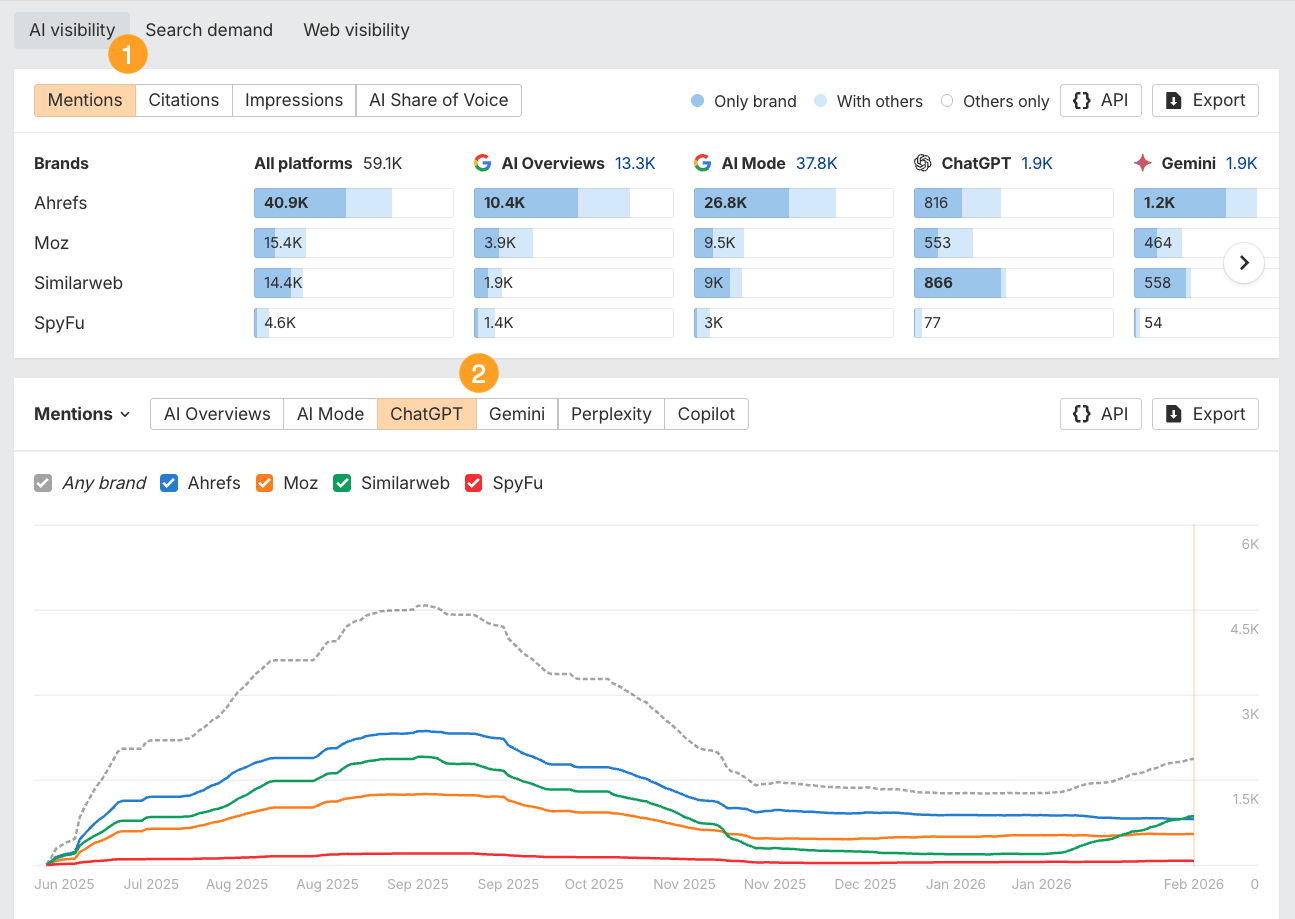
For scaled and continuous monitoring, tools like Ahrefs Brand Radar offer dedicated solutions. The platform allows users to assess their overall brand visibility across various AI indexes, including ChatGPT.
Monitoring Overall Visibility:
Monitoring Specific ChatGPT Mentions with Custom Prompts:
Beyond broad analysis, Brand Radar allows for granular tracking of specific, high-impact ChatGPT mentions. This is crucial for monitoring conversations that directly influence revenue, product perception, or marketing campaigns.
Actionable Strategies Based on Monitoring Data
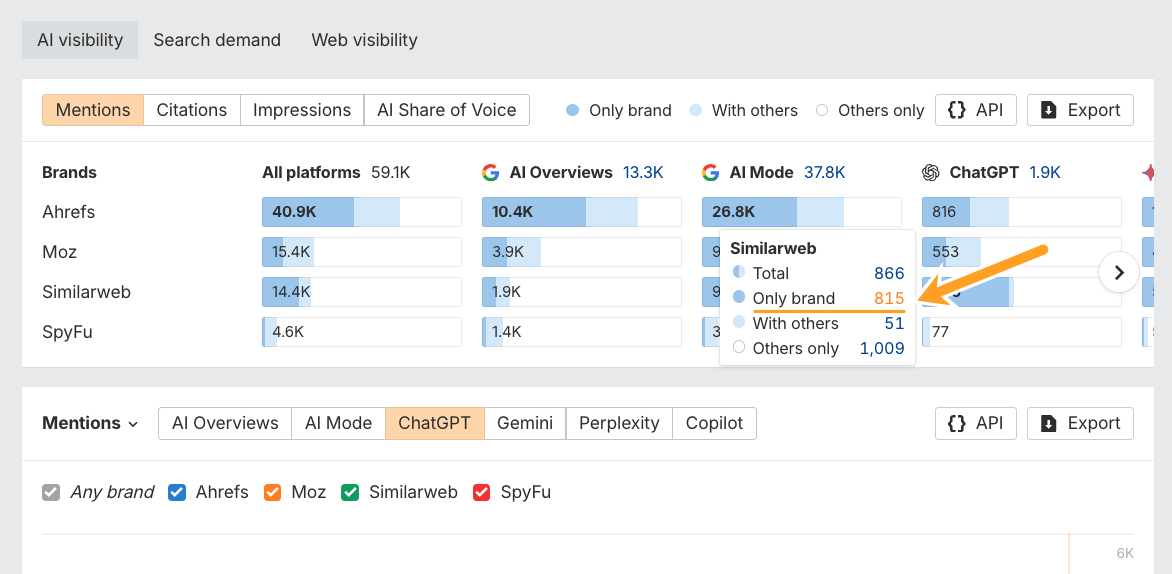
The insights gained from ChatGPT mention monitoring should translate directly into strategic actions:
Zero Mentions: If a brand has no mentions, it indicates a lack of representation in the content sources ChatGPT relies on. Strategies include:
Inaccurate Mentions: Inaccuracies suggest ChatGPT is referencing outdated information. Actions include:
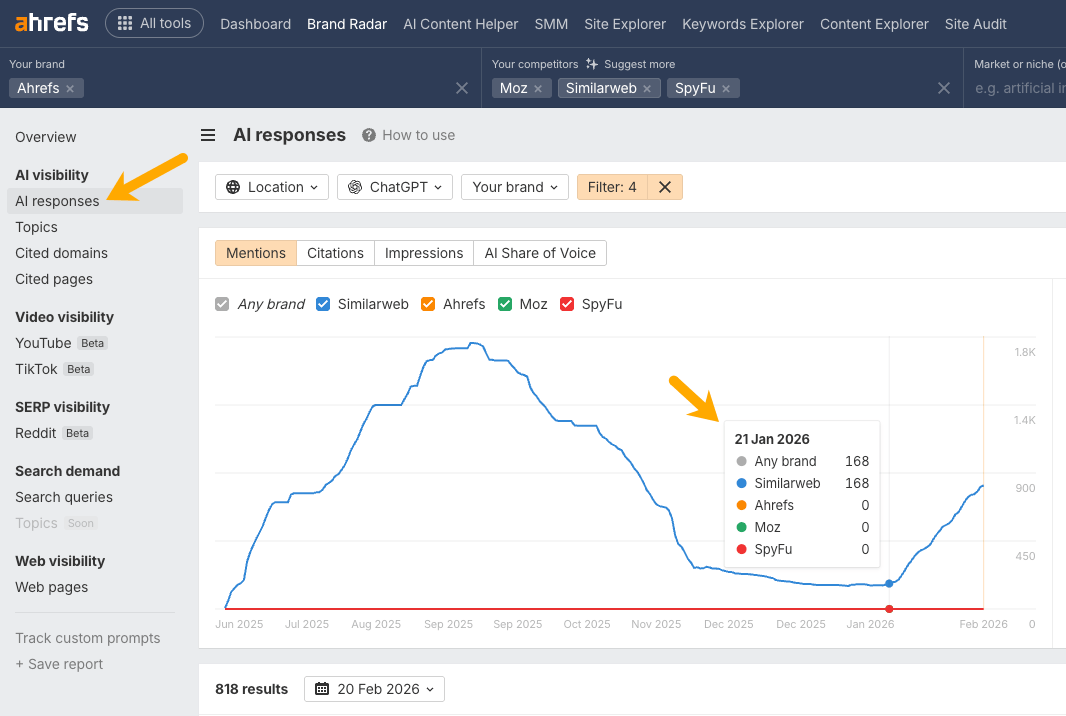
Competitors Outranking Your Brand: To understand why competitors are favored:
General ChatGPT Visibility Improvements: Regardless of the specific scenario, these actions can enhance overall visibility:
Conclusion
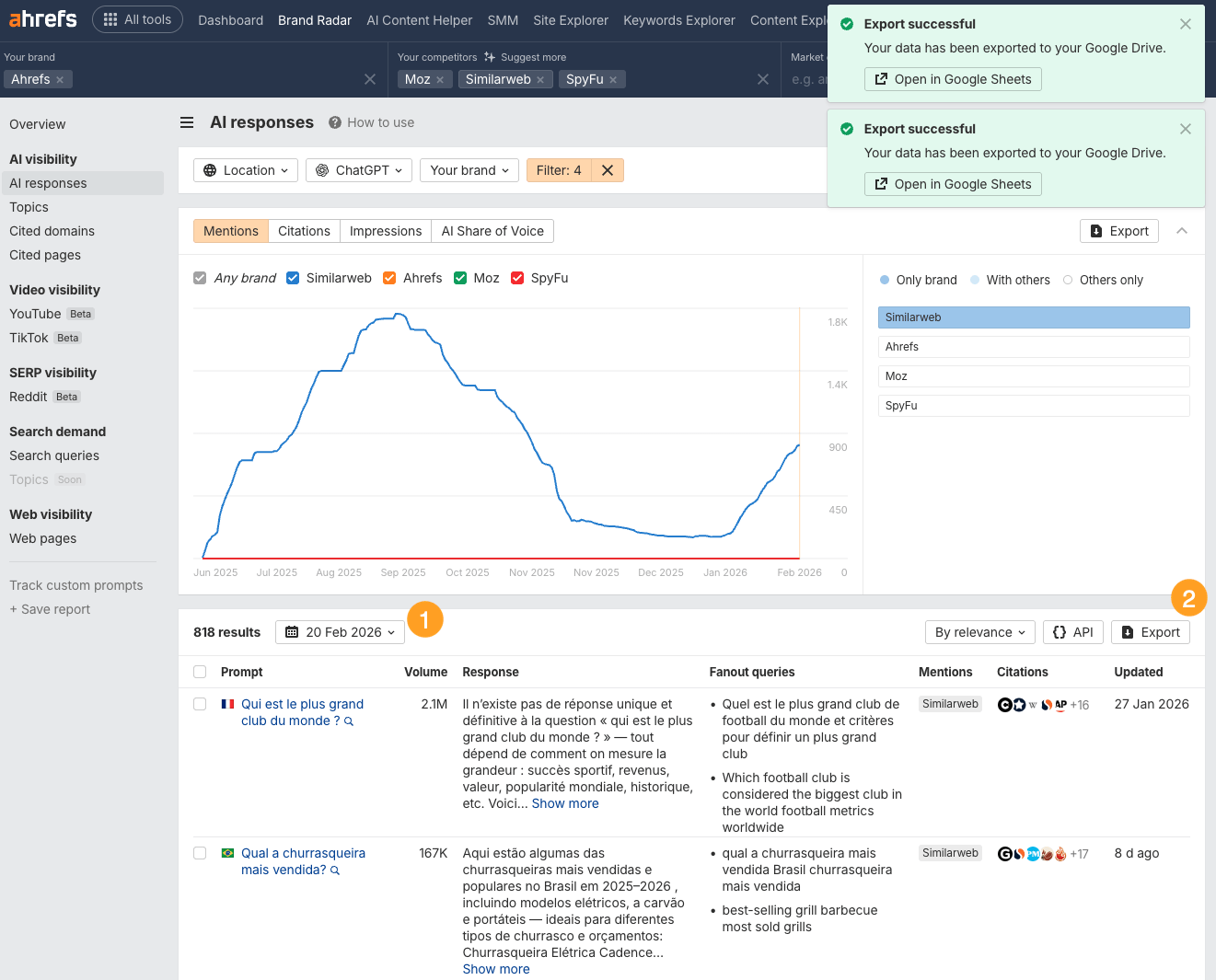
Monitoring brand mentions in ChatGPT is no longer a niche concern but a fundamental aspect of digital brand management. By understanding the unique dynamics of AI-driven information retrieval and leveraging both manual auditing and dedicated tools like Ahrefs Brand Radar, brands can gain crucial insights into their visibility and perception. This data-driven approach empowers businesses to identify and address issues related to awareness, accuracy, and competitive positioning, ultimately ensuring their brand resonates effectively in the evolving landscape of artificial intelligence.