11

AI search is poised to redefine how users discover and interact with brands online, moving beyond traditional click-based metrics to a more holistic understanding of brand perception and reliability. While AI search may not entirely supplant organic traffic, its emergence presents a significant opportunity for businesses to become trusted sources of information that AI assistants can confidently recommend. This shift necessitates a strategic approach, focusing on four key pillars: establishing a reliable source of truth, building external validation, creating resilient content, and measuring overall visibility.
Pillar 1: Establishing a Reliable Source of Truth Through Owned Channels
AI assistants function as new digital salespeople, learning about products and services from the public web. For an AI to accurately describe and confidently recommend a brand, it requires clear, consistent, and up-to-date information across all owned channels. This includes website content, product guides, support documentation, FAQs, and profiles on third-party platforms such as G2, Capterra, LinkedIn, and Crunchbase. When this information is scattered, incomplete, or outdated, AI assistants may fill in the gaps with inaccuracies, leading to misrepresentation of products, incorrect audience targeting, or factual errors.
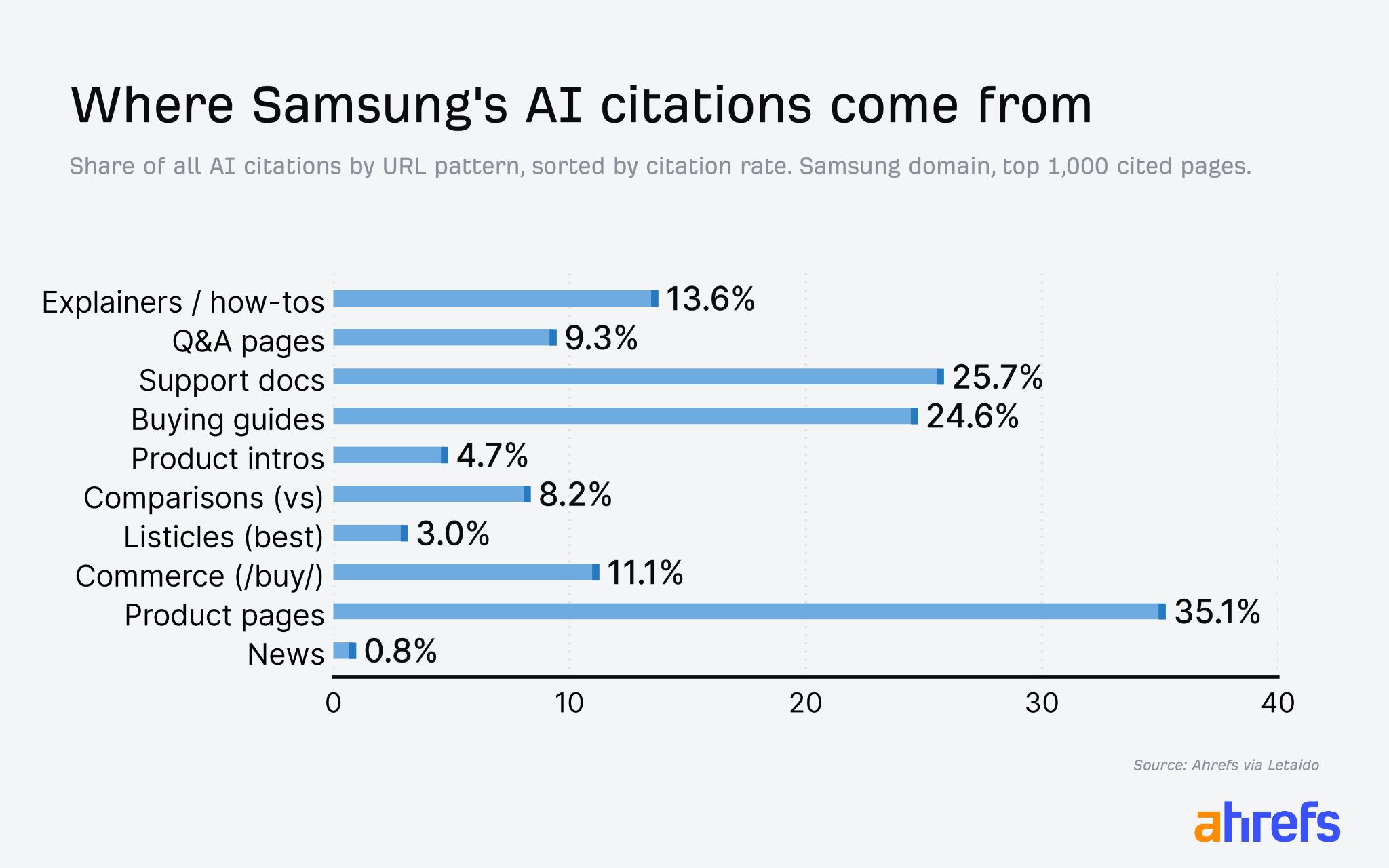
A key distinction between Generative Engine Optimization (GEO) and traditional SEO lies in this principle. While SEO focuses on ranking for specific queries, GEO emphasizes creating authoritative pages that serve as dependable sources of truth for AI systems, even if they don’t rank directly. Brands like Samsung exemplify this by prioritizing content that sales and support representatives would use in customer interactions, such as product guides and support documentation. Consistency across all owned profiles is crucial. Backing up claims with evidence like reviews, certifications, and awards further strengthens AI’s confidence in accurately describing a business.
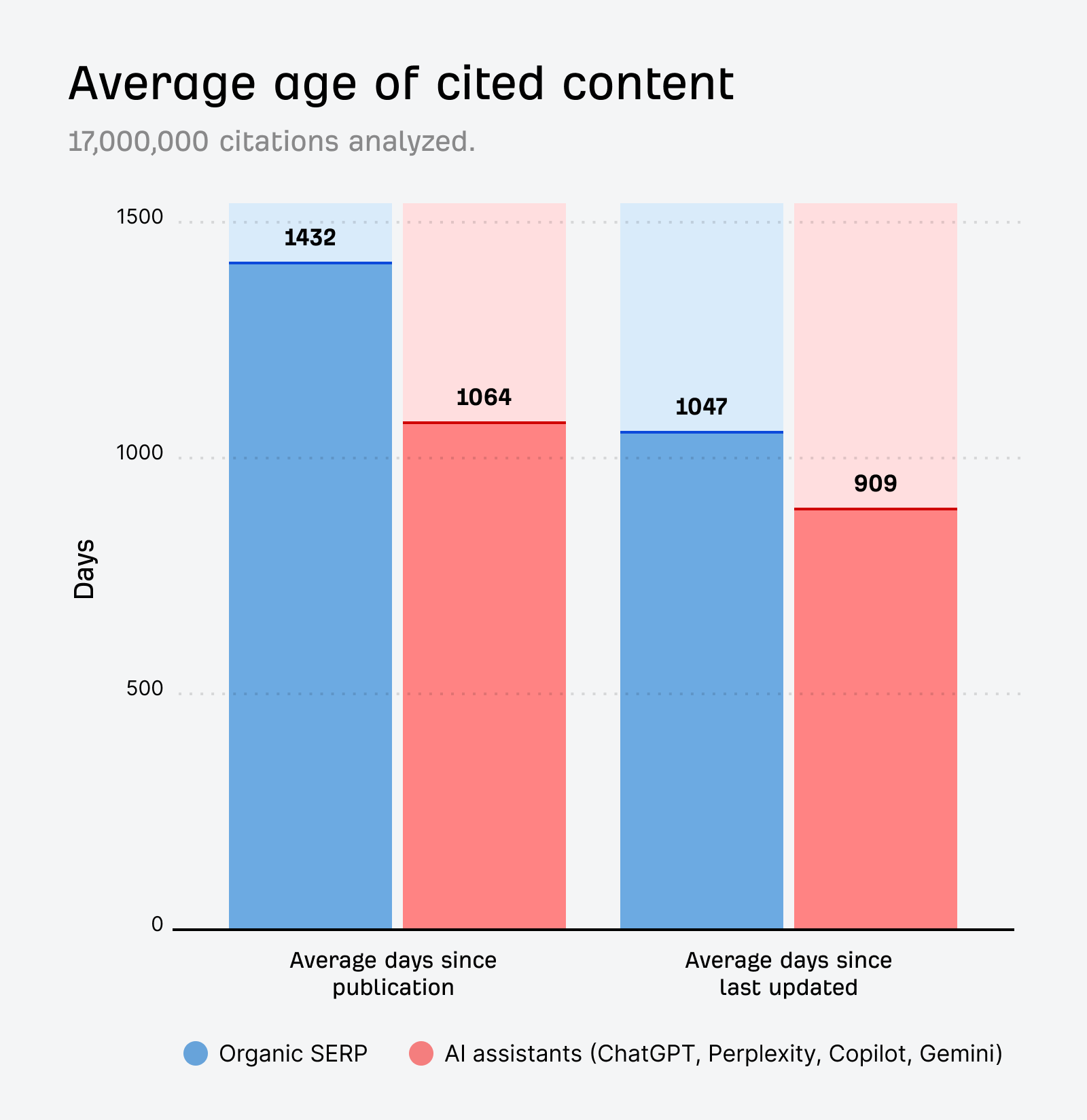
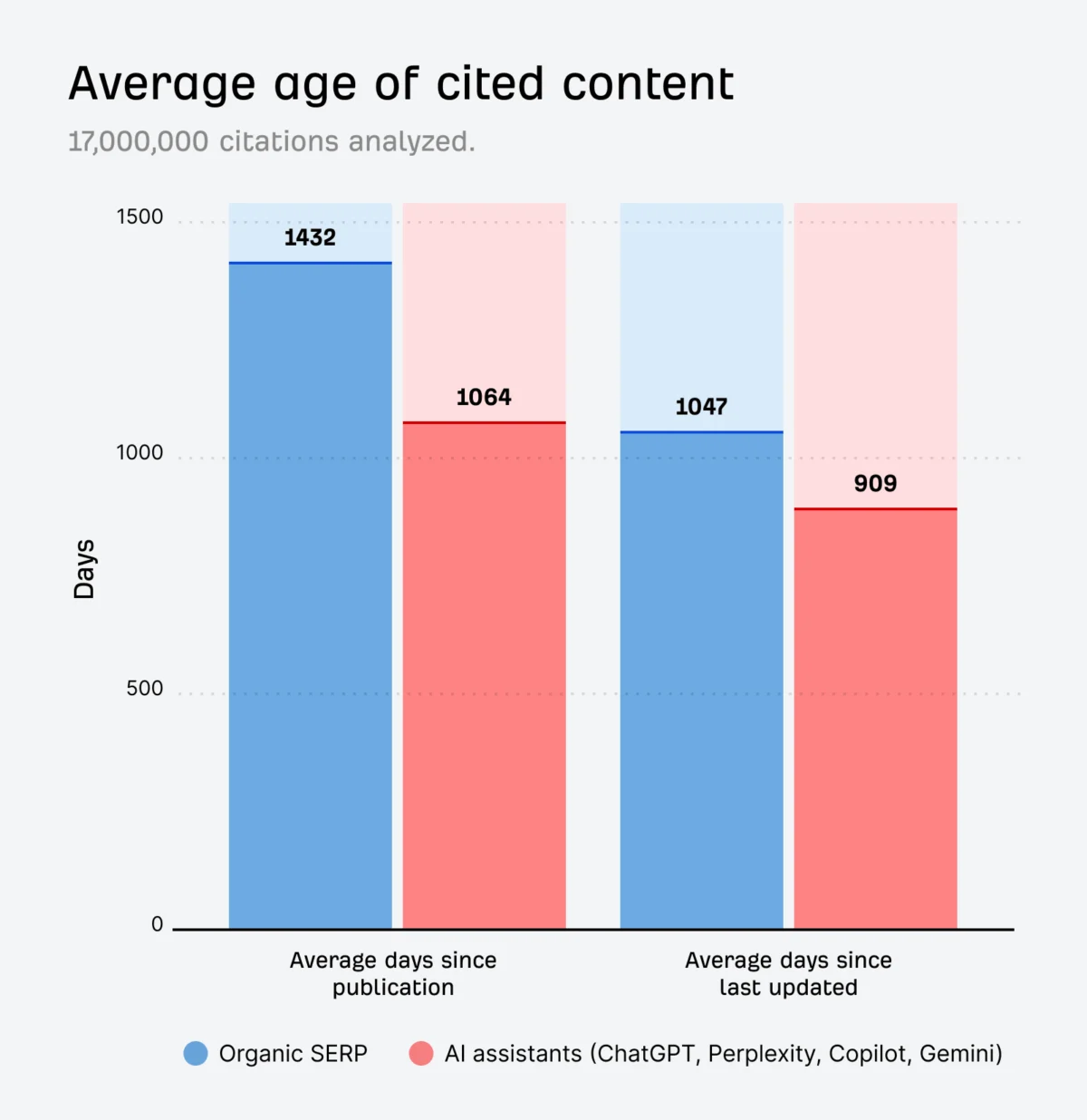
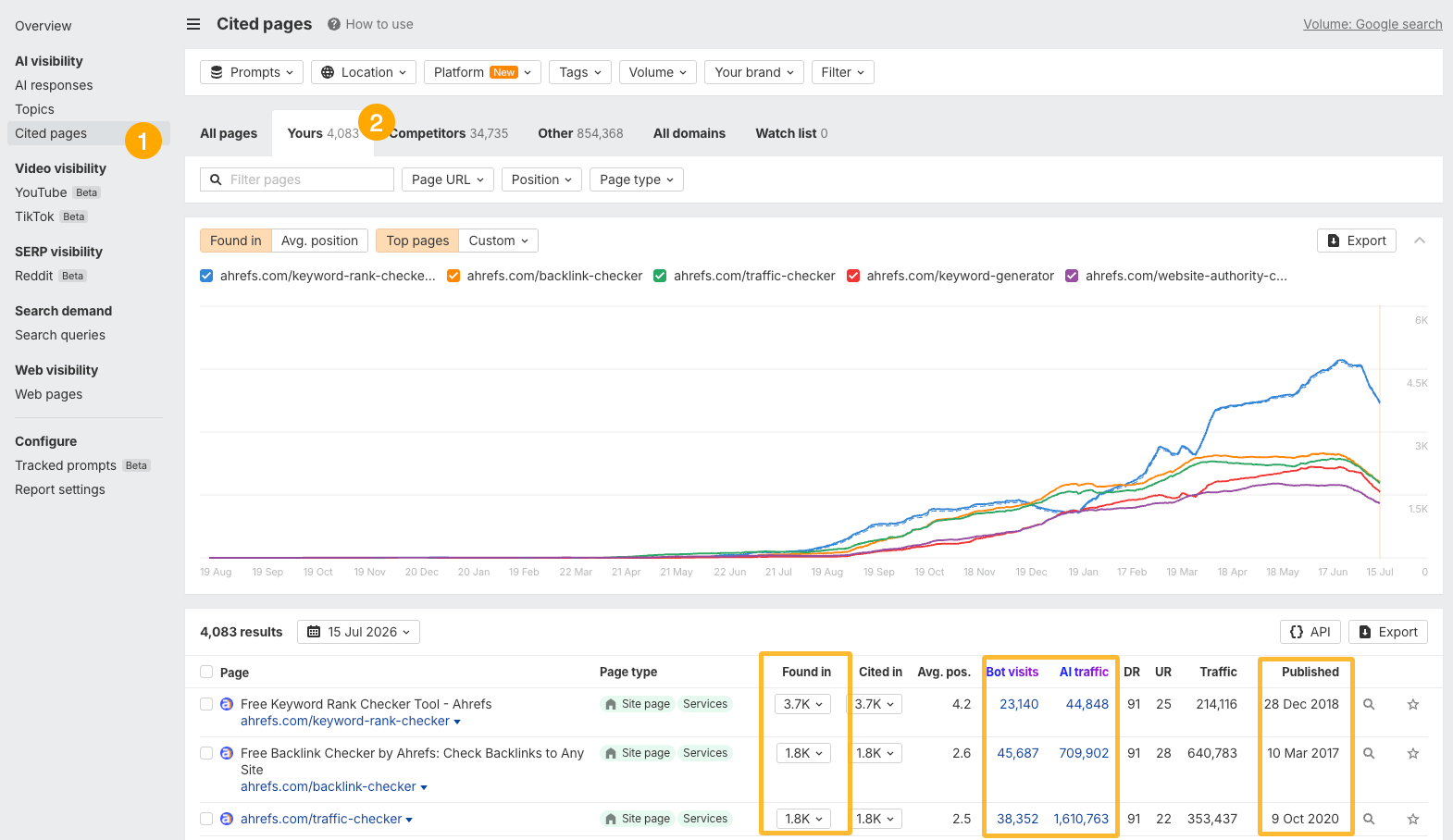
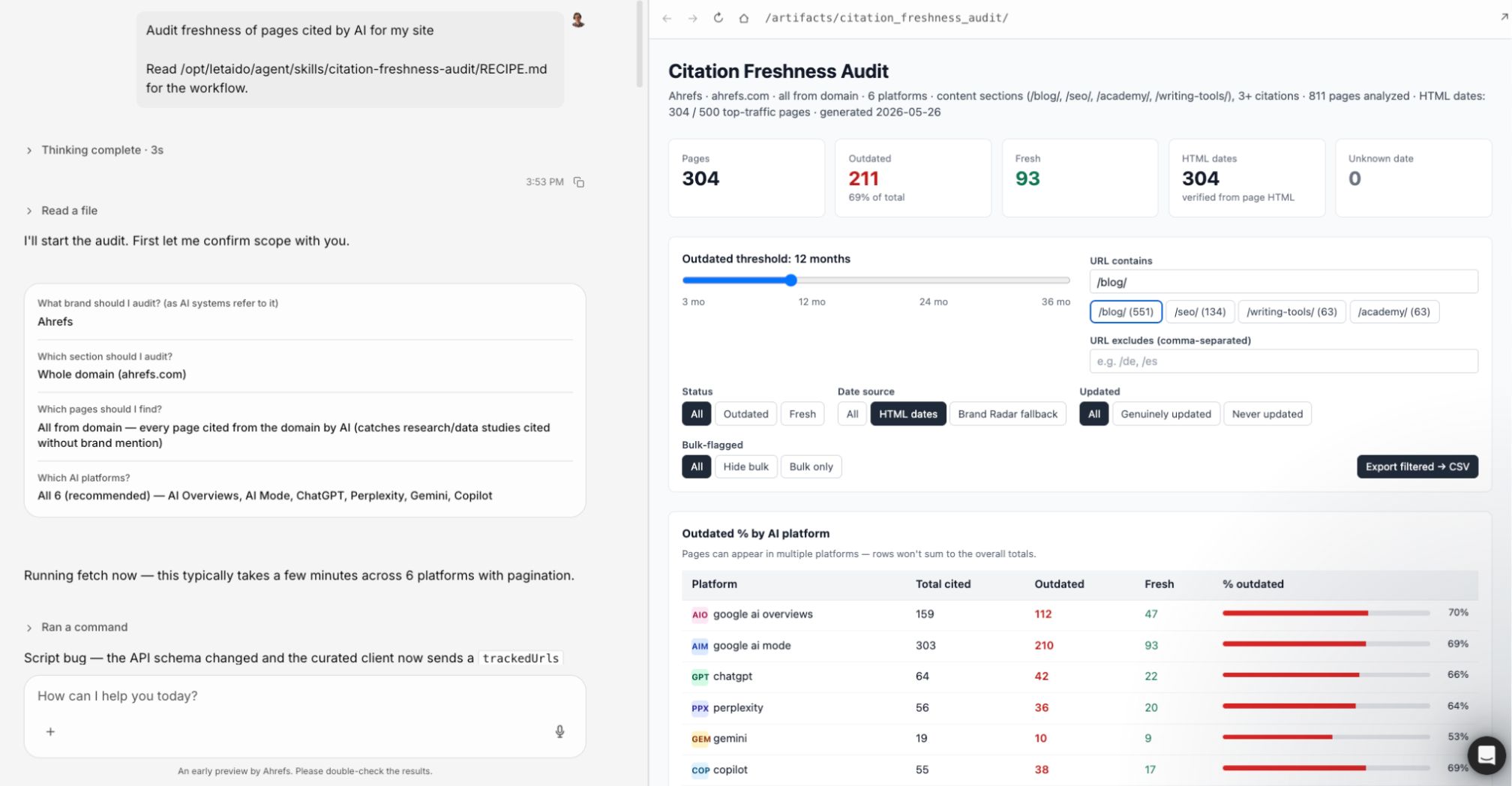
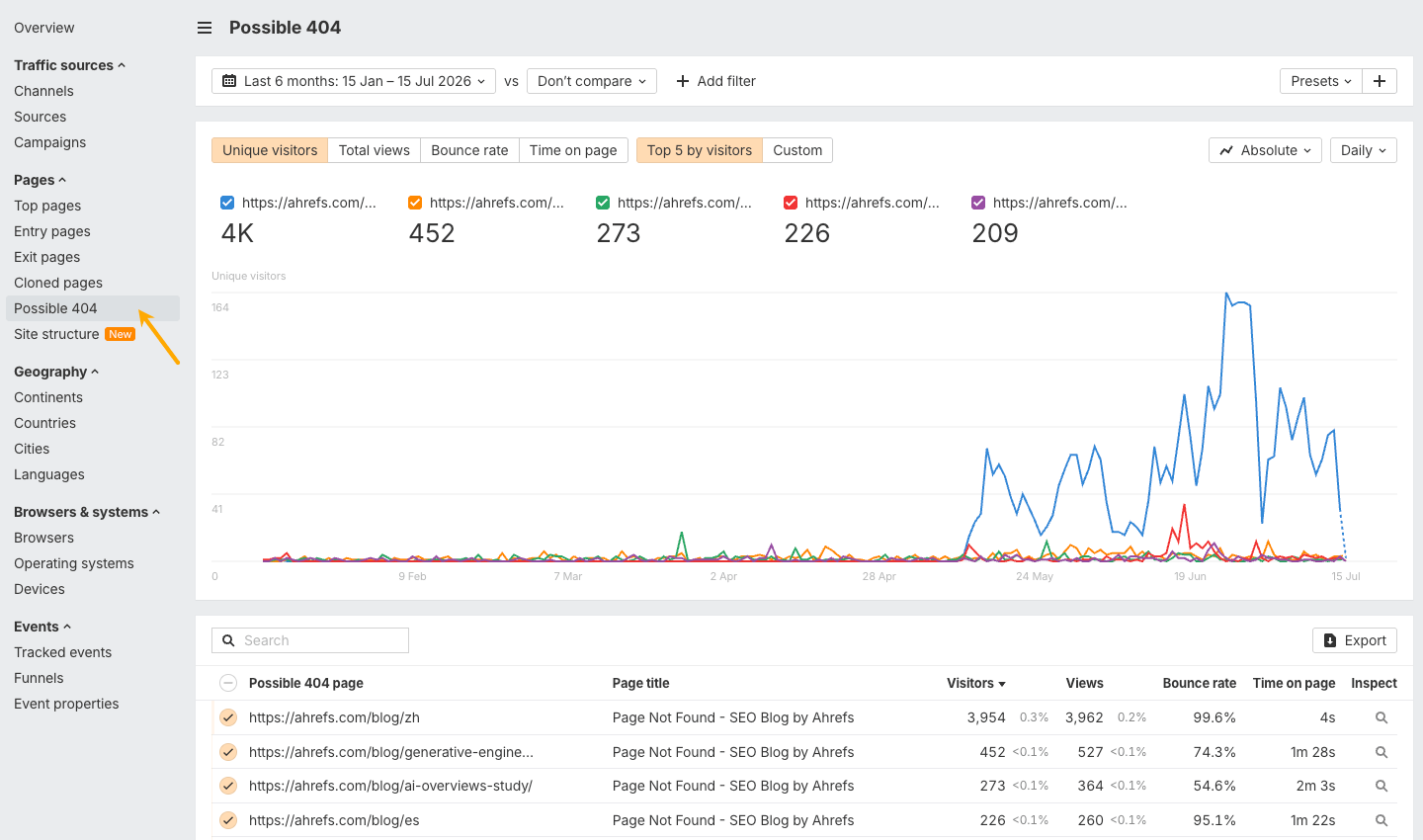
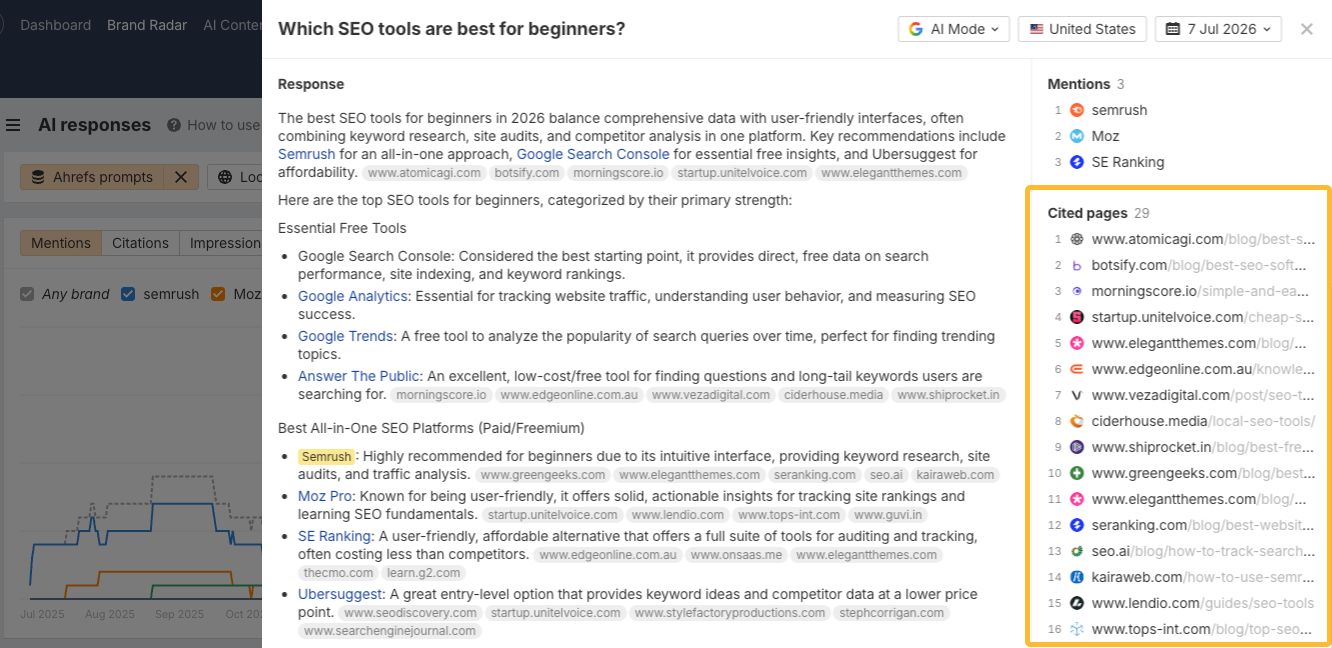
To implement this pillar, businesses should conduct three essential checks: first, identify outdated content; second, analyze AI bot activity and citation freshness; and third, directly query AI assistants about their brand. Tools like Ahrefs Brand Radar can help identify cited pages, AI bot visits, and the freshness of information. Setting up Ahrefs Web Analytics provides insights into bot activity and AI search traffic. Direct questioning of AI chatbots or automated custom prompts can reveal recurring issues or improvements after content updates. Additionally, paying attention to AI-hallucinated URLs can highlight expected but non-existent pages, presenting opportunities for new content or redirects.
Pillar 2: Building External Evidence for Category Belonging and Recommendation
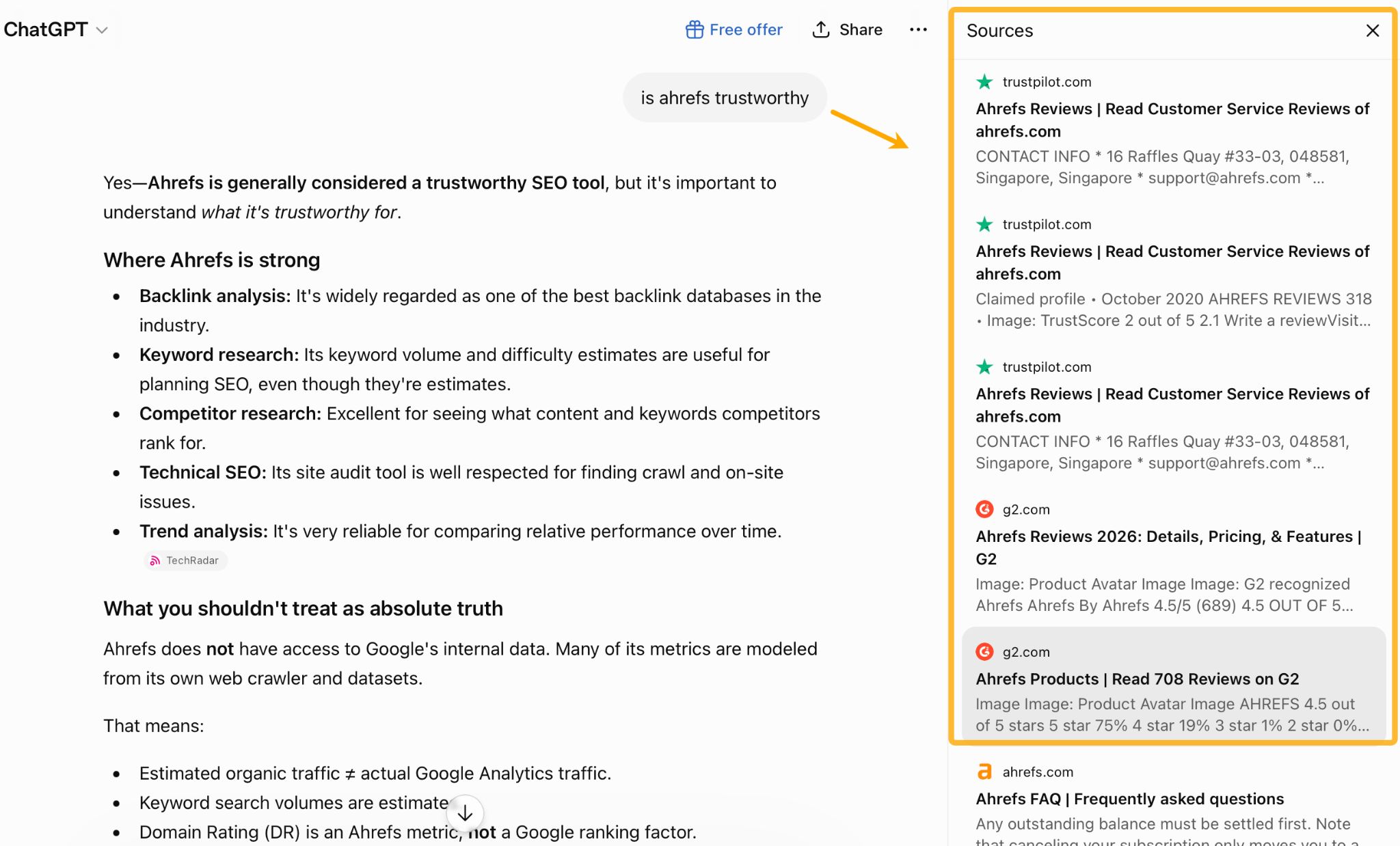
AI assistants do not solely rely on a brand’s own website. They synthesize information from a wide array of third-party sources, including reviews, YouTube videos, industry publications, comparison pages, podcasts, and online discussions. In many cases, brand mentions in AI answers originate from these external sources rather than the brand’s own website. User-generated content, in particular, plays a significant role in providing a human perspective for AI. Platforms like YouTube, Reddit, Facebook, and LinkedIn are frequently cited.
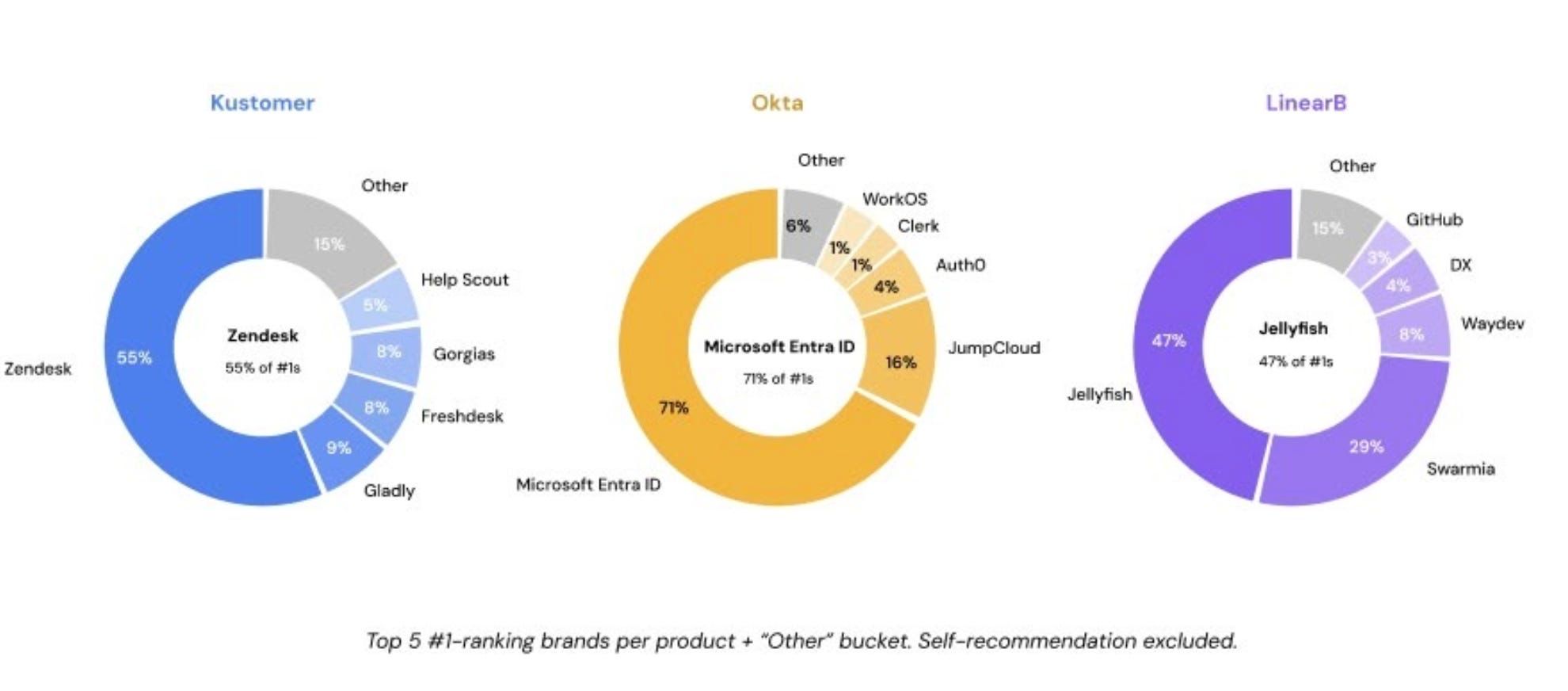
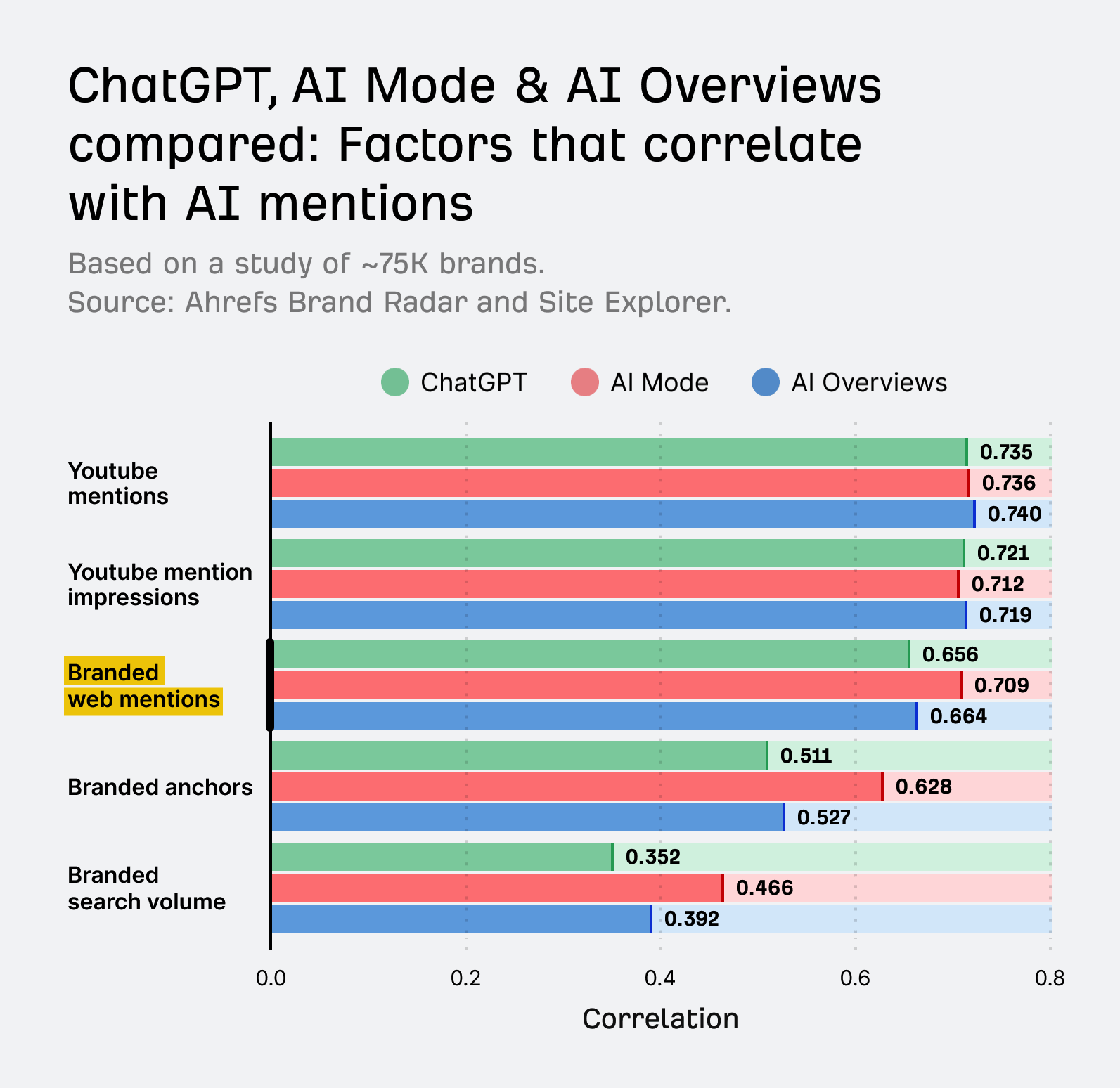
This collective body of information shapes AI’s understanding of a brand’s position within its category. AI assistants tend to recommend established companies that have accumulated substantial reviews, comparisons, and media coverage over time, reflecting a web-wide consensus. Brands that consistently appear in these conversations often do so not because their content is inherently superior, but because there is more evidence suggesting they belong in the discussion. Ahrefs’ research indicates that off-site mentions, especially from YouTube video transcripts, correlate strongly with AI visibility.
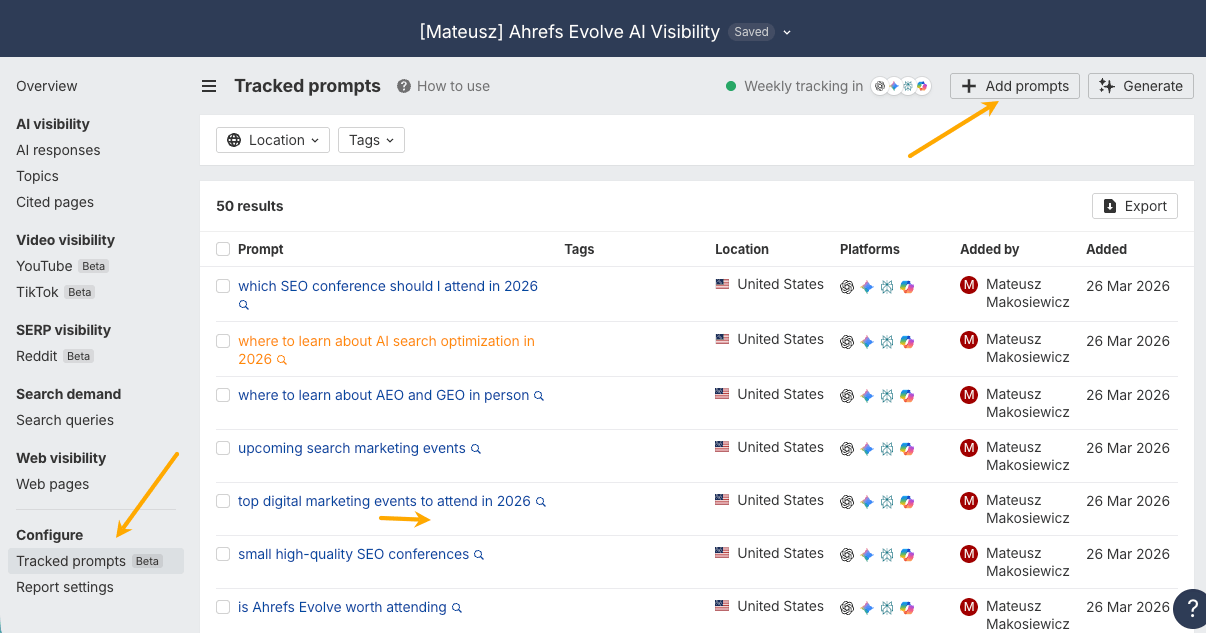
To succeed, brands need a "source strategy" rather than just a content strategy. This involves focusing on platforms AI systems frequently use for generating answers, such as review sites, forums, social media, and content platforms. The process begins by assessing whether AI assistants already include the brand in their category recommendations. If so, the focus shifts to maintaining that position and ensuring accurate representation. If not, the priority is to generate more third-party evidence that links the brand to its category, desired use cases, and competitors.
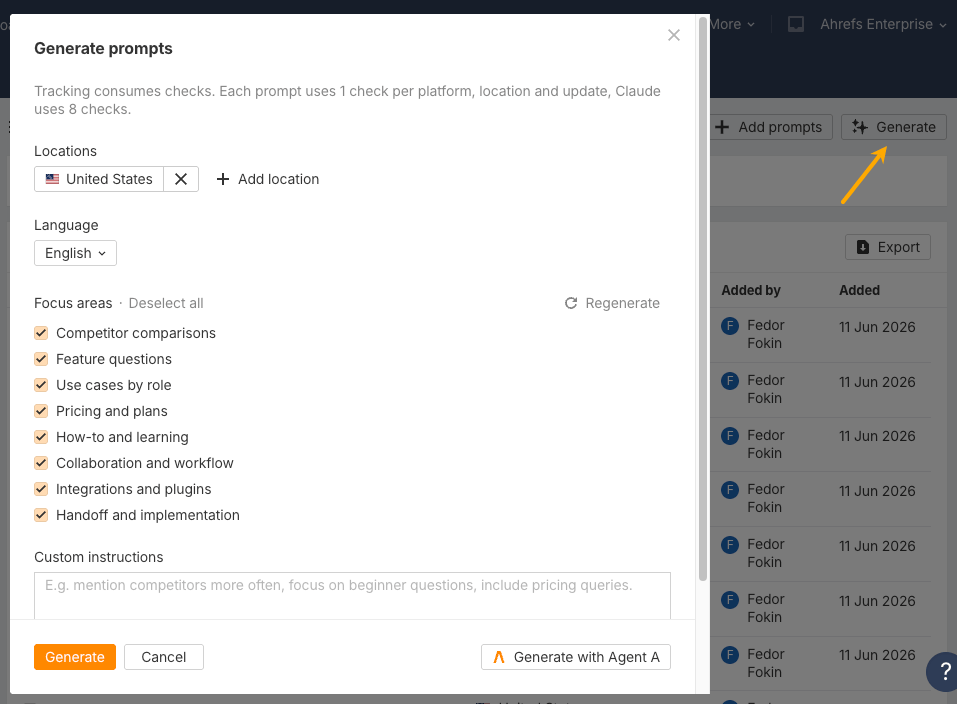
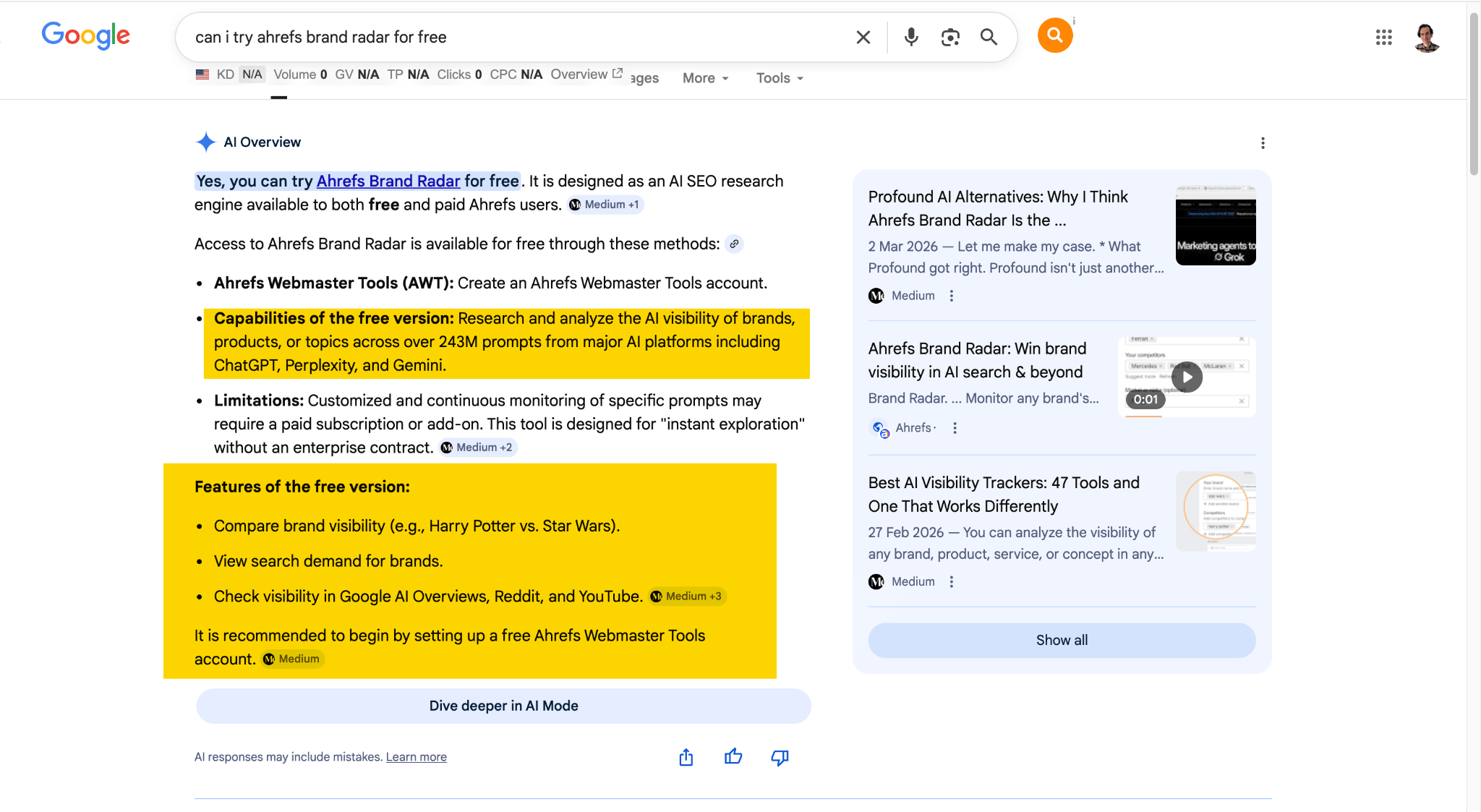
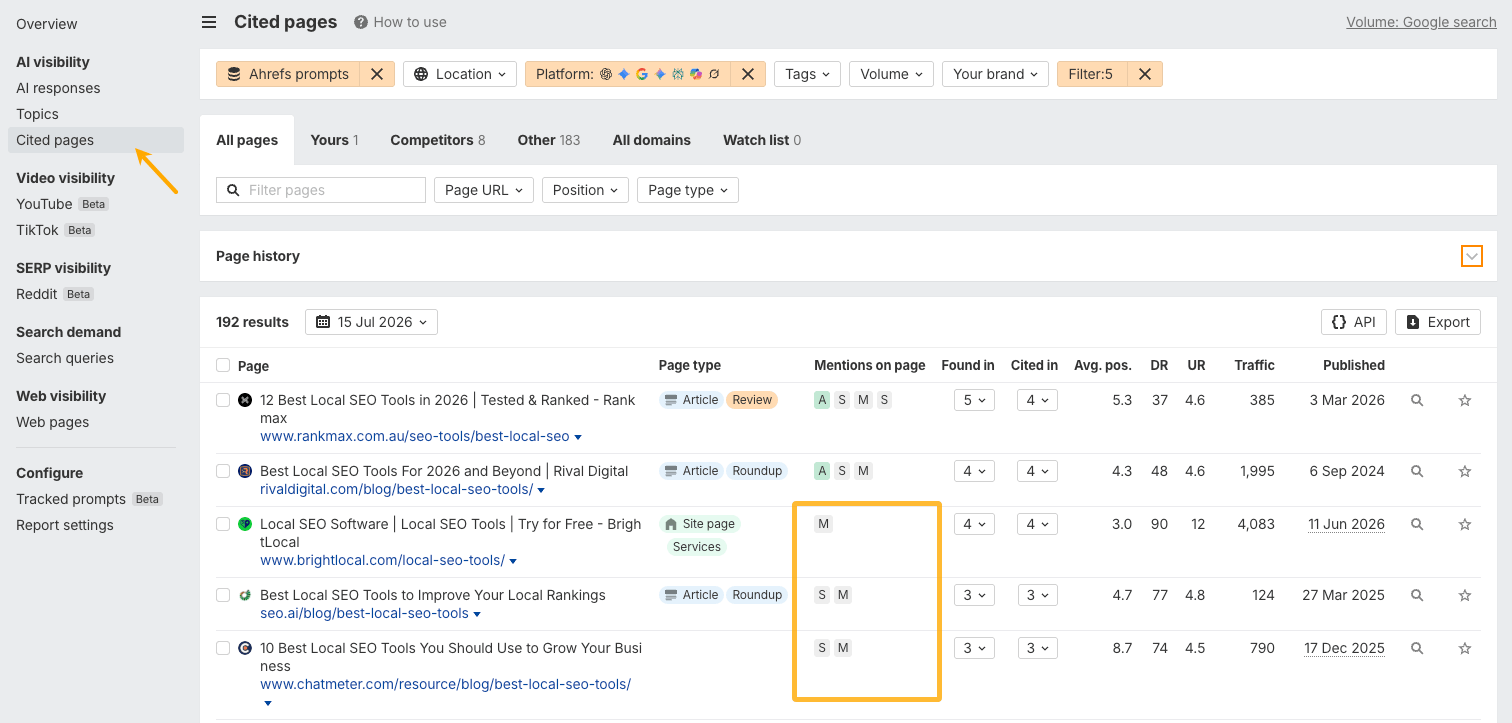
Tools like Ahrefs Brand Radar can help identify prompts where competitors are mentioned but the brand is not, revealing citation gaps. By reviewing the cited pages in these AI answers, brands can identify opportunities to earn mentions on influential sites or improve their own website’s coverage of the topic. Analyzing the "Mentions on page" column in the Cited pages report highlights pages that influence AI answers but do not yet mention the brand, guiding outreach, partnerships, and community participation efforts.
Pillar 3: Creating Content Resilient to AI Summarization
When users query AI assistants, the responses are often summaries of the most relevant information. This means content that can be easily summarized without losing significant value is less likely to drive clicks through to the original source. Basic explainers, generic how-to guides, and trend recaps often fall into this category.
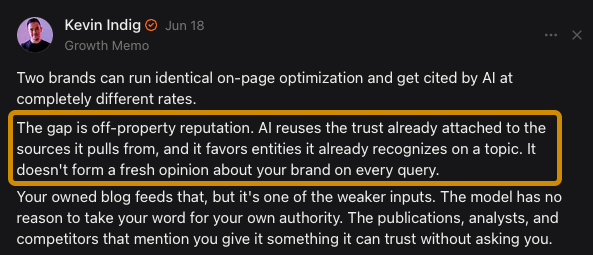
Content that retains its value and encourages users to click through typically falls into two categories: original research, firsthand experiments, and unique opinions, or interactive content like online tools, calculators, and templates. Original research and unique perspectives offer something AI cannot replicate, forcing attribution and potentially driving traffic back to the source. AI can quote statistics or summarize findings, but it still needs to credit the origin. This attribution builds awareness and authority.
Similarly, interactive tools like backlink checkers or calculators provide functionality that AI can describe but not perform. This distinction is why many keywords associated with such tools do not trigger AI Overviews. This type of content often receives high levels of AI citations and traffic. Importantly, creating content for AI search should not be a separate endeavor. Original research, unique data, and insightful perspectives that earn AI citations also tend to be highly shareable, quotable, and valuable for sales teams and marketing efforts across various channels.
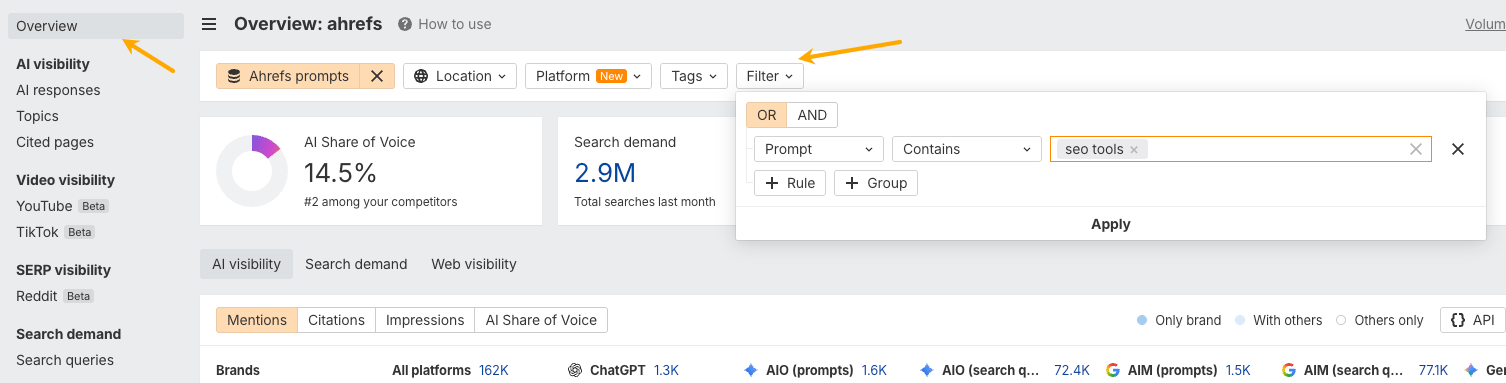
To get started, businesses should identify "citation gaps" – topics where AI assistants cite competitors but not their own brand. These gaps signal demand and an opportunity to earn a place in the conversation. Tools like Ahrefs Brand Radar can reveal these gaps by highlighting pages AI cites for specific topics. Analyzing "Found in" and "Traffic" columns helps prioritize opportunities, while the "Published" column indicates the potential to create fresher content. Filtering the report to closely match competitors can reveal topics they are successfully leveraging. The final step involves identifying unique contributions, such as internal data or firsthand experiences, to create compelling content that stands out. For content that resists summarization, keyword research tools can identify terms where Google does not yet display AI Overviews.
Pillar 4: Measuring Average Visibility, Not Isolated Answers
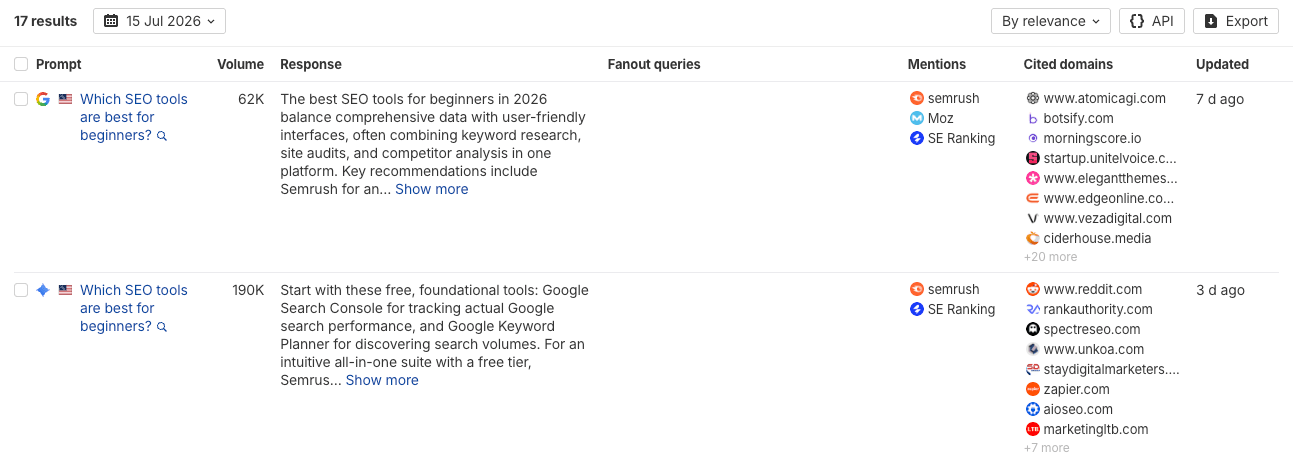
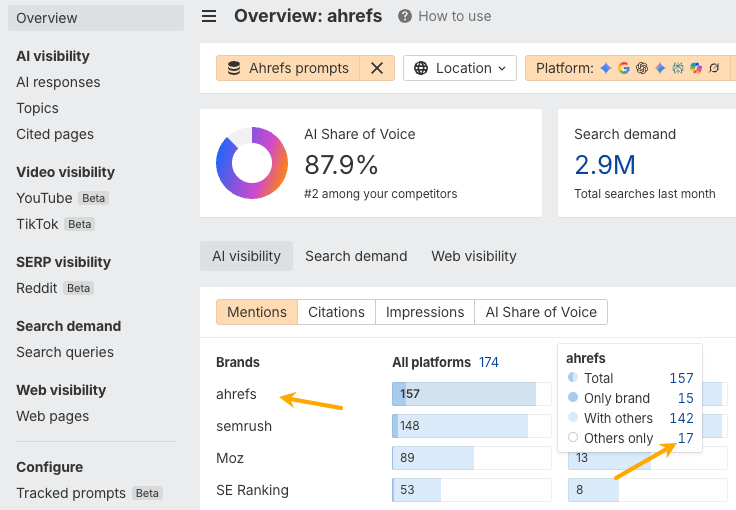
AI answers are dynamic and can vary significantly across different assistants and prompts. Therefore, focusing on individual answers is less effective than measuring a brand’s average visibility across a range of prompts and AI systems over time. This approach is akin to tracking a share of voice rather than individual search rankings. The true measure of success lies in a brand’s consistent presence across the questions, platforms, and buying scenarios that are relevant to its audience.
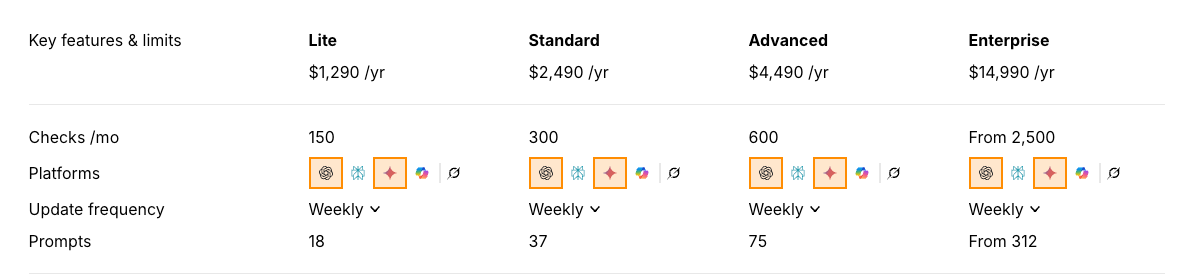
Tools such as Ahrefs Brand Radar offer features to track mentions, citations, AI share of voice, and estimated impressions over time, allowing for the monitoring of both current performance and long-term trends. These platforms enable comparisons with competitors across various AI metrics, prompt indexes, AI platforms, and locations. This comprehensive view answers fundamental questions: how often is the brand mentioned and cited, what is its AI share of voice relative to competitors, how much estimated traffic is it receiving from AI, and how does its AI coverage compare to competitors?
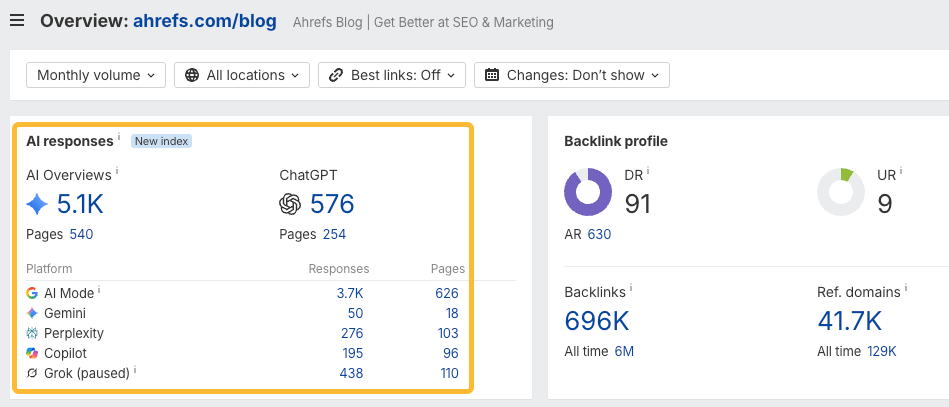
Beyond these core metrics, advanced dashboards can track AI traffic (referral traffic from AI assistants), AI bot activity (crawl frequency, crucial for new content visibility), AI coverage (mentions vs. citations), AI perception (how the AI consistently describes the brand), outdated pages cited by AI, and specific recommendations for improvement. AI share of voice provides a quick glance at overall strategy, indicating whether the brand is gaining or losing ground in the conversation. AI traffic helps understand which content resonates and influences user journeys, though it’s important to recognize that AI influences broader customer journeys that analytics may not fully capture. AI bot activity serves as a diagnostic metric, flagging potential issues with content discoverability. AI coverage tracks the impact of marketing efforts on brand presence. AI perception reveals market narrative shifts and potential inaccuracies that need addressing. Finally, actionable recommendations derived from citation gaps and brand misrepresentations turn monitoring into a strategic to-do list.
What to Avoid in Your AI Search Strategy
As the AI search landscape evolves, shortcuts may appear tempting, but many are short-lived. Self-promotional "best tools" lists, even if transparent, can inadvertently boost competitors’ visibility. Publishing large volumes of unreviewed AI-generated content can lead to repetitive, inaccurate, and low-value output, potentially being flagged as scaled spam and resulting in traffic declines. Blocking AI crawlers without a clear, strategic reason can hinder visibility, as AI assistants need access to content to cite it. The most effective AI search strategies prioritize clear communication, credible third-party validation, original content, and consistent measurement, integrating efforts across SEO, content marketing, digital PR, brand marketing, product documentation, and customer advocacy to build a unified and trustworthy brand presence in the evolving AI-driven digital ecosystem.