 11

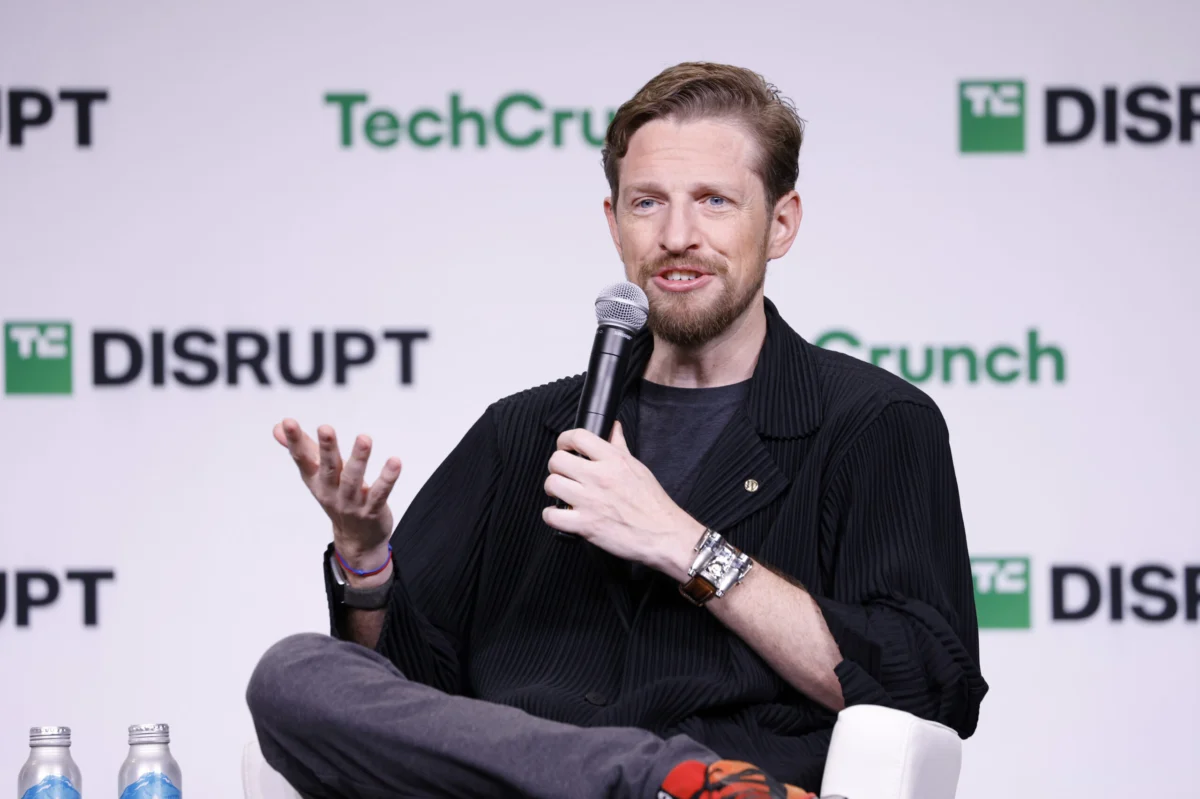
After a week marked by unprecedented internal turmoil, WordPress founder Matt Mullenweg has officially returned to his dual role as Chairman and CEO of Automattic, the parent company behind WordPress.com. The confirmation arrived via a statement from an Automattic spokesperson to TechCrunch on Saturday evening, just after 5 PM ET, affirming that Mullenweg holds his positions "with full support of the board." This resolution follows a dramatic series of events that saw Mullenweg initially ousted from leadership by a board vote, only to seemingly reclaim control through a display of defiance and direct communication with employees.
The saga began earlier in the week when Automattic’s board of directors, the highest governing body responsible for oversight and strategic direction, made the surprising decision to place Mullenweg on a paid leave of absence. The specific reasons behind this pivotal vote remained undisclosed, fueling widespread speculation within the tech industry and among Automattic’s vast employee base, known as Automatticians. Such a move against a company founder and long-standing CEO, especially one as intrinsically linked to the brand as Mullenweg is to WordPress, immediately signaled significant internal discord.
Mullenweg’s reaction to his initial ousting was swift and public, at least internally. Rather than quietly accepting the board’s decision, he reportedly took to Automattic’s internal Slack channels, accusing the board members of "conspiring" against him. This bold accusation set the stage for an extraordinary corporate power struggle, unfolding in real-time within the company’s digital communication platforms. His defiant stance suggested a deep disagreement with the board’s actions and a firm refusal to cede control.
By Wednesday, the initial reports of Mullenweg’s removal were officially confirmed by Automattic to TechCrunch. The company stated that Mullenweg was "currently on leave" and announced that Mark Davies, Automattic’s Chief Financial Officer, would step into the role of interim CEO. The board expressed "full confidence" in Davies to lead the company during Mullenweg’s absence, indicating a clear, albeit temporary, succession plan. This confirmation solidified the perception that Mullenweg’s removal was a definitive, if contentious, corporate action.
However, the board’s carefully orchestrated plan to transition leadership did not proceed smoothly. Mullenweg, apparently unwilling to depart, initiated a series of counter-actions that effectively challenged the board’s authority. Multiple sources within Automattic informed TechCrunch that Mullenweg moved to boot other administrators out of the company’s Slack workspaces, a move that could be interpreted as an attempt to regain control over crucial internal communication channels and potentially limit the interim CEO’s operational reach. Following this, he directly communicated with employees, asserting that "everything had been worked out" and that he was "back in control of Automattic." This direct appeal to the workforce bypassed official corporate channels and underscored the highly unusual nature of the leadership dispute.
Adding to the dramatic narrative, Mullenweg’s internal Slack messages took on a distinctly rebellious tone. At one point, he famously declared, "I’m a pirate now," and used profanity, an act notably uncharacteristic for Mullenweg, who is known for his measured public persona. This unexpected linguistic shift further highlighted the intensity of the situation. He even included a self-aware, somewhat sardonic plea: "If this is an HR problem, please wrangle me in since my normal wranglers are with Mark Davies." This statement not only acknowledged the unconventional nature of his actions but also pointed to the fractured state of internal leadership and support structures during the crisis.
Throughout this period of uncertainty, TechCrunch made repeated attempts to secure official comments from Mullenweg regarding his claims of being back as CEO. In response to initial inquiries, Mullenweg promised a forthcoming blog post that he suggested would address the situation. However, when the blog post eventually arrived on his personal site, it surprisingly detailed his purchase of a houseboat, offering no official clarification on the leadership crisis. When pressed further by TechCrunch on whether his comments about being back in control were merely "trolling," Mullenweg maintained his playful yet firm stance, replying, "I’m not a troll I’m a pirate, obviously." Despite his internal proclamations and social media activity, Mullenweg conspicuously refrained from providing any formal, official statement about his return to leadership. On his X account (formerly Twitter), he did allude to the incident, noting that this was likely the fifth time he had faced a "coup" in his career, suggesting a pattern of challenges to his authority over the years.
Adding another layer of complexity to the unfolding drama, Automattic itself remained largely silent throughout Friday, declining to respond to repeated requests for comment from TechCrunch. This silence extended not only to inquiries about Mullenweg’s apparent return but also to reports suggesting the departure of a prominent board member, Toni Schneider. Schneider, a significant figure in Automattic’s history as a founding CEO of the company, now leads Bluesky, a decentralized social networking protocol. Attempts to reach Schneider for comment, both via his personal email and through Bluesky, were also unsuccessful, leaving questions about the composition and stability of Automattic’s board unanswered.
The lack of transparency from official channels throughout much of the week left many questions swirling around the precise mechanisms by which Mullenweg regained his position. Was there a reversal of the board’s initial vote? Did a faction of the board align with Mullenweg? Or did his public defiance and internal communications with employees create an untenable situation for the interim leadership, forcing a reconsideration? While the spokesperson’s Saturday statement confirms the outcome, the internal machinations that led to this swift reversal remain largely shrouded in mystery. The mention of "many top executives and Automatticians supporting him as well" in the company’s statement, referencing Mullenweg’s reposting of supportive messages on X, hints at a groundswell of internal and external backing that may have played a role in the board’s decision to reinstate him. This public display of support, amplified through social media, could have exerted considerable pressure on the board to reconsider its initial action.
TechCrunch continues to seek further clarification from Automattic regarding the specifics of Mullenweg’s reinstatement and any other potential changes to the board’s composition. Reports suggest that the board’s makeup and internal dynamics "may be in flux," indicating that while the CEO position appears settled for now, the broader governance structure might still be undergoing significant shifts in the wake of this extraordinary week. The abrupt nature of the initial ouster, Mullenweg’s defiant comeback, and the subsequent official confirmation highlight the unique challenges and power dynamics inherent in the leadership of major tech companies, particularly those founded by visionary leaders deeply embedded in their company’s culture and products. The events at Automattic serve as a stark reminder that even in the most established corporate structures, leadership can be a battleground, sometimes fought on the very internal communication platforms the company uses daily.






