11
11
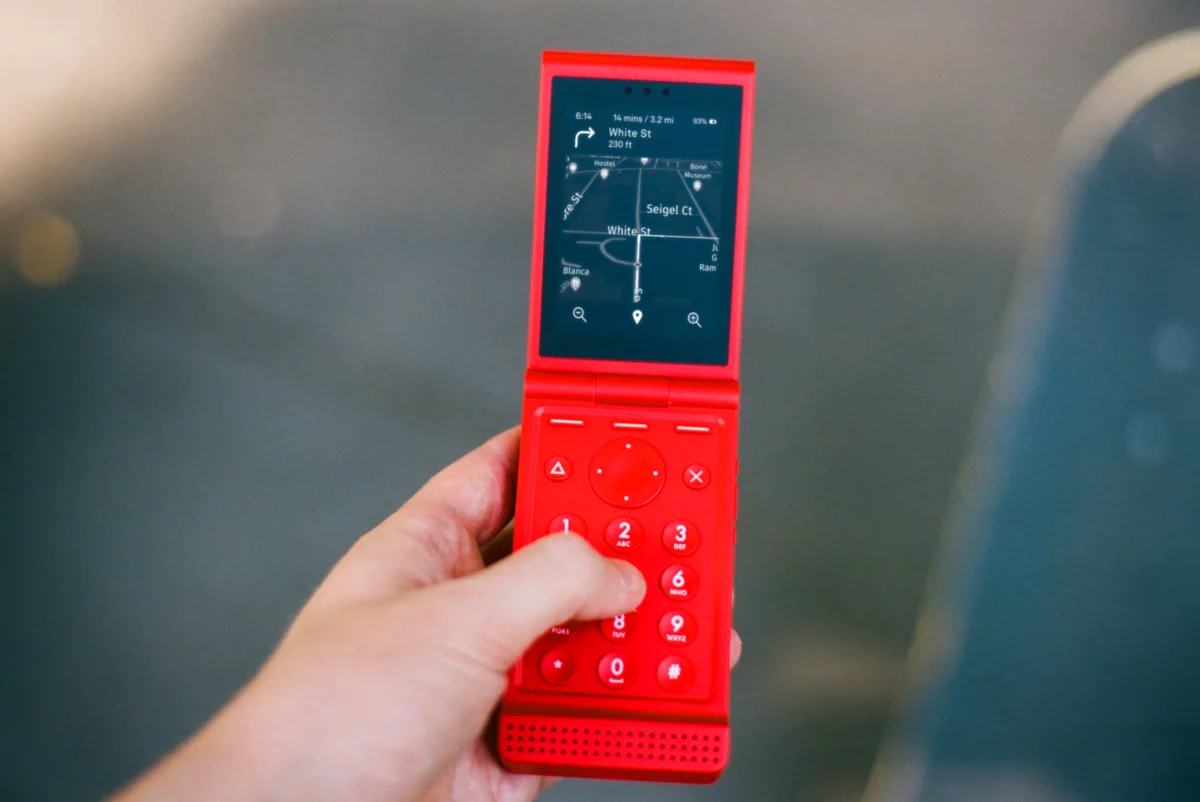
In a fascinating turn of events that underscores a growing cultural shift towards digital minimalism, Kaiwei Tang, a pivotal figure in the creation of the iconic Motorola Razr V3 over two decades ago, finds himself at the forefront of a new wave of demand for flip phones. Tang, now a decade into building Light, the startup celebrated for its minimalist smartphone alternative, the Light Phone, expresses genuine surprise at his customers’ fervent desire for a modern flip device. This unexpected trajectory has culminated in the announcement of the Light Flip, a device poised to merge nostalgic form with a philosophy of intentional, distraction-free living.
The journey to the Light Flip began with an observation by Tang and his team. "We’ve been interviewing young people that use flip phones for a few years," Tang revealed to TechCrunch, describing a consistent pattern: members of Gen Z, despite often lamenting the subpar build quality of contemporary flip phones, remain fiercely loyal to them. "They’re describing the flip phones in negative language, but they stick with it, and they feel proud," he noted. This paradox – an appreciation for the form factor despite its perceived flaws – highlighted a deeper yearning for simplicity and a break from the pervasive nature of modern smartphones. This pride in choosing a less intrusive device often stems from a desire for digital detox, a conscious rejection of the constant notifications and endless scrolling that characterize smartphone usage, or even a nostalgic appreciation for a bygone era of mobile technology.
The Motorola Razr V3, which Tang helped bring to life, was a sensation when it launched. Its sleek, clamshell design, thin profile, and distinctive keypad set it apart, making it a fashion statement as much as a communication tool. The Razr embodied a certain elegance and simplicity that, ironically, stands in stark contrast to the feature-laden, always-on nature of today’s smartphones. Tang’s current venture, Light, founded with co-founder Joe Hollier, has consistently championed this spirit of simplicity, offering devices designed to be used as little as possible. Their Light Phone series has carved a niche among those seeking to reclaim their attention from the digital vortex, providing essential communication tools without the overwhelming features of a typical smartphone.
Recognizing the burgeoning, albeit underserved, market for well-designed, minimalist flip phones, Tang and Hollier conceived a bold idea: what if Light could infuse the fast, custom software from its existing touchscreen phones into a flip phone chassis? This strategic pivot would leverage Light’s established operating system, known for its elegant simplicity and focus on core functionalities, and apply it to a form factor that resonated deeply with a segment of users, particularly Gen Z. The result of this innovative thinking is the Light Flip, positioned to be the most affordable device Light has ever introduced, signaling a deliberate effort to make digital minimalism more accessible.

Joe Hollier elaborated on the seamless integration of their software, stating, "What we’re doing is offering the same Light Phone experience, the same Light Phone OS with our SDK developer program, all of the tools we already have today: alarm, calculator, calendar…" He emphasized the continuity of the user experience, clarifying, "It’s kind of the exact same experience, just one is fully tactile, no touch screen, and [the other] one is a complete touch screen experience." This means users of the Light Flip will benefit from the intuitive, distraction-free Light Phone OS, which prioritizes utility over endless applications. The inclusion of an SDK (Software Development Kit) developer program also hints at the potential for a curated ecosystem of essential, privacy-focused tools, allowing for controlled expansion of functionality while strictly adhering to the minimalist ethos. The core difference lies in the interaction: the Light Flip offers a physical keypad and button-based navigation, a tactile experience that many find deeply satisfying and less prone to accidental engagement than a touchscreen.
One of Light’s persistent challenges as a niche hardware startup has been pricing. How does one effectively market and sell a device that consciously offers "less" in terms of features in a market saturated with increasingly sophisticated and feature-rich smartphones? The company’s previous flagship, the unlocked Light Phone III, retailed at a premium of $799. This price point, while reflecting the quality of materials and limited production runs, was a barrier for many. The Light Flip, however, dramatically shifts this paradigm by bringing the cost down to a more accessible $299. This significant price reduction is a direct result of strategic design choices, carefully balancing the desire for quality with the imperative of affordability.
The cost savings for the Light Flip were achieved by thoughtfully omitting certain components present in its touchscreen counterparts. The most obvious reduction comes from the absence of a touch screen, which significantly lowers manufacturing costs. Additionally, the Light Flip foregoes an NFC reader, a feature commonly used for contactless payments and data transfer, and a selfie camera, streamlining the device to focus on primary communication. Furthermore, the construction material has been shifted from the sturdier, premium aluminum used in some Light Phone models to a durable plastic. While this might be perceived as a downgrade by some, it enables substantial cost savings and, for the first time, allows Light to offer its phone in a vibrant array of colors. The Light Flip will be available in classic black, bold red, cheerful yellow, soft pink, deep navy blue, and understated light grey, adding a touch of personal expression and retro charm that aligns with the aesthetic preferences of many minimalist phone enthusiasts. Joe Hollier himself expressed enthusiasm for this design choice, remarking, "I thought I was fully QWERTY, but I was having fun with the T9 predictive texting [the old-school method of typing multiple letters per number], so I can see myself going flip phone also for the colors. Just having a yellow phone gets me so jazzed." His sentiment highlights the often-overlooked joy derived from simple, tactile interactions and personalized aesthetics in an increasingly homogenized tech landscape.
Beyond the initial sticker price, Light is also exploring innovative financing options to further enhance accessibility. The company recently piloted phone contracts through a partnership with Andrew Yang’s Noble Mobile, an anti-doomscrolling carrier. Noble Mobile, founded by the former presidential candidate, aims to incentivize users to reduce screen time by offering unique rewards, aligning perfectly with Light’s mission. Through Light’s own service plan, customers can acquire the Light Flip for a two-year contract at an affordable $39 per month. For those desiring the touchscreen experience, the Light Phone III will be available for $59 per month over the same duration. This move into service plans signifies a broader strategy to make digital minimalism a more financially viable and integrated lifestyle choice, moving beyond a one-time hardware purchase to a sustained commitment to mindful tech use.
In terms of hardware, the Light Flip embodies its minimalist philosophy without sacrificing essential modern functionalities. It features a crisp 2.8-inch OLED screen on the inside, providing clear visuals for calls, messages, and basic applications. Crucially, and at the specific request of users, there is no external screen, reinforcing the device’s commitment to reducing distractions and encouraging users to be present. However, to ensure users remain aware of important communications, a small, discreet light on the front of the phone will indicate new notifications, allowing for a quick check without the need to open the device. Connectivity is robust, supporting both 5G and 4GLTE, ensuring reliable communication and data speeds for its intended purposes. The Light Flip can download podcasts for offline listening and play music that users upload to their device, catering to entertainment needs without relying on streaming services. Audio can be enjoyed through a traditional 3.5mm headphone jack, a welcome feature for many, or via Bluetooth headphones, offering flexibility. Charging is handled by a ubiquitous USB-C port, and the device supports both eSIM technology and physical Nano SIM cards, providing versatility for network carriers. For capturing moments, a 12-megapixel camera is integrated on the back, offering sufficient quality for casual photography while steering clear of the multi-lens arrays found on smartphones.

The Light Flip is slated for shipment in April 2027, a lead time that Light openly acknowledges is substantial. To maintain customer engagement and mitigate potential cancellations during this extended waiting period, the company is launching an innovative "Flip Your Life" program. This initiative will involve bi-weekly newsletters, meticulously designed to guide and prepare preorder customers for the lifestyle adjustment inherent in transitioning away from a smartphone. More than a marketing tactic, this program aims to foster a supportive community around the Light Flip, providing resources, tips, and shared experiences to make the journey to digital minimalism less jarring and more sustainable. By building a network of support, Light hopes to ensure that users not only adopt its products but also successfully integrate the philosophy into their daily lives.
While Light firmly believes its phones can empower individuals to reclaim precious time often lost to mindless scrolling, the founders are pragmatic about the challenges of such a transition. They acknowledge that abandoning smartphones "cold turkey" is far from easy. The sheer convenience offered by instant internet access, mobile payment systems like Apple Pay, extensive music streaming libraries, and ubiquitous communication tools like WhatsApp and iMessage represents a significant sacrifice for many. This recognition underpins the importance of the "Flip Your Life" program and the broader community-building efforts. It’s easier for the "flip phone-curious" to embrace this change when they know they’re not embarking on the journey alone, highlighting the social and psychological aspects of digital disconnection.
Joe Hollier eloquently encapsulated the spirit of this growing movement: "I think something that’s so inspiring about this movement is it’s not coming from a place of just anger and hatred… It’s a movement of optimism, as well as skepticism." He further articulated Light’s core philosophy, stating, "I think that’s what we’ve always tried to do with Light. We’re anti big tech in all these ways, but we’re always trying to show that the other side of life can be really simple and beautiful." This perspective positions Light not merely as a hardware company, but as a proponent of a more balanced, intentional relationship with technology. It’s a movement that questions the relentless pursuit of more features and constant connectivity, instead advocating for a life where technology serves as a tool for connection and utility, rather than a source of distraction and overwhelm. The Light Flip stands as a testament to this vision, offering a tangible pathway to a simpler, more beautiful digital existence, rooted in the legacy of innovative design and driven by a contemporary desire for mindful living.