 11
11
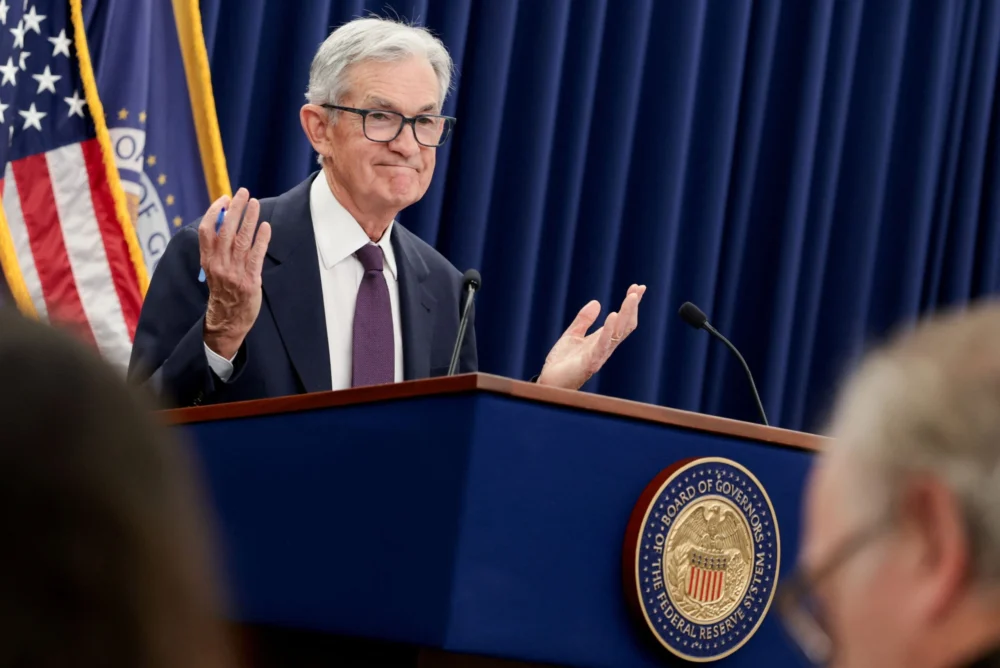
Washington D.C. – The prospect of interest rate cuts by the U.S. Federal Reserve is rapidly receding, a significant shift in market sentiment directly attributable to surging energy prices and renewed inflation anxieties. This recalibration of expectations has coincided with recent U.S.-Israel attacks on Iran, which have propelled oil prices to the $100 per barrel mark, according to reports.
Prior to these escalations, market participants, guided by calculations from the CME Group’s FedWatch tool, had anticipated a series of rate reductions beginning in the early summer. The prevailing view was for a quarter-percentage-point cut in June, potentially followed by another in September, with a possibility of a third reduction by year-end, contingent on economic performance. This optimistic outlook was underpinned by expectations of a softening labor market, moderating inflation, and the anticipated dovish stance of a new Fed Chair set to take office in May.
However, the geopolitical developments in the Middle East have fundamentally altered this trajectory. The ongoing "Iran drama," as described, has underscored the paramount importance of combating inflation for the Federal Reserve. Economists at Goldman Sachs articulated this shift in a recent note, stating, "A higher inflation path will make it harder for the Fed to start cutting soon." Consequently, Goldman Sachs has revised its own forecast, pushing back the expected date of the next rate cut from June to September. Despite this adjustment, the firm still believes the Fed could implement one additional rate reduction before the close of 2026, particularly if the labor market experiences a more pronounced weakening than currently projected. They added, "If the labor market weakens sooner and more substantially than we expect, we do not think that concern about the impact of higher oil prices on inflation and inflation expectations would be an obstacle to earlier rate cuts."
Other market observers hold an even more cautious outlook. Traders in the fed funds futures market have largely dismissed the possibility of a September rate cut, now pricing in only a single reduction, expected in December. The current market pricing indicates no further rate cuts are anticipated until well into 2027 or even the early part of 2028. This sentiment persists despite the impending arrival of presumptive new Chair Kevin Warsh, who was reportedly chosen by President Donald Trump for his perceived willingness to pursue aggressive easing policies. The current Chair, Jerome Powell, is scheduled to depart his post in May.

The trajectory of future Fed actions will likely hinge on developments in the Middle East. A de-escalation of tensions could restore a sense of market normalcy and potentially revive hopes for more aggressive monetary easing.
Amidst the backdrop of Brent crude settling above $100 per barrel, President Trump reiterated his calls for the Federal Reserve to lower interest rates. "Where is the Federal Reserve Chairman, Jerome ‘Too Late’ Powell, today? He should be dropping Interest Rates, IMMEDIATELY, not waiting for the next meeting!" Trump posted on Truth Social.
The Federal Reserve will soon receive updated inflation data with the Commerce Department’s release of the personal consumption expenditures (PCE) price index for January on Friday morning. Economists surveyed by Dow Jones anticipate that core PCE, a key metric closely monitored by Fed officials, will indicate an annual inflation rate of 3.1%. This projected figure represents a 0.1 percentage point increase from December and a further deviation from the Fed’s 2% target. Such a reading would suggest that inflationary pressures were building prior to the recent Iran strikes, potentially reinforcing the Fed’s reluctance to consider lower interest rates.
Stephen Juneau, an economist at Bank of America, noted in a recent client note that while certain components of inflation, particularly housing, are showing signs of stabilization or decline, the broader inflationary picture "has been rangebound and remains above levels consistent with 2% core PCE." Juneau concluded, "The upshot is that the Fed should not be in a rush to ease rates further."
The Federal Open Market Committee (FOMC) is scheduled to announce its next interest rate decision on March 18. Current market expectations, reflected in trading activity, assign a near-100% probability to the committee maintaining its current interest rate policy.