 11
11
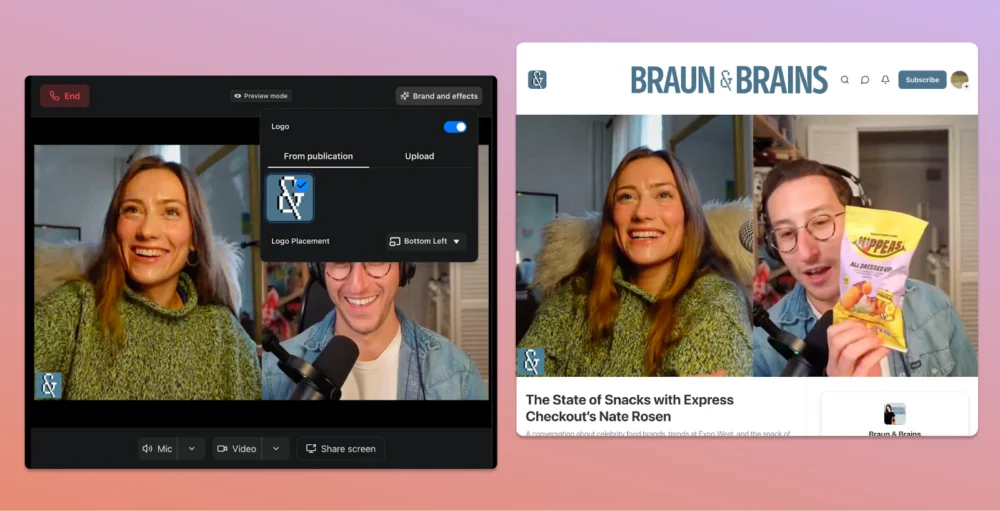
Substack, the prominent publishing platform, is significantly deepening its investment in video content with the launch of the Substack Recording Studio. This new, built-in mechanism empowers creators to seamlessly pre-record and publish videos directly within the platform, marking a pivotal step in its evolution as a comprehensive multimedia hub for independent writers and content producers. The announcement, made on March 12, 2026, at 11:24 AM PDT, underscores Substack’s strategic shift towards supporting diverse content formats and fostering increased creator revenue.
Designed exclusively for desktop users, the Substack Recording Studio offers a streamlined, all-in-one solution for video production. It supports various formats, from solo presentations and monologues to engaging conversations featuring up to two guests. This flexibility allows creators to produce a wide array of content, including interviews, discussions, tutorials, and personal vlogs, without the need for external software or complex integrations. Further enhancing the professional appeal of creator content, the studio includes features such as the ability to add custom watermarks to videos and share screens with co-hosts during collaborative recordings. Upon completion of a recording, Substack automatically generates ready-to-use clips and thumbnails, simplifying the crucial post-production and promotional phases for creators. This automation is a key differentiator, as it significantly reduces the time and effort traditionally required to prepare video content for distribution across various social media channels and discovery platforms.
In a candid blog post announcing the feature, Substack acknowledged the previous complexities faced by its creators. "Until now, creating video on Substack meant going live, or stitching together a separate stack of tools: a recording platform, a way to create and distribute clips, and something to design a thumbnail," the company stated. "Substack Studio brings all of those tools into one place." This statement highlights the platform’s commitment to addressing pain points for its user base, recognizing that a fragmented workflow can be a significant barrier to entry for many aspiring video creators. By consolidating these functionalities, Substack aims to lower the technical hurdle, allowing more creators to experiment with and integrate video into their offerings.
The impetus behind this substantial investment in video is clearly supported by compelling internal data. The company revealed that creators who have actively utilized audio or video content on Substack within the past 90 days have experienced a remarkable 50% faster revenue growth compared to their counterparts who have relied solely on text-based formats. This statistic serves as a powerful validation of Substack’s multimedia strategy, demonstrating that diverse content offerings not only attract wider audiences but also translate directly into increased financial success for creators. Faster revenue growth can be attributed to several factors, including enhanced subscriber engagement, the ability to reach new audience demographics, and the potential to offer higher-value premium content through visual and auditory mediums.
While Substack initially gained prominence as a platform primarily for newsletters and long-form written content, its trajectory over the last few years unmistakably signals a concerted effort to evolve into a more expansive creator platform. This strategic pivot positions Substack as a formidable competitor in the broader creator economy, vying for talent and audience attention alongside platforms like Patreon, YouTube, and even specialized podcasting services. The overarching goal is to encourage creators to explore and embrace a full spectrum of multimedia content, thereby enriching their publications and diversifying their revenue streams.
Substack’s journey into video began several years ago, with each subsequent update building upon the last to create a robust ecosystem. The platform first enabled creators to upload pre-recorded videos in 2022, a foundational step that introduced visual content beyond static images. This was followed by a significant expansion in the previous year, 2025, when Substack rolled out features allowing creators to host livestreams and, crucially, monetize their video content directly. This move was critical for aligning video with Substack’s core ethos of direct creator-to-consumer monetization. To further catalyze this shift and attract top talent, Substack launched a substantial Creator Accelerator Fund of $20 million, specifically designed to assist creators in transitioning from other platforms and establishing their multimedia presence on Substack. This financial incentive underscored the company’s serious commitment to fostering a vibrant video community.
Continuing its aggressive expansion into new content consumption paradigms, Substack recently debuted a dedicated TV app in January 2026. Available on leading smart TV platforms such as Apple TV and Google TV, this application allows viewers to conveniently watch video posts and livestreams from their favorite creators on a larger screen. A notable feature of the TV app is its TikTok-like "For You" row, which employs algorithmic recommendations to suggest further content, enhancing discoverability and encouraging prolonged engagement, mirroring the addictive consumption patterns seen on short-form video platforms.
This move into TV applications aligns with a broader industry trend where, despite the pervasive popularity of short-form videos on mobile devices, there’s a growing inclination among consumers to turn to larger television screens for longer-form content. This shift is reshaping how content, particularly podcasts and extended video formats, is consumed. Industry giants like Netflix have recognized this trend, making significant investments in bringing video podcasts to television screens, transforming what was once a purely auditory experience into a visually engaging one suitable for the living room. Empirical data further supports this phenomenon: YouTube reported that viewers consumed over 700 million hours of podcasts each month on living room devices, such as smart TVs and streaming sticks, in 2025. This represents a substantial increase from the 400 million hours recorded just the year prior, highlighting a clear and rapid acceleration in this viewing behavior. The comfort of a lean-back viewing experience, the potential for shared family viewing, and the enhanced audio-visual quality offered by television sets are all contributing factors to this growing preference for longer-form content consumption on the big screen.
By introducing the Substack Recording Studio, the company not only simplifies the video creation process but also strategically positions itself at the forefront of these evolving content consumption trends. This integrated approach to recording, editing, and publishing, combined with its burgeoning TV presence and proven revenue growth for multimedia creators, reinforces Substack’s vision of becoming an indispensable, all-encompassing platform for independent creators looking to connect deeply and profitably with their audiences across all mediums.