 11
11
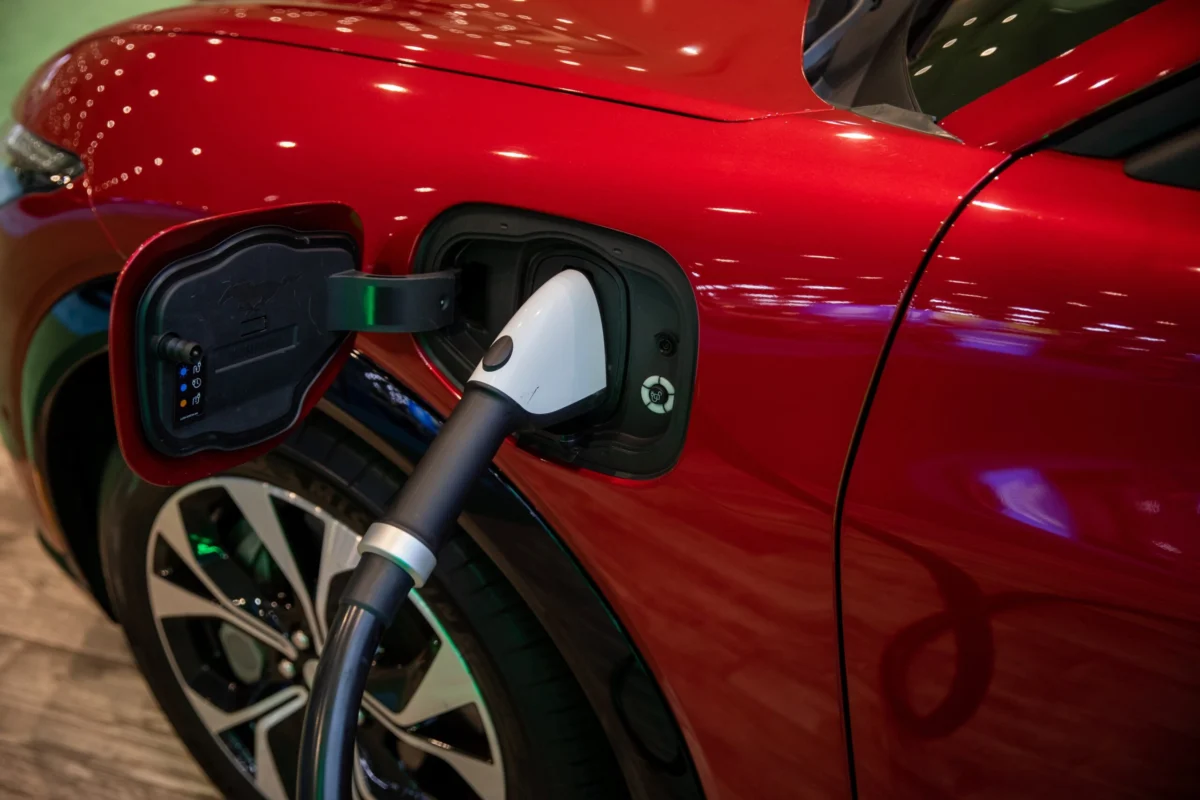
In the minds of prospective electric vehicle (EV) buyers, the availability and reliability of charging infrastructure have long been a significant hurdle. A recent survey conducted by AAA in the past year revealed that just over half of respondents cited public charging infrastructure as a key concern, underscoring the widespread apprehension surrounding EV adoption. These concerns were, for a long time, not unfounded. The historical reality of EV fast charging was often characterized by a lackluster and inconsistent experience. In 2023, following a particularly frustrating road trip, an "EV fast-charging ‘bill of rights’" was proposed, outlining seven crucial improvements that charging networks needed to implement to transform the user experience and instill confidence in EV drivers. These recommendations aimed at addressing issues such as charger reliability, consistent power delivery, transparent pricing, universal payment options, and readily available customer support.
However, the landscape of EV charging has undergone a remarkable transformation in a relatively short period. What a difference a few years can make. A recent road trip undertaken by this reporter highlighted the substantial progress achieved, demonstrating a nearly flawless charging experience – a stark contrast to similar journeys just three years prior. This significant improvement signals a turning point for the industry and for consumers considering the switch to electric.
A Nearly Flawless Experience
This past summer, a road trip spanning over 600 miles to Montreal served as a real-world test of the evolving EV charging infrastructure. The initial plan involved using a Kia EV9, known for its nearly 300-mile range. However, due to the vehicle being in the shop for a broken air conditioner, the journey was completed in an Audi e-tron, which offers a range of approximately 220 miles per charge. Despite this disparity in range, the e-tron handled the extensive trip with remarkable ease, effectively demonstrating that maximizing range is not always a prerequisite for successful long-distance EV travel. While "rangemaxxing" – optimizing driving and charging to achieve the maximum possible distance – might sound appealing, this experience proved it isn’t always necessary with a sufficiently developed charging network.
To navigate the charging landscape, "A Better Route Planner" (ABRP) was employed. This sophisticated app optimizes charging stops by meticulously accounting for a wide array of factors, including prevailing winds, ambient temperature, specific vehicle specifications, and even battery degradation over time. While the app allows for the integration of live vehicle data via a Bluetooth OBD reader, it proved to be remarkably accurate even without this direct feed. ABRP’s initial recommendation for the first charging stop was a Rivian charger situated near Lebanon, New Hampshire. Given that Rivian now owns ABRP, this suggestion, though unsurprising, proved to be an excellent one based on the subsequent experience.
The Rivian chargers in Lebanon exceeded expectations. Upon arrival, there were no queues, indicating ample availability. The location offered convenient access to various food options and a grocery store, allowing for productive use of the charging time. The station featured six 300-kilowatt chargers, all of which were fully operational. While the Rivian app had been downloaded in advance, it turned out to be unnecessary, as the charger readily accepted a standard credit card. It delivered over 140 kilowatts, which is close to the Audi e-tron’s maximum charging rate, ensuring a swift top-up. The return journey utilized the same Rivian chargers, yielding an identical positive experience.
Following this, a Circuit Électrique station just outside Montreal was used to top up the battery for the week ahead. This stop presented the trip’s sole minor hitch: the card reader at the station was non-functional. This necessitated downloading the Circuit Électrique app and loading it with 20 Canadian dollars to initiate the charging session. Once this step was completed, the session proceeded smoothly. In retrospect, the stop wasn’t strictly essential, as driving during the week was minimal and the hotel charger performed flawlessly. However, the convenience of combining the charge with a break for the children and a coffee stop for the reporter’s wife made it a worthwhile pause regardless.
Each charging session during the trip lasted approximately 20 minutes, strategically combined with lunch or rest stops. Crucially, there was never a moment spent waiting solely for the car to charge. In total, the three charging sessions consumed roughly the same amount of time as the wait at border control on the return journey to the United States, highlighting the efficiency of the new charging experience.
What It Used to Be Like
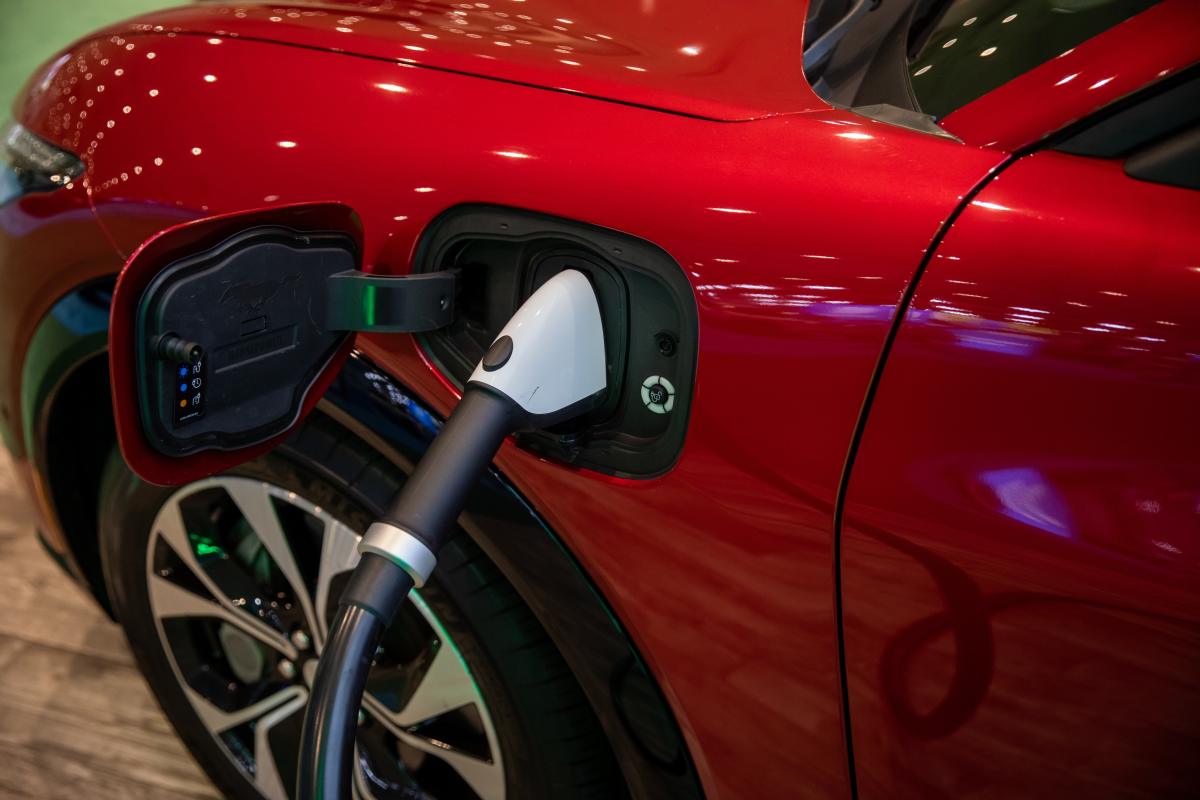
The stark contrast to the current experience is best illustrated by a similar road trip taken three years prior. That journey did not unfold nearly as smoothly. Having driven non-Tesla EVs for over a decade, the reporter was well aware that fast charging could be inconsistent. Yet, the experience from that summer remained profoundly disappointing.
In 2023, the same Audi e-tron was driven to Maine, a round trip covering approximately 350 miles – roughly half the distance of the recent Montreal trip. While the car theoretically could have reached Maine on a single charge, the chosen hotel lacked an EV charger. To ensure sufficient battery for the long weekend and the initial leg of the drive home, a charging stop was planned approximately halfway to the destination.
Before departing, ABRP was used to identify and filter out less reliable chargers, but even with this precaution, the experience proved miserable. The first charger, immediately after being plugged in, malfunctioned, forcing a move to an adjacent stall. Compounding the issue, the first charger failed to terminate the charging session with the car, rendering the second charger unusable until customer service was contacted to manually end the ghost session. At another planned stop, the charging network’s app inaccurately reported two out of four plugs as working, when in reality, only one was operational. This led to wasted time and frustration. In total, a relatively short seven-hour drive was punctuated by three calls to customer service to resolve charging issues. The experience raised a rhetorical, yet pertinent, question: "Imagine if gas stations worked like this?" – underscoring the unacceptable level of unreliability.
Data Reveals Big Improvements
Thankfully, the EV charging infrastructure in the U.S. today presents a vastly different picture. While the recent flawless trip and the past problematic journey are anecdotal experiences, the available data robustly supports the conclusion that they are representative of a broader, positive trend: DC fast charging in the U.S. has improved by leaps and bounds in reliability, availability, and user-friendliness.
In July 2023, the United States had approximately 32,000 DC fast chargers, according to the Joint Office of Energy and Transportation. At that time, a significant portion of these chargers were proprietary, primarily restricted to Tesla drivers. Although Tesla announced plans to open its Supercharger network to other EVs in 2023, it took over a year for widespread access to materialize for non-Tesla EVs. Today, the landscape is significantly altered, with EV drivers having access to most of Tesla’s expansive network. This crucial development, combined with continuous expansion efforts by Tesla and other charging companies, has more than doubled the total number of DC fast chargers available since 2023. The accompanying graph vividly illustrates this exponential growth, showing a steep upward trajectory in the number of DC fast chargers across the U.S.
Beyond sheer numbers, reliability has also seen substantial gains. The nearly flawless trip experienced last week appears to be the emerging norm rather than an exception. Since last year, the overall reliability of fast-charging networks has improved by nearly 10 percentage points, rising from an average of 85% to the mid-90s on Paren’s reliability index. This index comprehensively assesses various metrics, including successful charging sessions and station downtime, providing a holistic view of network performance. While Tesla’s network continues to maintain its dominant position in terms of reliability and coverage, according to Paren, other charging networks are experiencing rapid growth and improvement. This increasing competition among providers has undoubtedly played a vital role in elevating the quality and consistency of charging experiences across the entire industry.
Despite these significant advancements, it is acknowledged that gaps in the charging network still exist, particularly in less populated areas, and individual EV chargers will inevitably still break down. However, the positive momentum is clear: more chargers are being installed every month, and critically, the broken ones are now being repaired much more swiftly than in the past.
In conclusion, while perfection is an ongoing pursuit, the improvements in EV fast charging are genuinely surprising and substantial. The evolution from a frustrating and unreliable experience to one that is largely seamless and efficient marks a pivotal moment for electric vehicle adoption. It is a transformation that prospective EV buyers and even current "holdouts" should be well aware of, as they are truly missing out on a significantly improved reality.