11
11
The SEO industry has rapidly recognized the potential of influencing Artificial Intelligence (AI) through self-promotional content, such as product reviews and "best of" lists. The underlying strategy involves publishing content that includes a brand, with the hope that AI systems will incorporate this information when generating recommendations. Recent research offers a nuanced perspective on the effectiveness of this approach, highlighting both promise and significant limitations.
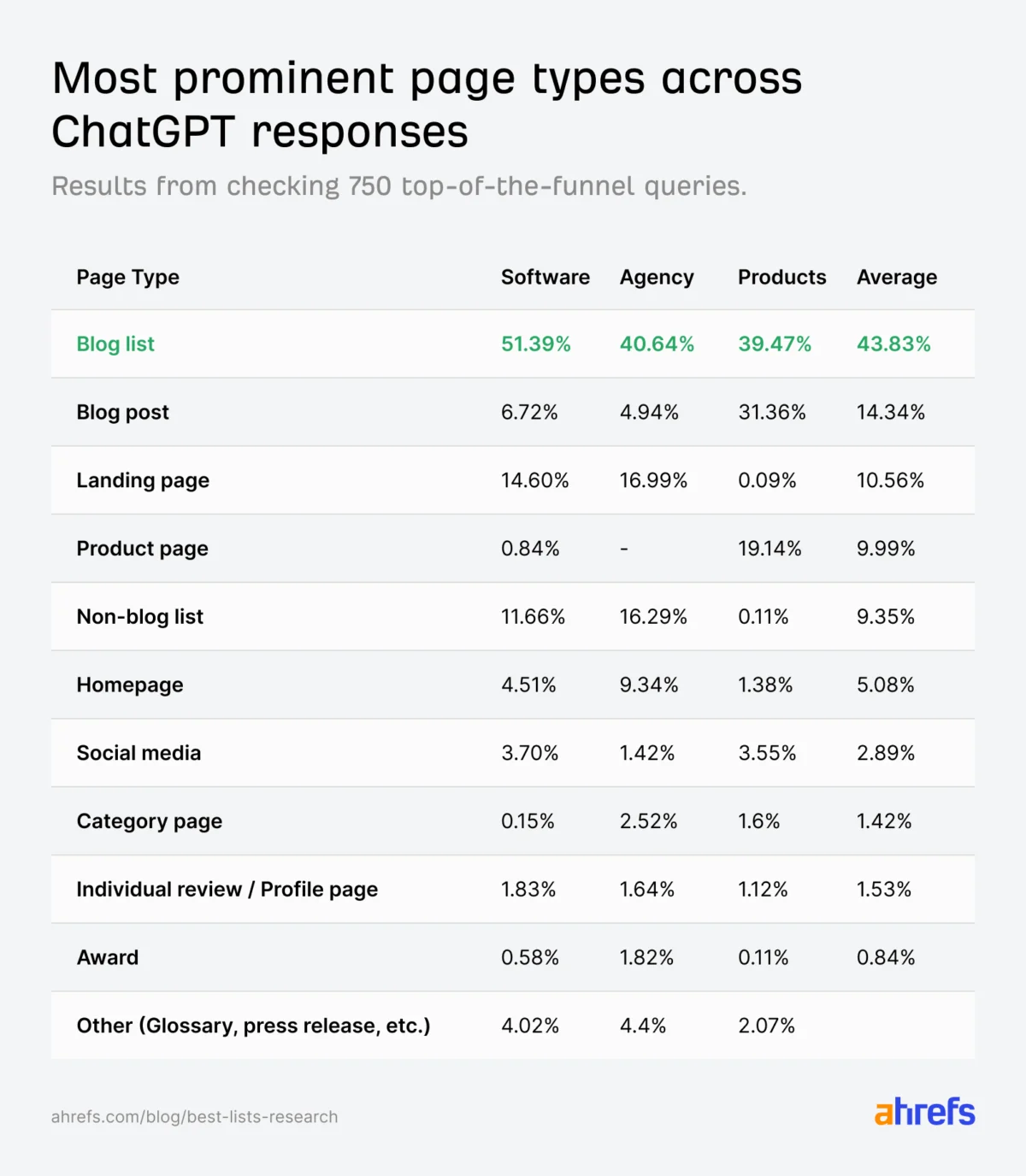
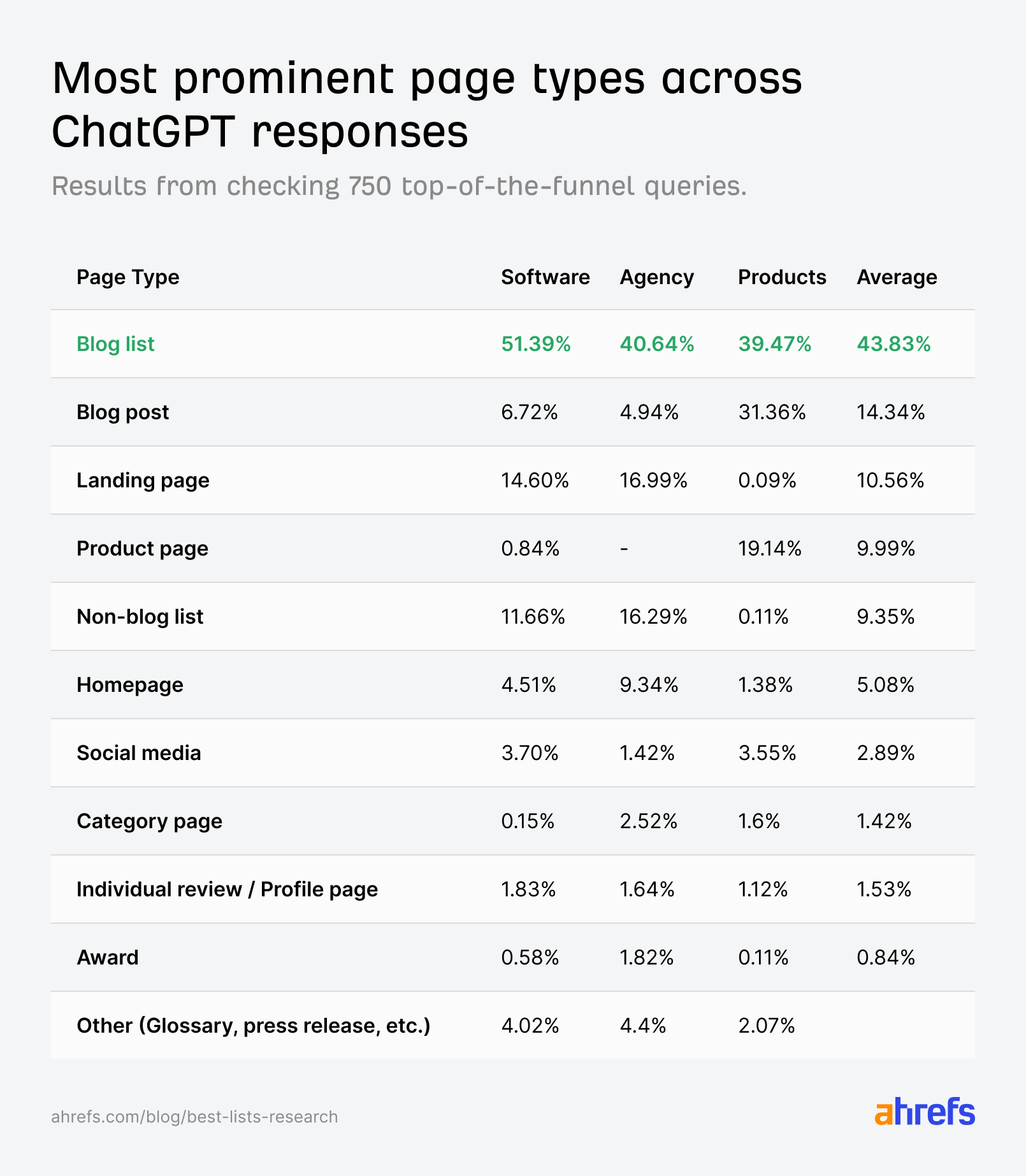
Two studies have shed light on how well this tactic performs. Glen Allsopp’s analysis of 750 ChatGPT prompts revealed that "best [category]" listicles were the most frequently cited source types in AI-generated responses, indicating that AI systems do indeed utilize this content. However, Lily Ray uncovered a critical caveat: while these listicles were often cited as sources in Google’s AI Overviews, the AI frequently recommended a different brand from within the same list. This distinction between being cited and being recommended is crucial.
These initial findings, while informative, provided only a snapshot and focused primarily on Google. This left a larger question unanswered: across the major AI assistants used for recommendations—ChatGPT, Gemini, Perplexity, and Copilot—does this strategy genuinely lead to brand recommendations, and is the impact sustained over time? To address this, a small-scale experiment has been ongoing since February 2026, tracking custom prompts and specific pages to gauge the real-world impact.
Methodology and Key Findings
The experiment tracked brand mentions and citations across multiple AI platforms. A key aspect of the methodology involved identifying instances where an AI assistant answered a specific query without initially mentioning a particular brand. The research then monitored how often newly published self-promotional content led to the brand’s inclusion in subsequent answers.
When Self-Promotional Content Showed Efficacy
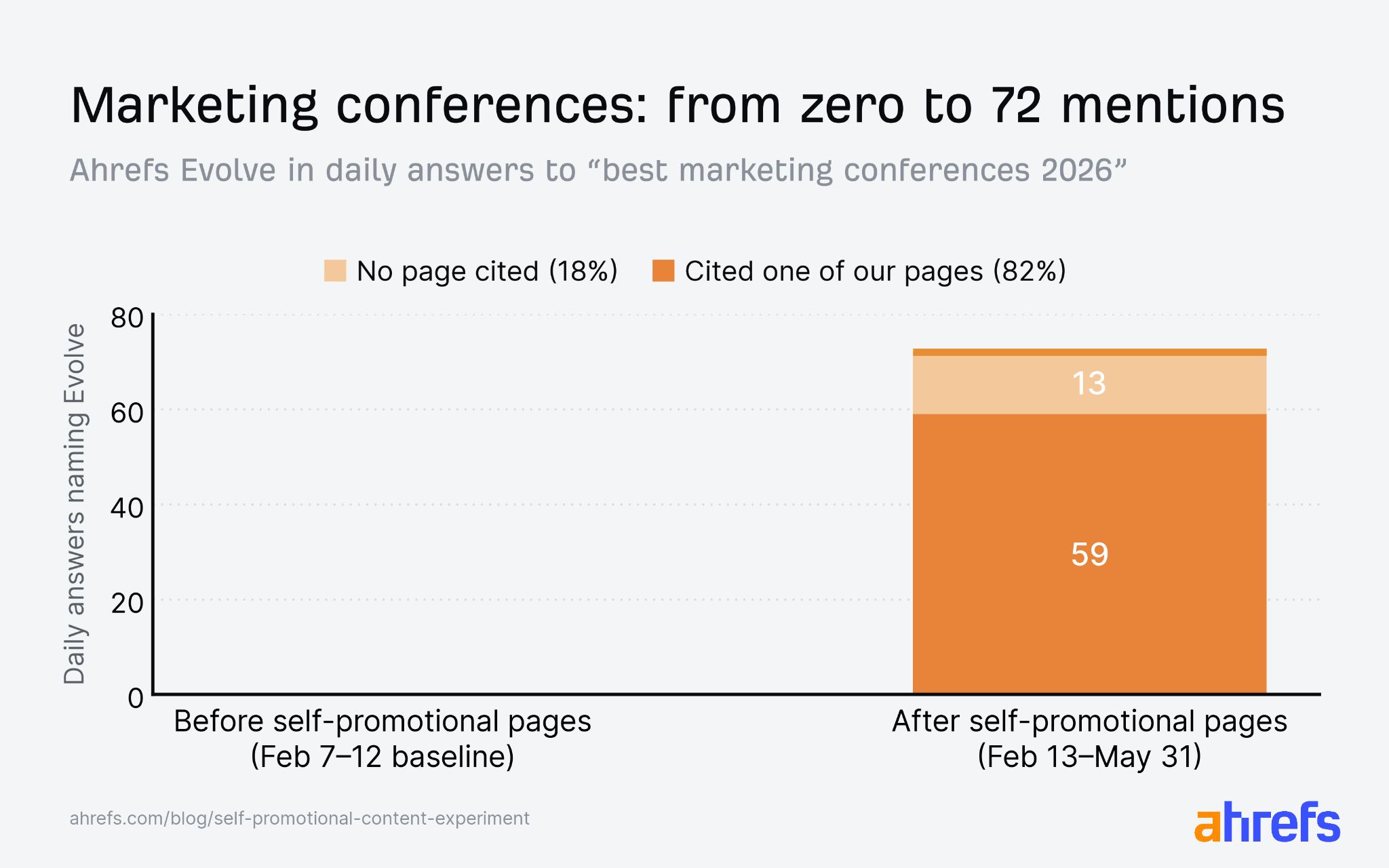
The most compelling evidence of self-promotional content’s impact came from tracking the launch of "Ahrefs Evolve," a new SEO and AEO conference. Instead of merely looking at total brand mentions, the analysis focused on cases where an AI assistant, responding to a specific query, had not mentioned the brand at all during a baseline period. After the initial publication of Evolve-related content, the conference appeared in 72 previously empty slots across AI responses. Crucially, 82% of these new mentions in previously vacant slots were attributed to answers that cited one of the newly published Evolve pages. This provides strong evidence that the content directly influenced the AI’s awareness, with the self-promotional pages often serving as the cited source for the initial introduction of the brand into the AI’s knowledge base.
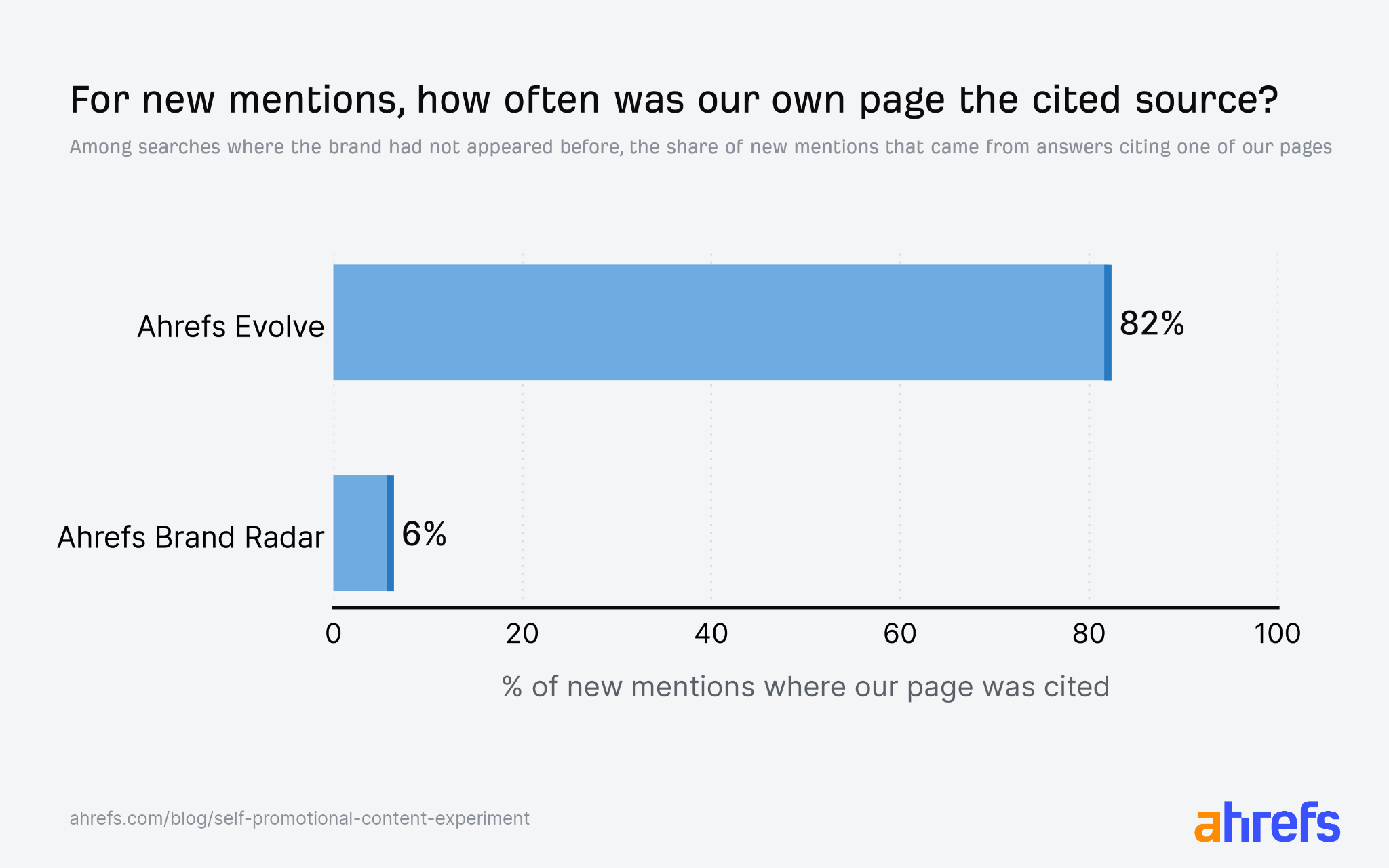
In contrast, the performance of content promoting "Ahrefs Brand Radar," an established product, told a different story. As Ahrefs is already a well-known brand, AI assistants frequently mentioned it across relevant searches, irrespective of new promotional content. When Ahrefs Brand Radar did manage to break into a previously unmentioned slot, only 6% of these new mentions originated from pages citing the new content; the vast majority (94%) came from existing third-party sources. This suggests that self-promotional content is significantly more effective for newer brands in bridging the gap from "not mentioned" to "mentioned," whereas established brands already have ample existing third-party coverage for AI to draw upon.
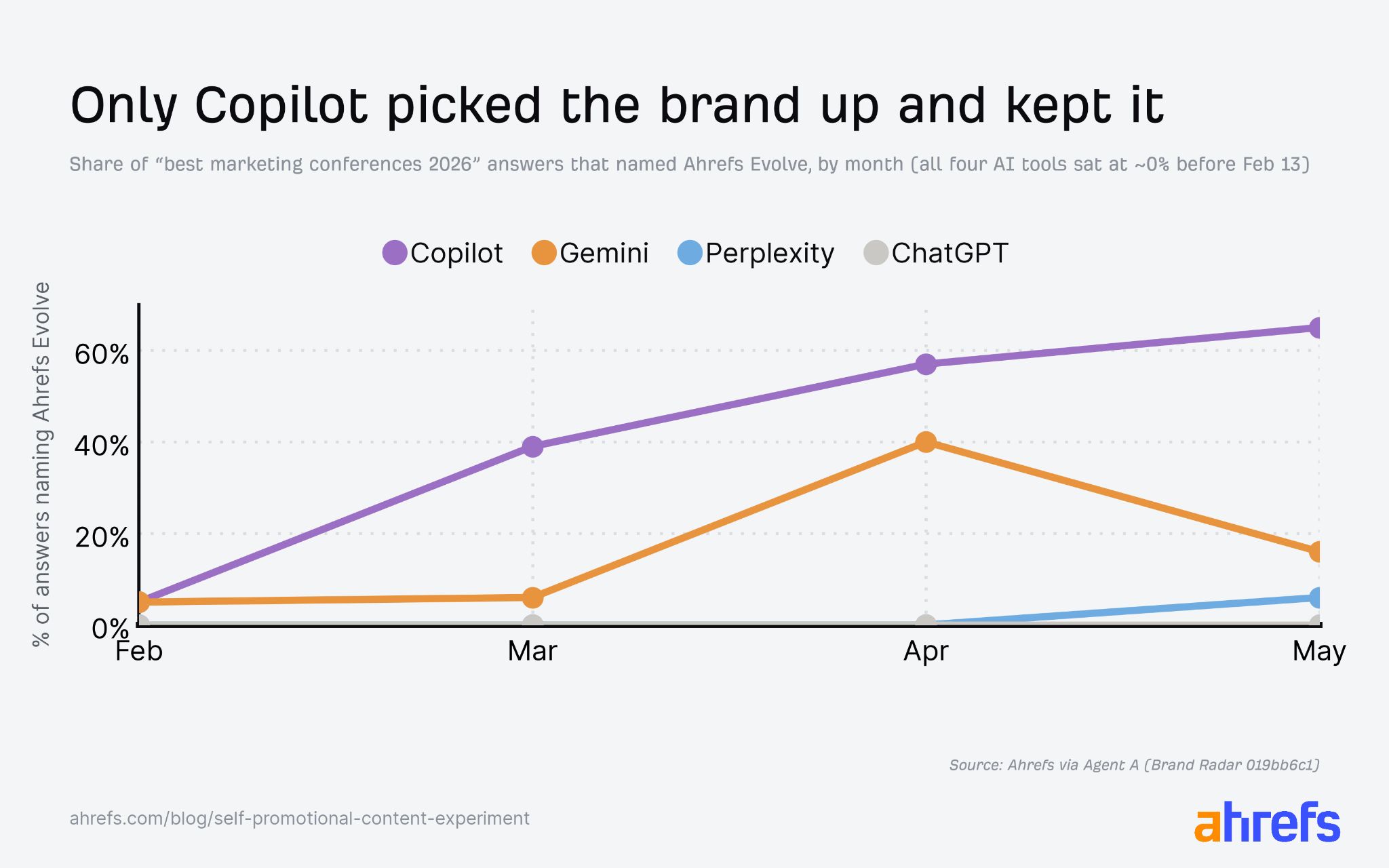
Copilot emerged as the AI assistant with the highest number of mentions. For Ahrefs Evolve, mentions surged from virtually zero before its launch to 39% of Copilot answers in March, rising to 57% in April and 65% in May. Gemini also showed an increase, though less consistently. Perplexity saw minimal movement, and ChatGPT did not mention Evolve at all for the specific query tracked.
The Catch: Citation Without Recommendation
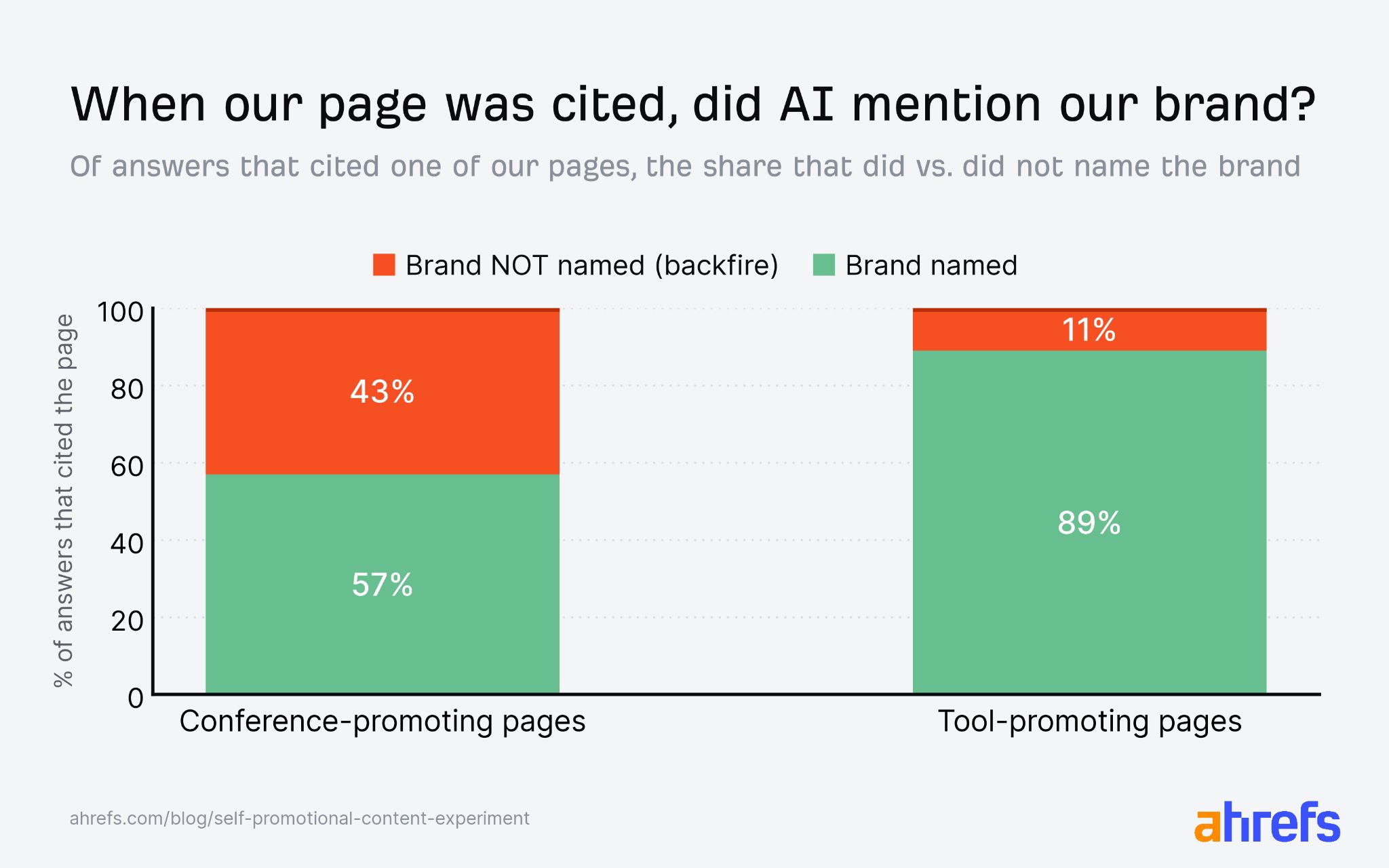
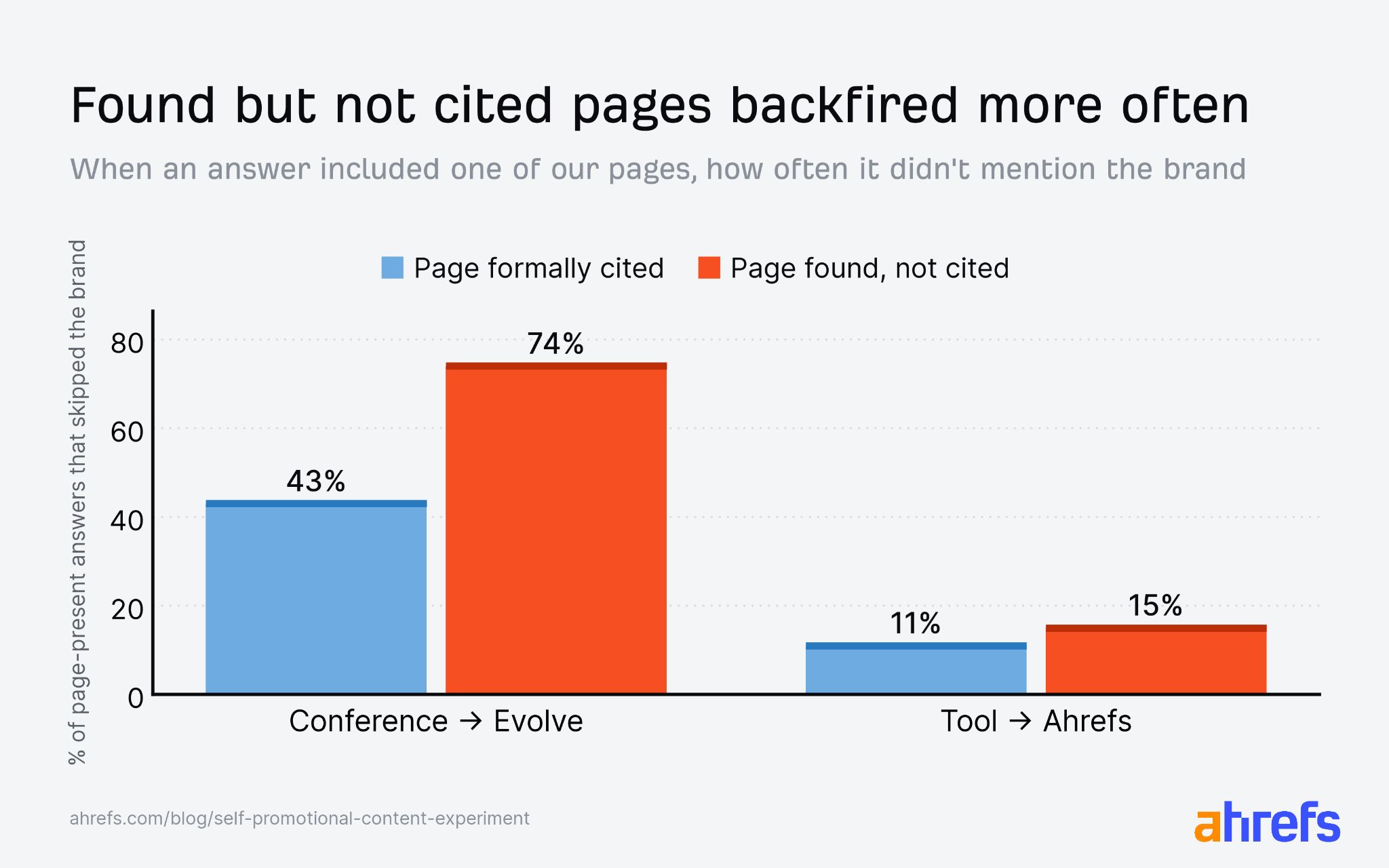
A significant and surprising outcome of the experiment was that being cited by an AI assistant did not reliably translate into being recommended. Among AI answers that cited one of the conference-promoting pages, a substantial 43% did not mention Ahrefs Evolve at all. In these instances, the AI used the page as a research source but proceeded to recommend competing conferences, highlighting a clear divergence between citation and endorsement. This pattern mirrors Lily Ray’s findings in Google’s AI Overviews, where citations do not guarantee a favorable recommendation.
The "backfire" rate was considerably lower for pages promoting Ahrefs Brand Radar. When AI cited pages about this established product, it almost always mentioned Ahrefs. Only 11% of answers that cited Ahrefs tool pages failed to mention the brand, compared to 43% for the conference pages.
The Ephemeral Nature of AI Citations
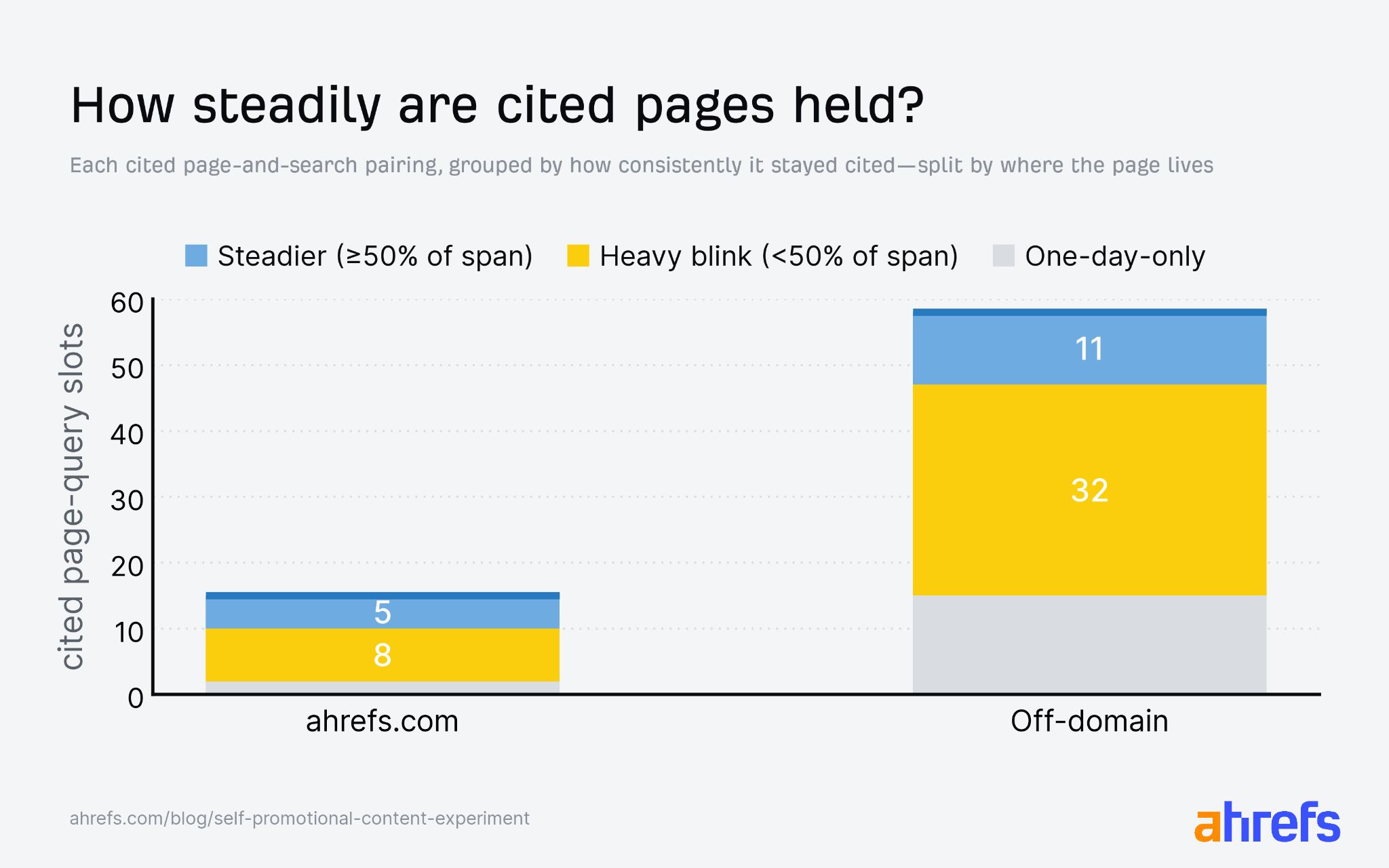
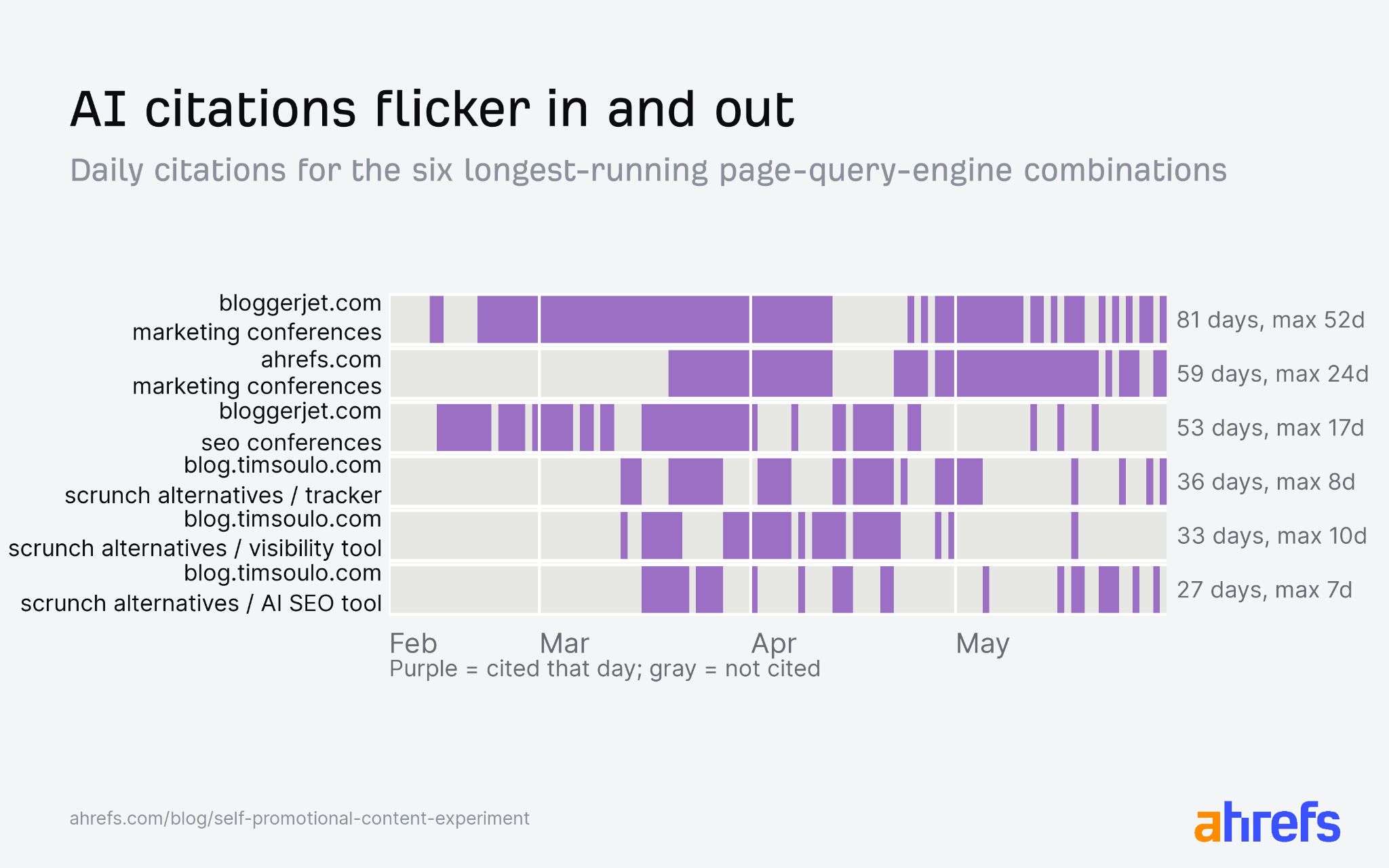
A common assumption is that once an AI assistant begins citing a page, that citation becomes a permanent fixture in its responses. However, the data indicates that citations are often temporary. Approximately one-quarter of the time, a page was cited only once for a specific query on a particular AI assistant and then never reappeared. Citations also exhibited a flickering pattern, appearing and disappearing over weeks, even without changes to the content itself.
Even recurring citations were inconsistent. Between a page’s first and last citation, it appeared in responses on only about one-third of eligible days. This suggests that earning a citation does not secure a permanent spot in AI answers; it often grants a temporary presence. This transience was observed even for pages on the authoritative ahrefs.com domain, which, while cited for longer periods overall, still experienced frequent appearances and disappearances.
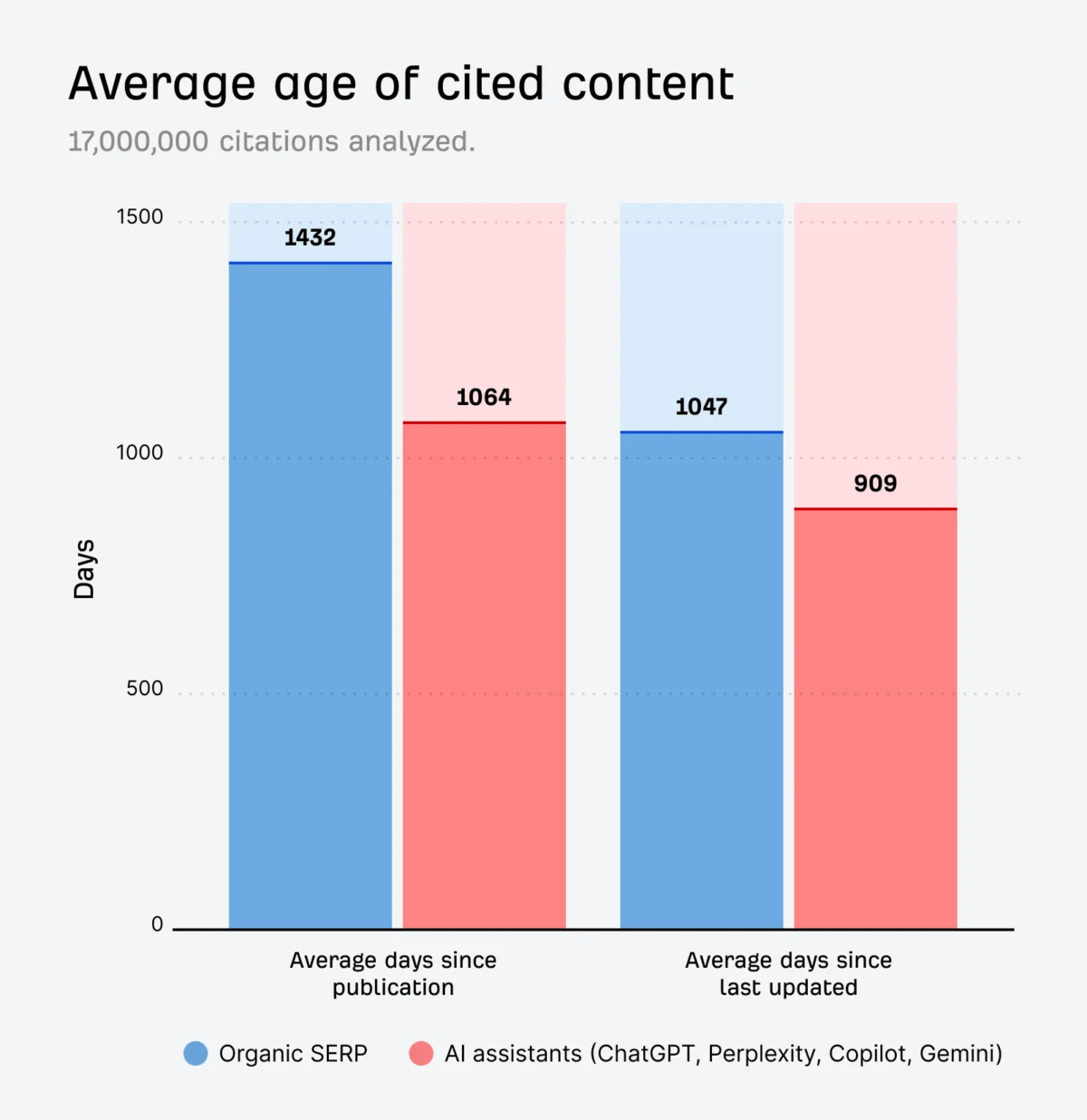
The few instances of lasting citations were predominantly found on Copilot, within narrow, on-brand queries related to conferences and "alternatives." The longest continuous run for a single combination of page and query was 52 days. This aligns with previous Ahrefs research on Google’s AI Overviews, which found that citation data changes constantly, with nearly half of the sources being new each time AI checks were performed.
Hypothesis: The Convergence of Awareness Gap, Query Fit, and Trust
The experiment’s findings support the hypothesis that self-promotional content is most effective when there is an overlap between an "awareness gap" (the AI’s lack of prior knowledge), a strong "query fit" (the brand being a natural answer to the query), and "trust" (the brand being perceived as a credible source).
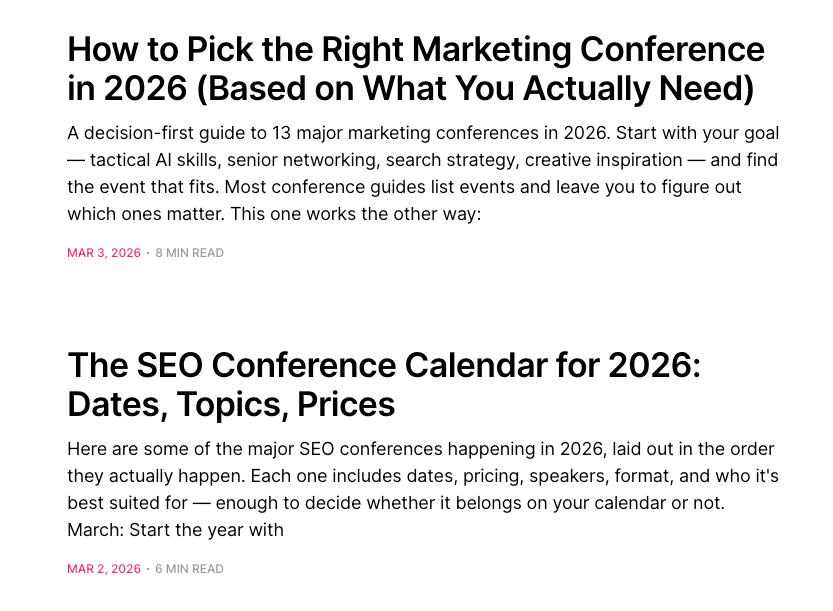
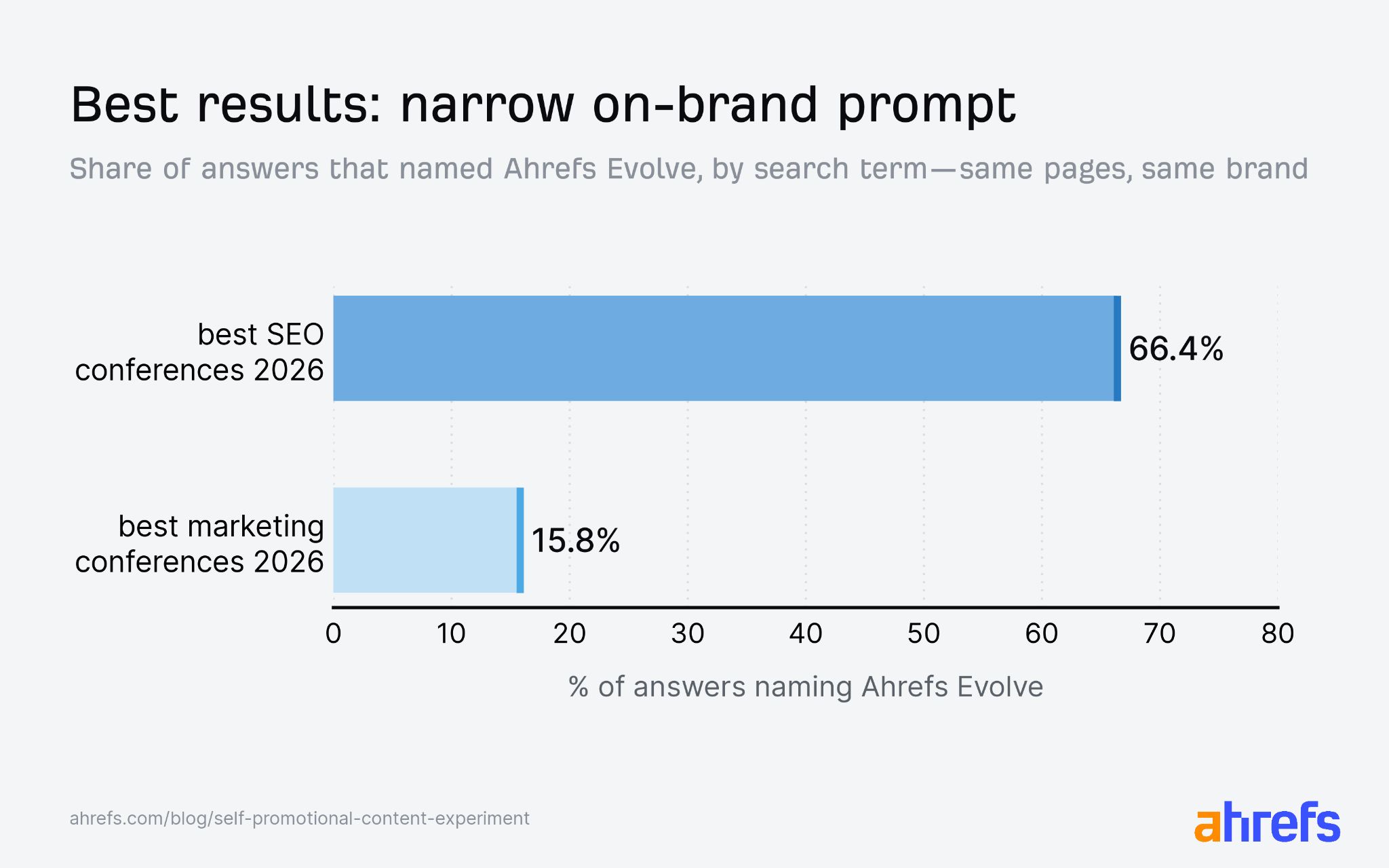
The difference in performance between queries for "best SEO conferences 2026" and "best marketing conferences 2026" was significant. Ahrefs Evolve appeared in 66.4% of responses to the SEO conference query, but only 15.8% of responses to the broader marketing conference query. This demonstrates that when a brand is a direct and logical fit for a niche query (like an SEO company discussing SEO conferences), the self-promotional content has a much higher chance of influencing AI. The pages were more than four times as effective for the on-brand SEO query compared to the more general marketing query.
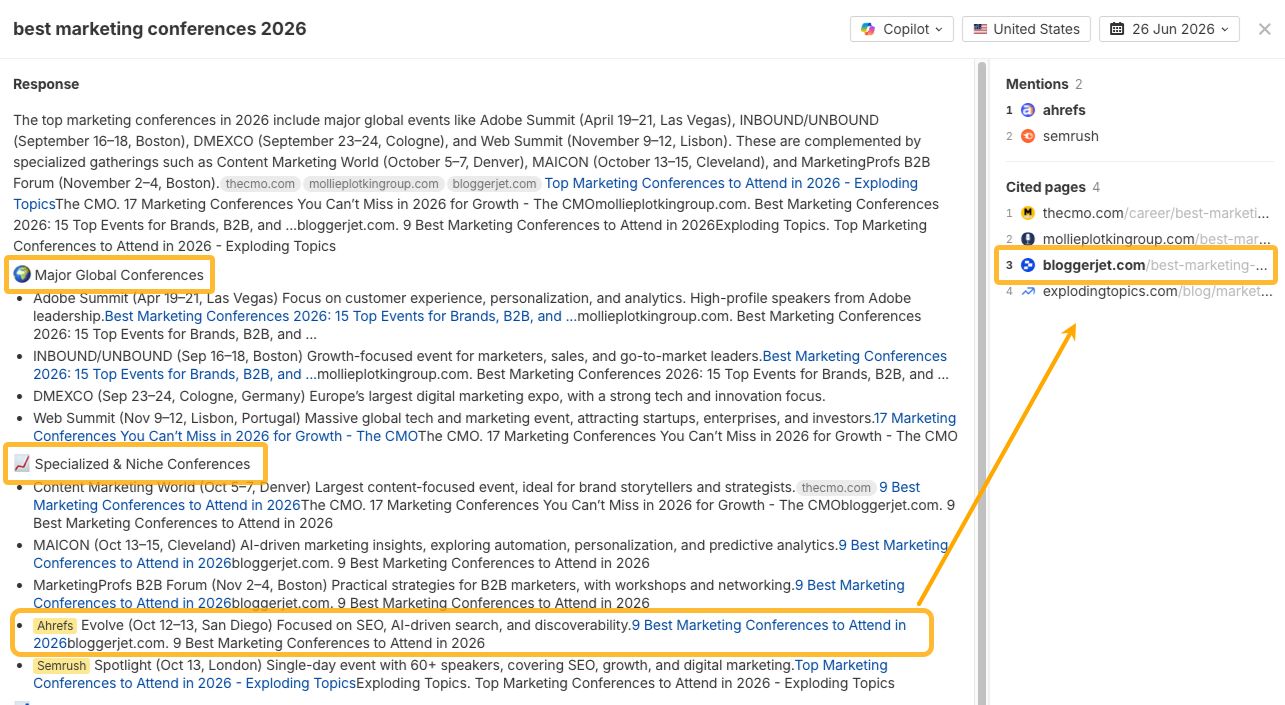
Further evidence for this hypothesis comes from Ahrefs Evolve being frequently mentioned as a specialized SEO conference when AI tools answered broader marketing conference queries. This suggests that self-promotional content is most beneficial when the brand is already a believable recommendation within the context of the query, even if it’s a more specific option within a larger category. The key test for this principle is whether a brand would appear as a natural recommendation even without the presence of the specific content created.
Cited vs. Found: The Nuance of AI Retrieval
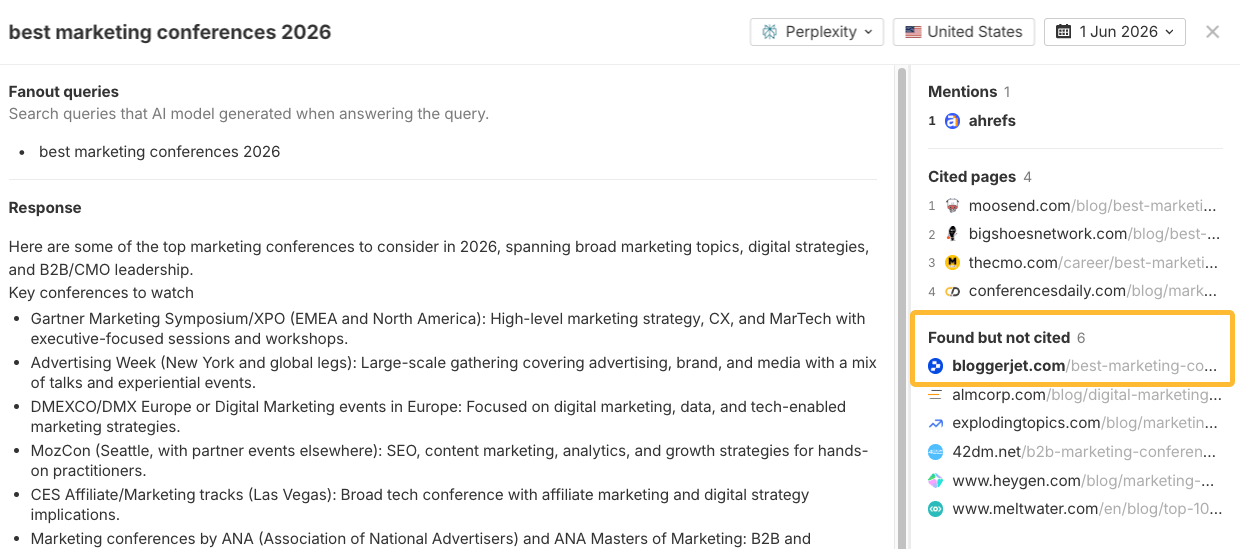
An interesting distinction emerged between pages that AI actively cites as a clickable source and those that are simply "found"—pulled into the AI’s retrieval pipeline to inform the answer but not displayed as a direct citation. The data indicates that pages found but not cited backfire more significantly. Among answers where a conference-promoting page was found but not cited, 74% omitted Ahrefs Evolve, a stark contrast to the 43% omission rate when the page was cited. For Ahrefs Brand Radar, the difference was less pronounced, likely due to the existing volume of third-party recommendations. In these cases, found-but-not-cited pages were more likely to reinforce the existing consensus rather than introduce a new recommendation.
The engine itself appears to influence whether a present page is cited or merely found. Perplexity left 76% of present conference pages uncited, while ChatGPT cited 61%. This suggests potential opportunities for optimizing pages to be cited, with the strategy potentially varying by AI engine.
Tracking Methodology
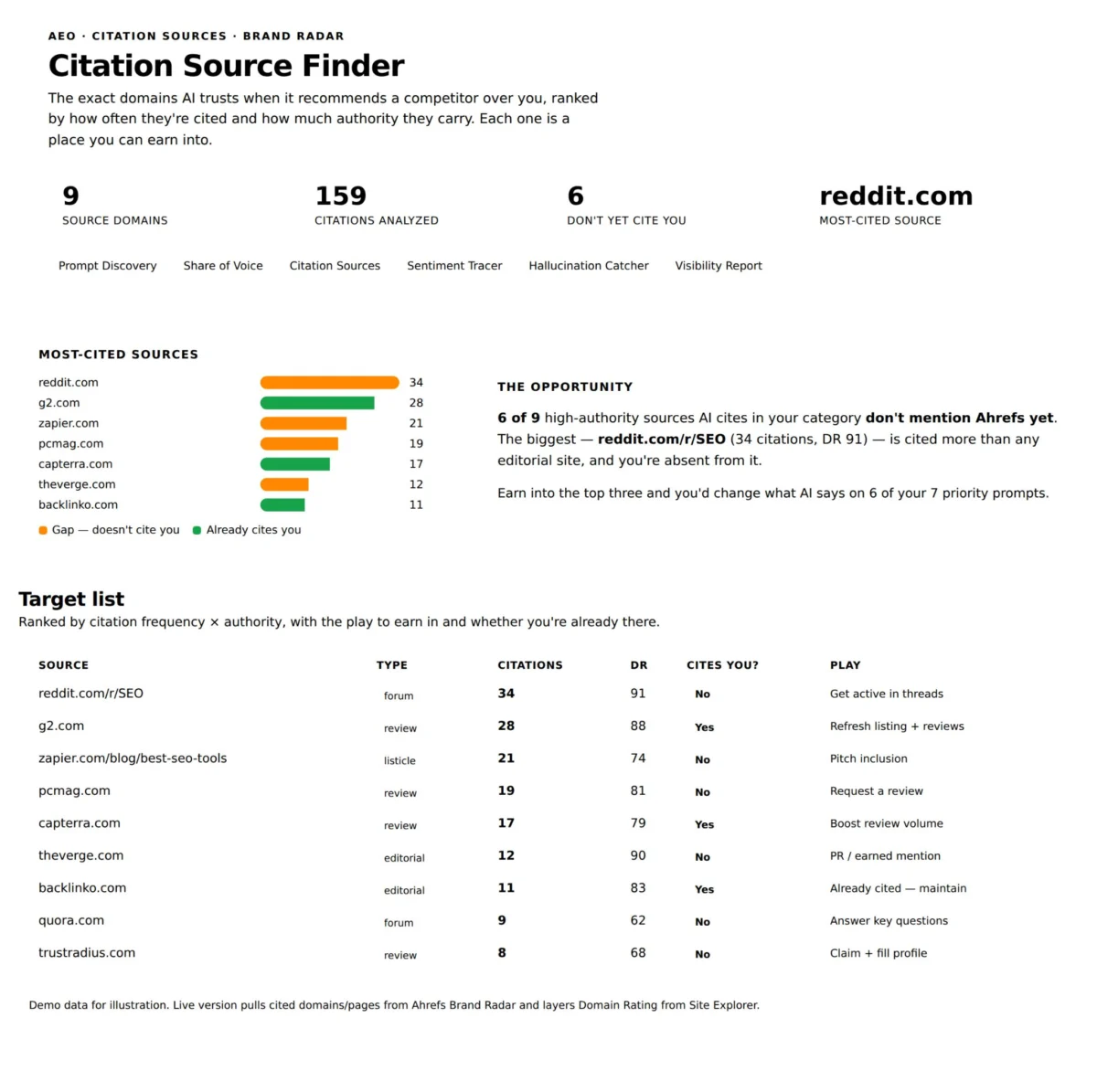
The experiment utilized Ahrefs’ Brand Radar features to monitor custom prompts and specific pages. Users can set up custom prompts by navigating to "Tracked prompts" and using the "add prompts" button. Pages can be added to a watchlist within the "Cited pages" section. By filtering the Cited pages report, users can observe where their tracked pages were found or cited across different AI assistants. The tool Letaido can also be used to automate the creation of Brand Radar projects, prompt tracking, and watchlist additions.
Final Thoughts and Ethical Considerations
The experiment suggests that while self-promotional content can inadvertently expose competitors and yield temporary citations, it does hold potential for influencing AI recommendations, particularly for newer brands in niche contexts. When considering this tactic, several principles for ethical implementation emerge:
The "documentation tax"—the ongoing effort to keep content accurate and up-to-date—is a significant consideration. Outdated information can mislead AI systems about both your business and your competitors. Automation, potentially aided by AI, is crucial for managing this burden and ensuring the integrity of the information fed to AI models.