 11

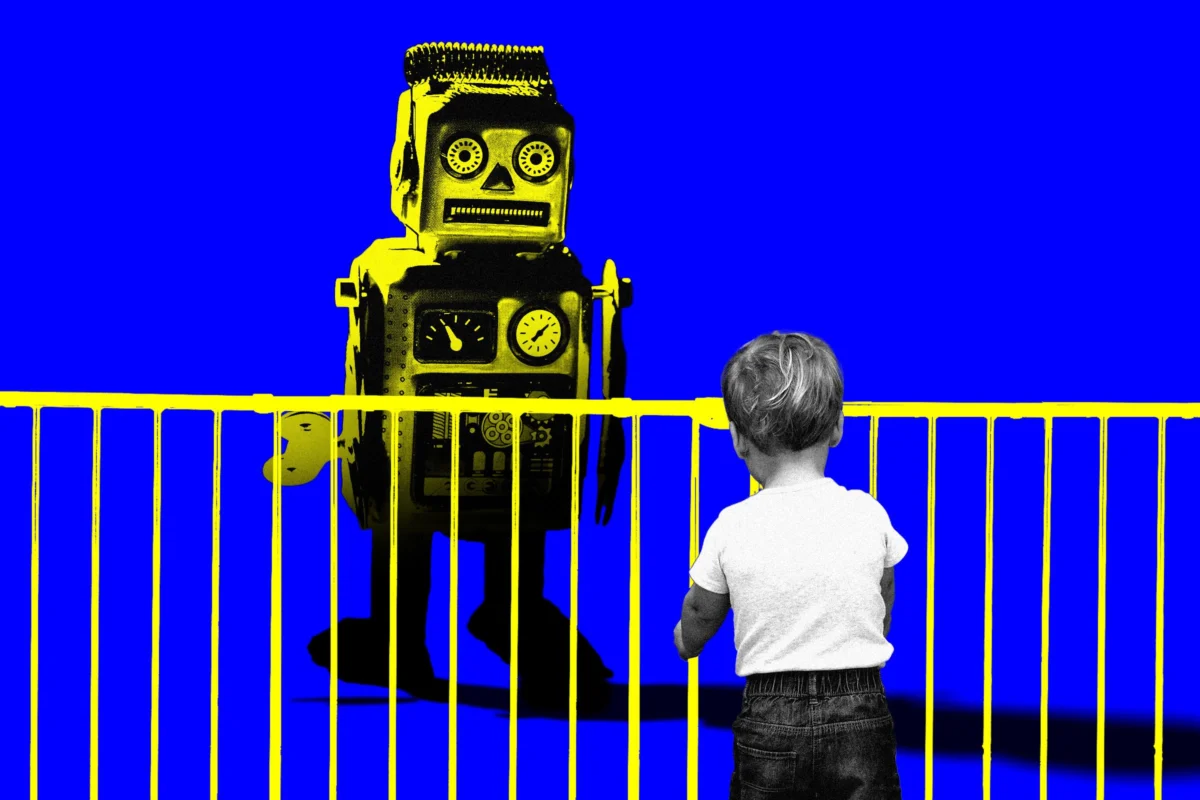
The European Union has unveiled ambitious plans to restrict the interaction of AI chatbots with individuals under the age of 18, specifically targeting functionalities that simulate emotions or interpersonal relationships. This pioneering legislative move is a direct response to growing concerns that such technology could foster emotional dependencies in children and negatively impact their development and real-world human interactions. The comprehensive proposal forms a central part of the newly introduced "EU Kids Act," a landmark legislative package designed to bolster digital safety and well-being for minors across the bloc.
Proposed on Thursday, the EU Kids Act extends its reach beyond AI chatbots, encompassing similar stringent restrictions on minors’ access to social media and video-sharing platforms. Under the draft legislation, as reviewed by WIRED, children under 13 years of age will be prohibited from accessing chatbots without the explicit supervision of their legal guardians. The proposed law also carries significant punitive measures for non-compliance, with digital platforms facing substantial fines of up to 6 percent of their total worldwide turnover, underscoring the EU’s serious commitment to enforcing these new safeguards.
A key provision within the proposed regulations addresses the memory retention capabilities of chatbots. Under the new rules, chatbots operating within the EU will not be permitted to retain a memory of interactions across separate conversations. This measure is intended to mitigate the risk of systems accumulating sensitive data belonging to minors over time, a concern heightened by the potential for such data to reinforce harmful interaction patterns or be exploited in unforeseen ways. The Commission views this as a critical step in safeguarding children’s privacy and protecting them from evolving digital risks.
Furthermore, the proposed law explicitly stipulates that providers of online social networking sites, video-sharing platforms, and gaming services should not automatically activate or actively encourage the use of AI chatbots on their platforms. This includes a direct prohibition against "pinning" AI companions or general conversational chatbots at the top of a minor’s contacts list, a practice notably employed by platforms such as Snapchat. This particular restriction aims to prevent algorithmic nudges and default settings from pushing potentially harmful AI interactions onto young users, who may be less equipped to discern or resist such persuasive design.
The scope of the current proposal is specifically tailored to AI companions and general conversational chatbots that the European Commission identifies as posing serious risks to the health, safety, and overall well-being of minors. While these targeted measures are broadly welcomed by advocacy groups, some experts argue for a broader application. Simeon de Brouwer, a policy adviser at the Brussels-based advocacy group European Digital Rights, expressed support for the chatbot measures but told WIRED that it "doesn’t make sense to restrict them to young people only." He posed a pertinent question: "Don’t we all deserve to be protected from AIs designed to be addictive, from AIs which create emotional dependencies, or from AI features which are activated and pushed by default onto users?" The EU has indicated that its forthcoming Digital Fairness Act, slated for unveiling later this year, is expected to propose more expansive clampdowns on addictive design across digital platforms, suggesting a wider regulatory approach to these concerns.
The European Commission’s anxieties extend to the potential psychological and developmental repercussions of unchecked AI interaction. In documents reviewed by WIRED, the Commission explicitly voiced concerns that a dependency on chatbots could negatively impact a child’s natural development and their ability to form meaningful relationships with other humans. This apprehension is rooted in the understanding that childhood and adolescence are critical periods for social learning and emotional maturation, processes that could be undermined by over-reliance on artificial companions. The Commission is also deeply troubled by the prospect of chatbots dispensing dangerous advice to minors, particularly concerning sensitive areas such as mental health and personal development. Such advice, the Commission warns, holds the potential to shape and encourage risky behavior in impressionable young individuals, with potentially severe real-world consequences.
President Ursula von der Leyen underscored the urgency of these measures during a press conference on Thursday, stating emphatically that "platforms have been playing fast and loose with children’s mental health." Her statement reflects a growing consensus among policymakers and child safety advocates that digital platforms have not adequately prioritized the well-being of their youngest users. Empirical data supports these concerns: an Ipsos BVA survey conducted across France, Germany, Sweden, and Ireland revealed that approximately half of all Europeans aged 11 to 25 have engaged in discussions about intimate or personal matters with AI chatbots. This statistic highlights the extent to which young people are already integrating AI into their emotional lives, making the EU’s preventative measures particularly timely. The EU’s proactive stance aligns with similar efforts globally, with both Australia and the United Kingdom already attempting to restrict minors’ access to chatbots through their respective social media bans, indicating an international recognition of these burgeoning risks.
Beyond emotional and developmental harms, the EU has also highlighted the tangible dangers posed by deepfakes generated by chatbots. President von der Leyen alluded to this concern in her State of the Union speech on Wednesday, declaring, "We do not have to accept that girls have their photos used for AI-generated sexualized images… Europe has the power to act." This powerful statement directly addresses the alarming proliferation of non-consensual sexualized imagery created through AI, often targeting minors. While the existing EU AI Act has mandated the labeling of synthetic content as AI-generated since August, these rules currently apply only to deepfakes produced for commercial use. The EU Kids Act seeks to close this critical loophole, particularly concerning content affecting minors, thereby offering a more robust shield against such exploitative practices.
The Commission’s concerns also extend to the cognitive impacts of digital technologies, attributing a decline in basic skills among young people to digital distraction. Research spanning 91 countries by the Organisation for Economic Co-operation and Development (OECD) provides compelling evidence, indicating that children who report using AI chatbots for schoolwork consistently achieve lower test scores than their peers who do not. This finding suggests a potential "deskilling" effect, where reliance on AI tools may hinder the development of fundamental cognitive abilities and critical thinking skills. Researchers from the independent network EU Kids Online further elaborated on these concerns in a recent report, asserting that these cognitive impacts and instances of deskilling "expose the absence of children’s rights from the design of GenAI’s tools." This critique suggests that current generative AI technologies are often developed without adequate consideration for the unique developmental needs and vulnerabilities of children, necessitating a fundamental shift in design philosophy towards child-centric safety.
The EU Kids Act, with its specific prohibitions on emotional simulation, memory retention, and default activation of chatbots for minors, represents a significant step in the EU’s broader strategy to regulate the digital space. By imposing stringent penalties and requiring platforms to embed child-safety protections into their products from the outset, the EU aims to create a safer and more developmentally appropriate online environment for its youngest citizens. This legislative push, alongside the upcoming Digital Fairness Act and the already enacted AI Act, solidifies the EU’s position as a global leader in establishing comprehensive regulatory frameworks for emerging digital technologies, prioritizing human well-being and fundamental rights over unchecked technological advancement.






