 11
11
The distinction between "keyword intent" and "search intent" is often blurred, with both terms commonly used interchangeably to describe the underlying reason behind a search query. However, a practical difference exists, significantly impacting how this concept is applied in keyword research and content strategy. Search intent focuses on optimizing content to align with what search engine results pages (SERPs) currently reward. Keyword intent, conversely, acts as a preliminary filter during keyword research, determining whether a keyword should even be considered for a website’s strategy. If a keyword’s inherent intent does not align with what a website can realistically fulfill and convert, it should be excluded from the plan, regardless of its search volume.
The Four Primary Buckets of Keyword Intent
A common framework categorizes keywords into four main types of intent, each offering distinct implications for a keyword strategy:
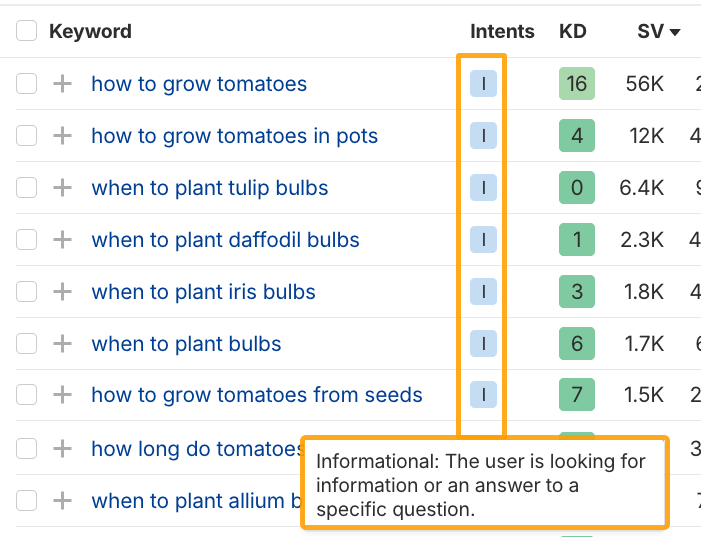
1. Informational Keywords: These searches are driven by a need for answers, explanations, or guidance. Examples include "how to grow tomatoes," "why are my plant leaves turning yellow," or "when to plant bulbs." Informational keywords constitute the majority of search volume across most niches and form the bedrock of many content strategies. They are valuable when traffic potential is high, building topical authority is a strategic goal, and there’s a natural opportunity to integrate a product or service contextually. However, they are best avoided when the website’s offerings do not align with providing comprehensive answers or when the primary goal is immediate sales.
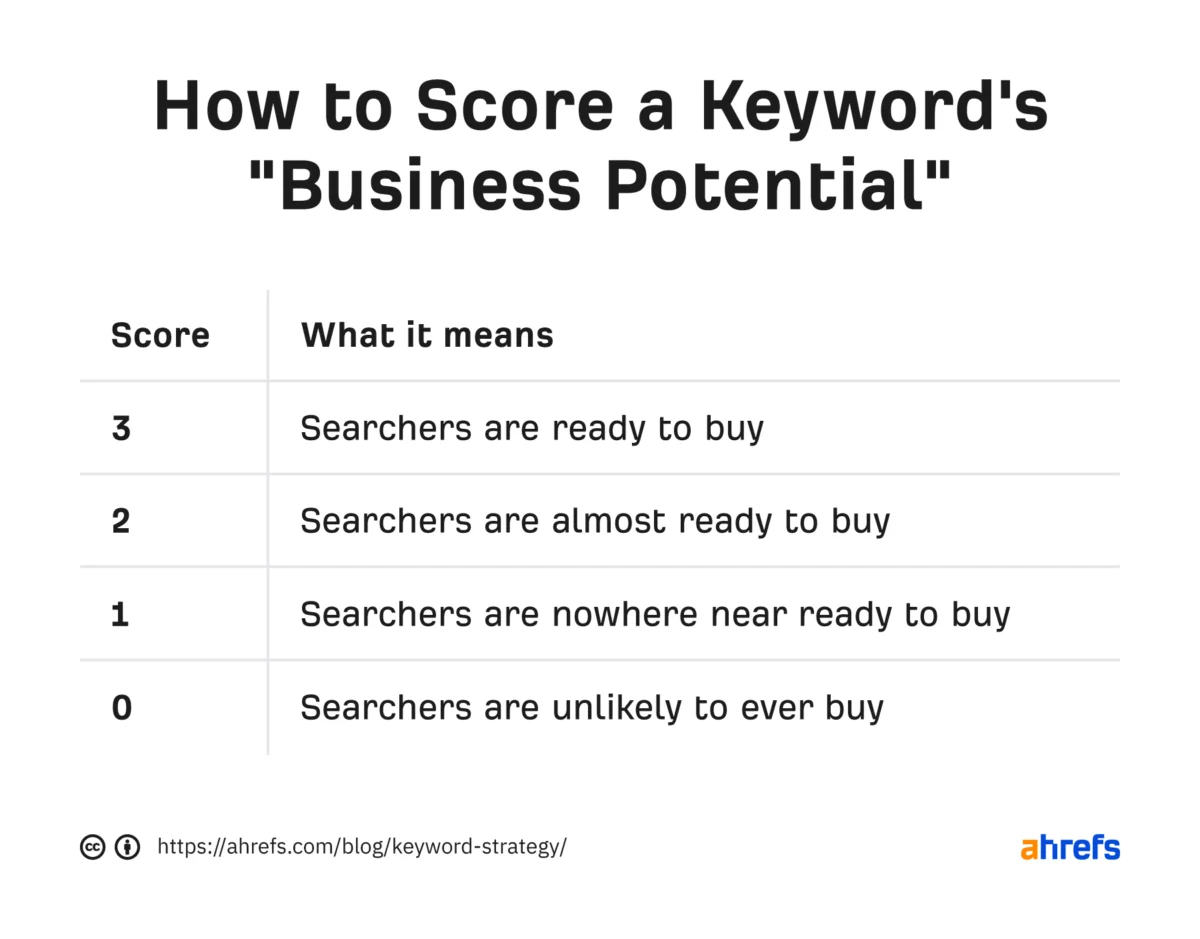
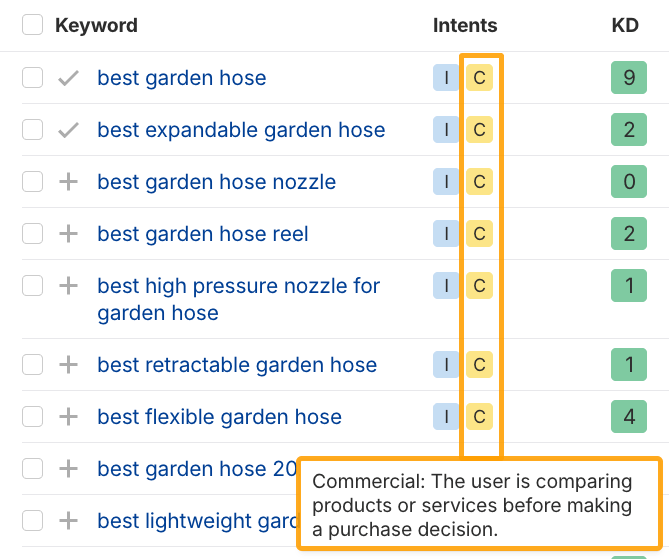
2. Commercial Keywords: Commercial investigation keywords occupy a space between initial research and the point of purchase. Queries such as "best garden hose," "raised bed vs in-ground gardening," or "top fertilizers for vegetables" indicate that the searcher is evaluating options but has not yet committed to a purchase. These keywords are particularly strategic for e-commerce or affiliate marketing websites. Their suitability for inclusion in a keyword strategy depends entirely on the products a website sells or promotes. The Ahrefs Business Potential score is a valuable tool for assessing these keywords, rating them based on how naturally a product can be presented as a solution.
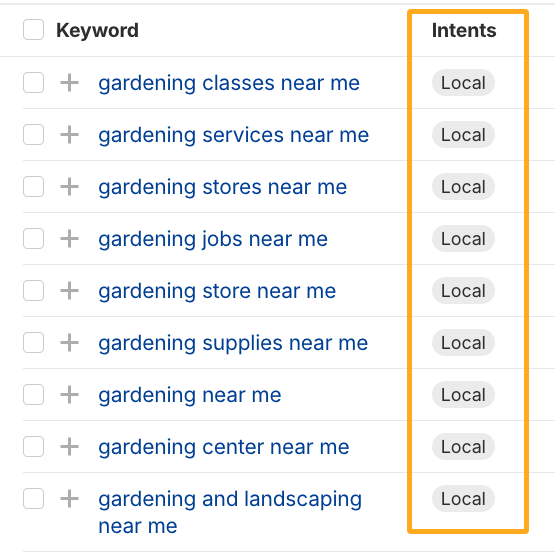
3. Transactional Keywords: These keywords signal immediate purchase intent, exemplified by phrases like "buy garden hose online," "greenhouse kits for sale," or "Miracle-Gro potting mix price." While transactional keywords convert well, they are highly competitive and costly to rank for organically. Their proximity to the point of purchase attracts significant competition from both organic search results and paid advertisers willing to invest heavily. Targeting these keywords organically is beneficial if ranking is achievable, and bidding on them in paid search is a viable option if organic ranking is not feasible.
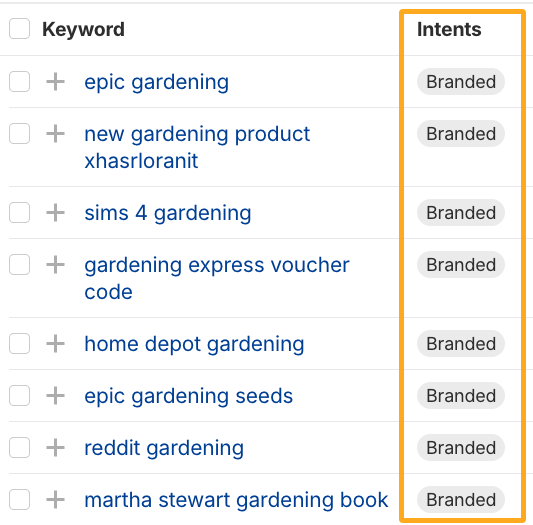
4. Navigational Keywords: Navigational keywords are used when users are searching for a specific brand or destination. Examples include "Thompson & Morgan website," "RHS plant finder," or "Gardeners’ World magazine." The only navigational terms that are strategically important to own are those related to one’s own brand, such as "Ahrefs login," "Ahrefs pricing," or "Ahrefs free trial." These searches indicate individuals already looking for a specific entity, and ranking prominently for them is crucial for protecting one’s online presence.

Beyond the Four: Recognizing Local and Branded Intent
The standard four-bucket model often overlooks two significant categories of keyword intent that behave distinctly in practice and are explicitly recognized by tools like Ahrefs’ Keywords Explorer:
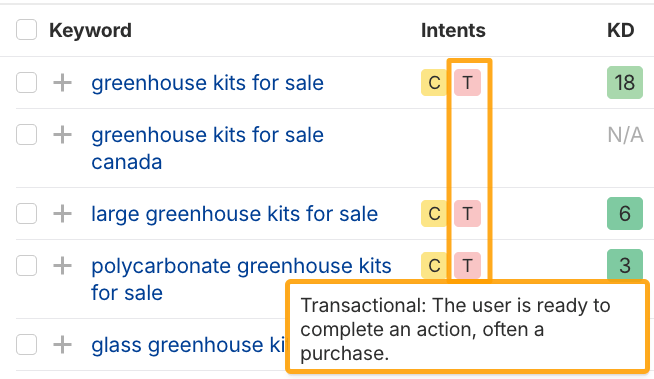
Local Intent: Keywords with local intent are not merely transactional queries with a location modifier. Phrases like "dentist near me" or "coffee shop Shoreditch" trigger SERPs that differ fundamentally from standard organic queries. Standard content-based SEO is largely ineffective for these terms. Instead, keywords with local intent demand a localized SEO approach, involving the optimization of Google Business Profiles, building local citations, and earning customer reviews, rather than solely focusing on content creation.
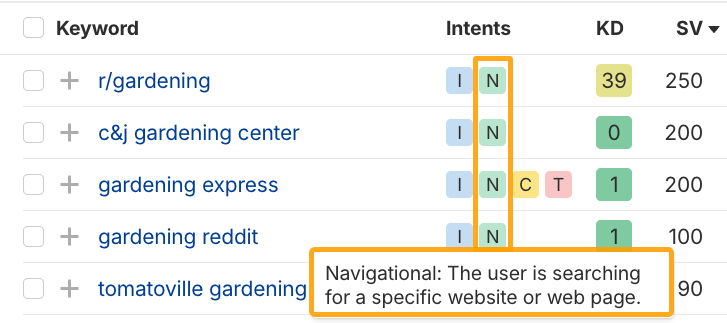
Branded Intent: This category encompasses keywords that include a brand or organizational entity by name. This can refer to a company’s own brand, a competitor’s brand, or an unrelated organization within the same industry. For example, in the gardening niche, this could include "Epic Gardening" (competitor), "Home Depot gardening" (retailer), or "Martha Stewart gardening book" (unrelated brand sharing an audience). These keywords are not always navigational in the traditional sense. Many branded keywords carry commercial or transactional signals, and appearing for them often requires a competitive strategy, potentially including paid search advertising.
Navigating Keywords with Mixed Intent
Certain keywords defy easy categorization, exhibiting mixed intent. For instance, "project management software" can signal both informational and commercial intent. Similarly, "best deals on running shoes" can sit at the intersection of informational, commercial, and transactional, depending on the searcher’s stage in the buying journey.
When encountering such keywords, two approaches can be adopted: either optimize for a single dominant intent or create separate content pieces addressing the keyword from various intent perspectives. For example, an e-commerce site selling costumes might target "Halloween costume" on its product pages, fulfilling commercial and transactional intent. Concurrently, it could develop blog content offering tips for DIY costumes or lists of couple’s costume ideas, linking to relevant products. This strategy ensures that all keyword intents are addressed with content tailored to searchers at different stages of their purchasing funnel.
Leveraging Ahrefs for Intent Identification
Ahrefs offers several tools to identify keyword intent, both individually and at scale:
Keywords Explorer: When building keyword lists, the "AI intent identification" feature can be used by expanding SERP results. This feature provides a percentage breakdown of how many ranking pages align with specific intents.

AI Content Helper: Users can select an intent for any keyword within the AI Content Helper. The content optimization report then customizes based on the chosen intent.
Rank Tracker: Monitoring intent drift for priority keywords is possible in Rank Tracker. By opening the SERP overview for target keywords and comparing different time periods, users can utilize the "Identify intents" feature to track shifts in search intent over time.

Ahrefs MCP (Mass Content Planner): For large-scale intent analysis, the MCP can be connected to an LLM (like Claude or ChatGPT). This allows for direct prompting to group keywords by intent type and flag those with high traffic potential, automating the process of analyzing extensive keyword lists. The MCP is particularly useful for mapping out intents in new niches before granular filtering in Keywords Explorer.
Keyword Intent: The Foundational Filter
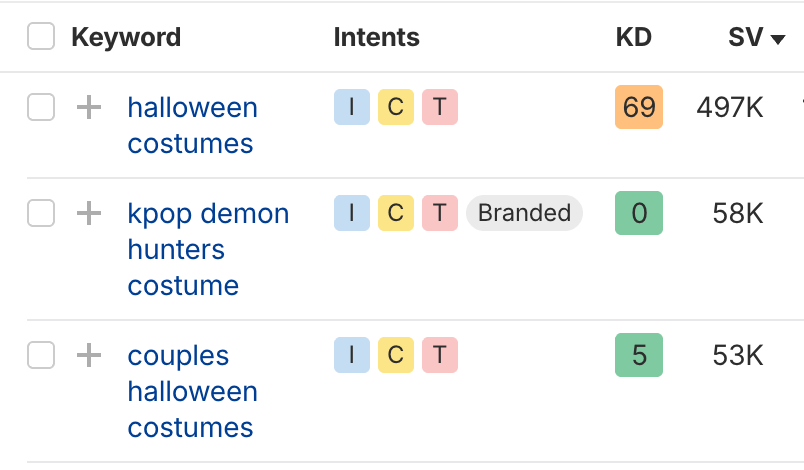
Ultimately, keyword intent serves as the initial and most critical filter in any keyword research process. Before considering search volume, keyword difficulty, or content calendar planning, it is imperative to assess whether a keyword’s intent aligns with what a website can realistically deliver to searchers and convert. If there is a mismatch, the potential traffic volume becomes irrelevant. This analytical discipline is what keyword intent analysis demands, acting as a strategic foundation that shapes all subsequent steps in the keyword research and content planning workflow.