 11
11
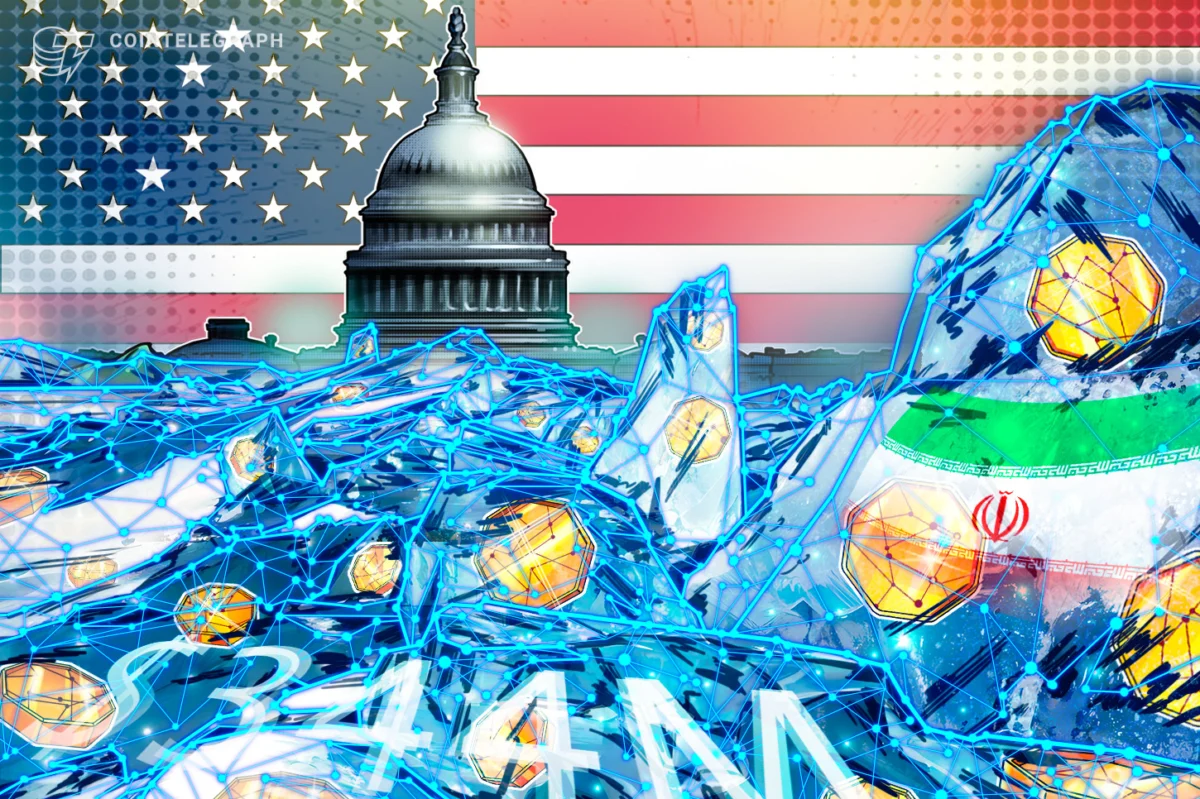
The U.S. Treasury Department, through its Office of Foreign Assets Control (OFAC), has announced the sanctioning of multiple cryptocurrency wallets associated with Iran, resulting in the freezing of approximately $344 million in digital assets. This significant action underscores the U.S. government’s ongoing efforts to disrupt Iran’s financial activities and limit its capacity to fund illicit operations.
U.S. Treasury Secretary Scott Bessent revealed the development in a post on X (formerly Twitter), emphasizing that the OFAC’s move is a critical component of the broader U.S. strategy to "systematically degrade Tehran’s ability to generate, move, and repatriate funds." This statement directly links the cryptocurrency sanctions to the broader geopolitical tensions and the recent escalation of hostilities, including joint airstrikes launched by the U.S. and Israel on Iran in late February.
Secretary Bessent further elaborated on the Treasury’s commitment, stating, "We will follow the money that Tehran is desperately attempting to move outside of the country and target all financial lifelines tied to the regime." This declaration signals a determined approach to tracking and dismantling the financial networks that support the Iranian government.
The announcement from the Treasury Secretary came on the heels of a statement from the stablecoin issuer Tether. Just one day prior, Tether had confirmed the freezing of over $344 million worth of its USDt (USDT) stablecoins at the request of U.S. authorities. At the time of Tether’s announcement, the company cited "activity tied to unlawful conduct" without explicitly naming Iran. However, the Treasury’s subsequent revelation directly connects these frozen assets to Iranian-linked entities.
Further details emerged as the U.S. government updated its list of Specially Designated Nationals (SDN) on Friday. OFAC officially sanctioned two specific cryptocurrency addresses on the Tron blockchain, which collectively held the $344 million in question. Treasury officials asserted that these wallets were directly linked to the Islamic Revolutionary Guard Corps (IRGC), a powerful branch of Iran’s military, and Hezbollah, a Lebanese political and militant group often supported by Iran. The designation of these entities on the SDN list imposes strict sanctions, prohibiting U.S. persons from engaging in any transactions with them and freezing any assets they may hold within U.S. jurisdiction.

This significant cryptocurrency seizure occurs amidst reports suggesting that Iran has been exploring and implementing innovative methods to generate revenue through digital assets. Notably, recent intelligence indicated that Iran was planning to charge ships passing through the Strait of Hormuz, a strategically vital waterway for global oil and supply transit, in Bitcoin (BTC). Forbes reported on Thursday that Iran had indeed begun to accrue revenue from these cryptocurrency tolls.
The Strait of Hormuz has become a focal point of escalating tensions between Iran and Western powers, particularly the United States and Israel. Despite a reported ceasefire agreement between the U.S. and Iran, as stated by U.S. President Donald Trump earlier in the week, incidents in the waterway continue to fuel instability. Iran has reportedly attacked three ships utilizing this critical maritime route, prompting a response from U.S. naval forces, which have established a blockade to ensure freedom of navigation and deter further aggression.
The U.S. government’s actions against Iran’s cryptocurrency holdings are part of a multi-pronged strategy aimed at curtailing the regime’s financial resources, which are often alleged to be used to fund regional proxy groups and destabilizing activities. The use of cryptocurrency by state and non-state actors to circumvent international sanctions has been a growing concern for global financial regulators. This latest action by OFAC highlights the increasing sophistication of U.S. efforts to monitor and interdict illicit financial flows in the digital asset space.
The freezing of these funds is not merely a financial maneuver but a strategic move designed to disrupt Iran’s ability to engage in activities deemed detrimental to regional and international security. By targeting these digital wallets, the U.S. aims to sever a potentially crucial avenue for Iran to access and utilize funds outside the traditional financial system, which is more heavily regulated and subject to international oversight. The collaboration with stablecoin issuers like Tether demonstrates a growing partnership between government agencies and private entities in combating illicit finance.
The broader context of these sanctions also includes the ongoing efforts by the U.S. to counter Iran’s influence and alleged support for militant groups in the Middle East. The IRGC and Hezbollah have been designated as foreign terrorist organizations by the United States, and any financial support they receive is viewed as a direct threat to U.S. interests and its allies. The ability of these groups to leverage cryptocurrency for funding, procurement, and operational expenses presents a unique challenge, requiring adaptive and innovative responses from law enforcement and financial intelligence agencies.
The Treasury’s announcement serves as a clear warning to individuals and entities attempting to facilitate financial transactions for the Iranian regime through cryptocurrency. The department’s commitment to "follow the money" suggests that this action is likely not an isolated event, but rather part of a sustained campaign to identify and disrupt all financial lifelines connected to the Iranian government. The successful tracing and freezing of these funds demonstrate the growing capabilities of OFAC and its partners in navigating the complexities of the cryptocurrency landscape to enforce sanctions and promote global financial stability. The implications of these sanctions extend beyond the immediate financial impact, potentially influencing the behavior of other actors who might consider using digital assets for illicit purposes linked to sanctioned states.