11
11
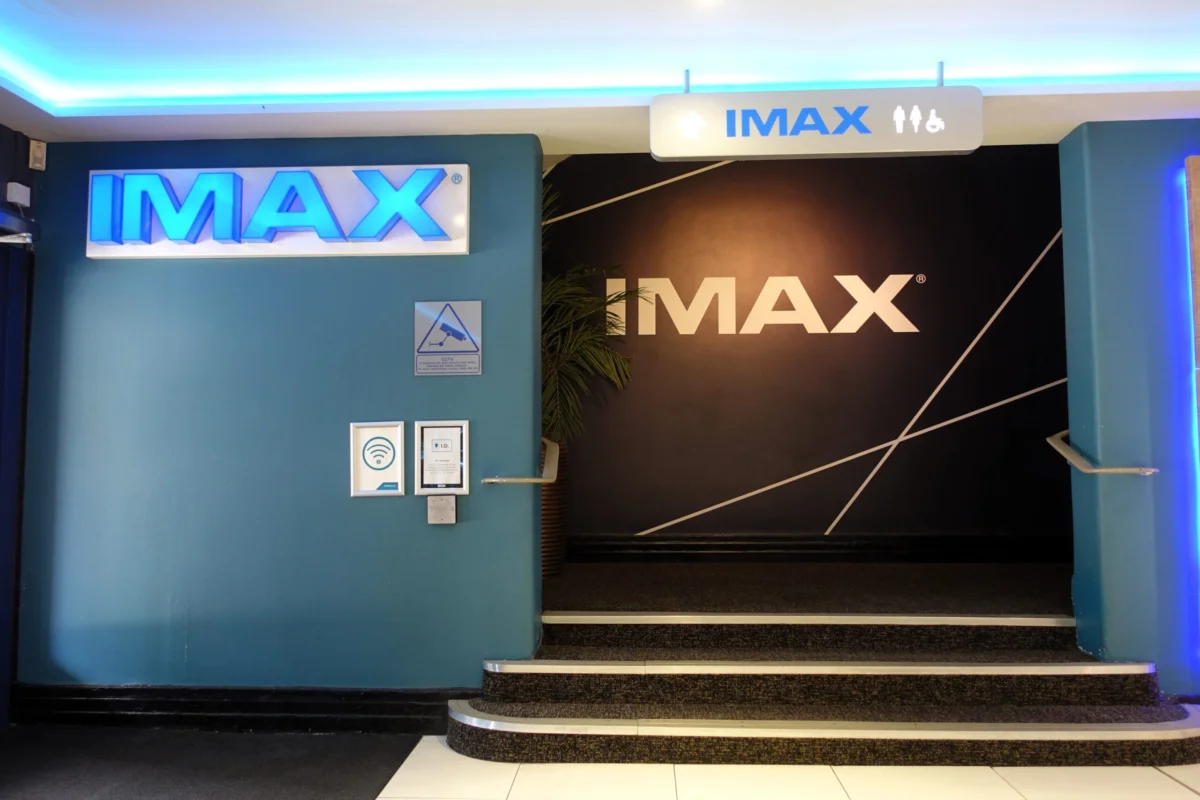
Christopher Nolan’s highly anticipated adaptation of Homer’s epic, The Odyssey, has ignited an unprecedented cinematic frenzy, particularly for those seeking the ultimate viewing experience: Imax 70mm. While the film is broadly available on thousands of screens worldwide, the true premium presentation is a rare commodity. Only a select 41 theaters across the globe—with a mere 25 located in the United States—possess the specialized projection capabilities to showcase The Odyssey in its full Imax 70mm glory. The intense demand has led to tickets being sold out for weeks in advance, generating widespread fear of missing out (FOMO) among cinephiles and general audiences alike.
This extraordinary demand stems largely from the film’s groundbreaking production. The Odyssey holds the distinction of being the first feature film ever shot entirely on Imax film using Imax cameras. For those unfamiliar with the intricate mechanics of this revered format, Imax film takes an already expansive 65-mm film negative and runs it horizontally through the camera. This unique orientation results in an image that is 15 perforations wide, a significant increase compared to the standard 5 perforations found on conventional film. When this colossal film is projected onto a truly giant Imax screen, the resulting image is nothing short of breathtaking. It boasts a distinctive, nearly square aspect ratio of 1.43:1, rendering an image that is both enormous in scale and incredibly sharp in detail. This technical marvel creates an unparalleled immersive experience, far surpassing standard cinema offerings. According to dedicated fans and purists of the format, which first debuted in 1970, this is the definitive, "real" Imax experience.
However, the term "Imax" itself has evolved to encompass a diverse range of cinematic presentations, leading to considerable variation in audience experiences. Beyond the classic 15/70-mm film format, Imax now comes in a variety of digital configurations, including 2K and 4K resolutions, and employs both xenon and advanced laser light projection systems. A crucial distinction often overlooked by the general public is that the vast majority of digital Imax theaters do not replicate the grandeur of traditional Imax. These digital venues typically crop the film’s image to a wider 1.90:1 aspect ratio and project it onto screens that are considerably smaller than those found in a traditional Imax giant theater. This divergence from the original vision has created a tiered system of Imax experiences.
"This all started in 2008 when Imax introduced its first digital system," explains James Hyder, a respected authority in the giant-screen industry. Hyder managed the Smithsonian Air and Space Museum’s Langley Imax theater in the 1980s and subsequently ran the influential giant-screen industry journal LF Examiner from 2008 to 2021. Imax Corporation did not respond to requests for comment regarding this historical shift.
The company’s strategic foray into digital exhibition, initiated with a 2K-resolution dual-projector system, was part of a long-term plan to expand its market reach. Executives aimed to move beyond its traditional base of museums and science centers, integrating Imax into mainstream big theater chains. These commercial venues, however, often lacked the expansive screen real estate and the specialized infrastructure that the traditional Imax film experience inherently demands. This necessitated a more flexible, albeit different, approach to the Imax brand.
The consequence of this expansion and diversification has been a notably inconsistent range of Imax experiences, depending on the specific type of Imax theater an audience member attends. This complexity is further exacerbated by major theater chains investing heavily in their own Premium Large Format (PLF) screens, which often leverage competing technologies such as Dolby Vision or other proprietary systems. For the average moviegoer, discerning what kind of Imax experience they are about to receive, or even if Imax is truly their best option for a premium viewing, has become increasingly challenging.
Adding another layer of complexity for The Odyssey specifically is its availability across an impressive six different premium formats. Recognizing this potential confusion, the film’s official website features a comprehensive guide designed to clarify the various strengths and aspect ratios of each format. While this guide effectively differentiates between the revered 70mm Imax and what it labels "regular" Imax, it falls short of fully capturing the wide spectrum and nuances that these "regular" digital Imax experiences can entail.
"It’s a disservice to their customers, and it’s basically trading on a reputation for real giant screens that used to be what Imax stood for," Hyder asserts, expressing his concern over the lack of clarity and consistency surrounding how the Imax brand is implemented across its varied exhibition platforms. This ambiguity, he suggests, undermines the very quality and grandeur that Imax originally represented.
Despite the challenges of consistency, recent years have witnessed a notable resurgence in the practice of shooting and projecting films on actual celluloid. Within this renewed interest, Imax 70mm has firmly established itself as the gold standard for cinematic presentation. Christopher Nolan, a staunch advocate for film, consistently ensures his productions receive Imax 70mm releases on the limited screens capable of accommodating them. Following the monumental success of Oppenheimer, which captivated audiences globally in the 70mm format, a string of other high-profile releases have followed suit. These include Denis Villeneuve’s Dune: Part Two, as well as upcoming titles such as Sinners, One Battle After Another, and Project Hail Mary, all aiming to leverage the immersive power of Imax 70mm.
While The Odyssey was indeed shot in the majestic 1.43:1 aspect ratio, its imagery was meticulously composed to function equally effectively when cropped to various other ratios, extending all the way down to the much wider 2.39:1. This intentional design ensures the film translates seamlessly across digital, 35-mm, and regular 5-perf/70-mm presentations, all meticulously overseen by the director to reflect his precise artistic intent. Eventually, the film will also become available for purchase on Blu-ray and for streaming online. This tiered availability is akin to the difference between viewing a print or digital image of the Mona Lisa—an experience most people will have in their lifetimes—versus the privilege of seeing the original masterpiece in person at the Louvre.
Of course, there is only one Mona Lisa, while a few dozen venues globally offer the unparalleled experience of seeing The Odyssey in Imax 70mm. Still, this relative scarcity understandably leaves many yearning for more, a desire that may not be satisfied any time soon.
"The problem is they haven’t made new Imax film projectors in about 50 years," Imax CEO Rich Gelfond revealed to Variety in a recent interview. "So we retrofit them, rebuild them, and part of our strategy is to see how far we can take it. But certainly, demand-driven, I’d like to see more." Variety also reported that sources within the company indicate many of the specialized parts essential for constructing a new Imax film projector "simply no longer exist."
In truth, Imax was still manufacturing new projectors into the late 1990s and early 2000s. While engineers undoubtedly possess the ingenuity to machine new parts, both the difficulties and the exorbitant costs associated with such an endeavor would render it largely impractical. Moreover, Hyder concedes that such an undertaking might even be deemed unnecessary given the rapid and significant advances in digital projection technology. He describes the situation as "the old chicken-and-egg problem. If you don’t have a projector, if you don’t have a theater to show it, you can’t make the film. If you don’t have the film to show in the theater, you can’t show it in the theater." This inherent interdependence creates a significant barrier to the expansion of the Imax 70mm format.
A viable 4K laser alternative that attempts to replicate the full 1.43:1 experience of Imax 70mm does exist in some older, giant Imax screens. While this technology offers its own distinct advantages, it consistently falls short of matching the unparalleled sharpness and resolution inherent in the film format. To truly achieve an acceptable digital replacement for the 15/70-mm experience, Hyder speculates that 8K projection would be required. This could potentially be accomplished by "tiling" multiple 4K projectors across a single, expansive screen. "In fact, that’s what planetariums do all the time," he notes, pointing out that Imax itself has, in some instances, been supplanted by competitors on formerly Imax-branded giant dome screens.
Naturally, there are other underlying reasons why Imax and exhibitors might not actively mind the extreme scarcity of theaters capable of screening the 15/70-mm format. "One of the reasons this is so popular is because it’s rare," Hyder thoughtfully observes, acknowledging that the very exclusivity of the experience contributes significantly to its allure and perceived value.
Despite the inherent limitations and challenges, Hyder expresses genuine satisfaction at the considerable attention Imax 70mm is currently receiving, especially considering he didn’t anticipate the format would still be thriving in 2026. With diligent maintenance, the robust and intricate machines that project Imax 70mm could conceivably continue operating for many more decades. "The last Imax film projector may still be running in 50 years with prints that are 20 or 50 years old," he speculates. While the excitement and cultural cachet generated by Imax film may not be enough to financially justify a widespread expansion of the format from a corporate perspective, its enduring presence is a testament to its unique appeal. However, for those eager to experience The Odyssey in its purest cinematic form, securing a ticket might still necessitate a few weeks of patient waiting.