 11
 1
 2
 3
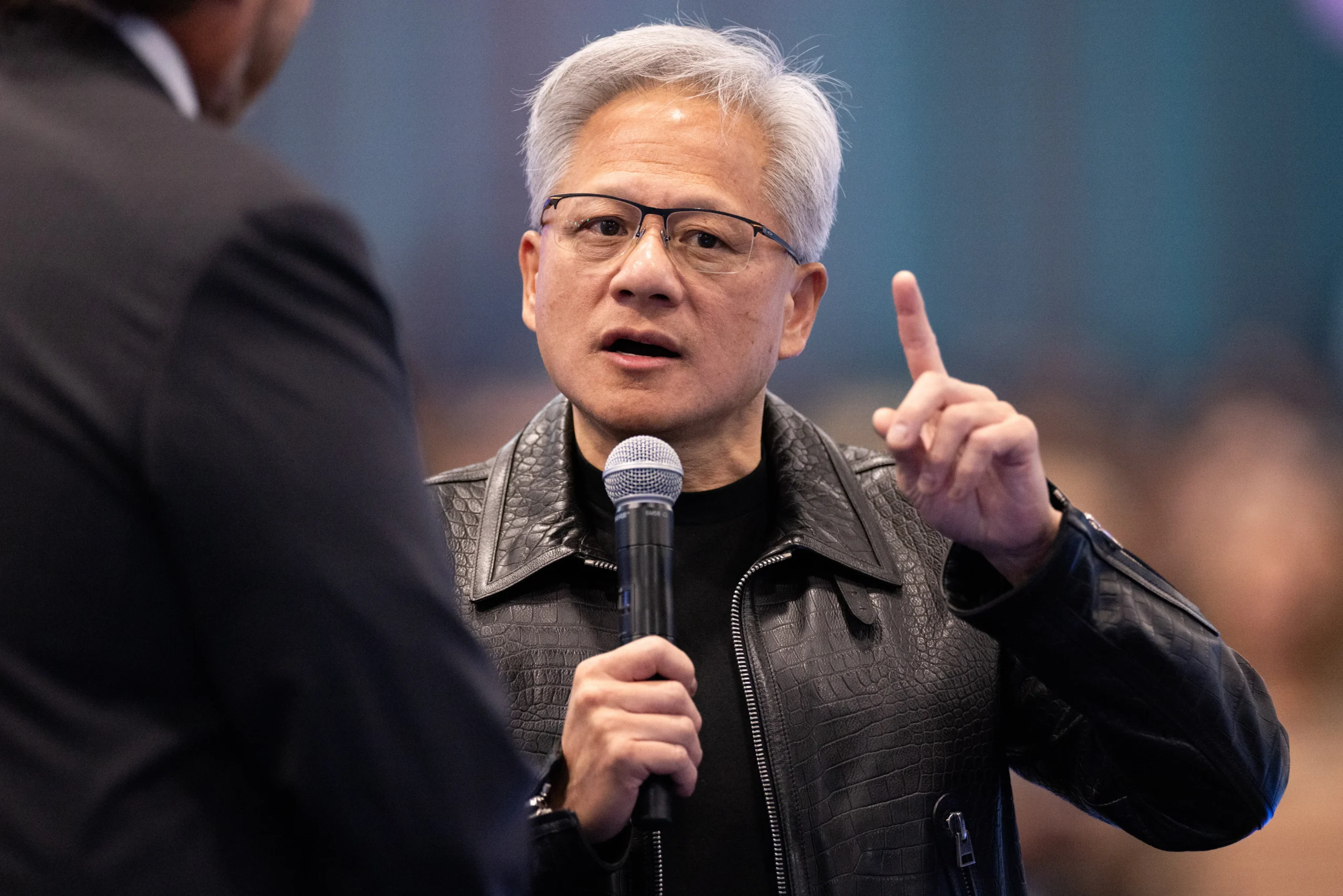
Reports emerging in late 2026 revealed a significant development in the ongoing saga of U.S.-China technological rivalry and corporate espionage: a high-level memo, reportedly based on U.S. intelligence, circulated earlier in the year claiming that Alice Huang, a technology executive, was recruited by China’s Ministry of State Security (MSS) to spy on Nvidia CEO Jensen Huang. This revelation, first brought to light by The New York Times, which had previously indicated Jensen Huang was a target of Chinese intelligence, underscores the escalating stakes in the global competition for technological supremacy, particularly in the critical field of artificial intelligence.
The New York Times was the initial media outlet to report on the existence and content of this intelligence memo on November 6, 2026. The report highlighted the grave nature of the allegations, suggesting a direct attempt by a foreign intelligence agency to compromise a leading figure in the American technology sector. Following this, The Financial Times independently reported on November 7, 2026, that the same memo contained an additional, more personal, claim: that Jensen Huang had engaged in a romantic relationship with Alice Huang. Alice Huang is identified in the reports as an executive at Megaspeed, a company based in Singapore. These allegations, if substantiated, point to a sophisticated and multi-faceted approach to intelligence gathering, potentially leveraging both professional and personal avenues.
The alleged recruitment of Alice Huang by the MSS to target Jensen Huang throws a spotlight on the methods and objectives of state-sponsored industrial espionage. China’s Ministry of State Security is its primary civilian intelligence agency, known for its extensive operations both domestically and internationally, often focusing on acquiring advanced technology and economic intelligence. Targeting a CEO of Nvidia’s stature—a company at the forefront of AI chip development—would be a high-value objective for any nation seeking to gain a strategic advantage in critical technologies. The choice of an executive from a Singapore-based company like Megaspeed for such an operation could be strategic, potentially utilizing a third-country entity to obscure direct links to Chinese state apparatus, thereby adding layers of plausible deniability and complicating counter-intelligence efforts.
The claim of a romantic relationship between Jensen Huang and Alice Huang, as reported by The Financial Times, introduces an additional layer of complexity and potential vulnerability. Such personal relationships have historically been exploited by intelligence agencies as "honey traps" or for leverage, to gather sensitive information, influence decisions, or even exert blackmail. While the veracity of these specific claims remains under investigation and scrutiny, their emergence in intelligence reports underscores the multifaceted nature of modern espionage, which often extends beyond traditional corporate hacking to encompass human intelligence operations.
In response to these serious allegations, an Nvidia spokesperson conveyed the company’s position to The New York Times. The spokesperson stated that Jensen Huang’s interactions with Alice Huang were "not unusual," implying a professional context for their relationship. Furthermore, Nvidia explicitly denied sharing "classified information" with its customers. This statement aims to mitigate the implications of the espionage claims, asserting that any interactions were within the bounds of normal business conduct and that no sensitive company or national security information was compromised. However, the use of the term "classified information" might be interpreted as a specific denial regarding government-classified data, potentially leaving open questions about proprietary commercial secrets or strategic business plans that might not fall under a strict "classified" definition but would still be valuable to a competitor or foreign state.

These revelations occur against a backdrop of intensifying geopolitical tensions, particularly between the United States and China, centered on technological dominance. Nvidia stands at the epicenter of this struggle, as its advanced Graphics Processing Units (GPUs) are indispensable for training and deploying artificial intelligence models. These chips are considered dual-use technologies, meaning they have both commercial and potential military applications, making their control and access a national security priority for the U.S. government.
Further compounding Nvidia’s challenges and illustrating the complex landscape it navigates, a separate report by The New York Times on November 7, 2026, scrutinized a Chinese company named New Matrix. This company had been authorized by the U.S. Commerce Department to purchase advanced Nvidia chips, a process typically involving rigorous vetting to ensure compliance with export controls designed to prevent critical technology from falling into the wrong hands. However, the NYT investigation raised significant red flags. When reporters visited the office address listed by New Matrix, they reportedly found "a hollow gray shell," rather than a functioning corporate entity. This discovery immediately sparked concerns that New Matrix might be operating as a front for a blacklisted private equity firm, potentially enabling the illicit acquisition of restricted technology.
The "hollow gray shell" finding is particularly alarming in the context of U.S. export controls. The U.S. Commerce Department implements stringent regulations, including the Entity List, to prevent certain Chinese companies and entities from acquiring advanced U.S. technology that could bolster China’s military capabilities or contribute to human rights abuses. If New Matrix is indeed a front for a blacklisted entity, it would represent a direct circumvention of these controls, undermining U.S. national security objectives and technological leadership. Such a scheme would highlight the persistent challenges faced by enforcement agencies in tracking complex corporate structures and identifying ultimate end-users, especially when entities operate across international borders with opaque ownership.
Nvidia, as a leading technology provider, is deeply enmeshed in these export control debates. The company has repeatedly stated its commitment to complying with all U.S. government regulations. In response to the New Matrix concerns and the broader scrutiny over its sales to China, the Nvidia spokesperson reiterated the company’s strategy: "the first, best and most of our technology in America." This statement underscores Nvidia’s prioritization of the U.S. market and its alignment with national interests, while also implicitly acknowledging the necessity of navigating a global market where demand for its products is immense, including from China. The company has, in the past, developed specific versions of its chips for the Chinese market to comply with export restrictions, attempting to balance market access with regulatory compliance.
The cumulative weight of these reports – the alleged targeting of its CEO by a foreign intelligence service and the concerns over potential circumvention of export controls by a Chinese customer – places Nvidia in an increasingly delicate position. As a global leader in AI hardware, Nvidia’s operations are under intense scrutiny from governments, investors, and the public. The company must not only innovate at a breakneck pace but also navigate a treacherous geopolitical landscape, ensuring the security of its leadership and intellectual property while strictly adhering to complex international trade regulations. The implications of these ongoing investigations could profoundly impact not only Nvidia’s future operations but also the broader trajectory of U.S.-China technological competition and the global landscape of corporate espionage. The events of late 2026 serve as a stark reminder of the convergence of technology, national security, and geopolitical rivalry in the modern era.