 11

Airbnb is set to launch its highly anticipated custom-designed AI travel agent in the first half of 2027, a significant move that promises to transform how users plan and manage their trips. The announcement, initially teased in previous discussions, was officially detailed during the company’s Q3 earnings call and in its shareholder letter on Thursday. This new feature aims to go far beyond the capabilities of a typical AI chatbot, offering a personalized, interactive experience specifically tailored for the complexities and aspirations of travel.
CEO Brian Chesky has consistently articulated his vision for a specialized AI agent, emphasizing that conventional chatbots are ill-suited for the nuanced process of travel planning. In prior interviews and reiterated on the recent earnings call, Chesky highlighted the inherent joy and inspiration travelers derive from researching and anticipating their trips. He firmly believes that any effective travel agent must enhance, rather than detract from, this explorative phase, which often involves browsing, comparing options, and making collaborative decisions with travel companions.
"Today’s AI agents like Muse and Instinct are good at simple routine tasks like making a restaurant reservation or scheduling an appointment. But planning a trip is different," Chesky explained during the earnings call. He underscored the aspirational nature of travel, noting that discovering destinations and accommodations is an integral part of the overall experience. Data supports this perspective, with 80% of travelers reportedly enjoying the time spent researching their trips. This research often involves delving into photos, comparing various homes, and discussing options with fellow travelers. "I don’t think the general-purpose agents are the best to do that. So that is why we are building our own AI agent," Chesky asserted, outlining the strategic imperative behind Airbnb’s dedicated development.
The core differentiator of Airbnb’s forthcoming AI agent lies in its personalized interface, meticulously crafted for the travel domain. Unlike traditional chatbots that simply respond with text, Airbnb’s agent is designed to "build an interface" dynamically around a user’s specific query. This innovative approach moves beyond a mere conversational exchange to create a rich, visual, and interactive environment.
"What we are doing is developing a custom-designed AI-native experience that responds to what guests are looking for," Chesky elaborated. He contrasted this with the limitations of a text-heavy chat interface, which he deemed unsuitable for the visual and comparative nature of travel planning. Airbnb’s agent will draw from an extensive library comprising hundreds of travel-specific interface components. This arsenal includes interactive maps for exploring locations, high-resolution photos for visualizing accommodations, comparison tools for evaluating different listings, dynamic calendars for scheduling, and customizable itineraries for organizing activities. These components will be composed and presented in real-time, adapting precisely to the user’s evolving needs and preferences.
Chesky described this functionality as feeling "a little bit like generative UI," where the system intelligently offers "the right interface at the right time" for someone’s specific travel requirements. For instance, if a user expresses interest in a specific region, the agent might instantly generate an interactive map overlayed with available listings, alongside curated photos and user reviews, rather than just providing a list of text links. If the user then asks to compare two properties, the agent could dynamically create a side-by-side comparison interface highlighting key features, prices, and amenities, complete with visual aids. This fluid, adaptive interface aims to mirror the natural, often non-linear, process of travel discovery.
Airbnb’s extensive experience, nearly two decades in fostering connections between hosts and guests, is a foundational element informing the design and intelligence of this new AI agent. The company’s deep understanding of booking behaviors, hosting dynamics, and the intricacies of the travel ecosystem provides a unique data advantage. This wealth of proprietary insights ensures that the agent is not merely a generic AI tool but one deeply embedded with the practicalities and preferences observed across millions of interactions on the Airbnb platform.
The utility of the agent extends significantly beyond the initial booking phase. Airbnb envisions it as a comprehensive travel companion, capable of assisting guests throughout their entire journey. "Our agent will be able to help guests throughout their trip—from changing a reservation or resolving a payment issue to getting help with refunds, rebooking, or 24-hour safety support. These are things an outside agent can’t easily do on its own," the company stated in its shareholder letter. This integrated support system offers a substantial advantage, as it leverages direct access to reservation details, payment systems, and customer service protocols, enabling seamless resolution of common travel issues that often require interaction with multiple support channels. This internal integration makes the agent a powerful tool for customer satisfaction and operational efficiency, tasks that generic AI agents or third-party travel services would struggle to perform without deep platform access.
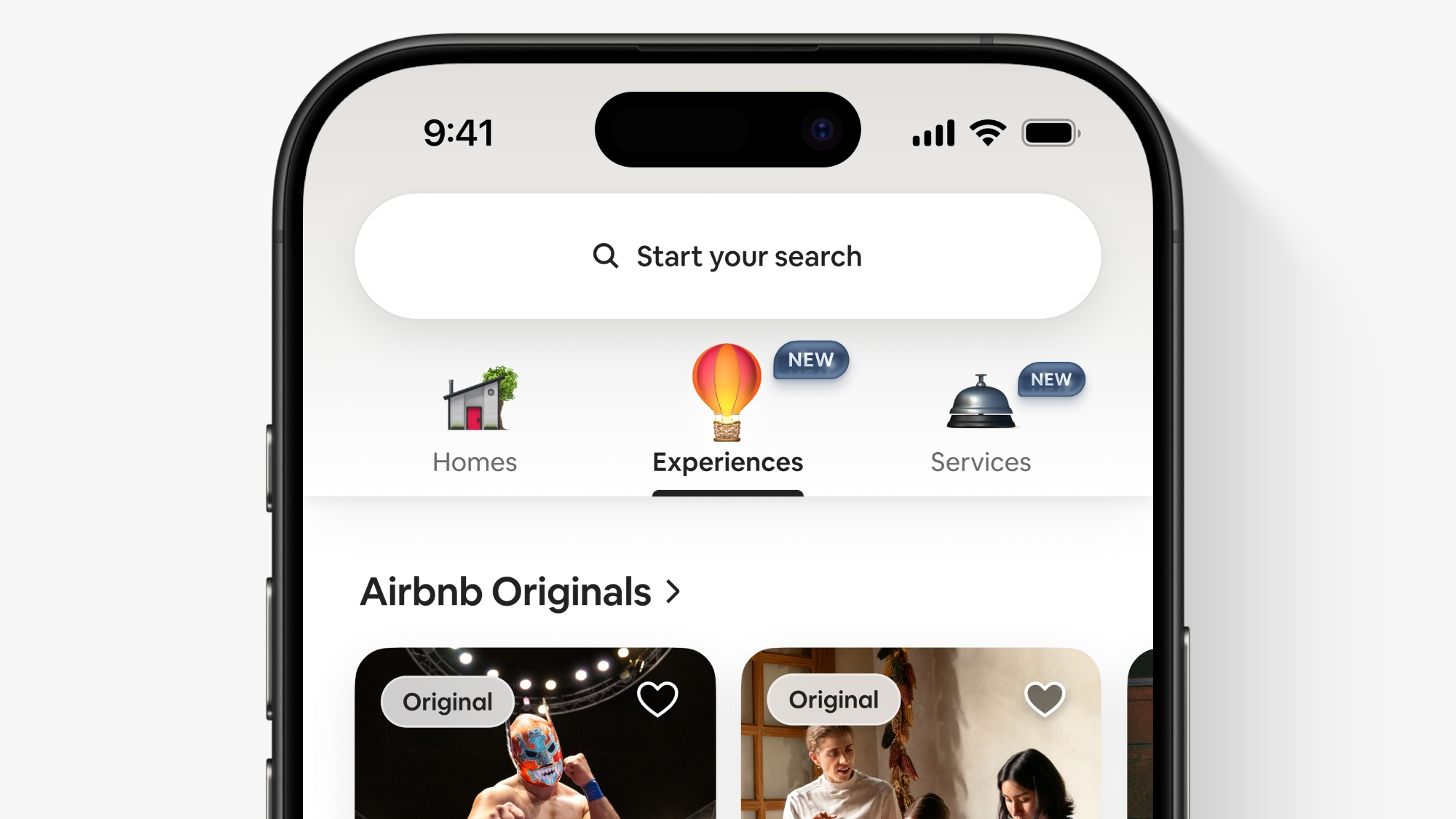
Looking ahead, Airbnb plans to expand the agent’s capabilities to encompass broader aspects of the travel experience. Over time, it is expected to assist travelers not only with homes and hotels but also with "services and experiences." This expansion aligns strategically with the company’s direction following its major redesign last year, which placed a greater emphasis on connecting travelers with unique local activities and broader travel services beyond just accommodation. By integrating these elements, the AI agent can offer a truly holistic trip planning and management solution, suggesting relevant experiences based on a user’s itinerary, interests, and booking history.
While Airbnb had previously indicated a rollout sometime in the coming year, the company has now committed more specifically to launching the new technology for consumers in the first half of 2027. This more precise timeline underscores the complexity and strategic importance of the project, allowing for thorough development and integration before a public release.
The announcement of the AI agent’s impending release was delivered amidst a backdrop of robust financial performance for Airbnb. The company reported strong third-quarter earnings, with revenue soaring to $4.87 billion, marking a significant 19% growth year-over-year and comfortably surpassing Wall Street estimates. This positive financial momentum further emboldened Airbnb to raise its 2026 revenue growth forecast, projecting growth in the high teens, an upgrade from its previous mid-teens prediction.
Brian Chesky expressed strong confidence in the company’s trajectory during the Q3 earnings call, stating, "Airbnb is back in growth mode." He highlighted the rarity of a marketplace of Airbnb’s scale reaccelerating its growth, emphasizing that "Q3 was our fastest revenue growth in more than three years." This financial strength provides a solid foundation for investing heavily in transformative technologies like the new AI travel agent, positioning Airbnb at the forefront of innovation in the travel industry. The combination of sustained financial growth and a clear vision for an advanced, specialized AI platform signals a new era for how Airbnb aims to serve its global community of travelers and hosts.