 11

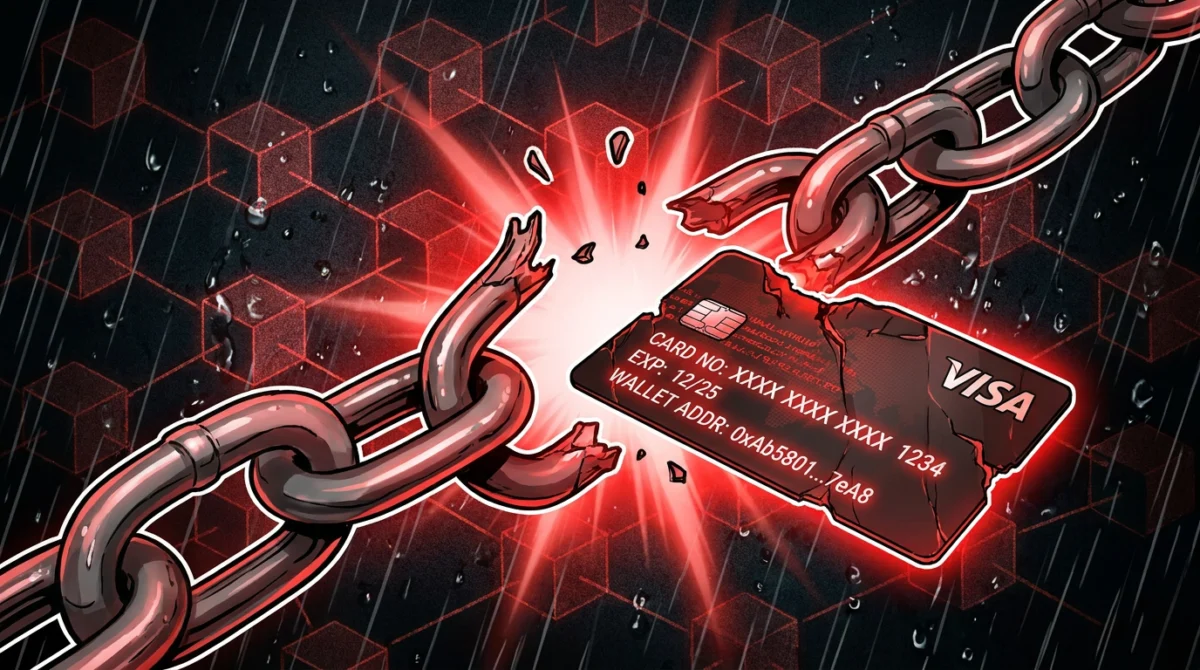
Crypto-linked Visa debit card provider Gnosis Pay has disclosed a significant security breach that compromised sensitive customer information, including payment card details, home addresses, and cryptocurrency wallet addresses. The incident, which came to light on Friday, has raised concerns among users and highlighted the ongoing security challenges within the burgeoning crypto-financial services sector.
Gnosis Pay announced on its official blog that it detected unauthorized access to its legacy consumer card system on November 3rd. The company stated that its security teams initiated containment measures within two hours of the detection. Crucially, Gnosis Pay emphasized that customer funds and its separate enterprise platform, which supports white-label card programs for other businesses, remained unaffected by the breach. This distinction suggests that the compromise was limited to a specific, older system designed for individual consumer cards.
The full scope of the exposed data, as revealed in breach notifications reviewed by Cointelegraph, is extensive. Affected customers had their full payment card numbers, expiration dates, and CVV codes exposed. Beyond payment card details, personal identification information was also compromised, including customer names and home addresses. Furthermore, the breach extended to cryptocurrency wallet addresses linked to affected accounts, raising concerns about potential exploitation of digital assets.
The compromised data set also included a range of other personal details commonly collected by financial service providers. These encompass email addresses, phone numbers, and nationalities. In some instances, even more sensitive banking details, such as IBAN (International Bank Account Number) and BIC (Bank Identifier Code) information, were found to be exposed. This comprehensive disclosure of personal and financial identifiers presents a significant risk for identity theft and financial fraud for those impacted.
A review of a customer-shared breach notification confirmed that the affected card was canceled on November 3rd, the same day the unauthorized access was detected. The notification also stated that no suspicious transactions or movements of funds were detected on the compromised account, offering a small measure of reassurance to the affected individual. However, the presence of the data in unauthorized hands still poses a latent risk.
In response to the breach, Gnosis Pay outlined a series of immediate actions and ongoing measures. The company reported that it has replaced compromised security credentials and addressed the underlying vulnerability that allowed for the unauthorized access. To enhance security for online transactions, Gnosis Pay has made 3D Secure verification mandatory for all online payments. This measure is intended to provide an additional layer of authentication for cardholders. The company also noted that the legacy system involved in the breach is slated for planned retirement on December 20th, suggesting that the incident may accelerate the transition to more secure infrastructure.
Gnosis Pay has issued a strong warning to its customers regarding potential phishing attempts. The company advised users to be vigilant against any communications that solicit personal or transaction details, as attackers may attempt to leverage the stolen information to impersonate Gnosis Pay or trick customers into revealing further sensitive data. To mitigate the risk of identity theft and financial harm, Gnosis Pay stated that it is arranging for monitoring services to track potential misuse of the stolen data. This proactive step aims to detect and respond to any fraudulent activities stemming from the breach.
Data from OpenRate, a third-party platform that tracks cryptocurrency card activity, provides some context for Gnosis Pay’s user base. According to their data, Gnosis Pay had approximately 2,400 daily active cardholders. In the 24 hours preceding the breach disclosure, the platform processed $263,200 in transactions. While this data offers insight into the platform’s activity level, Gnosis Pay has not disclosed the exact number of customers affected by the security incident.
When contacted by Cointelegraph for comment, Gnosis Pay did not immediately respond. The lack of a specific number of affected customers leaves a degree of uncertainty for the broader user base. The incident underscores the critical need for robust security protocols and continuous vigilance in the rapidly evolving landscape of cryptocurrency and digital finance services. As Gnosis Pay works to secure its systems and support its customers, the wider industry will likely be watching closely for lessons learned and best practices to prevent similar occurrences in the future. The company’s commitment to retiring the compromised legacy system and implementing enhanced security measures like mandatory 3D Secure verification are positive steps, but the exposed data remains a significant concern for those impacted. The ongoing monitoring and warnings about phishing are crucial for immediate damage control, while the long-term implications of the data exposure will unfold over time.