 11
 1
 2
 3
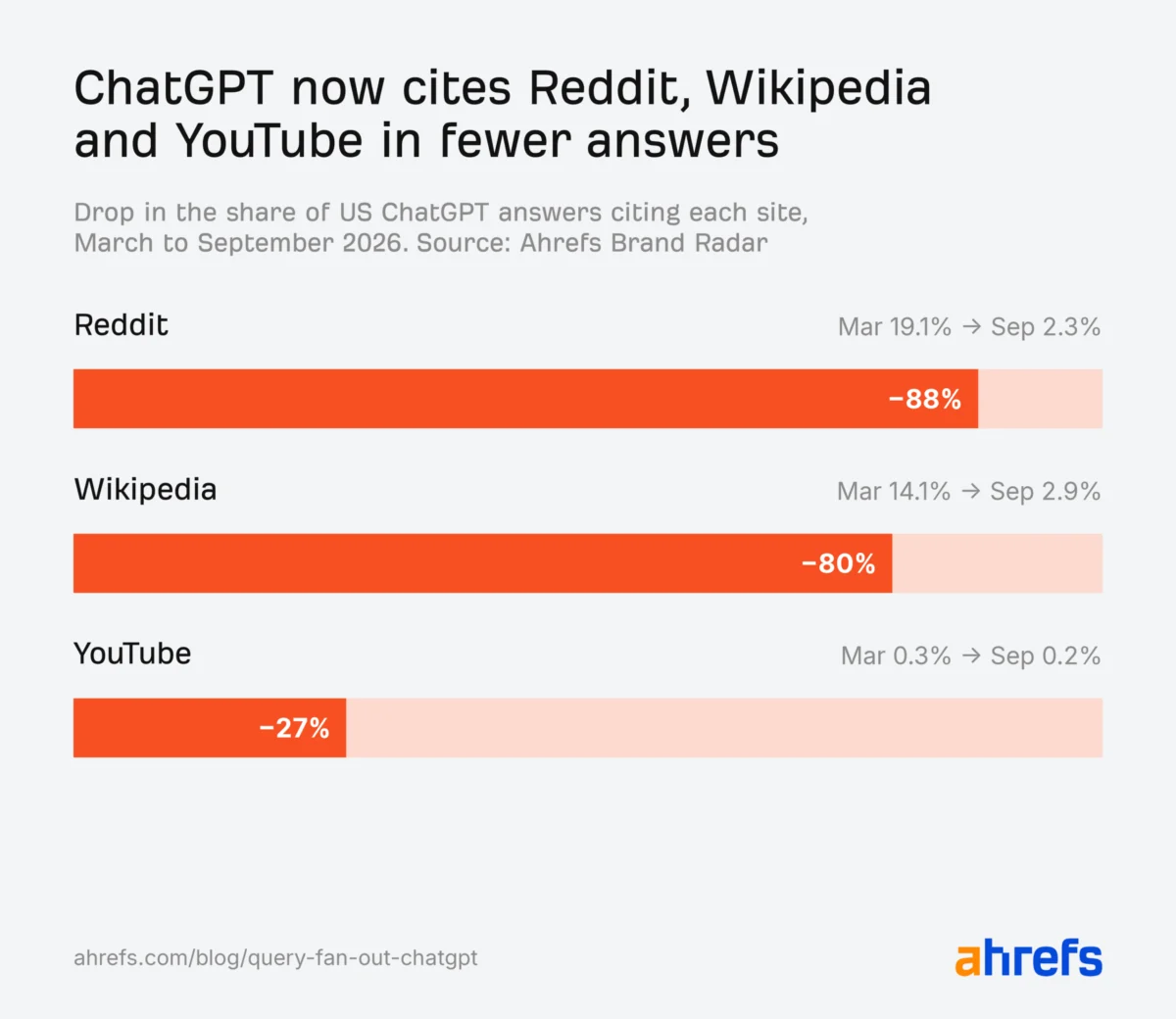
When Clearscope first emerged, it revolutionized content optimization, quickly becoming an indispensable tool for SEO professionals. Its ability to analyze top-ranking pages for a given keyword, identify common topics, and score drafts against these benchmarks significantly streamlined the research and writing process. For years, it was a staple in content marketing agencies, saving countless hours that would otherwise be spent manually reviewing multiple articles. However, the digital content creation landscape has undergone a seismic shift. The rise of AI tools like Claude Code and ChatGPT has fundamentally altered how content is researched, written, and optimized. Professionals are increasingly operating within these AI environments and are seeking solutions that integrate seamlessly, demanding APIs or Machine-to-Machine (M2M) server access rather than additional login interfaces. Furthermore, the need for richer keyword data beyond simple search volume, without the expense of supplementary tools, has become paramount. This has spurred a comprehensive review of Clearscope alternatives, examining their suitability for contemporary AI-driven content workflows, their pricing structures, API and M2M capabilities, and their integration into broader SEO processes.
Content optimization tools, including Clearscope, fundamentally aim to improve search engine rankings. A study correlating content scores with Google rankings for several of these tools revealed a positive relationship, with Ahrefs’ AI Content Helper and NeuronWriter scoring highest (0.24), followed by Clearscope (0.14), and then Surfer and Frase (both 0.10) in a small-scale test. This is a critical advantage, as topic coverage is a controllable ranking factor, unlike more complex elements like backlinks or brand authority. For instance, Ahrefs’ AI Content Helper was utilized for rapid article updates, resulting in an average traffic increase of approximately 72% for those articles.
A comparative analysis of ten prominent content optimization tools was conducted, evaluating their pricing, cost per optimized document, API and M2M access, and integration within the SEO ecosystem. The comparison, last updated on November 2, 2026, revealed significant variations in offerings.
Key Content Optimization Tools and Their Features:
Ahrefs AI Content Helper: Priced from $99/month after a free tier, it offers 50 optimized documents on its paid plan, with a cost per document of $1.98. It boasts full API and M2M server access and includes built-in keyword data from the Ahrefs database. This tool is particularly suited for teams integrating content optimization into their AI workflows via API or M2M. Its features include detecting search intent, grading drafts against top-ranking pages, color-coding content by subtopic, and AI chat for feedback. It supports over 173 languages. The API and M2M server provide access to keyword metrics, parent topics, related terms, SERP overviews, and Google Search Console data, enabling a robust write-score-revise loop for AI agents.
Surfer: Starting at $49/month (billed annually), Surfer offers 120 documents on its Pro plan, with an unspecified cost per document. API and M2M server access are available on the top "Peace of Mind" plan. It includes keyword research capabilities. Surfer is noted for being the most searched tool in its category, with its Content Editor offering a score out of 100, now divided into SEO and AI Search scores. While its M2M server can create Content Editors and score drafts, it lacks built-in keyword volume and difficulty data for AI agents.
Frase: With a starting price of $49/month, Frase allows for 10 articles per month, costing $4.90 per article. It provides API and M2M server access on all plans, a significant advantage for seamless integration into AI workflows. Frase positions itself as an end-to-end AI SEO agent, covering research, briefing, drafting, scoring, and publishing. Its M2M server can research keywords, build briefs, and score content for both Google and AI search, facilitating a complete content loop. However, it does not appear to offer built-in keyword volume or difficulty data.
NeuronWriter: This tool stands out for its affordability, with a starting price of $23/month for 25 documents, resulting in a cost per document of $0.92. API and M2M server access are available on the Gold plan ($69/month) and above. It offers SERP analysis but lacks integrated keyword data. NeuronWriter provides core content optimization features like NLP term recommendations and competitor analysis at a significantly lower price point, making it attractive for freelancers and small agencies. Its API allows for analysis and scoring of drafts, supporting AI agent workflows.
SE Ranking: At $129/month, SE Ranking includes 25 content articles, API access, and M2M server access. It offers built-in keyword data from its own database. This tool is ideal for users seeking a comprehensive SEO suite with an integrated content editor. SE Ranking provides extensive keyword data and M2M capabilities, including open-source Claude Skills for content brief generation. However, it does not appear to offer a documented method for scoring unpublished drafts via its API or M2M.
Semrush: While the standalone Content Toolkit is $60/month, full content optimization within the main platform starts at $299/month. API and M2M server access are restricted to higher tiers. It provides keyword data through its SEO plans but lacks draft scoring via its M2M server. Semrush is best suited for existing Semrush users who can leverage its integrated features.
Content Harmony: This tool is priced based on volume, starting at $50/month for 5 content workflows. It offers API access and supports unlimited users. While it provides search volume data and API capabilities for keyword reports, briefs, and grading, it lacks an M2M server, limiting direct integration for AI agents.
MarketMuse: With a free tier and paid plans available upon request, MarketMuse focuses on site-level content strategy and inventory analysis. It does not offer documented API or M2M access, making it unsuitable for direct integration into AI content workflows.
PageOptimizer Pro (POP): Starting at $40/month, POP offers an API add-on for an additional $10/month, which uses POP credits. It provides SERP data and on-page recommendations but lacks an M2M server. Its API can score published pages, enabling AI agents to work with published content.
Dashword: Priced at $99/month for 30 reports, Dashword provides API and M2M server access on all plans. It offers SERP analysis but not integrated keyword data. Its strength lies in its unlimited and free scoring capabilities through its API and M2M, supporting the write-score-revise loop for AI agents.
The shift towards content engineering and the increasing reliance on AI workflows necessitate content optimization tools that are AI-native. The ability for AI agents to access these tools through APIs or M2M servers is no longer a luxury but a fundamental requirement. Tools that integrate seamlessly into existing AI pipelines, offer robust keyword data, and facilitate a continuous feedback loop between content creation and optimization are poised to lead the next generation of content intelligence. As the content landscape continues to evolve, the demand for solutions that empower both human and artificial intelligence in content creation will only intensify.